








Autism Resources & Articles
Autism, also referred to as Autism Spectrum Disorder (ASD), is a complex neurodevelopmental condition that affects how individuals interact with the world and others around them. It is characterized by a wide range of behaviors, challenges, and strengths, which is why it's described as a spectrum. We have published numerous resources and articles about autism, what it is, common symptoms, types, jobs, and much more.
In summary, autism is a complex and diverse condition that affects individuals in unique ways. It's characterized by differences in social interaction, communication, repetitive behaviors, and sensory sensitivities. Early intervention, support, and acceptance are key factors in helping individuals with autism lead fulfilling lives and reach their full potential.
It's essential to remember that autism is a spectrum, and the severity and combination of these symptoms can vary widely. Early diagnosis and intervention tailored to an individual's specific needs can greatly improve their quality of life and help them develop essential skills. Moreover, it's crucial to approach autism with understanding, acceptance, and support, recognizing the unique strengths and challenges of each person with autism.

Find Autism Resources
.jpeg)
Vaccinated and Unvaccinated Children Can Have Autism
In recent years, there has been a persistent myth suggesting a link between vaccines and autism. This myth has caused confusion and raised concerns among many individuals and caregivers.
%2520(1).jpeg)
Do Virtual Reality Goggles Cause Autism?
Virtual Reality (VR) exposure is an innovative technology that offers immersive and interactive experiences by simulating real-world environments. It has gained attention for its potential applications in various fields, including autism.
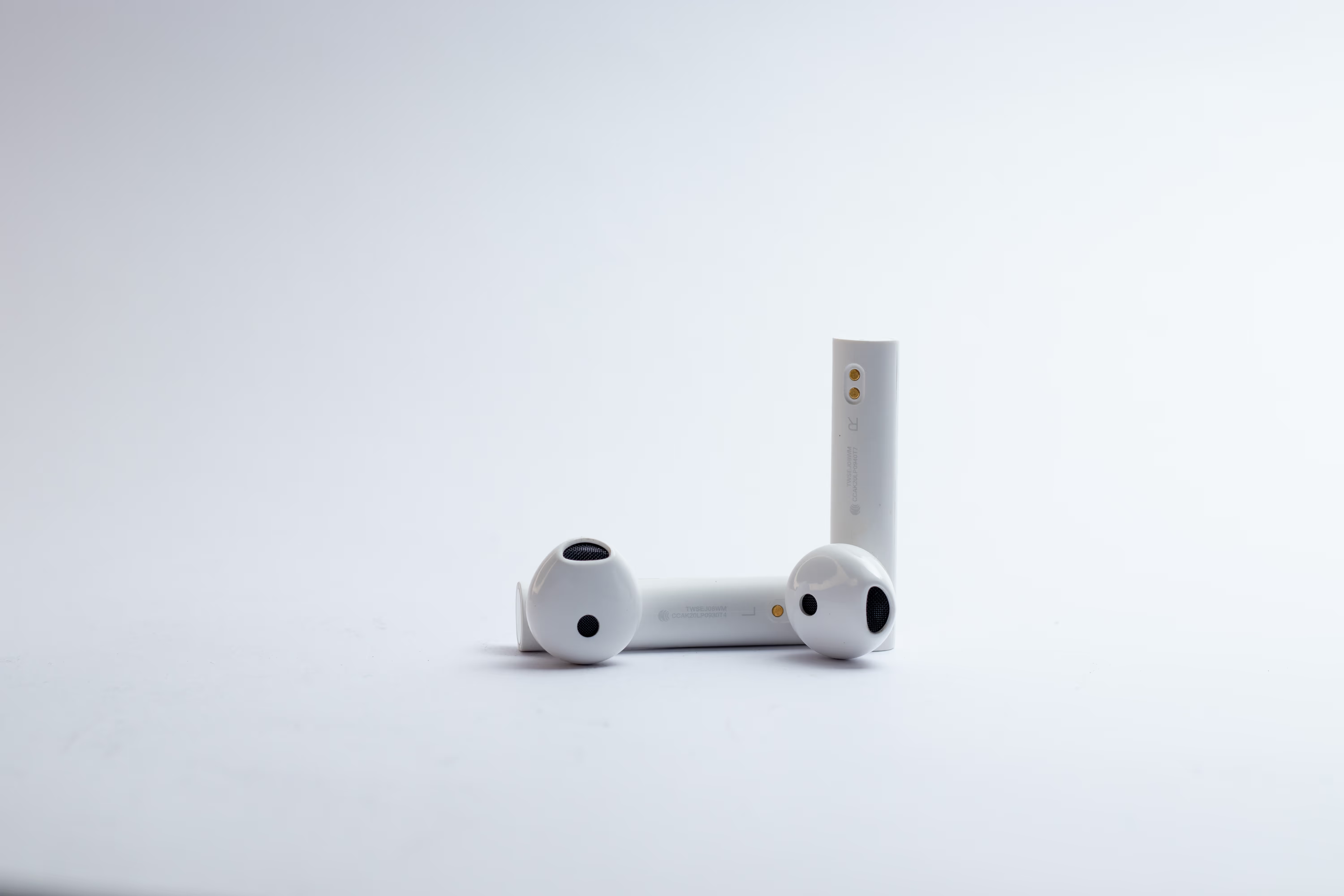
Do Bluetooth Headphones Cause Autism?
As technology continues to evolve, Bluetooth headphones have become increasingly popular for their convenience and wireless capabilities. In this section, we will delve into how Bluetooth headphones work and their growing popularity and usage.

Do Airpods Cause Autism?: Unraveling The Mystery
To better understand the potential link between AirPods and autism side effects, it is important to examine the available evidence. This involves considering scientific studies and research, as well as expert opinions and recommendations.
.jpeg)
How Fish Can Help Find Causes Of Autism?
Studying the causes of autism involves investigating various aspects, such as genetics, brain development, and environmental influences. By unraveling the underlying causes, researchers hope to pave the way for targeted interventions and therapies to improve the lives of individuals on the autism spectrum.

Can Drugs Cause Autism?: Navigating The Link
Can prescription drugs cause autism? Learn about the latest research on the potential link between medication use during pregnancy and the development of autism spectrum disorder in children.
.webp)
Can Premature Birth Cause Autism?
Can being born prematurely increase the risk of autism? Find out what the latest research says about the link between premature birth and autism, and what factors may contribute to this association.
.jpeg)
Can Childhood Trauma Cause Autism?
Can childhood trauma increase the risk of autism? Discover what the latest research says about the potential link between childhood trauma and autism spectrum disorder.

Can Lead Poisoning Cause Autism?
Can lead poisoning cause autism? Discover the latest research on the link between lead exposure and developmental delays, learning disabilities, and autism. Learn about the common sources of lead in the environment and what you can do to protect your child's health.
.jpeg)
Does Pitocin Cause Autism?
Are you worried that the use of Pitocin during childbirth could increase the risk of autism in your child? While some studies suggest a possible link, the evidence is inconclusive and more research is needed.
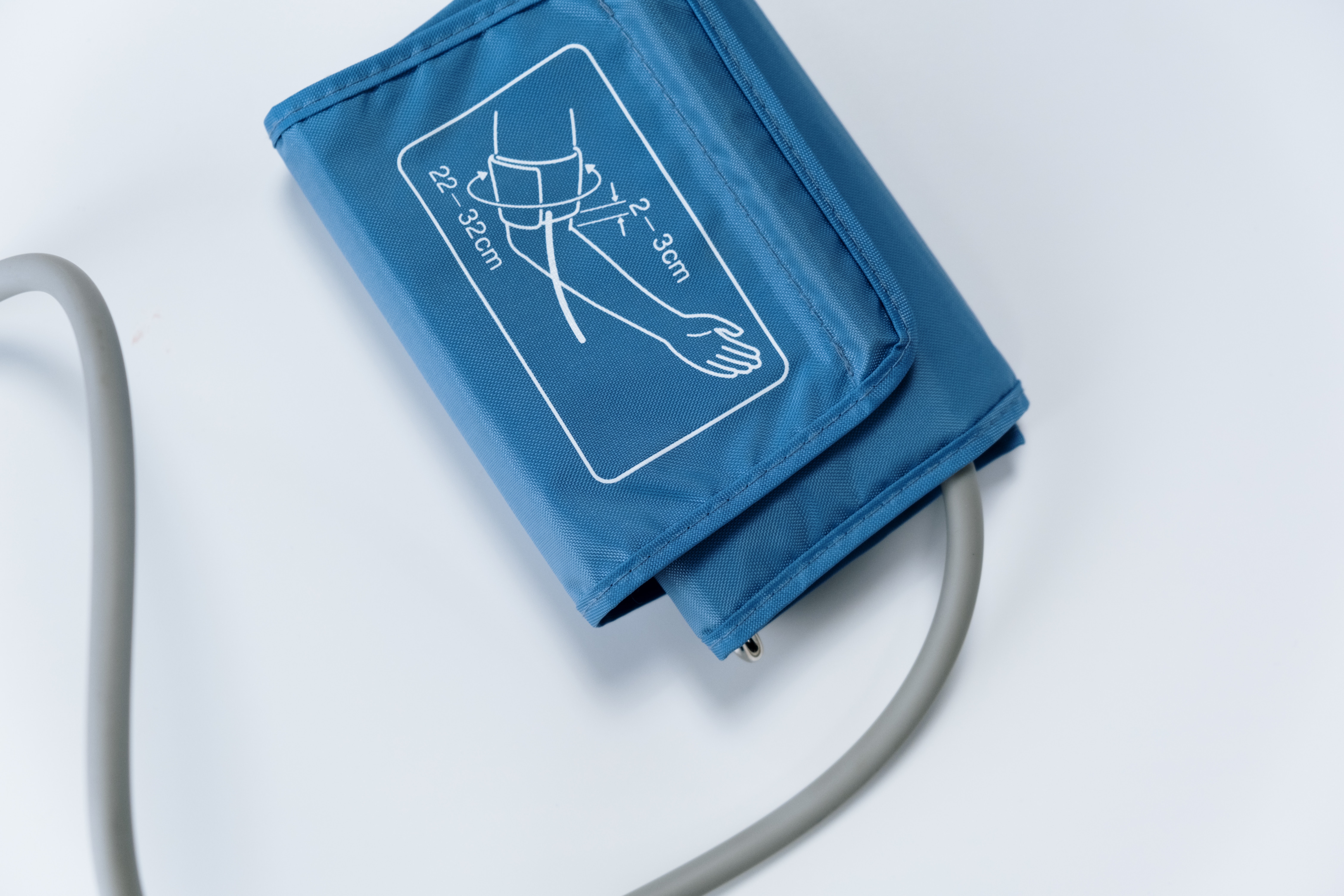
Can Preeclampsia Cause Autism?
Research has suggested a possible link between preeclampsia, a pregnancy complication, and an increased risk of autism. However, the evidence is not conclusive and more research is needed to fully understand the relationship between the two.
.jpeg)
Autistic Laughter: Embracing Autism's Laughter
Understanding the significance of laughter in autism is essential for caregivers, educators, and individuals with autism themselves. By embracing and nurturing laughter, we can harness its power to promote emotional well-being, social connection, and cognitive growth in the autism community.

Have Any Questions?
Whether you're curious about our services or need support, we're just a click away. Reach out or check our FAQs for quick answers.