








Autism Resources & Articles
Autism, also referred to as Autism Spectrum Disorder (ASD), is a complex neurodevelopmental condition that affects how individuals interact with the world and others around them. It is characterized by a wide range of behaviors, challenges, and strengths, which is why it's described as a spectrum. We have published numerous resources and articles about autism, what it is, common symptoms, types, jobs, and much more.
In summary, autism is a complex and diverse condition that affects individuals in unique ways. It's characterized by differences in social interaction, communication, repetitive behaviors, and sensory sensitivities. Early intervention, support, and acceptance are key factors in helping individuals with autism lead fulfilling lives and reach their full potential.
It's essential to remember that autism is a spectrum, and the severity and combination of these symptoms can vary widely. Early diagnosis and intervention tailored to an individual's specific needs can greatly improve their quality of life and help them develop essential skills. Moreover, it's crucial to approach autism with understanding, acceptance, and support, recognizing the unique strengths and challenges of each person with autism.

Find Autism Resources

Which Parent Carries The Autism Gene?
Research suggests that autism genes are usually inherited from the father, despite some research showing it's passed down from the mother.
Autism Diagnostic Criteria (DSM-5)
In this article, we will delve into the DSM-5-TR criteria for autism diagnosis, including the different categories and subcategories.

Is Tourette's Syndrome A Form Of Autism?
Tourette's Syndrome and Autism are two neurological conditions that have gained a lot of attention in recent years.

Excessive Blinking in Children with Autism
One of the symptoms that some children with autism display is excessive blinking or eye blinking. In this article, we will explore the causes, symptoms, and treatments of excessive blinking in children with autism.

Gut Health and Autism: Ultimate Guide
Gut health has been a topic of interest for many years, with research showing the connection between gut health and overall health. However, recent studies have shown a potential link between gut health and autism.

Vitamin D and Autism: Is There A Connection?
Vitamin D and autism have been a subject of research for a number of years, with many studies investigating the possible connection between the two.

Inflammation and Autism: How They're Linked
Studies have shown that children with autism often have higher levels of inflammation than typically developing children.

Screen Time and Autism: The Surprising Truth
New research suggests that drastically reducing the amount of time that young children with autism spend watching screens could lead to fewer symptoms of the developmental disorder.

Oxytocin's Link To Autism, Explained
The hormone oxytocin is known for its role in social bonding, trust, and empathy. Recent studies have shown a potential link between oxytocin and autism spectrum disorder (ASD). In this article, we will explore what oxytocin is and its connection to autism.

Serotonin and Autism: The Important Connection
Several studies have found that individuals with autism have altered levels of serotonin in their brains.

Autism and Motor Skills, Explained
Motor skills refer to the use of muscles to perform tasks such as crawling, walking, running, and manipulating objects.
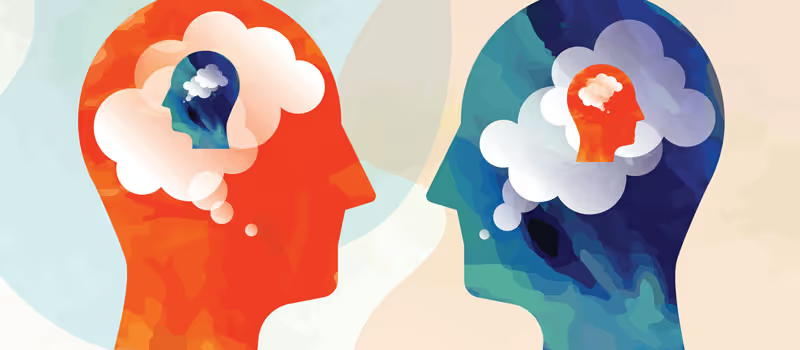
The Double Empathy Problem In Autism, Explained
The double empathy problem is a term that was coined by Dr. Damian Milton, an autistic researcher and lecturer at the University of Kent.

Have Any Questions?
Whether you're curious about our services or need support, we're just a click away. Reach out or check our FAQs for quick answers.