








79 U.S. Pharmaceutical Statistics & Demographics
The U.S. pharmaceutical industry generated $550 billion in revenue in 2021. Find more pharmaceutical statistics below.


If you're wondering how much money the pharmaceutical industry makes each year, or how many companies are in this industry, you've come to the right place. We've compiled the latest statistics from various studies and summarized them below:
Top 10 Pharmaceutical Statistics
- The U.S. pharmaceutical industry generated $550 billion in revenue in 2021.
- Americans spent $576.9 billion on medicine in 2021.
- The U.S. is expected to spend $605-$635 billion on medicine in 2025.
- There are more than 310,574 pharmacists currently employed in the United States.
- 56.8% of all pharmacists are women, and 43.2% are men.
- The most common ethnicity of pharmacists is White (66.2%). That's followed by Asian (18.9%), Black or African American (7.6%), and Hispanic or Latino (4.7%).
- In 2021, women earned 98% of what men earned in the pharmaceutical industry.
- Pharmacists are 65% more likely to work at private companies compared to public companies.
- The U.S. pharmaceutical industry employs over 1.3 million people.
- There are over 40,000 FDA-approved drugs on the market.
Crucial Pharmaceutical Industry Statistics
1. The U.S. pharmaceutical industry employs over 1.3 million people.
2. The U.S. pharmaceutical industry generated over $550 billion in revenue in 2021.
3. There are over 5,000 pharmaceutical companies in the U.S.
4. Generic drugs account for about 88% of prescriptions filled in the U.S.
5. The U.S. pharmaceutical industry spends over $60 billion on research and development each year.
6. The U.S. pharmaceutical industry is the largest pharmaceutical market in the world.
7. The U.S. pharmaceutical industry has over 500,000 unique products available.
8. The U.S. pharmaceutical industry is estimated to be worth over $1 trillion.
9. The U.S. spends over $323 billion on prescription drugs each year.
10. The U.S. is the world's largest exporter of pharmaceuticals, accounting for nearly one-third of all pharmaceutical exports.
11. The global pharmaceutical industry is estimated to be worth over $1.2 trillion.
12. The global pharmaceutical industry is projected to grow to more than $1.5 trillion by 2021.
13. The global pharmaceutical industry is expected to grow at a rate of 4.7% each year.
14. The top 10 pharmaceutical companies account for over 35% of the global pharmaceutical market.
15. The U.S. accounts for nearly 40% of the global pharmaceutical market.

16. The U.S. accounts for nearly 20% of the global pharmaceutical research and development.
17. There are over 40,000 FDA-approved drugs on the market.
18. The top 10 drugs account for over 18% of the global pharmaceutical sales.
19. The top 10 drugs account for over 50% of the global pharmaceutical sales in the U.S.
20. The FDA is the only organization that can approve drugs in the U.S.
21. The U.S. pharmaceutical industry is one of the biggest industries in terms of market size.
22. The global biopharmaceutical industry is estimated to be worth nearly $500 billion.
23. The global biopharmaceutical industry is expected to grow at a rate of 4.4% each year.
24. The U.S. accounts for nearly one-third of the global biopharmaceutical market.
25. The top 10 biopharmaceutical companies account for more than 25% of the global market.
26. The U.S. is the world's largest market for pharmaceuticals.
27. The U.S. accounts for nearly 40% of the global pharmaceutical research and development.
28. The U.S. accounts for more than 60% of the global biopharmaceutical research and development.
29. The U.S. is the world's largest exporter of pharmaceuticals, accounting for nearly one-third of all pharmaceutical exports.
30. The U.S. accounts for nearly 45% of all global pharmaceutical sales.
31. The top 10 drugs account for over 50% of all global pharmaceutical sales in the U.S.
32. The U.S. pharmaceutical industry invests over $40 billion each year in research and development.
33. The global pharmaceutical industry employs over 5 million people.
34. The global pharmaceutical industry generates over $1 trillion in revenue each year.
35. The global pharmaceutical industry is projected to grow to more than $1.5 trillion by 2021.
36. The global pharmaceutical market is expected to grow at a rate of 4.7% each year.
37. The top 10 pharmaceutical companies account for over 35% of the global pharmaceutical market.
38. There are more than 500,000 unique products available in the U.S. pharmaceutical industry.
39. The U.S. is the largest consumer of pharmaceuticals.
40. The U.S. accounts for nearly 20% of the global pharmaceutical research and development.
41. The top 10 drugs account for over 18% of the global pharmaceutical sales.
42. The FDA approves an average of 20 to 30 new drugs each year.

43. The U.S. spends over $323 billion on prescription drugs each year.
44. The U.S. is the world's largest exporter of pharmaceuticals, accounting for nearly one-third of all pharmaceutical exports.
45. Generic drugs account for about 88% of prescriptions filled in the U.S.
46. The U.S. pharmaceutical industry is estimated to be worth over $1 trillion.
47. The global pharmaceutical industry is estimated to be worth over $1.2 trillion.
48. The global biopharmaceutical industry is estimated to be worth nearly $500 billion.
49. The U.S. accounts for nearly one-third of the global biopharmaceutical market.
50. The top 10 biopharmaceutical companies account for more than 25% of the global market.
51. The top 10 drugs account for over 50% of the global pharmaceutical sales in the U.S.
52. The average age for a pharmacist is 42 years old.
53. The U.S. accounts for nearly 40% of the global pharmaceutical research and development.
54. The U.S. accounts for more than 60% of the global biopharmaceutical research and development.
55. The U.S. pharmaceutical industry has an average annual growth rate of 4%.

56. The global biopharmaceutical industry is expected to grow at a rate of 4.4% each year.
57. There are over 40,000 FDA-approved drugs on the market.
Domestic + International Revenue Of The U.S. Pharma Industry 2010-2020
Pharmaceutical Industry Jobs Statistics
- The U.S. pharmaceutical industry employs over 1.3 million people.
- The U.S. pharmaceutical industry is the largest pharmaceutical market in the world.
- The global pharmaceutical industry employs over 5 million people.
5 Best-Selling Drugs By Sales In 2020
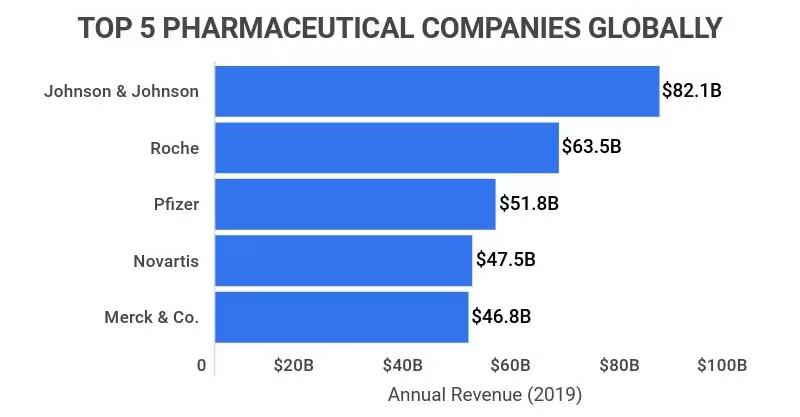
5 Biggest Pharmaceutical Companies
Pharmacist Statistics & Demographics
- 56.8% of all pharmacists are women, and 43.2% are men.
- The most common ethnicity of pharmacists is White (66.2%). That's followed by Asian (18.9%), Black or African American (7.6%), and Hispanic or Latino (4.7%).
- In 2021, women earned 98% of what men earned in the pharmaceutical industry.
- Pharmacists are 65% more likely to work at private companies compared to public companies.
How many pharmacists are there in the U.S?
There are more than 310,574 pharmacists currently employed in the United States.
What percentage of people are pharmacists?
There are more than 310,574 pharmacists currently employed in the United States, and with the U.S. population being 331.9 million, we can estimate that less than 10% of 1% of the entire U.S. population is a pharmacist.
Why are pharmacists declining?
Pharmacist jobs are declining slightly. One probable reason is that as more people fill their orders online or through mail, there will be less demand for pharmacists working in retail pharmacies and drug stores.
Where do pharmacists earn the most?
Pharmacists earn the most in California, where the average pharmacist salary is $161,597.
What is the average age of a pharmacist?
The average age of an employed pharmacist is 42 years old.
Average salary of a pharmacist
The average salary of a pharmacist in 2021 is $128,570 per year, or $61.81 per hour according to the U.S. Bureau Of Labor Statistics.
How much does the pharmaceutical industry make a year?
The U.S. pharmaceutical industry generated over $550 billion in revenue in 2021.
How many pharmaceutical companies are there in the U.S.?
There are over 5,000 pharmaceutical companies in the U.S.
Is the pharmaceutical industry growing?
Yes, the pharmaceutical industry is growing. Experts predict that the global pharmaceutical industry will grow at a CAGR of 7.41%.
Which organizations can approve new drugs?
In the U.S., the only organization that can approve new drugs is the U.S. Food and Drug Administration (FDA), which has different processes for over-the-counter and prescription drugs.
When did the U.S.'s pharmaceutical industry start?
The pharmaceutical industry started during the 19th century with traveling salesmen and shop owners.
Who created the modern U.S. pharmaceutical industry?
Charles Pfizer, Charles Erhardt, and Eli Lilly were scientists who helped create the modern U.S. pharmaceutical industry. They all had a common goal of creating safe and ethical drugs that had the ingredients printed on the label and were distributed across the U.S. by doctors instead of salesmen. These founders had lots of creativity and passion for their work which helped them start this massive industry.
Sources
- https://www.cbo.gov/publication/57126
- https://www.bls.gov/ooh/healthcare/pharmacists.htm
- https://www.statista.com/statistics/238698/us-health-spending-leading-areas/
- https://www.phrma.org/-/media/Project/PhRMA/PhRMA-Org/PhRMA-Org/PDF/D-F/Economic-Impact-US-Biopharmaceutical-Industry-December-2019.pdf
- https://www.zippia.com/pharmacist-jobs/demographics/
Recent News
Related articles

How Many Friends Should You Have And Why? Friendship Statistics
There’s no “right” number of friends you should have, but new friendship statistics shows that most people have between 3 and 5 close friends.

43+ Homeschooling Statistics: Percentage Of Homeschooled Children
3% to 4% of children in the US are homeschooled, according to the most recent homeschooling statistics.

47 E-Learning/Online Learning Statistics
Did you know that e-learning increases retention rates by 25% to 60%?

80 Hospital Statistics, Facts & Demographics
In this roundup of 80 hospital statistics, facts & demographics we’re going to gain valuable insights into the healthcare landscape.

Fortnite Statistics: From Victory Royale to Stats Galore
Dive into Fortnite statistics: from victory royale to player engagement, discover the game's success story.

Facebook Statistics Unveiled
Dive deep into Facebook statistics: user demographics, engagement, financials, and future predictions.

49 Epilepsy Statistics, Prevalence & Demographics
In this roundup of Epilepsy statistics, we will explore some of the most important statistics and facts about epilepsy.

55+ Employee Training Statistics Uncovered
Discover the impact of employee training statistics on business success and employee engagement.

47 Doctor Demographics & Statistics In The U.S.
Find the most up-to-date doctor demographics, statistics, and facts.

33 Dyslexia Statistics & Facts: How Many People Have Dyslexia?
70-80% of people with poor reading skills, are likely dyslexic. Here are the most up-to-date statistics and facts about Dyslexia.

Online/E-Learning Market Size 2023: Surprising Statistics
By the year 2026, the worldwide e-learning industry will be worth $375 billion. Find more online learning market size statistics below.

47 Chiropractic Statistics, Facts & Demographics
New chiropractic statistics show that over 35 million people in the US are treated by chiropractors every year.