








Effective Autism Interventions Using ABA Therapy
Discover ABA therapy and autism interventions that can enhance your child's development and support growth effectively.

%2520(1).avif)
Understanding ABA Therapy
Applied Behavior Analysis (ABA) therapy is a well-established method widely utilized to support children diagnosed with autism. It leverages scientific principles to encourage positive behavior changes, making a real difference in daily living.
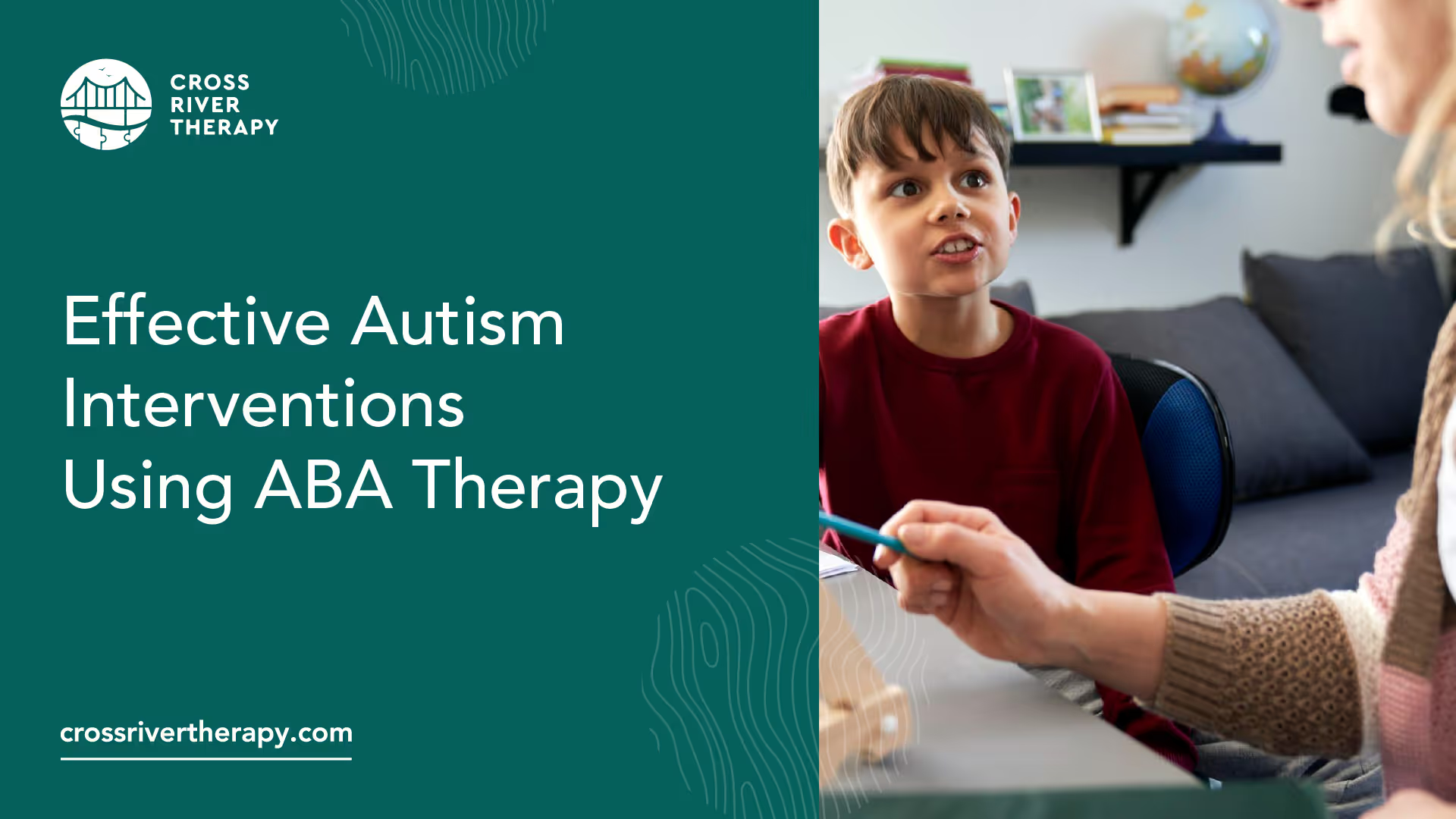
Within ABA, two fundamental components are essential for its success: the core principles of ABA and the significant role of a Board Certified Behavior Analyst (BCBA).
Core Principles of ABA
The core principles of ABA therapy involve a structured approach to behavior modification. This method breaks down complex behaviors into smaller, manageable parts, utilizing various techniques to improve those behaviors over time. Some of the fundamental principles include:
- Reinforcement: This principle involves encouraging desired behaviors by providing a reward. Positive reinforcement adds something the individual enjoys (e.g., praise or treats) to increase the likelihood of repeating the behavior. In contrast, negative reinforcement removes an unpleasant stimulus (e.g., turning off a noise) to encourage the behavior.
- Measurement: ABA emphasizes the importance of tracking behavior to gauge progress. Measuring behavior can reveal patterns, allowing parents and professionals to see what strategies work.
- Data-Driven Decisions: Interventions in ABA are based on data collected during sessions, enhancing effectiveness through modifications tailored to the child's needs.
This evidence-based approach is rooted in scientific research and is adaptable for various settings, making it effective for managing behaviors critical for daily activities, such as interacting with others or developing self-care skills. For more insights into behavior change techniques in ABA, please visit our page on aba therapy and behavior modification.
Role of a Board Certified Behavior Analyst
A Board Certified Behavior Analyst (BCBA) plays a pivotal role in implementing ABA therapy. This trained professional specializes in assessing and analyzing behavior, designing individualized treatment plans, and overseeing the intervention process.
Responsibilities of a BCBA include:
- Conducting thorough assessments to identify behavior issues and needs.
- Developing customized ABA programs in collaboration with the child's family.
- Training parents and other caregivers on intervention strategies.
- Monitoring the child's progress and adjusting interventions as necessary.
The BCBA's expertise ensures that interventions are effective and aligned with the child's unique needs. This personalized approach is critical for fostering positive behavior changes and promoting skill development. For further information on behavioral assessments in ABA therapy, you can visit our section about aba therapy and behavioral assessment.
ABA therapy is a powerful tool for creating lasting improvements in the lives of children with autism. By understanding its core principles and the vital role of BCBAs, parents can feel more empowered in their journey with autism interventions.
Benefits of Early ABA Intervention
Early intervention plays a critical role in the effectiveness of ABA therapy for children diagnosed with autism. Research consistently demonstrates that starting ABA therapy as soon as possible leads to significant improvements in various developmental areas.
Importance of Starting ABA Therapy Early
Initiating ABA therapy before the age of four has been shown to be vital for achieving the best results. Studies indicate that early intervention can greatly enhance developmental outcomes, particularly in social and communication skills, as well as in engaging with peers. According to Autism Parenting Magazine, early therapy provides a strong foundation for effective communication and interaction.
- Before Age 4: Optimal improvements in communication and social skills.
- After Age 4: Decreased effectiveness in skill acquisition.
Growing scientific evidence further supports the idea that early and intensive ABA intervention leads to improved outcomes. Research from the Children's Autism Center shows significant gains in socialization, communication, and expressive language for children receiving ABA therapy.
Developmental Enhancements from Early ABA
Intensive and long-term ABA therapy has proven to enhance various developmental skills in children. More than 20 studies confirm that programs offering 25 to 40 hours of therapy per week for one to three years yield substantial gains in various domains. These include intellectual functioning, language development, daily living skills, and social functioning.
Children starting therapy at a younger age demonstrate notable improvements in adaptive behavior. For instance, a study showed that children with the lowest baseline adaptive levels achieved statistically significant gains of approximately 4.46 points for every 12 months spent in ABA therapy [3].
After 24 months of therapy, 28% of children received a full ABA dose, leading to clinically significant adaptive behavior improvements, even for those with the lowest functioning levels (P=0.02).
For parents seeking effective strategies, leveraging ABA therapy in the early years is vital. This approach not only supports the child's growth but also fosters a better understanding of their capabilities and needs, laying a strong foundation for their future development.
Controversies Surrounding ABA Therapy
Despite its widespread use, ABA therapy has faced a number of criticisms and controversies over the years. These concerns often arise from its historical practices and the ongoing debate about its effectiveness and ethical implications.
Historical Criticisms of ABA
Historically, ABA therapy has been criticized for its reliance on punishments to modify behavior. Early practices included methods that are no longer acceptable, such as electric shocks and physical punishment, which were employed by Ivar Lovaas in his Young Autism Project [4].
Though these extreme tactics have been discontinued, the remnants of this past still linger in public perception.
Critics argue that ABA can sometimes be overly focused on eliminating undesirable behaviors rather than building skills. They believe this approach might not foster long-term development or independence.
Some autistic self-advocates contend that this focus on conformity to neurotypical standards can be unnecessary and counterproductive. They suggest that therapies such as speech and language support may be more beneficial for fostering independence and skills in autistic children.
Concerns have also been raised regarding how ABA therapy might be perceived as repetitive and overly challenging for children, which can lead to frustration [5].
Modern Perspectives on ABA Effectiveness
In contemporary practice, many ABA therapists emphasize positive reinforcement rather than punishment. Modern approaches aim to create enjoyable and engaging learning experiences for children, shifting away from earlier methods that were considered rigid and repetitive.
Pragmatic adaptations in ABA therapy have led to more individualized and child-centered programs. Practitioners now focus on teaching what children should be doing rather than merely what they should not be doing.
Research suggests that when executed ethically and thoughtfully, ABA can be effective in managing symptoms of Autism Spectrum Disorder (ASD).
Many supporters advocate for the benefits of ABA, citing its structured methodology and evidence-based practices. They argue that with the right adaptations, ABA can enhance learning and development for children with autism.
Understanding the varying perspectives on ABA therapy can help parents make informed decisions regarding interventions for their children.
Effectiveness of ABA Interventions
When considering interventions for autism, it is essential for parents to understand the effectiveness of ABA therapy. This section will delve into the efficacy of ABA in managing symptoms of autism spectrum disorder (ASD) and compare ABA with other intervention strategies.
Efficacy of ABA in Managing ASD Symptoms
A comprehensive meta-analysis examined the effectiveness of Applied Behavior Analysis (ABA) interventions for children with ASD. The study involved 14 randomized control trials with 555 participants.
The results revealed significant improvements in specific areas such as socialization, communication, and expressive language, which are critical targets for ABA-based interventions. However, no notable effects were observed for general autism symptoms, receptive language, adaptive behavior, daily living skills, IQ, verbal IQ, nonverbal IQ, and restricted and repetitive behavior [6].
Here's a summary of the significant findings regarding the efficacy of ABA in managing specific symptoms:
Areas of significant improvement:
- Socialization
- Communication
- Expressive Language
Areas with no significant improvement:
- General Autism Symptoms
- Adaptive Behavior
- Daily Living Skills
- IQ (Verbal & Nonverbal)
- Restricted and Repetitive Behavior
Comparison of ABA with Other Interventions
In addition to focusing on the effectiveness of ABA, it is also valuable to compare it with other interventions for autism, such as the Early Start Denver Model (ESDM) and Picture Exchange Communication Systems (PECS). The subgroup analysis demonstrated that both ABA and ESDM exhibited significant differences in effectiveness, particularly in improving socialization, communication, and expressive language skills. However, PECS did not show similar levels of effectiveness in these areas.
ABA:
- Socialization Improvement: Yes
- Communication Improvement: Yes
- Expressive Language Improvement: Yes
Early Start Denver Model (ESDM):
- Socialization Improvement: Yes
- Communication Improvement: Yes
- Expressive Language Improvement: Yes
Picture Exchange Communication Systems (PECS):
- Socialization Improvement: No
- Communication Improvement: No
- Expressive Language Improvement: No
Understanding the effectiveness of ABA therapy and how it compares to other interventions can help parents make informed decisions regarding the best practices for their children's development.
Implementing ABA Therapy
ABA therapy can play a significant role in the lives of individuals diagnosed with autism. It is essential for parents to understand how to effectively implement ABA techniques to maximize the benefits throughout their child's life.
Individualized ABA Programs
One of the most important aspects of ABA therapy is its individualized approach. Each program is tailored specifically to meet the unique needs, skills, preferences, interests, challenges, and family situations of the child involved. There is no one-size-fits-all approach in ABA therapy; rather, plans are created by a qualified Board Certified Behavior Analyst (BCBA).
This customization ensures that the interventions are appropriate and effective.
A typical individualized ABA program may include elements such as:
- Behavioral Goals: Specific, measurable objectives tailored to the child's needs and abilities.
- Strategies: Techniques and practices used to teach new skills and promote positive behaviors.
- Regular Assessments: Ongoing evaluations to track progress and adjust the intervention as needed.
- Family Involvement: Training for family members to implement ABA strategies at home, ensuring consistency and support.
ABA Therapy throughout the Lifespan
ABA therapy is versatile and can be implemented throughout different stages of life. While it is often associated with children, many aspects of ABA can be beneficial for adolescents and adults as well. Adults may utilize ABA principles informally in daily life, helping them to achieve personal goals and increase independence.
As individuals grow older, their needs may change. ABA therapy can help in various areas, including:
Childhood
- Focus: Skill Development
- Description: Emphasis on foundational skills such as communication and socialization.
Adolescence
- Focus: Independence
- Description: Instruction on self-management and coping strategies for various scenarios.
Adulthood
- Focus: Daily Living Skills
- Description: Promoting greater independence through practical application of ABA principles in daily life.
By implementing individualized programs and understanding the role of ABA therapy throughout life stages, parents can support their children's journey towards achieving greater independence and promoting positive behavior changes.
ABA Therapy Research Findings
Research into the efficacy of ABA therapy and autism interventions has provided valuable insights into how these methods can assist children diagnosed with autism spectrum disorder (ASD). In this section, we will explore the results of a significant meta-analysis and the effectiveness of various ABA-based interventions.
Meta-analysis of ABA Interventions
A recent meta-analysis evaluated the effectiveness of interventions grounded in Applied Behavior Analysis (ABA) for managing different symptoms in children with ASD. This comprehensive review included 14 randomized control trials and involved 555 participants.
The analysis revealed that significant improvements were observed in areas such as socialization, communication, and expressive language. However, it found no notable effects on general autism symptoms, receptive language, adaptive behavior, daily living skills, IQ, verbal IQ, nonverbal IQ, or restricted and repetitive behaviors [6].
Socialization
- Results: Significant improvement
- Significance: Yes
Communication
- Results: Significant improvement
- Significance: Yes
Expressive Language
- Results: Significant improvement
- Significance: Yes
General Autism Symptoms
- Results: No significant effect
- Significance: No
Receptive Language
- Results: No significant effect
- Significance: No
Adaptive Behavior
- Results: No significant effect
- Significance: No
Daily Living Skills
- Results: No significant effect
- Significance: No
IQ
- Results: No significant effect
- Significance: No
Restricted and Repetitive Behavior
- Results: No significant effect
- Significance: No
Effectiveness of ABA-Based Interventions
The meta-analysis also included a subgroup analysis comparing ABA interventions with other approaches like the Early Start Denver Model (ESDM) and Picture Exchange Communication Systems (PECS). Results indicated that both ABA and ESDM had significant differences in effectiveness regarding socialization, communication, and expressive language outcomes, highlighting their strengths in these areas. In contrast, the PECS approach did not demonstrate similar effectiveness in these outcomes [6].
ABA (Applied Behavior Analysis)
- Socialization: Significant improvement
- Communication: Significant improvement
- Expressive Language: Significant improvement
Early Start Denver Model (ESDM)
- Socialization: Significant improvement
- Communication: Significant improvement
- Expressive Language: Significant improvement
Picture Exchange Communication Systems (PECS)
- Socialization: No significant improvement
- Communication: No significant improvement
- Expressive Language: No significant improvement
These findings underline the importance of choosing the right approach in ABA therapy for children with autism. Parents seeking effective methods can consider how various interventions may align with their child's specific needs. For more information on different techniques, parents can explore resources on aba therapy and autism therapies or aba therapy and behavioral sciences.
References
[1]: https://vcuautismcenter.org/resources/factsheets/printView.cfm/982
[2]: https://www.autismspeaks.org/applied-behavior-analysis
[3]: https://www.ncbi.nlm.nih.gov/pmc/articles/PMC8702444/
[4]: https://www.ncbi.nlm.nih.gov/pmc/articles/PMC9114057/
[5]: https://childmind.org/article/controversy-around-applied-behavior-analysis/
[6]: https://www.ncbi.nlm.nih.gov/pmc/articles/PMC7265021/
[7]: https://www.autismspeaks.org/blog/questions-and-answers-about-aba
Recent News
Related articles

6 Arkansas Medicaid ABA Therapy Rules Families Need to Know
Arkansas Medicaid ABA therapy has age, diagnosis and approval rules. Families can check six requirements before care.

Arizona Autism Laws Every Parent Should Know Before Starting ABA Therapy
Autism laws Arizona parents should know cover ABA insurance, AHCCCS appeals, IEPs, and Section 504 rights. Check ABA coverage with Cross River.

ABA Therapist Salary in Arkansas: What BCBAs and RBTs Actually Earn in 2026
ABA therapist salary Arkansas figures compare RBT and BCBA rates, benefits, guaranteed hours, and contract terms. Explore careers at Cross River.

5 Autism Support Groups and Family Resources in New Mexico Alongside ABA Therapy
Autism support groups New Mexico families can use offer peer support, local events, and school help. Cross River can explain ABA therapy options.

Where to Get an Autism Evaluation in New Mexico Before Starting ABA Therapy
Autism evaluation New Mexico options include UNM, NMSU, FIT, and private providers. Compare providers, records, and ABA steps with Cross River.

7 North Carolina Autism Resources to Contact Before ABA Therapy Starts
Autism resources North Carolina families can call for diagnosis, early intervention, rights, and parent support. Start ABA intake with Cross River.

Does Indiana Medicaid Cover ABA Therapy? A Step-by-Step Eligibility Checklist for Parents
Medicaid ABA therapy Indiana covers eligible children under 21 with prior authorization. Your five-step coverage review can start with Cross River.
How to Apply for New Mexico’s DD Waiver While Starting ABA Therapy
Autism waiver New Mexico applications need DD Waiver records and proof of daily support needs. Your next step is to start ABA intake with Cross River.

Is ABA Therapy Covered by Insurance in New Jersey? What Every Parent Should Know
ABA therapy insurance New Jersey may cover medically necessary care based on plan type, network, and authorization. Verify benefits with Cross River.

How ABA Therapy Builds Communication for Nonverbal Children Without Forcing Speech
ABA therapy communication for nonverbal children starts with AAC, signs, and daily routines. See how kids ask, refuse, choose, and get help.

How to Start ABA Therapy in New Jersey With a First-Call Checklist
How to start ABA therapy in New Jersey begins with records, insurance details, and intake questions. Use this first-call checklist before you call.

How to Get an Autism Evaluation in Arkansas Before Starting ABA Therapy
How to get an autism evaluation in Arkansas starts with a referral, provider choice, and key records. Use this parent checklist before ABA intake.