








How ABA supports children with limited verbal language
Unlocking Communication: ABA's Role in Empowering Children with Limited Speech


Understanding ABA Therapy and Its Impact
Applied Behavior Analysis (ABA) therapy stands as a scientifically validated and widely recognized treatment approach geared towards enhancing the lives of children with autism spectrum disorder (ASD), particularly those with limited verbal language abilities. By employing evidence-based strategies focused on behavioral change, ABA targets the development of crucial communication, social, and daily living skills while reducing challenging behaviors. This article explores how ABA therapy supports children with limited verbal language, highlighting key techniques, the role of professionals, and measurable outcomes that contribute to meaningful progress and greater independence.
What is Applied Behavior Analysis (ABA) Therapy?

Definition and principles of ABA therapy
Applied Behavior Analysis (ABA) therapy is a scientific approach designed to understand and modify human behavior. It is particularly effective for children with autism spectrum disorder (ASD). ABA focuses on increasing positive behaviors like communication, social skills, and independence, while reducing harmful or disruptive behaviors. This is achieved through systematic assessment and careful observation.
Scientific basis and behavioral techniques
ABA therapy is rooted in psychological principles of behaviorism, using respondent and operant conditioning to change behavior. Techniques like Discrete Trial Training (DTT), Pivotal Response Treatment (PRT), and Natural Environment Training (NET) help teach targeted skills. These methods involve repetition, modeling, prompting, and encouraging desired responses, while identifying and addressing the causes of challenging behavior.
Use of reinforcement and systematic assessment
A cornerstone of ABA is positive reinforcement – rewarding desirable behaviors to increase their frequency. Therapists collect detailed data and continuously measure progress towards specific goals. This data-driven approach ensures each step is evaluated and adjusted for maximum effectiveness. Functional behavior assessments analyze the antecedents and consequences of behavior to tailor interventions.
Individualized treatment planning and ethical standards
ABA treatment plans are highly individualized based on the child’s unique needs and learning style. Programs are led by trained professionals like Board Certified Behavior Analysts (BCBAs) and Registered Behavior Technicians (RBTs). Ethical practice is emphasized, aiming for socially acceptable behaviors while prioritizing the child’s autonomy and emotional well-being. Goals are measurable and designed to promote lasting improvements in a child’s daily functioning and quality of life.
Who Provides ABA Therapy Services?

Who typically provides ABA therapy services?
ABA therapy services are usually delivered by trained and qualified professionals. These include Board Certified Behavior Analysts (BCBAs), who are licensed behavior analysts responsible for designing and overseeing individualized treatment plans. They assess each child's unique needs and continually monitor progress.
Registered Behavior Technicians (RBTs) are often the front-line therapists who work directly with children, implementing ABA interventions under BCBA supervision. RBTs carry out daily therapy sessions, using techniques and goals established by the BCBA.
Specialized ABA therapy companies employ these certified professionals and ensure proper training and supervision to maintain high-quality service. These organizations tailor programs to support both children and adults with autism spectrum disorder and other behavioral challenges.
Family collaboration is a vital component as well. Parents and caregivers work closely with therapists to reinforce learned skills during daily routines, making therapy more consistent and effective. This teamwork helps create supportive learning environments across home and community settings, fostering skill generalization and independence.
Core Techniques in ABA Therapy for Enhancing Communication
What are the main ABA techniques used to improve communication?
ABA therapy employs several specialized methods tailored to enhance communication skills in children with autism, both verbal and non-verbal. Here are the principal techniques:
Discrete Trial Training (DTT): This highly structured method breaks down skills into small, manageable steps. Each trial consists of an instruction, the child's response, and a consequence. DTT uses clear prompts and positive reinforcement to teach verbal imitation and language skills effectively.
Natural Environment Teaching (NET): NET leverages the child’s everyday surroundings and routines to promote communication. Rather than working at a table, therapists create natural opportunities, encouraging spontaneous requests and conversations to build practical and social language.
Pivotal Response Training (PRT): PRT focuses on pivotal areas like motivation and responsivity to multiple cues. It uses child interests to drive communication attempts, making learning engaging and improving overall language and social skills.
Picture Exchange Communication System (PECS): PECS is specially designed for non-verbal children. It enables them to exchange pictures to request items or express needs, bridging gaps when speech is absent or limited.
Use of Sign Language, AAC Devices, Gestures, and Vocalizations: For children who struggle with verbal speech, ABA integrates alternative communication methods like sign language, augmentative and alternative communication (AAC) devices, as well as natural gestures and vocal sounds. These tools expand the child's means to interact and express themselves.
These techniques are often combined into a personalized program to suit the child’s unique communication needs. By incorporating structured teaching along with naturalistic opportunities, ABA therapy fosters meaningful communication progress.
How do these methods help non-verbal children?
Non-verbal children benefit notably from PECS and AAC devices, which create accessible communication pathways. Sign language and gestures are systematically taught and reinforced using ABA principles to ensure acquisition and generalization. This comprehensive approach supports children in developing effective and functional communication beyond verbal speech alone.
How ABA Therapy Supports Communication Development in Non-Verbal Children
Alternative communication methods within ABA
Applied Behavior Analysis (ABA) therapy uses various alternative communication methods tailored for non-verbal children with autism. These methods aim to provide functional means for expressing needs and emotions, helping children participate more fully in social interactions.
PECS and other augmentative communication strategies
One widely used augmentative communication system in ABA is the Picture Exchange Communication System (PECS). It allows children to communicate by exchanging pictures to make requests or comment on their environment. Alongside PECS, ABA incorporates sign language, vocalizations, gestures, and augmentative and alternative communication (AAC) devices. These tools help children develop meaningful communication pathways suited to their individual abilities.
Teaching requesting and functional communication
ABA emphasizes teaching children how to make requests effectively to meet their needs. This is accomplished through structured techniques such as natural opportunities for requesting, modeling, and prompting within daily routines. Reinforcing functional communication helps reduce frustration and challenging behaviors by offering suitable alternatives.
Promoting verbal imitation and vocalizations
Even non-verbal children in ABA therapy are encouraged to develop vocal imitation skills. Activities designed to foster verbal attempts include verbal imitation practices and shaping vocalizations over time. These exercises are integrated carefully into a child’s therapy program to support gradual progress toward speech development when possible.
Through these strategies, ABA therapy equips non-verbal children with meaningful communication skills, enhancing their ability to interact, express themselves, and engage with the world around them effectively.
Typical Structure of an ABA Therapy Session

What does an ABA therapy session usually involve?
An ABA therapy session typically combines both structured and naturalistic teaching methods to support a child’s development. Structured activities like Discrete Trial Training (DTT) focus on targeted skill acquisition through repeated, focused practice. Alongside this, Natural Environment Teaching (NET) is used to encourage the child to apply skills in everyday situations, creating more meaningful and relevant learning opportunities.
How is positive reinforcement and motivation used?
Therapists employ positive reinforcement extensively to encourage desired behaviors. This includes verbal praise, tangible rewards such as toys or snacks, and allowing access to preferred activities. These motivators help maintain a child’s engagement and increase the likelihood of skill retention.
How is data collection and progress tracking implemented?
Data collection is integral to ABA sessions. Registered Behavior Technicians and Behavior Analysts systematically record the child’s responses and progress. This information helps tailor interventions by pinpointing what strategies are effective and where modifications are needed to maximize learning outcomes.
What role does parental involvement and home reinforcement play?
Parental participation is crucial for generalizing skills learned during therapy to home and community settings. Parents receive training to reinforce techniques and positive behaviors throughout daily routines. This collaborative approach between therapists and families ensures consistency and broadens the child's opportunities for success beyond the therapy room.
Benefits of ABA Therapy for Children with Limited Verbal Language
How does ABA therapy benefit individuals with autism?
ABA therapy benefits individuals with autism by promoting the development of essential skills such as communication, social interaction, and academic abilities through personalized, structured interventions. It emphasizes positive reinforcement and environmental understanding to increase helpful behaviors and reduce problematic ones, thereby improving overall functioning. The therapy can be tailored to each child's unique needs and delivered in various settings like home, school, or community. Evidence from numerous studies supports its effectiveness in enhancing socialization, language, and adaptive behaviors, especially when implemented early and intensively. Additionally, ABA helps children acquire practical life skills, manage emotions, and foster independence, supporting greater inclusion and participation in everyday life.
Enhancement of communication and language skills
ABA therapy specifically targets communication by using techniques such as picture exchange systems (PECS), verbal imitation activities, and natural opportunities for requesting. For children who are non-verbal or have limited verbal language, ABA incorporates alternative communication methods like sign language, gestures, vocalizations, and augmentative and alternative communication (AAC) devices. Structured methods like Discrete Trial Training (DTT) and Natural Environment Teaching (NET) reinforce these skills, making learning functional and relevant.
Development of social skills and emotional regulation
ABA helps children improve social skills by encouraging eye contact, turn-taking, understanding emotions, and developing friendships. Natural environment training is often used to make social learning more meaningful. Furthermore, ABA teaches emotional regulation by guiding children to identify emotions, use calming techniques, and respond appropriately to various emotional situations, fostering better self-control and social engagement.
Reduction of challenging behaviors
An important aspect of ABA therapy is addressing challenging behaviors by identifying their underlying causes. Therapists work to replace problematic behaviors with more functional and socially acceptable skills through positive reinforcement and tailored strategies. This approach not only reduces disruptive behaviors but also supports better overall adjustment.
Building independence and daily living skills
ABA supports the development of independence by teaching daily living skills such as personal hygiene, household tasks, and adaptive routines. These skills help children become more self-sufficient and better prepared for everyday life demands.
Academic and cognitive improvements
Through personalized strategies, visual supports, and positive reinforcement, ABA enhances academic and cognitive skills. Children benefit from individualized goals and consistent practice, which improve learning outcomes across various educational domains.
| Area of Benefit | ABA Techniques Used | Description |
|---|---|---|
| Communication & Language | PECS, DTT, NET, AAC devices | Enhances verbal and alternative communication methods |
| Social Skills & Emotional | Natural Environment Training, emotional regulation strategies | Develops social interaction and emotion management skills |
| Challenging Behaviors | Functional behavior assessment, positive reinforcement | Reduces problematic behaviors by addressing causes |
| Independence & Daily Living | Task analysis, adaptive routines | Builds self-care and daily functional skills |
| Academic & Cognitive Skills | Visual supports, personalized reinforcement strategies | Improves learning and cognitive functioning |
Early Intensive ABA Intervention and Long-Term Outcomes
Why is early intervention with ABA important?
Early intervention with ABA therapy is crucial because it targets developmental challenges in children with autism at a young age when their brains are most adaptable. Intensive programs introduced early can shape communication, social, and adaptive skills more effectively than later interventions. This early start helps build foundational skills that children will continue to develop throughout life.
What long-term improvements does early intensive ABA therapy support?
Research shows that children receiving early intensive ABA intervention experience significant long-term gains. These improvements include enhanced intellectual functioning, meaning children develop stronger cognitive skills. Language skills, both verbal and alternative communication methods, also improve, enabling more effective interaction with others. These advancements provide a solid base for learning and social participation.
How does early ABA impact adaptive behaviors and independence?
Early ABA therapies encourage the development of adaptive behaviors critical for daily living. This includes personal hygiene, household tasks, and routines that foster independence. The therapy helps children learn to manage emotions and social interactions, preparing them for real-world environments. Sustained practice through structured ABA methods ensures these skills are retained, promoting lifelong independence and improved quality of life.
Measuring the Effectiveness of ABA Therapy
Role of data collection and behavioral measurement
ABA therapy relies heavily on systematic data collection to measure its effectiveness. Therapists track observable behavior changes and skill acquisition through detailed, ongoing recording of a child's responses and progress. This data-driven approach ensures that interventions can be adjusted in real time to meet the child’s individual needs effectively.
Use of standardized tools and assessments
To evaluate improvements reliably, several standardized assessment tools are used within ABA programs. Instruments like the Vineland Adaptive Behavior Scales (Vineland-3), Verbal Behavior Milestones Assessment and Placement Program (VB-MAPP), and Early Functional Living (EFL) assessments provide measurable benchmarks in areas such as communication, social skills, and adaptive behavior. These tools offer objective snapshots of progress over time.
Empirically supported outcome measures
Researchers have developed empirically validated tools like the Patient Outcome Planning Calculator (POP-C) to quantify therapy dosage and optimize treatment plans. Meta-analyses of ABA interventions have demonstrated statistically significant enhancements in intellectual functioning, language development, and adaptive skills, confirming the therapy's measurable benefits.
Importance of individualized progress tracking
Each child’s program is uniquely tailored with specific, measurable goals. Individualized progress tracking, supported by frequent data collection and analysis, allows ABA practitioners to monitor the effectiveness of interventions precisely. This systematic approach ensures therapy remains aligned with the child’s evolving needs, increasing the likelihood of meaningful outcomes.
| Measurement Aspect | Description | Examples/Tools |
|---|---|---|
| Behavioral Data Collection | Continuous recording of observable behaviors and skills | Session logs, frequency counts, duration |
| Standardized Assessments | Structured evaluations to benchmark progress | Vineland-3, VB-MAPP, EFL |
| Outcome Measurement Tools | Empirically supported methods to quantify treatment effects | POP-C, meta-analytic studies |
| Individualized Progress Tracking | Personalized goal setting and regular progress reviews | Customized treatment plans, data sheets |
Collaboration Between ABA Therapists and Speech-Language Pathologists
Synergistic Relationship to Enhance Communication
Applied Behavior Analysis (ABA) and speech-language therapy often work hand in hand to support children with autism in developing effective communication skills. ABA provides a highly structured, data-driven approach that establishes reliable learning environments. This structure complements speech therapy's focus on naturalistic communication, helping children transfer skills learned during therapy into everyday interactions.
Use of ABA Techniques to Support Speech Therapy Goals
Speech-language pathologists incorporate ABA strategies such as modeling, prompting, and positive reinforcement to elicit and strengthen communication behaviors. Utilizing ABA's systematic methods—like discrete trial training and natural environment teaching—speech therapists can teach skills such as commenting, requesting, and giving directives across different settings. This methodical approach enhances the efficiency and clarity of speech interventions.
Importance of Coordinated Individualized Plans
Effective communication development depends on collaboration and coordinated planning between ABA practitioners and speech-language pathologists. Developing individualized intervention plans tailored to each child's unique learning needs ensures consistency and maximizes therapeutic outcomes. Jointly setting measurable goals and regularly assessing progress helps maintain accountability while fostering meaningful improvements in communication and social skills.
Parental Involvement and Learning Reinforcement at Home
What is the parents' role in reinforcing communication skills?
Parents play a vital role in strengthening the communication skills their children develop through ABA therapy. By integrating learned techniques into everyday interactions, they provide consistent practice opportunities that help the child generalize skills beyond therapy sessions. Positive reinforcement from parents encourages motivation and builds confidence in using new communication methods like verbal speech, gestures, or alternative communication devices.
How are parents trained to apply ABA techniques?
ABA practitioners often train parents to use specific strategies such as prompting, modeling, and reinforcement effectively at home. This training equips parents with the tools to recognize and respond to their child's communication attempts, ensuring that therapeutic techniques continue seamlessly outside formal sessions. The collaboration fosters a more supportive learning environment and helps maintain high fidelity in implementing ABA programs.
Why is consistency important for generalization of learned behaviors?
Consistency in applying ABA techniques across home and therapy settings is crucial for children to transfer communication skills to real-world situations. It helps solidify learning by providing predictable routines and frequent opportunities for practice. When parents reinforce behaviors as therapists do, children experience fewer learning barriers and achieve greater independence in communication and social interactions.
Ethical Considerations and Controversies Surrounding ABA
What was the historical use of aversive techniques in ABA and how has the approach evolved?
Originally, some ABA practices involved aversive techniques to change behaviors, notably in early work by Ivar Lovaas. These methods used unpleasant stimuli to reduce undesirable behaviors. However, modern ABA has shifted dramatically, emphasizing positive reinforcement while minimizing or eliminating aversive approaches. Today, the focus is on encouraging desired behaviors through rewarding strategies, promoting a more humane and supportive environment for children.
What critiques has ABA faced from the neurodiversity movement?
The neurodiversity movement has raised important criticisms of ABA, primarily targeting its traditional focus on normalization. Critics argue that ABA can sometimes overlook autistic individuals' unique identities and autonomy. Concerns also include potential ethical issues such as the risk of trauma and coercion when the therapy prioritizes changing behaviors to fit societal norms rather than embracing neurodiverse perspectives. These critiques have sparked ongoing discussions about balancing effective interventions with respect for individuality.
How are ethical, respectful, and effective interventions being ensured in contemporary ABA?
In response to critiques, practitioners and researchers are working to ensure ABA therapy is ethical, respectful, and effective. This includes developing individualized programs that honor the child's preferences and dignity. Emphasis is placed on positive reinforcement and collaboration with families to create supportive environments. Additionally, there is increased focus on rigorous data collection and transparency to monitor outcomes responsibly. Continued dialogue and research aim to refine ABA methods that promote wellbeing and respect for neurodivergent individuals.
Summarizing ABA’s Vital Support for Non-Verbal Children
Applied Behavior Analysis therapy stands as a cornerstone for supporting children with limited verbal language, offering a structured, evidence-based path to fostering communication and functional skills. Through collaborative efforts among trained professionals, families, and allied therapists, ABA targets individualized needs using diverse and adaptive techniques tailored to promote communication, social interaction, emotional regulation, and independence. Early and intensive ABA intervention shows promise for long-term developmental gains, while ongoing measurement ensures effective progress tracking. Despite some ethical debates, contemporary ABA practice prioritizes respect, positive reinforcement, and empowerment, making it a powerful tool in enhancing quality of life for children with autism who face challenges with verbal communication.
References
- Top 7 Benefits Of ABA Therapy For Autistic Children
- How ABA therapy Dubai Builds Communication
- Applied behavior analysis
- Applied Behavior Analysis in Speech-Language Therapy
- A Tool for Determining Treatment Dosage in Applied Behavior ...
- The effectiveness of applied behavior analytic interventions ...
- What Is The Best ABA Session Structure?
- What Does a Typical ABA Therapy Session Look Like?
- What to Expect in a Typical Day of ABA Therapy for Children
- Typical ABA Therapy Session Structure: What to Expect
Recent News
Related articles

6 Arkansas Medicaid ABA Therapy Rules Families Need to Know
Arkansas Medicaid ABA therapy has age, diagnosis and approval rules. Families can check six requirements before care.
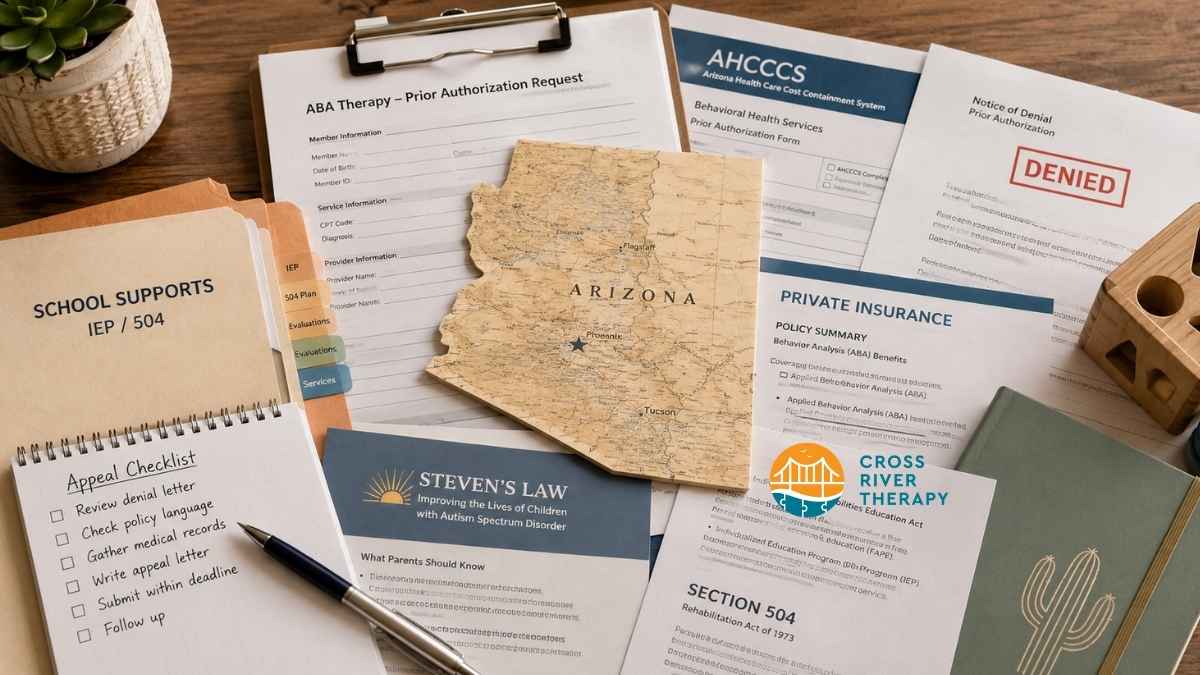
Arizona Autism Laws for ABA Coverage and School Rights
Arizona autism laws for ABA coverage vary by plan. Families can check insurance, appeal options, and school rights.

ABA Therapist Salary in Arkansas for RBTs and BCBAs
Compare ABA therapist salary in Arkansas by role. See how paid hours and benefits affect earnings before applying.

5 Autism Support Groups and Family Resources in New Mexico
Autism support groups in New Mexico connect families. Local resources offer events, parent support, and school help.

Where to Get an Autism Evaluation in New Mexico
Autism evaluation options in New Mexico include UNM and NMSU. Age and referral details help parents prepare.

7 North Carolina Autism Resources to Contact Before ABA Therapy Starts
Autism resources North Carolina families can call for diagnosis, early intervention, rights, and parent support. Start ABA intake with Cross River.

Does Indiana Medicaid Cover ABA Therapy? A Parent Checklist
Indiana Medicaid ABA therapy may cover care for eligible children. The checklist covers coaching and renewals.

How to Apply for the New Mexico DD Waiver
Your NM DD waiver application starts with state intake. The steps cover records, submission, and enrollment.

Does Insurance Cover ABA Therapy in New Jersey?
ABA therapy insurance in New Jersey varies by plan. Learn what NJ FamilyCare covers and how to check costs.

How ABA Therapy Builds Communication for Nonverbal Children Without Forcing Speech
ABA therapy communication for nonverbal children starts with AAC, signs, and daily routines. See how kids ask, refuse, choose, and get help.

How to Start ABA Therapy in New Jersey With a Checklist
Your guide explains how to start ABA therapy in New Jersey. A first-call checklist covers records and next steps.

How to Get an Autism Evaluation in Arkansas Before Starting ABA Therapy
How to get an autism evaluation in Arkansas starts with a referral, provider choice, and key records. Use this parent checklist before ABA intake.