








Autism Treatment Centers with ABA Therapy
Discover ABA therapy and autism treatment centers that foster growth in social skills and communication!


Understanding ABA Therapy
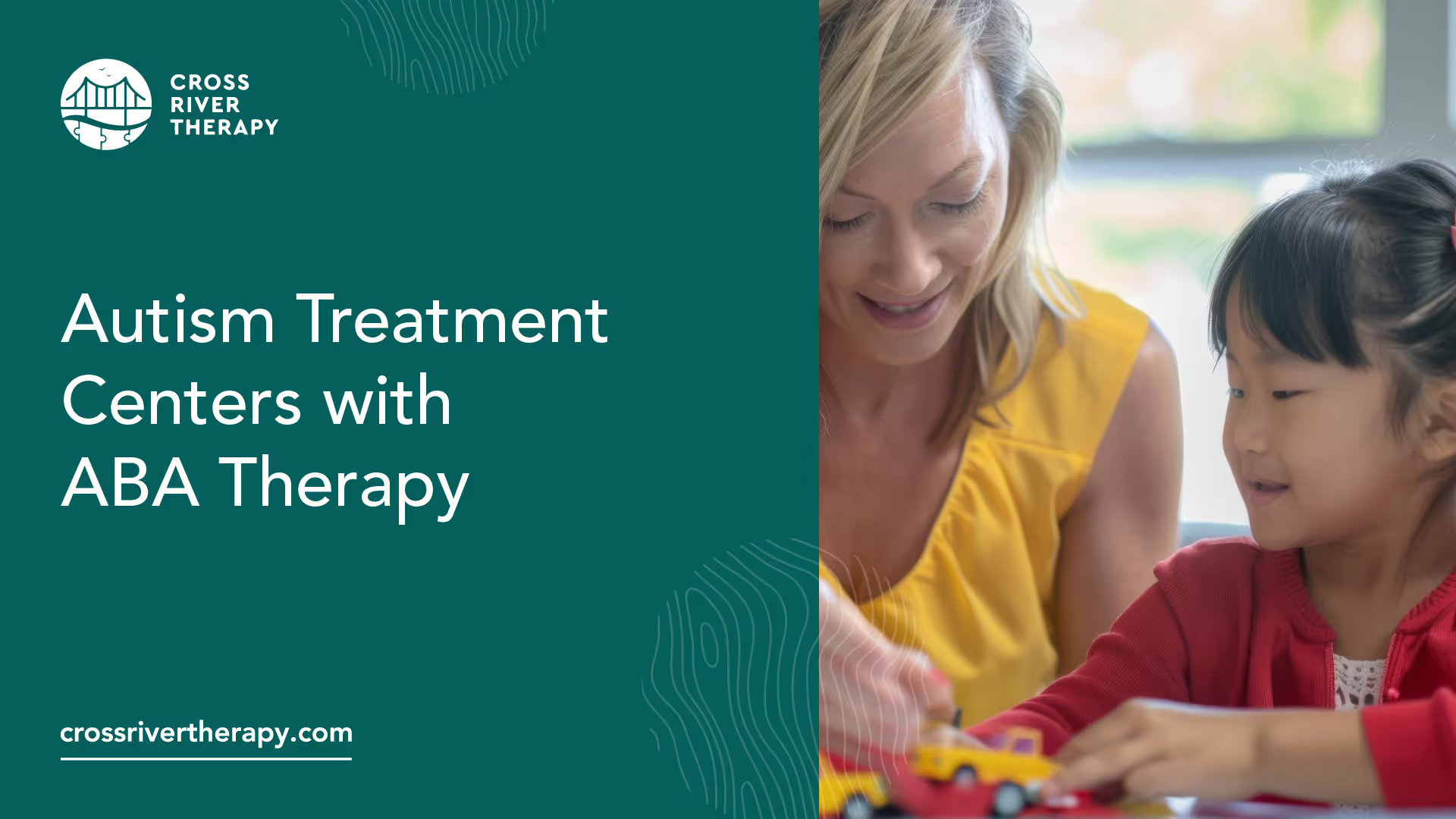
ABA therapy, or Applied Behavior Analysis, has been a foundational approach for helping children with autism and related developmental disorders since the 1960s [1]. This therapy focuses on modifying behavior through a systematic approach to learning.
Introduction to ABA Therapy
ABA therapy aims to improve specific behaviors and skill sets through reinforcement strategies. It is an evidence-based practice, recognized by reputable organizations like the US Surgeon General and the American Psychological Association for its effectiveness in treating individuals with autism [1].
Understanding ABA therapy involves recognizing its purpose. The therapy not only helps children learn new skills but also reduces behaviors that may hinder their daily life and interactions.
ABA techniques can considerably enhance a child's development when administered appropriately. Programs typically involve 25 to 40 hours of therapy each week, over a period of 1 to 3 years, showing significant gains in various areas, including intellectual functioning, language development, daily living skills, and social interaction.
Key Components of ABA
The core principles of ABA therapy revolve around the behavior analysis framework, focusing primarily on two aspects: antecedents and consequences. Understanding these components is essential for parents seeking effective approaches to support their children's development.
A Board-Certified Behavior Analyst (BCBA) oversees the administration of ABA therapy, ensuring it aligns with scientific methods and individual goals. Programs also utilize trained therapists known as Registered Behavior Technicians (RBTs), who work directly with children under the supervision of the BCBA.
By understanding ABA therapy and its key components, parents can better prepare for their child's development journey, laying the groundwork for a successful path forward in managing autism.
Benefits of ABA Therapy
ABA therapy provides numerous benefits for children diagnosed with autism. By focusing on specific skills and behaviors, parents can help their children improve in key areas such as social interaction and communication.
Improvements in Social Skills
One of the notable benefits of ABA therapy is the enhancement of social skills in children with autism. Research indicates that through intensive and tailored ABA programs, many children can achieve significant improvements in how they interact with peers, navigate social situations, and build relationships.
- Study: Meta-analysis of 29 studies
- Participants: 831 children diagnosed with ASD
- Findings: Moderate to very effective improvements in socialization skills
Children who engage in ABA therapy often learn to recognize social cues, initiate conversations, and respond appropriately in various social contexts. These improvements can lead to better peer relationships and increased participation in group activities.
Enhancements in Communication
Communication is another critical area where ABA therapy demonstrates effectiveness. Many studies show that children receiving ABA-based interventions have made substantial gains in both expressive and receptive language skills. This includes improvements in their ability to understand and express their needs, participate in discussions, and articulate thoughts clearly.
- Study: Clinical records analysis
- Participants: 313 children aged 3-12 years
- Findings: Moderate to very effective improvements in communication skills
The data from various studies suggest that with as much as 25 to 40 hours of therapy each week over 1 to 3 years, children can develop vital language skills, allowing them to communicate their needs more effectively [3]. This enhancement in communication not only aids children in academic settings but also contributes to their overall confidence and social interactions.
Parents considering ABA therapy for their child should be encouraged by the potential for growth in social skills and communication abilities, as these are integral components of their development.
ABA Therapy Process
In the world of ABA therapy, a structured approach is taken to ensure effective treatment for children with autism. This process involves skilled professionals who play crucial roles in delivering quality services.
Role of Board-Certified Behavior Analysts (BCBAs)
A board-certified behavior analyst (BCBA) serves as the primary provider of ABA therapy services. They are responsible for designing personalized therapy programs that suit the individual needs of each child diagnosed with autism. These analysts create specific goals tailored to the child’s strengths and challenges, ensuring that the therapy is focused and effective.
BCBAs not only develop the treatment plans but also oversee their implementation. They provide ongoing supervision and guidance to the therapy team, ensuring the fidelity of treatment plans and maintaining high-quality service delivery. The involvement of BCBAs is crucial for achieving the best outcomes in ABA therapy, as they bring extensive training in behavior analysis and child development.
Involvement of Registered Behavior Technicians (RBTs)
Registered behavior technicians (RBTs) are essential in executing the ABA treatment plans developed by BCBAs. They work directly with children, helping them practice skills outlined in the therapy programs. RBTs receive training to implement various behavioral interventions effectively, ensuring that the therapy goals set forth by the BCBA are met.
RBTs play a significant role in the day-to-day application of ABA techniques, engaging children in activities designed to encourage learning and behavioral improvement. RBTs operate under the close supervision of BCBAs, who offer guidance and support to ensure that the interventions are being implemented correctly and effectively.
The collaboration between BCBAs and RBTs is vital for the success of ABA therapy. This teamwork enables children to receive comprehensive and coordinated care. Parents looking for the best resources can explore options related to ABA therapy and autism treatment centers and consider how these professionals contribute to positive outcomes in their child's development.
ABA Therapy Coverage
Navigating the financial aspects of ABA therapy is crucial for parents seeking treatment for their children diagnosed with autism. Understanding insurance coverage can relieve some of the worries associated with therapy expenses. Here, we explore both private health insurance coverage and Medicaid coverage for ABA therapy.
Private Health Insurance Coverage
Many types of private health insurance plans are required to cover ABA services, although the specifics can vary based on the insurance provider and the state of residence. Coverage often depends on whether the therapy is deemed medically necessary.
Employer-Sponsored Plans
- Coverage Details: Most plans will cover ABA therapy, but it’s essential to check the specific terms and conditions.
Individual Health Plans
- Coverage Details: Coverage may differ; parents should inquire directly with the insurer.
High-Deductible Plans
- Coverage Details: May require significant out-of-pocket expenses before coverage begins, so understanding the deductible is important.
Medicaid Coverage for ABA
Medicaid plans are designed to ensure that medically necessary treatments are accessible, particularly for children. Current regulations stipulate that Medicaid must cover ABA treatments that fulfill medical necessity criteria for children under the age of 21, provided they are prescribed by a doctor.
State Medicaid Programs
- Coverage Details: All states must offer ABA services for eligible children, but coverage specifics might vary.
Managed Care Plans
- Coverage Details: Often include ABA therapy as part of their benefits, but parents should verify their state’s policies.
Effectiveness of ABA Therapy
The effectiveness of ABA therapy has been a hot topic in discussions about autism treatment. Many studies and research findings highlight how beneficial this therapy can be for children diagnosed with autism.
Scientific Backing of ABA Therapy
ABA therapy is recognized as an evidence-based best practice treatment by both the US Surgeon General and the American Psychological Association. This means it has undergone scientific scrutiny and has proven to be useful and effective for many children with autism. More than 20 studies indicate that intensive and long-term therapy using ABA principles can lead to significant improvements in various areas such as intellectual functioning, language development, daily living skills, and social functioning .
A comprehensive meta-analysis involving 29 studies found that ABA programs are moderately to highly effective in enhancing several skills, including:
Area of improvement and effectiveness:
- Intellectual Abilities: Moderate to High
- Communication Skills: Moderate to High
- Expressive Language Skills: Moderate to High
- Receptive Language Skills: Moderate to High
- IQ Scores: Moderate to High
- Adaptive Behavior: Moderate to High
- Socialization: Moderate to High
- Daily Living Skills: Moderate to High
Significant amounts of research show that around 40-50% of children with autism may learn enough to transition back to mainstream classrooms when involved in high-quality, intensive, and evidence-based interventions early in life NCBI.
Outcomes and Success Rates
Outcomes of ABA therapy vary, but they consistently show positive results. Programs providing 25 to 40 hours of ABA therapy weekly over 1 to 3 years have demonstrated notable gains in various aspects of child development Autism Speaks. The focus of ABA therapy on antecedents and consequences helps build better understanding and modifying behaviors, which are particularly beneficial for children with Autism Spectrum Disorder (ASD).
Children involved in ABA programs typically experience improvements in:
- Social skills
- Language communication
- Daily living and adaptive skills
The robust evidence supporting ABA therapy underscores its importance in fostering healthier development paths for children on the autism spectrum.
Becoming an ABA Therapist
For parents interested in the field of ABA therapy, understanding how to become a qualified ABA therapist is essential. This section outlines the education and training requirements, certification options, and career opportunities available for those pursuing this rewarding profession.
Education and Training Requirements
To become an ABA therapist, individuals typically need a bachelor's degree in psychology, education, or a related field. A degree in psychology is particularly beneficial, as it provides a solid foundation in behaviorism principles, which are integral to ABA therapy [5]. Individuals who wish to advance their careers may pursue a master's degree, which is required for some certification options.
The time to complete the education and training to become an ABA therapist can range from two to six years, depending on the individual's educational path and career goals. Below is a table summarizing the educational requirements based on certification levels:
Registered Behavior Technician (RBT):
- Education Requirement: Bachelor's degree in psychology, education, or a related field
- Alternative: None required
Board Certified Behavior Analyst (BCBA):
- Education Requirement: Master's degree
- Additional Requirement: Completion of Verified Course Sequence (VCS)
Certification Options and Career Opportunities
To become a certified ABA therapist, individuals must complete a certification program approved by the Behavior Analyst Certification Board (BACB). The most common certification options include Registered Behavior Technician (RBT) and Board Certified Behavior Analyst (BCBA). Each of these certifications has specific requirements regarding education, training, and examination.
RBT certification typically costs between $400 to $2,000, while BCBA certification programs can exceed $10,000. However, potential financial incentives such as scholarships, grants, and tuition reimbursement from some employers can help offset these costs.
With certification as an ABA therapist, career opportunities are plentiful. Many professionals work in various settings, including:
- ABA therapy and child development centers
- Schools and educational institutions
- Private practice or consultation
- Research and academic positions
The average annual salary for Applied Behavior Analysts with BCBA certification is about $102,900 as of 2021 [6]. These numbers demonstrate the potential for a rewarding career, aligning well with the opportunities to make a positive difference in the lives of children diagnosed with autism.
References
[1]: https://www.autismspeaks.org/applied-behavior-analysis
[2]: https://behavioral-innovations.com/autism-101/what-is-aba/
Recent News
Related articles

6 Arkansas Medicaid ABA Therapy Rules Families Need to Know
Arkansas Medicaid ABA therapy has age, diagnosis and approval rules. Families can check six requirements before care.
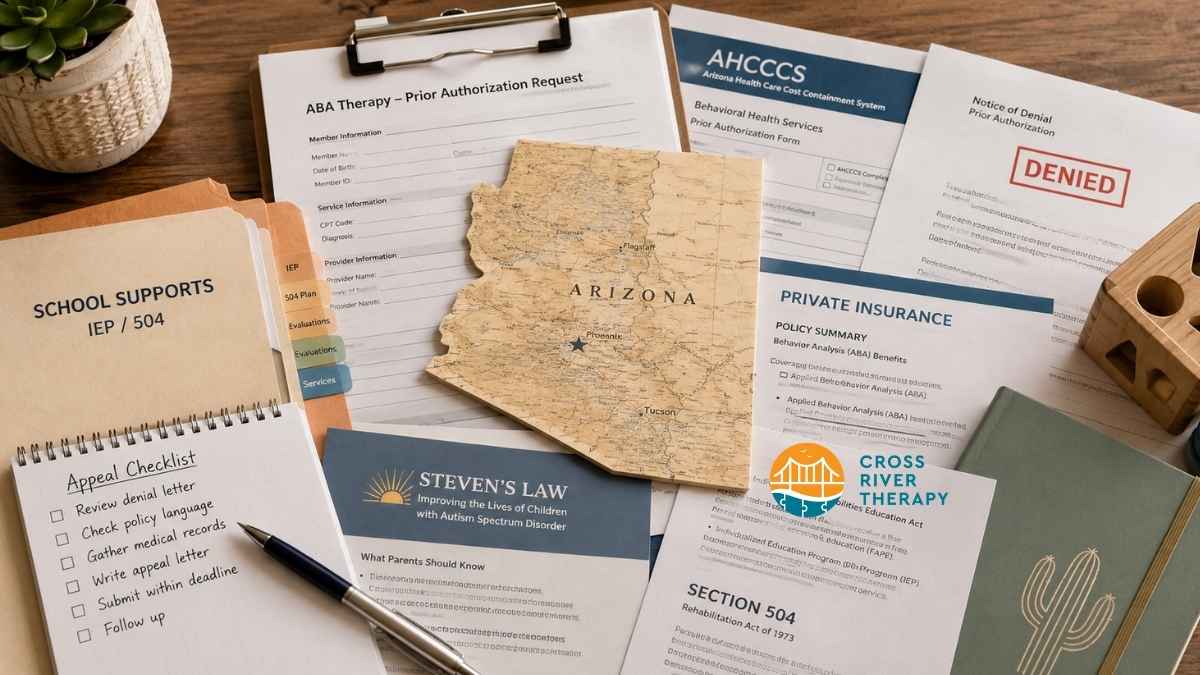
Arizona Autism Laws for ABA Coverage and School Rights
Arizona autism laws for ABA coverage vary by plan. Families can check insurance, appeal options, and school rights.

ABA Therapist Salary in Arkansas for RBTs and BCBAs
Compare ABA therapist salary in Arkansas by role. See how paid hours and benefits affect earnings before applying.

5 Autism Support Groups and Family Resources in New Mexico
Autism support groups in New Mexico connect families. Local resources offer events, parent support, and school help.

Where to Get an Autism Evaluation in New Mexico
Autism evaluation options in New Mexico include UNM and NMSU. Age and referral details help parents prepare.

7 North Carolina Autism Resources to Contact Before ABA Therapy Starts
Autism resources North Carolina families can call for diagnosis, early intervention, rights, and parent support. Start ABA intake with Cross River.

Does Indiana Medicaid Cover ABA Therapy? A Parent Checklist
Indiana Medicaid ABA therapy may cover care for eligible children. The checklist covers coaching and renewals.

How to Apply for the New Mexico DD Waiver
Your NM DD waiver application starts with state intake. The steps cover records, submission, and enrollment.

Does Insurance Cover ABA Therapy in New Jersey?
ABA therapy insurance in New Jersey varies by plan. Learn what NJ FamilyCare covers and how to check costs.

How ABA Therapy Builds Communication for Nonverbal Children Without Forcing Speech
ABA therapy communication for nonverbal children starts with AAC, signs, and daily routines. See how kids ask, refuse, choose, and get help.

How to Start ABA Therapy in New Jersey With a Checklist
Your guide explains how to start ABA therapy in New Jersey. A first-call checklist covers records and next steps.

How to Get an Autism Evaluation in Arkansas Before Starting ABA Therapy
How to get an autism evaluation in Arkansas starts with a referral, provider choice, and key records. Use this parent checklist before ABA intake.