








ABA Therapy and Inclusive Education
ABA therapy enhances inclusive education by improving social skills and academic engagement in mainstream classroom settings.


Understanding ABA Therapy
Supporting individuals with autism spectrum disorder (ASD) can be a game-changer, and that's where ABA therapy steps in. ABA, or Applied Behavior Analysis, is all about understanding and tweaking behavior using proven techniques.
In schools, ABA therapy can make a world of difference for students with ASD, boosting their learning and helping them fit in better.
Why Early Intervention Matters?
Starting ABA therapy early is like planting seeds in a garden—you see the best growth. Research shows that the sooner kids with ASD get ABA therapy, the better they do in the long run. Early ABA can help ease or even prevent some of the challenges that come with ASD.
By jumping in early, kids get the focused help they need to develop skills and improve their overall well-being.
ABA Therapy in Schools

Bringing ABA therapy into schools can be a game-changer for students with ASD. It’s been shown to improve behavior, learning, social skills, and communication. And it’s not just for ASD—kids with ADHD and PTSD can benefit too.
When teachers use ABA strategies, everyone wins. The goal is to improve important behaviors, communication, social skills, and learning, all backed by solid research [3].
By focusing on specific behaviors and giving personalized support, ABA therapy helps students with ASD thrive academically and socially, making it easier for them to join in regular classroom activities.
In short, knowing how early intervention and ABA therapy can impact education is crucial for parents and teachers. Recognizing the benefits of ABA therapy can help create supportive and inclusive classrooms that meet each student's unique needs.
.ABA therapy offers a way to help students with ASD grow, develop, and reach their full potential.
Bringing ABA to Schools: A Team Effort
Getting Applied Behavior Analysis (ABA) therapy into schools takes a village. It’s all about teamwork between teachers, ABA therapists, parents, and sometimes even the students. Let’s break down how to make this happen and tackle the money issues that come with it.
Teamwork Makes the Dream Work
For ABA to work in schools, everyone needs to be on the same page. Here are a few ways to make that happen:
- Consultative Model: Here, ABA therapists act like coaches for the teachers. They give tips and tricks on how to use ABA methods in the classroom. Regular chats between the therapist and teachers are key to making this work.
- Co-Teaching Model: Think of this as tag-teaming. ABA therapists and teachers work side by side in the classroom. They plan and run ABA activities together, making sure they fit into the regular school stuff. This way, both students and teachers get real-time help and support.
- Interdisciplinary Team Model: This is the all-hands-on-deck approach. A team of teachers, ABA therapists, speech therapists, occupational therapists, and others come together to create personalized education plans (IEPs) and use ABA strategies. This method covers all bases, giving students a well-rounded support system.
By using these teamwork models, schools can create a nurturing environment that makes the most of ABA therapy for kids with autism. Want to know more about ABA and community inclusion? Check out our article on ABA therapy and community inclusion.
Finding the Funds
Money can be a big hurdle when it comes to bringing ABA therapy into schools. But don’t worry, there are ways to get around this.
Schools can look into federal and state grants aimed at special education. The Individuals with Disabilities Education Act (IDEA) is one such grant that helps fund services for students with disabilities, including autism.
Schools can use IDEA funds to pay for ABA therapy.
Another option is to team up with local groups, community foundations, or autism advocacy organizations that offer grants or sponsorships for ABA programs. These partnerships can help cover the costs and provide the resources needed for ABA therapy.
It’s crucial for schools to stay updated on funding opportunities and go after them to make sure ABA therapy is available to all students who need it. For more info on ABA and transition planning, check out our article on ABA therapy for transition planning.
By working together and finding the funds, schools can create an inclusive environment where ABA therapy helps students with autism grow both academically and socially.
Building Strong Partnerships
When it comes to making ABA therapy work in inclusive education settings, teaming up with parents and teachers is key. This teamwork creates a supportive space for kids with autism, ensuring they get the best of both worlds—home and school.
Let's dive into how we can make these partnerships rock-solid.
Keeping the Conversation Going
Good communication between parents and teachers is the backbone of successful teamwork. It keeps everyone in the loop about the child's progress, hurdles, and goals. Here are some ways to keep the lines open:
- Parent-Teacher Meetups: Regular meetups are a great way for parents and teachers to chat about the child's growth, tackle any issues, and set goals together. These face-to-face talks encourage open dialogue and joint decision-making.
- Emails and Online Tools: Email is a quick and easy way to share updates, resources, and discuss any pressing matters. Online tools like learning management systems or communication apps can also help keep the conversation flowing and make sharing documents a breeze.
- Home-School Notebook: A physical notebook or a digital document can act as a daily log where parents and teachers jot down notes, updates, and observations. This ensures that important info is shared consistently.
- Progress Reports: Regular progress reports keep parents in the know about their child's academic, social, and behavioral growth. These reports can be tailored to highlight specific goals, wins, and areas needing a bit more work.
Teamwork Strategies
To make parent-teacher partnerships even stronger, it's important to use strategies that promote teamwork and shared decision-making. Here are some tips:
- Setting Goals Together: Get parents involved in setting goals for their child's education and ABA therapy. By including their input, parents become active players in identifying targets that match their child's unique needs and strengths.
- Frequent Updates: Keep parents in the loop with timely updates on their child's progress, celebrating achievements and noting areas for improvement. Regular communication helps everyone stay informed and fosters ongoing collaboration.
- Parent Training Sessions: Hold training sessions for parents to get them up to speed with ABA strategies and techniques. These sessions empower parents to reinforce skills at home, creating a consistent learning environment. This leads to more effective support for the child's growth.
- Collaborative Problem-Solving: Encourage open dialogue and teamwork when tackling challenges or concerns. By working together, parents and teachers can come up with strategies to overcome obstacles and meet the child's needs effectively.
By keeping communication channels open and using teamwork strategies, schools can create an inclusive environment where ABA therapy fits right in. The combined efforts of parents and teachers are crucial in supporting the child's progress, fostering their overall development, and helping them reach their full potential.
Evidence-Based Practices
When it comes to teaching kids with Autism Spectrum Disorder (ASD), using evidence-based practices (EBPs) is a game-changer. These strategies help students thrive in inclusive classrooms by teaching them the right skills and behaviors while cutting down on the not-so-great ones.
Let's break down how to use these academic practices and the four-step process for picking the right ones.
Using Evidence-Based Academic Practices
To help kids with ASD do their best, teachers should stick to academic practices that have been proven to work. Two big laws, the Every Student Succeeds Act (ESSA) and the Individuals with Disabilities Education Act (IDEA '04), say schools should use EBPs as much as possible.
The National Professional Development Center on Autism Spectrum Disorder has found 27 practices that really make a difference for students with ASD [4].
By using these proven methods, teachers can help kids learn the right skills and behaviors while meeting their unique needs. These practices have been tested and shown to work in different academic areas. They lay a strong foundation for inclusive education and help students with ASD succeed and grow.
Four-Step Process for Picking EBPs
Teachers and other professionals should follow a four-step process to figure out which evidence-based practice (EBP) to use with a specific child (IRIS Center - Vanderbilt University):
- Spot the target behavior: Clearly define what behavior or skill needs work. This step helps zero in on what needs improving.
- Collect baseline data: Gather data to see where the child is starting from. This info will help track progress.
- Set the goal: Include the goal related to the target behavior in the child's Individualized Education Program (IEP) or Individualized Family Service Plan (IFSP). This keeps everyone on the same page about what success looks like.
- Pick an EBP: Choose a practice that matches the target behavior and has a good track record. Think about the student's unique needs and pick something that will really help.
Following this process helps teachers make smart choices about which EBPs to use with each student. It ensures interventions are tailored to each child's needs and provides a clear plan for using EBPs in inclusive classrooms.
By sticking to evidence-based academic practices and following a structured process for picking them, teachers can make sure students with ASD get the best support possible.
These practices boost their academic progress, social skills, and overall success in inclusive settings.
High-Leverage Practices
When you're diving into ABA therapy in inclusive education, high-leverage practices (HLPs) can make a world of difference for students with autism spectrum disorder (ASD) and other behavior-related challenges. Two game-changers here are small-group instruction and creating supportive learning environments.
Small-Group Instruction
Small-group instruction is like having a secret weapon in your teaching toolkit. It lets educators zero in on the unique needs of each student. With fewer kids to focus on, teachers can customize their lessons to hit specific learning targets and cater to individual strengths and weaknesses.
This setup boosts engagement and participation, making the classroom a lively, interactive space.
In ABA therapy, small-group instruction is a goldmine for applying evidence-based practices (EBPs) that really work for kids with ASD. Think peer-assisted strategies, functional behavior assessments, and structured teaching methods.
By weaving these into small-group sessions, teachers can encourage positive behavior, sharpen social skills, and help students make academic strides.
Creating Supportive Learning Environments
Building a supportive and inclusive classroom is another HLP that can transform the educational experience for students with ASD. These environments are all about making every student feel they belong, are accepted, and understood. When diversity and empathy are front and center, students with different needs and abilities can flourish together.
In ABA therapy, creating a supportive learning environment means using techniques that promote good behavior and curb the not-so-good stuff. Positive reinforcement and token economy systems are just a couple of strategies that can keep behavior in check, leading to better academic performance and happier students [2].
Plus, a welcoming classroom helps students with ASD build social and communication skills, paving the way for positive relationships with their peers [2].
By embracing small-group instruction and fostering supportive learning environments, educators can significantly improve the educational journey for students with ASD in inclusive settings. These HLPs, paired with evidence-based practices, lead to better behavior, learning outcomes, social skills, and overall well-being for students with ASD and other behavior-related issues.
ABA therapy and inclusive education together create a space where diversity, acceptance, and positive social interactions thrive.
Training and Data Analysis
To make ABA therapy work in schools, you need solid staff training and smart use of data. Let's break it down.
Staff Training That Works
Getting teachers and staff up to speed on ABA (Applied Behavior Analysis) is key. They need to know the basics—how behavior works, how to use rewards, and how to track progress. Think of it like giving them the right tools to help kids with autism succeed.
Training should cover the ABCs of ABA: behavior principles, reinforcement tricks, and how to collect data. Tailor these sessions to fit your school's needs. And don't stop there—keep the learning going with regular updates on the latest research and best practices.
Team up with ABA pros to make the training even better. This way, teachers and therapists can share tips and come up with plans that work for everyone.
Keep an eye on how well the staff is doing. Regular check-ins and feedback help spot areas for improvement and give teachers the support they need.
And don't forget the parents—teach them about ABA too, so they can keep things consistent at home.
Why Data Matters?
Data is the backbone of ABA therapy. Once you pick a strategy for a student, you need to track how well it's working. This means collecting data on the student's behavior to see if the plan is hitting the mark.
Collecting data means keeping detailed records of the student's behavior. This info helps you see what's working, what’s not, and where you might need to tweak things.
Using data to guide decisions means you can adjust teaching methods and interventions based on real evidence. This ensures each student gets a plan that fits their unique needs.
Plus, it helps you keep track of progress and spot areas where more help might be needed.
In short, good training and smart use of data are crucial for making ABA therapy work in schools. Teachers need to know their stuff, and data helps them fine-tune their approach.
By focusing on these areas, schools can create a supportive environment where students with autism can thrive.
FAQs
What strategies can teachers use to support inclusive education?
Teachers can use strategies such as differentiated instruction, flexible grouping, and individualized accommodations to support diverse learners in the classroom.
How can schools create an inclusive learning environment?
Schools can create an inclusive environment by fostering a culture of acceptance, providing professional development for staff, and ensuring physical accessibility and adaptive resources.
What role do parents play in inclusive education?
Parents play a crucial role by advocating for their child’s needs, collaborating with educators, and supporting their child’s learning at home.
Are there any challenges to implementing inclusive education?
Challenges may include limited resources, resistance to change, and the need for additional training for educators. Addressing these challenges requires commitment and support from all stakeholders.
How can students without disabilities benefit from inclusive education?
Students without disabilities benefit by developing empathy, improving social skills, and gaining a greater understanding of diversity and inclusion.
What resources are available for schools to support inclusive education?
Schools can access resources such as professional development programs, specialized instructional materials, and support from advocacy organizations dedicated to inclusive education.
References
[3]: https://www.appliedbehavioranalysisedu.org/2021/11/aba-in-classroom/
[4]: https://iris.peabody.vanderbilt.edu/module/asd2/cresource/q1/p02/
[5]: https://autismcoe.com/blog/school-readiness/aba-in-inclusive-education/
Recent News
Related articles

6 Arkansas Medicaid ABA Therapy Rules Families Need to Know
Arkansas Medicaid ABA therapy has age, diagnosis and approval rules. Families can check six requirements before care.
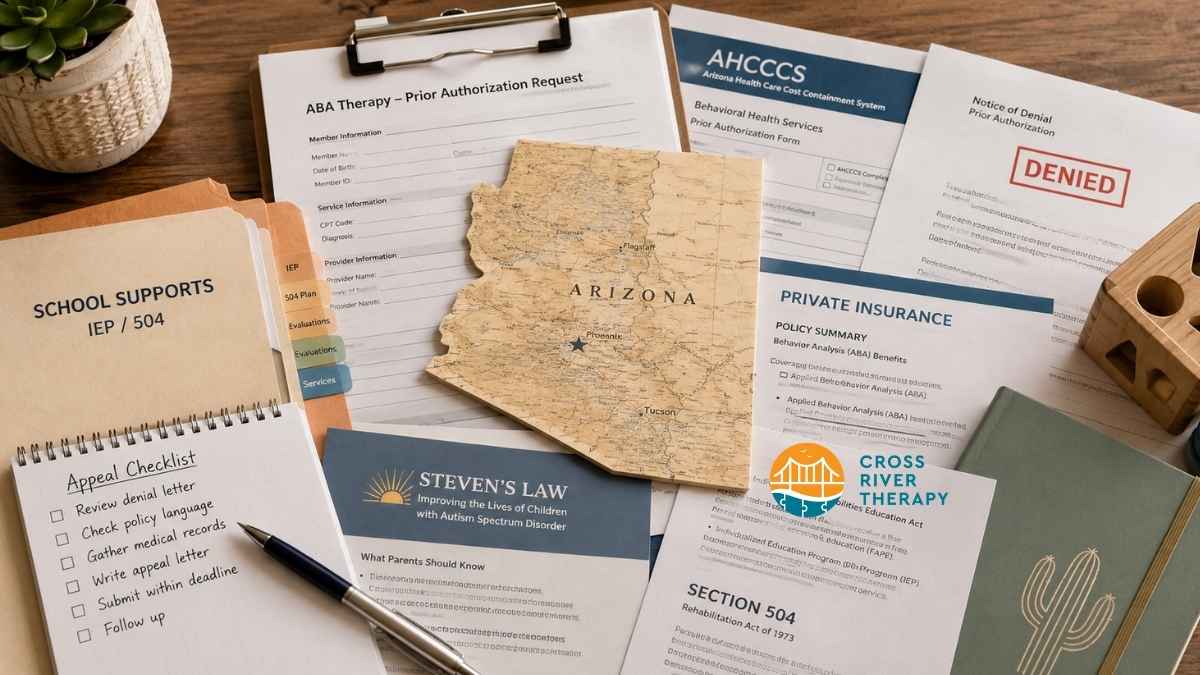
Arizona Autism Laws Every Parent Should Know Before Starting ABA Therapy
Autism laws Arizona parents should know cover ABA insurance, AHCCCS appeals, IEPs, and Section 504 rights. Check ABA coverage with Cross River.

ABA Therapist Salary in Arkansas: What BCBAs and RBTs Actually Earn in 2026
ABA therapist salary Arkansas figures compare RBT and BCBA rates, benefits, guaranteed hours, and contract terms. Explore careers at Cross River.

5 Autism Support Groups and Family Resources in New Mexico Alongside ABA Therapy
Autism support groups New Mexico families can use offer peer support, local events, and school help. Cross River can explain ABA therapy options.

Where to Get an Autism Evaluation in New Mexico Before Starting ABA Therapy
Autism evaluation New Mexico options include UNM, NMSU, FIT, and private providers. Compare providers, records, and ABA steps with Cross River.

7 North Carolina Autism Resources to Contact Before ABA Therapy Starts
Autism resources North Carolina families can call for diagnosis, early intervention, rights, and parent support. Start ABA intake with Cross River.

Does Indiana Medicaid Cover ABA Therapy? A Step-by-Step Eligibility Checklist for Parents
Medicaid ABA therapy Indiana covers eligible children under 21 with prior authorization. Your five-step coverage review can start with Cross River.

How to Apply for New Mexico’s DD Waiver While Starting ABA Therapy
Autism waiver New Mexico applications need DD Waiver records and proof of daily support needs. Your next step is to start ABA intake with Cross River.

Is ABA Therapy Covered by Insurance in New Jersey? What Every Parent Should Know
ABA therapy insurance New Jersey may cover medically necessary care based on plan type, network, and authorization. Verify benefits with Cross River.

How ABA Therapy Builds Communication for Nonverbal Children Without Forcing Speech
ABA therapy communication for nonverbal children starts with AAC, signs, and daily routines. See how kids ask, refuse, choose, and get help.

How to Start ABA Therapy in New Jersey With a First-Call Checklist
How to start ABA therapy in New Jersey begins with records, insurance details, and intake questions. Use this first-call checklist before you call.

How to Get an Autism Evaluation in Arkansas Before Starting ABA Therapy
How to get an autism evaluation in Arkansas starts with a referral, provider choice, and key records. Use this parent checklist before ABA intake.