








ABA Therapy and Vocational Skills
ABA therapy builds job skills by teaching essential tasks and social behaviors for a successful and fulfilling career.


Getting to Know ABA Therapy
ABA therapy, short for Applied Behavior Analysis, is a proven method to help folks with autism spectrum disorder (ASD). It’s all about using behavior principles to boost important social behaviors and make life better overall.
Each ABA program is tailored to fit the unique needs of the individual because, let’s face it, one size never fits all.
The Nuts and Bolts of ABA Therapy
ABA therapy is backed by big names like the US Surgeon General and the American Psychological Association. It’s been put through the wringer of scientific testing to prove its worth [1].
A board-certified behavior analyst (BCBA) designs and oversees these programs, with registered behavior technicians (RBTs) doing the hands-on work under their watchful eye.
The main aim? To help folks pick up and polish skills that lead to independence and success, both now and down the road. ABA therapy covers a lot of ground, from communication and social skills to daily living and academics.
The magic lies in breaking down complex tasks into bite-sized steps and using positive reinforcement to encourage good behaviors.
Why ABA Therapy Rocks?
ABA therapy brings a ton of perks for those with autism. It can sharpen communication, improve social interactions, and boost adaptive behaviors. By zeroing in on specific behaviors and using systematic reinforcement, ABA therapy aims to cut down on challenging behaviors and ramp up the good ones.
It also helps folks develop essential skills for living independently and thriving in places like school, work, and the community.
Research backs up the effectiveness of ABA therapy, showing big gains in language, academics, social interactions, and overall adaptive behaviors for those with ASD. Keep in mind, results can vary based on the person’s unique traits and how intense and long the therapy is.
Consistency and regular check-ins are crucial for a successful ABA program.
By offering personalized support and focusing on skill-building, ABA therapy is a game-changer in helping folks with autism reach their full potential. Up next, we’ll dive into how ABA therapy impacts vocational skills and contributes to the overall growth and independence of individuals with ASD.
ABA Therapy for Autism
ABA therapy, or Applied Behavior Analysis, is a game-changer for many folks with autism. Let's break down how it works and why it's making waves.
Why ABA Therapy Matters?
Studies show that kids getting 25 to 40 hours of ABA therapy each week for 1 to 3 years make big strides. We're talking better thinking skills, language, everyday tasks, and social stuff.
But it's not just about quick wins. ABA therapy can set the stage for long-term success. Think more independence, better social skills, and a happier life.
By zeroing in on specific behaviors and teaching new skills in a structured way, ABA helps folks with autism shine.
How Effective is ABA Therapy?
ABA therapy works wonders for many, but it's not a one-size-fits-all deal. Everyone with autism is different, so results can vary.
Things like how intense and long the therapy is, when it starts, and the person's unique needs all play a part. Plus, access to ABA therapy can depend on where you live, your income, and how much support you have.
Caregivers who believe in ABA therapy and feel confident using it see better results. Research shows that parents who get ABA therapy for their kids feel more empowered and comfortable than those who don't.
ABA therapy has come a long way and keeps getting better with new research and practices. It includes different treatment models, intervention methods, and teaching strategies to help folks with autism at all levels.
Want to dive deeper into how ABA therapy helps in different areas? Check out our articles on ABA therapy and inclusive education, ABA therapy and community inclusion, ABA therapy for transition planning.
Vocational Training for Autism
Helping folks with autism find their groove at work is a game-changer. Vocational training is the secret sauce that equips them with the skills they need to thrive. These programs aren't just about teaching job skills; they're about boosting confidence and opening doors to real job opportunities.
Why Vocational Training Matters?
Vocational training is like a superpower for people with autism. It gives them the tools and know-how to shine in the workplace. These programs tackle the unique hurdles they face and offer the support needed to leap over them [4].
By diving into vocational training, individuals with autism gain hands-on experience and a sense of independence. They get to practice job skills in a safe, structured setting.
Plus, these programs teach them what to expect at work, how to communicate better, and how to handle the daily grind.
Building Job Skills
Vocational training for autism covers a lot of ground, focusing on both job-specific and general skills that can be used in many fields. Here’s what they work on:
- Technical Know-How: These programs teach the nuts and bolts of specific jobs. Whether it’s using computer software, operating machinery, handling customer service, or managing office tasks, they cover it all.
- People Skills: Beyond the technical stuff, they emphasize soft skills like communication, teamwork, problem-solving, time management, and flexibility. These are crucial for anyone, especially those with autism, to succeed at work.
- Workplace Manners: Knowing how to behave at work is key. These programs teach punctuality, dressing appropriately, following instructions, and respecting authority.
- Self-Advocacy: It’s all about empowering individuals to speak up for themselves. They learn how to communicate their needs, ask for accommodations if needed, and tackle any challenges head-on.
By covering all these bases, vocational training sets individuals with autism up for success, giving them the confidence and skills to enter the workforce.
When picking a vocational training program for someone with autism, it’s crucial to find one tailored to their unique needs. These programs offer the support and personalized instruction necessary for them to succeed at work.
By investing in vocational training, we can help individuals with autism find fulfilling jobs and make valuable contributions to the workforce.
Bringing Job Skills into ABA Therapy
When folks with autism go through ABA therapy, it's super important to mix in some job skills. This way, ABA therapy can really help set them up for future work. Let's see how job skills fit into ABA therapy and what programs are out there to help.
Adding Job Skills
To make ABA therapy even better, adding job skills is key. These skills cover a bunch of stuff needed for work. We're talking about things like being on time, finishing tasks, following directions, solving problems, talking to people, and getting along with coworkers.
ABA therapy uses a step-by-step approach to teach these skills. By breaking down big tasks into smaller steps, people with autism can build confidence and get good at handling work duties.
Job Skills Programs
There are special programs just for teaching job skills to people with autism. These programs tackle the unique challenges they might face at work. They offer training, support, and guidance to help folks learn what they need to succeed.
These programs don't just focus on job-specific skills but also on skills that work in any job. They mix practical training, classroom learning, and real-world practice to help people with autism reach their full potential at work.
Job skills programs can look different depending on what each person needs. ABA therapy providers often team up with job training centers, schools, and community groups to give a well-rounded approach to learning job skills.
By mixing job skills into ABA therapy and using special programs, people with autism can get the tools they need to do well at work. These efforts have been huge in helping folks with autism succeed and make a real impact in the workforce.
For more on how ABA therapy can help in other parts of life, like school or community activities, check out our articles on ABA therapy and inclusive education and ABA therapy and community inclusion.
Challenges in ABA Therapy
ABA therapy has shown great promise in helping individuals with autism, but it's not without its hurdles. These challenges can affect how therapy is delivered and the quality of care. Let's break down the main issues into two categories: clinical challenges and staff training and support.
Clinical Challenges
One big hurdle in ABA therapy is the slow progress in learning new skills. Sometimes, kids and adults don't pick up skills as quickly as expected, which can make everyone wonder if the therapy is working or if enough time is being spent on it [5].
It's crucial for therapists to regularly review and tweak treatment plans to ensure meaningful progress.
Another tricky area is moving towards outcomes-based reimbursement. Measuring how well someone with autism is doing can be complicated and varies a lot.
ABA providers are working on creating standard ways to show how therapy is making a difference in people's lives.
Staff Training and Support
Training and supporting staff in ABA therapy is super important for delivering top-notch services. Poor communication between supervisors and staff can mess up professional growth and the quality of care. Clear and consistent communication is key to making sure staff get the guidance they need.
High staff turnover is another big issue. Training new staff on specific programs or clients takes a lot of time and effort, which can slow down progress for clients.
Organizations should focus on creating a positive work environment, offering ongoing training, and finding ways to keep experienced staff around.
ABA practitioners, especially Board Certified Behavior Analysts (BCBAs), often spend a lot of time on paperwork. This can cut into the time they have to work directly with clients, which can lead to less progress and more burnout among staff.
Streamlining administrative tasks and providing enough support can help tackle this issue.
By recognizing and addressing these challenges, ABA therapy providers can improve the quality of care and outcomes for individuals with autism. Ongoing professional development, effective communication, and smart resource management are key to overcoming these hurdles and making ABA therapy programs successful.
Jobs for Folks with ASD
Job Options
Getting a good job can be a big deal for people with Autism Spectrum Disorder (ASD). It can really boost their quality of life.
But, let's be real, finding a job isn't always easy for them. Only about 25% of people with ASD have jobs, and many depend on social security benefits [6].
Still, there are different types of jobs out there for people with ASD. These jobs can be grouped into:
- Sheltered Work: This is where people with disabilities, including those with ASD, work in a supportive and structured setting. It's a safe space where they can do meaningful work.
- Supported Work: These programs help people with ASD find jobs and give them ongoing support. They match the person's skills and interests with the right job. Support might include job coaching, help with workplace adjustments, and social skills training.
- Regular Jobs: This is where people with ASD work alongside everyone else. They're hired based on what they can do and get the same benefits as their coworkers.
It's worth noting that only about 6 to 10% of people with ASD are in regular jobs [6]. But with the right help and adjustments, they can do great in many work settings.
Skills for the Job
People with ASD have unique traits that can be really useful at work. They might be great at focusing, paying attention to details, and have strong visual skills. But, social and communication challenges, along with other diagnoses, can make it tough to get and keep a job.
To help them succeed, it's important to teach them the right job skills. Training programs have shown good results in improving these skills. Techniques like video modeling, reward-based methods, and breaking tasks down into steps work well for teaching job skills to people with ASD.
At work, people with ASD might need some adjustments to help them do their best. These can include:
- Structured Work Environment: A well-organized workspace can help them manage their tasks better.
- Clear Communication: Using clear and straightforward communication can prevent misunderstandings.
- Social Skills Training: Teaching social skills can help them interact better with coworkers and bosses.
By understanding the unique strengths and challenges of people with ASD and giving them the right training and support, we can open up more job opportunities for them. This not only helps them become more independent but also lets employers benefit from a diverse range of talents.
FAQs
How can ABA Therapy be used to prepare individuals for the workforce?
ABA Therapy prepares individuals for the workforce by providing structured training on job-related tasks, teaching appropriate work behaviors, and using reinforcement strategies to build confidence and competence.
What vocational skills are commonly targeted in ABA Therapy?
Common vocational skills targeted include task organization, following instructions, work ethic, social interactions with coworkers, problem-solving, and adapting to new or changing work environments.
How does ABA Therapy customize vocational training for individuals?
ABA Therapy customizes vocational training by assessing each individual's specific needs and strengths, setting personalized goals, and creating a tailored plan that addresses the skills required for their desired job or career path.
What techniques are used in ABA Therapy to teach vocational skills?
Techniques include task analysis (breaking down tasks into smaller steps), discrete trial training (structured practice sessions), role-playing, and the use of visual supports and prompts to facilitate learning.
Can ABA Therapy be integrated with real-world job experiences?
Yes, ABA Therapy can be integrated with real-world job experiences through job coaching, internships, or work simulations, allowing individuals to practice and apply their skills in actual work settings.
How does ABA Therapy address workplace social skills?
ABA Therapy addresses workplace social skills by teaching appropriate interaction techniques, understanding workplace etiquette, and providing practice scenarios to help individuals navigate social situations effectively.
How can employers support ABA Therapy in the workplace?
Employers can support individuals by providing clear instructions, offering structured feedback, creating an inclusive work environment, and collaborating with therapists to ensure that training is effectively applied on the job.
What benefits come from ABA Therapy for job skills?
Benefits include improved job readiness, enhanced ability to perform job tasks independently, better social interactions in the workplace, increased confidence, and greater overall job satisfaction.
References
[1]: https://www.autismspeaks.org/applied-behavior-analysis
[2]: https://www.ncbi.nlm.nih.gov/pmc/articles/PMC9458805/
[3]: https://www.ncbi.nlm.nih.gov/pmc/articles/PMC10710535/
[4]: https://www.adinaaba.com/post/autism-and-vocational-training
[5]: https://centralreach.com/blog/7-clinical-challenges-facing-aba-organizations/
[6]: https://link.springer.com/article/10.1007/s40489-014-0024-7
Recent News
Related articles

6 Arkansas Medicaid ABA Therapy Rules Families Need to Know
Arkansas Medicaid ABA therapy has age, diagnosis and approval rules. Families can check six requirements before care.
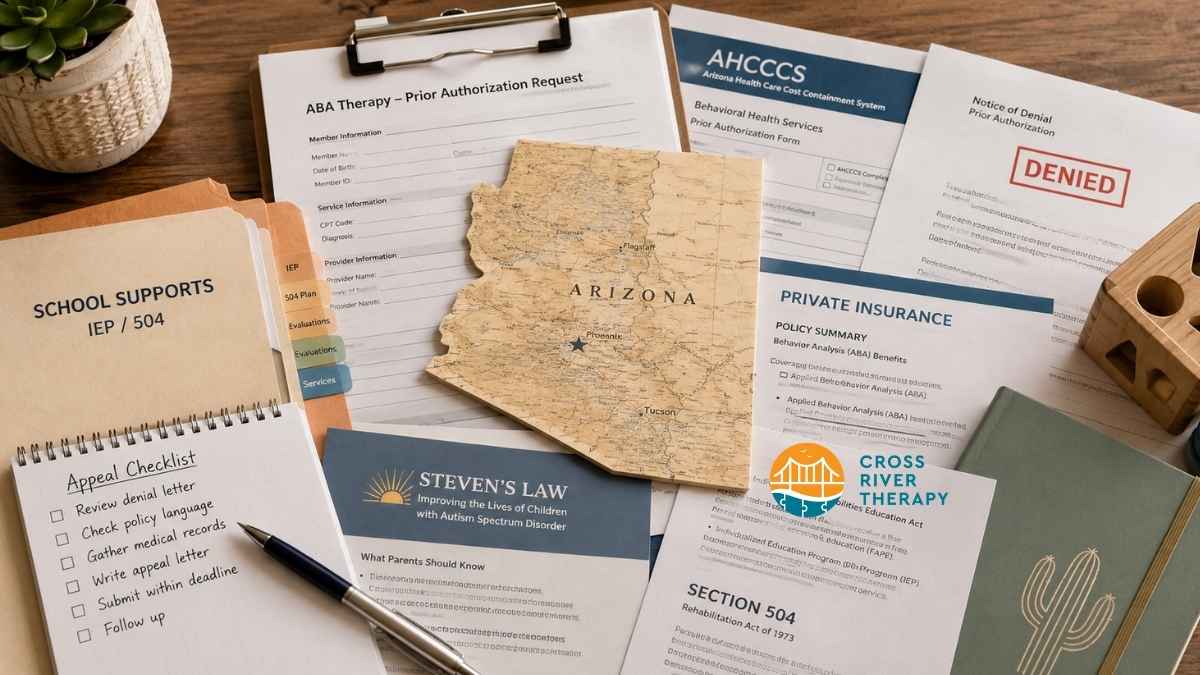
Arizona Autism Laws for ABA Coverage and School Rights
Arizona autism laws for ABA coverage vary by plan. Families can check insurance, appeal options, and school rights.

ABA Therapist Salary in Arkansas for RBTs and BCBAs
Compare ABA therapist salary in Arkansas by role. See how paid hours and benefits affect earnings before applying.

5 Autism Support Groups and Family Resources in New Mexico
Autism support groups in New Mexico connect families. Local resources offer events, parent support, and school help.

Where to Get an Autism Evaluation in New Mexico
Autism evaluation options in New Mexico include UNM and NMSU. Age and referral details help parents prepare.

7 North Carolina Autism Resources to Contact Before ABA Therapy Starts
Autism resources North Carolina families can call for diagnosis, early intervention, rights, and parent support. Start ABA intake with Cross River.

Does Indiana Medicaid Cover ABA Therapy? A Parent Checklist
Indiana Medicaid ABA therapy may cover care for eligible children. The checklist covers coaching and renewals.

How to Apply for the New Mexico DD Waiver
Your NM DD waiver application starts with state intake. The steps cover records, submission, and enrollment.

Does Insurance Cover ABA Therapy in New Jersey?
ABA therapy insurance in New Jersey varies by plan. Learn what NJ FamilyCare covers and how to check costs.

How ABA Therapy Builds Communication for Nonverbal Children Without Forcing Speech
ABA therapy communication for nonverbal children starts with AAC, signs, and daily routines. See how kids ask, refuse, choose, and get help.

How to Start ABA Therapy in New Jersey With a Checklist
Your guide explains how to start ABA therapy in New Jersey. A first-call checklist covers records and next steps.

How to Get an Autism Evaluation in Arkansas Before Starting ABA Therapy
How to get an autism evaluation in Arkansas starts with a referral, provider choice, and key records. Use this parent checklist before ABA intake.