








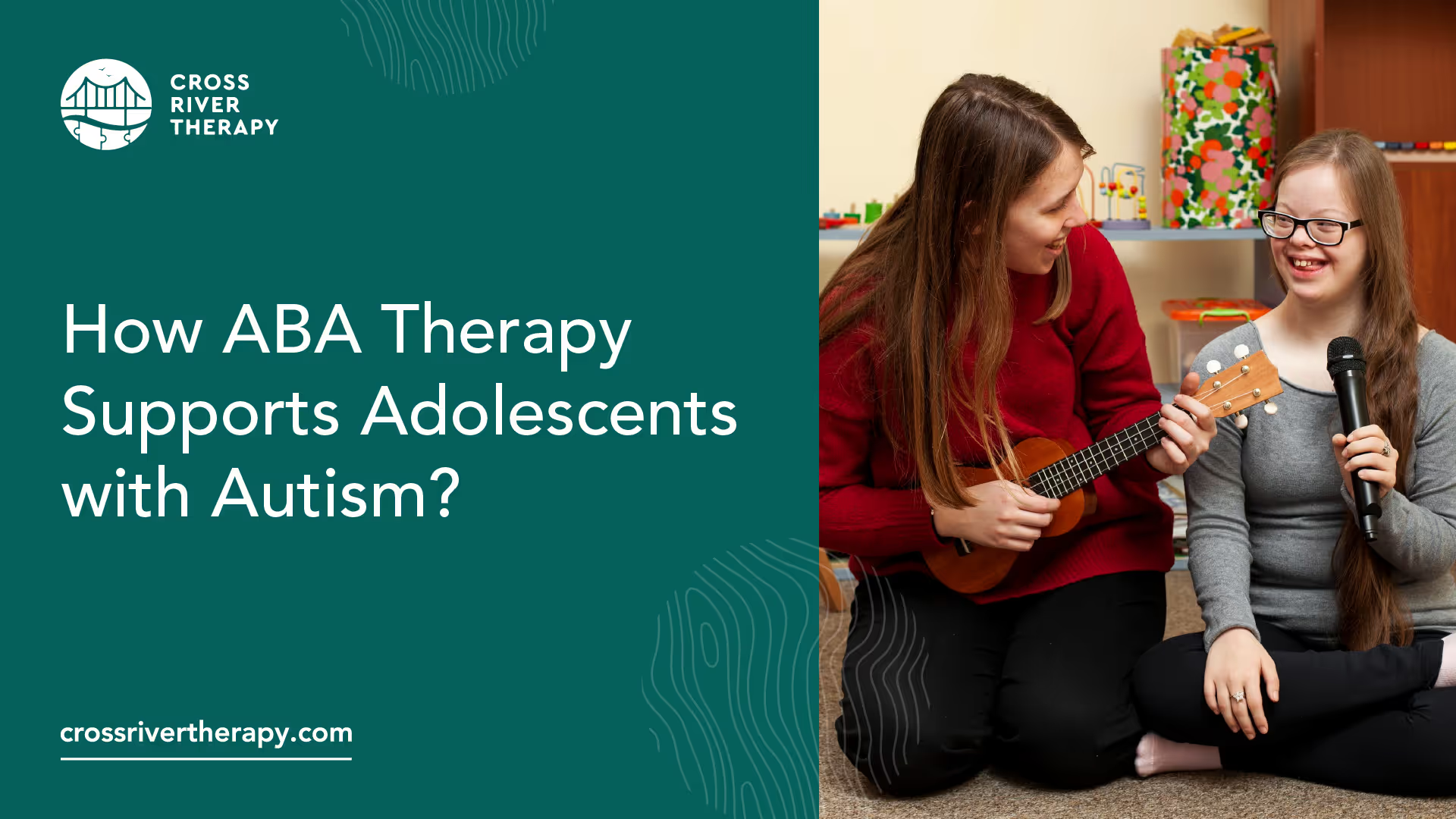
How ABA Therapy Supports Adolescents with Autism?
Discover how ABA therapy for adolescents with autism improves skills and supports long-term development.


Understanding ABA Therapy
Applied Behavior Analysis (ABA) therapy is an evidence-based approach designed to teach and reinforce social skills, aiding children and adolescents with autism in improving their social abilities [1]. The foundation of ABA lies in the work of psychologist B.F. Skinner, who developed the theory of operant conditioning. This theory emphasizes modifying behavior by altering the consequences associated with it.
ABA therapy is recognized as an evidence-based best practice treatment by both the US Surgeon General and the American Psychological Association. This designation means that ABA therapy has passed rigorous scientific evaluations for its usefulness, quality, and effectiveness. The therapy involves structured techniques to encourage positive behaviors and reduce behaviors that can impede learning and daily functioning.
Impact of ABA Therapy
The impact of ABA therapy on adolescents with autism is significant. This therapy helps improve various skills, including social skills, communication patterns, fine motor skills, grooming habits, academic proficiency, job skills, and even simple tasks like maintaining a clean and organized room.
ABA therapy is particularly effective in helping children with autism thrive by analyzing the reasons behind specific behaviors and using positive reinforcement to encourage desired behaviors. By utilizing ABA therapy, parents and therapists can create tailored interventions that address the unique needs of each child.
ABA therapy also emphasizes the importance of parent involvement, as parents play a crucial role in reinforcing the skills learned during therapy sessions. This collaborative approach ensures that the positive behaviors and skills acquired through ABA therapy are maintained and generalized across different settings.
Techniques in ABA Therapy
ABA (Applied Behavior Analysis) therapy employs various techniques to help adolescents with autism develop essential skills. Two prominent techniques are Positive Reinforcement and Discrete Trial Training (DTT).
Positive Reinforcement
Positive reinforcement is a core technique in ABA therapy and involves rewarding desired behaviors to encourage their recurrence. This method is highly effective for teaching and shaping social skills in adolescents with autism. By understanding the reasons behind specific behaviors, therapists can use positive reinforcement to promote long-term behavior change [1].
Positive reinforcement can be tailored to each child's needs and abilities, ensuring that the rewards are meaningful and motivating. Consistent implementation over time helps reinforce desired behaviors, making it a cornerstone of ABA therapy for adolescents with autism [4].
Discrete Trial Training
Discrete Trial Training (DTT) is another vital technique in ABA therapy. DTT involves breaking down skills into small, manageable components and teaching each component individually. Positive reinforcement is provided after each correct response to encourage learning.
DTT is structured and systematic, making it easier for adolescents with autism to learn complex skills by focusing on one element at a time. This technique is especially useful for teaching foundational skills, such as communication and social interaction.
Parents can further support their child's progress by getting involved in the therapy process.
By combining techniques like Positive Reinforcement and Discrete Trial Training, ABA therapy can effectively support adolescents with autism in developing essential skills and achieving their full potential.
ABA Therapy Effectiveness
ABA therapy, known for its structured approach and evidence-based methods, has shown significant effectiveness in supporting adolescents with autism. This section explores the research findings and long-term benefits associated with ABA therapy.
Research Findings
Research on ABA therapy has consistently demonstrated its efficacy in improving various developmental areas for individuals with autism. More than 20 studies have established that intensive and long-term therapy using ABA principles improves outcomes for many but not all children with autism [5]. Programs providing 25 to 40 hours a week of therapy for 1 to 3 years show gains in intellectual functioning, language development, daily living skills, and social functioning.
A meta-analysis by Virués-Ortega (2010) found that ABA interventions implemented in early childhood and were long-term and comprehensive in design resulted in positive medium to large effects in language development, intellectual functioning, acquisition of daily living skills, and social functioning for those diagnosed with ASD when compared to a control group that did not receive ABA intervention. Furthermore, ABA is considered an evidence-based best practice treatment by the US Surgeon General and by the American Psychological Association, indicating that it has passed scientific tests of its usefulness, quality, and effectiveness.
Long-Term Benefits
The long-term benefits of ABA therapy are substantial, contributing to the lifelong development of children with autism. Comprehensive ABA-based interventions have shown positive effects on intellectual functioning, language development, daily living skills, and social functioning. Improvements were observed across seven of the eight outcome measures when examining the impact of ABA on children and youth with autism spectrum disorders (ASD). These measured outcomes were classified into eight categories: cognitive, language, social/communication, problem behavior, adaptive behavior, emotional, autism symptoms, and quality of life (QoL) outcomes.
ABA therapy's focus on individualized interventions ensures that each child's unique needs are addressed. Tailored strategies and consistent reinforcement techniques help adolescents develop essential skills that promote independence and better social integration.
By examining the research findings and long-term benefits, it becomes evident that ABA therapy plays a crucial role in enhancing the lives of adolescents with autism.
ABA Therapy Application
Tailored Interventions
ABA therapy for adolescents with autism focuses on creating customized interventions to meet the unique needs of each individual. These tailored approaches ensure that therapy addresses specific challenges and goals, fostering meaningful progress.
Key components of tailored interventions include:
- Individualized Assessment: Before commencing therapy, a comprehensive assessment is conducted to understand the adolescent's strengths, areas of need, and personal interests.
- Goal Setting: Based on the assessment, specific, measurable goals are established. These goals target various skills such as communication, social interaction, and daily living activities.
- Customized Techniques: Techniques like positive reinforcement and discrete trial training are employed to teach and reinforce desired behaviors. These techniques are tailored to the adolescent's learning style and abilities.
Parent Involvement
Parent involvement is a crucial aspect of ABA therapy for adolescents with autism. Engaging parents in the therapeutic process enhances the effectiveness of interventions and promotes consistent progress across different settings.
- Parent-Implemented Intervention (PII): PII is a highly effective method where parents are trained to apply ABA strategies in natural settings. This approach allows parents to reinforce learning and address challenges in real-life situations.
- Goal Setting with Families: ABA therapy aims to achieve meaningful changes by collaborating with families to set goals that positively impact the adolescent's quality of life.
- Parent Coaching: Regular coaching sessions equip parents with the skills and confidence to implement ABA techniques effectively. This ongoing support ensures consistency and reinforces progress.
By incorporating tailored interventions and active parent involvement, ABA therapy can effectively support adolescents with autism in achieving their full potential.
ABA Therapy Controversies
When examining Applied Behavior Analysis (ABA) therapy, it is essential to consider the debates surrounding its use. ABA therapy, while widely endorsed, has garnered both criticism and support over the years. Additionally, practices within ABA therapy have evolved significantly to address these concerns.
Criticisms and Support
:
Critics of ABA therapy argue that it can be too repetitive and demanding for children. The earliest versions of ABA used punishments alongside rewards, but modern ABA no longer employs punishments. However, critics still claim that ABA focuses excessively on eliminating undesirable behaviors rather than fostering new skills. Some practitioners agree with this critique and emphasize the importance of focusing on positive behaviors.
Furthermore, some autistic self-advocates argue that ABA aims to make children with autism fit neurotypical standards, which they believe is inappropriate. They suggest alternative therapies, such as speech and language therapy, to build skills and independence in a way that respects the unique needs of autistic children.
:
Supporters of ABA therapy highlight its effectiveness in helping children with autism develop essential skills and reduce harmful behaviors. They argue that modern ABA is less repetitive and that practitioners are trained to make learning engaging and enjoyable for the child. The emphasis on positive reinforcement and tailored interventions has made ABA a valuable tool for many families.
Evolving Practices
ABA therapy has undergone significant changes over the years, evolving to incorporate a variety of approaches and techniques. Modern ABA practices focus on positive reinforcement and individualized treatment plans to address the specific needs of each child. The goal is to create a supportive and enjoyable learning environment.
Positive Reinforcement:
- Emphasis on rewarding positive behaviors to encourage skill development.
- Reduction in the use of repetitive and stressful techniques.
Individualized Treatment Plans:
- Tailored interventions based on the unique needs and strengths of each child.
- Inclusion of parent involvement to ensure consistency and support at home.
Focus on Skill Building:
- Shifting focus from merely eliminating undesirable behaviors to actively teaching new skills.
- Integration of social skills groups and other supportive therapies.
Use of Technology:
- Incorporation of technology and innovative tools to enhance learning and engagement.
The controversies surrounding ABA therapy highlight the need for ongoing evolution and adaptation of practices to better meet the needs of children with autism. By acknowledging criticisms and embracing new approaches, ABA therapy continues to be a valuable resource for many families.
Understanding the controversies and evolving practices in ABA therapy can help parents make informed decisions about the best treatment models for their children with autism.
ABA Therapy for ASD
Applied Behavior Analysis (ABA) therapy is a powerful tool for supporting adolescents with Autism Spectrum Disorder (ASD). This section explores how ABA therapy can aid in improving various skills and the comprehensive treatment models used.
Improving Skills
ABA therapy is an evidence-based approach that helps adolescents with autism enhance a broad range of skills. According to Hidden Talents ABA, ABA therapy can improve social skills, communication patterns, fine motor skills, grooming, academic skills, job proficiency, and even simple daily tasks like maintaining an organized room.
ABA therapy employs positive reinforcement techniques tailored to each individual's needs. This method helps in teaching and reinforcing social skills, enabling adolescents to better navigate social interactions and build meaningful relationships.
Comprehensive Treatment Models
ABA therapy has evolved over the past decades into comprehensive treatment models that address various deficits for adolescents with ASD. These models are designed to look at the reasons behind specific behaviors and use positive reinforcement to encourage desired behaviors.
A landmark study by Lovaas in the 1970s found that 47% of children who participated in an ABA treatment reached normal intellectual and educational functioning compared to only 2% of a control group. This study underscores the long-term benefits of comprehensive ABA treatment models.
For more information on how social skills groups can be part of a comprehensive treatment plan, check out our article on aba therapy and social skills groups.
These comprehensive models often involve a multi-disciplinary approach, including parent involvement to ensure consistency and effectiveness. Parents play a crucial role in reinforcing the skills learned during therapy sessions. For more insights, visit our page on aba therapy and parent coaching.
Treatment ModelKey FeaturesLong-Term BenefitsABA TherapyPositive reinforcement, tailored interventionsImproved social skills, academic performance, and daily living skillsComprehensive TreatmentMulti-disciplinary approach, parent involvementLong-term behavioral improvements, enhanced quality of life
By understanding and utilizing ABA therapy, parents can significantly aid their adolescents in achieving better social, academic, and daily living skills.
References
[1]: https://www.empowerbh.com/blog/how-aba-therapy-improves-social-skills/
[2]: https://hiddentalentsaba.com/aba-therapy-techniques/
[3]: https://www.autismspeaks.org/applied-behavior-analysis/
[4]: https://wellspringlearningcenters.com/the-principles-of-aba/
[5]: https://www.autismspeaks.org/applied-behavior-analysis
Recent News
Related articles

6 Arkansas Medicaid ABA Therapy Rules Families Need to Know
Arkansas Medicaid ABA therapy has age, diagnosis and approval rules. Families can check six requirements before care.

Arizona Autism Laws for ABA Coverage and School Rights
Arizona autism laws for ABA coverage vary by plan. Families can check insurance, appeal options, and school rights.

ABA Therapist Salary in Arkansas for RBTs and BCBAs
Compare ABA therapist salary in Arkansas by role. See how paid hours and benefits affect earnings before applying.

5 Autism Support Groups and Family Resources in New Mexico
Autism support groups in New Mexico connect families. Local resources offer events, parent support, and school help.

Where to Get an Autism Evaluation in New Mexico
Autism evaluation options in New Mexico include UNM and NMSU. Age and referral details help parents prepare.

7 North Carolina Autism Resources to Contact Before ABA Therapy Starts
Autism resources North Carolina families can call for diagnosis, early intervention, rights, and parent support. Start ABA intake with Cross River.

Does Indiana Medicaid Cover ABA Therapy? A Parent Checklist
Indiana Medicaid ABA therapy may cover care for eligible children. The checklist covers coaching and renewals.

How to Apply for the New Mexico DD Waiver
Your NM DD waiver application starts with state intake. The steps cover records, submission, and enrollment.

Does Insurance Cover ABA Therapy in New Jersey?
ABA therapy insurance in New Jersey varies by plan. Learn what NJ FamilyCare covers and how to check costs.

How ABA Therapy Builds Communication for Nonverbal Children Without Forcing Speech
ABA therapy communication for nonverbal children starts with AAC, signs, and daily routines. See how kids ask, refuse, choose, and get help.

How to Start ABA Therapy in New Jersey With a Checklist
Your guide explains how to start ABA therapy in New Jersey. A first-call checklist covers records and next steps.

How to Get an Autism Evaluation in Arkansas Before Starting ABA Therapy
How to get an autism evaluation in Arkansas starts with a referral, provider choice, and key records. Use this parent checklist before ABA intake.