








ABA Therapy for Adults with Autism: Addressing Unique Needs
Empowering Adults on the Autism Spectrum: The Role of ABA Therapy


Introduction: Understanding ABA Therapy for Adults
Applied Behavior Analysis (ABA) therapy is a pivotal intervention for individuals with autism, recognized for its capacity to bring positive changes through understanding and modifying human behavior. While often associated with children, its benefits extend profoundly to adults on the autism spectrum, who face unique challenges requiring tailored therapeutic approaches. This article delves into how ABA therapy is adapted for adults, uncovering its unique strategies, benefits, and the reasons behind its prominent role in enhancing the quality of life for adults with autism.
The Significance of ABA Therapy in Adult Autism Care

What is Applied Behavior Analysis (ABA) therapy?
Applied Behavior Analysis (ABA) therapy is a scientific discipline that focuses on understanding and modifying human behavior through environmental cues and learning principles. It is especially effective for individuals on the autism spectrum, aiming to enhance useful skills such as communication and social interactions while reducing challenging behaviors. ABA employs various techniques, including the A-B-C model (Antecedent, Behavior, Consequence), to systematically assess and modify behavior. The therapy is centered around seven dimensions: Generality, Effectiveness, Technological, Applied, Conceptually Systematic, Analytic, and Behavior, ensuring that interventions are meaningful, measurable, and based on solid research. Recognized as an evidence-based practice, ABA is implemented by professionals across different settings to support individuals in achieving their personal goals and enhancing their quality of life.
Importance of ABA therapy for adults
ABA therapy is not just beneficial for children; it plays a crucial role in the lives of adolescents and adults with Autism Spectrum Disorder (ASD). Many adults face challenges such as social skills deficits, anxiety management, and executive functioning issues. Tailored ABA strategies can assist in developing skills necessary for independence and enhancing overall well-being.
Common areas where ABA therapy provides support include:
- Social Skills: Helps individuals understand and engage in social interactions more effectively.
- Communication: Improves both verbal and non-verbal communication abilities.
- Executive Functioning: Teaches organizational skills, task management, and planning capabilities.
- Anxiety Management: Offers coping strategies to handle stressful situations.
Evidence-based approach
Moreover, numerous studies confirm that ABA is one of the most researched and effective interventions available for autism. It has consistently shown significant improvements in communication, adaptive skills, and social interaction for individuals of all ages.
Organizations endorsing ABA
Respected organizations, including the American Psychological Association, endorse ABA therapy, underscoring its importance for individuals with autism. This endorsement highlights the commitment to evidence-based practices that meet the diverse needs of this population. Ultimately, ABA therapy's structured approach helps individuals achieve meaningful changes, enhance their quality of life, and fosters a more inclusive environment.
Tailoring ABA Therapy for Adults with Autism
How is ABA therapy tailored for adults with autism?
ABA therapy is designed with customization at its core, particularly for adults with autism. The therapy is not a one-size-fits-all approach; rather, it focuses on the unique needs and goals of each individual. This customization includes identifying areas such as social skills, life skills, and independence that require improvement.
The techniques employed in adult ABA therapy include:
- Positive Reinforcement: Encouraging desired behaviors through rewards.
- Prompting: Providing cues to help individuals exhibit targeted skills in real situations.
- Visual Modeling: Using visual aids to facilitate understanding of tasks or social interactions.
Additionally, Discrete Trial Training (DTT) and Behavior Intervention Plans (BIPs) are put in place. These methods structure the learning process and set specific, personalized goals, helping individuals track their progress effectively.
Role of BCBAs and RBTs in ABA therapy
The collaborative efforts of Board Certified Behavior Analysts (BCBAs) and Registered Behavior Technicians (RBTs) are crucial for the success of ABA therapy. BCBAs conduct assessments that identify the underlying reasons for certain behaviors through Functional Behavioral Assessments (FBAs). These insights then guide tailor-made interventions that tackle specific challenges.
RBTs support the implementation of these personalized strategies, ensuring that the therapy remains relevant and practical for daily application. This team dynamic enhances the quality of the intervention, contributing significantly to improving the overall quality of life for adults with autism.
Overcoming Challenges: ABA Therapy's Role

What are the challenges faced by adults with Autism Spectrum Disorders (ASD) that ABA therapy can address?
Adults with Autism Spectrum Disorders (ASD) confront numerous challenges as they transition into adulthood. Some of the most prevalent difficulties include:
- Social Interaction: Many adults with ASD struggle to establish and maintain relationships, often experiencing anxiety in social settings.
- Employment Difficulties: Navigating workplace dynamics can be overwhelming, leading to issues with job retention and career advancement.
- Independent Living Skills: Managing daily tasks such as budgeting, cooking, and personal hygiene can present significant hurdles.
ABA therapy effectively addresses these challenges through a structured approach tailored to individual needs. The therapy enhances social skills, imparts techniques for effective communication, and aids in emotional regulation. This equips individuals with strategies to better navigate social interactions and workplace environments.
Additionally, ABA focuses on essential life skills. By breaking tasks into manageable steps, individuals receive the necessary training to become more independent. For example, developing routines for daily living tasks fosters confidence and self-sufficiency.
Collaboration is another critical aspect of ABA therapy. BCBAs work closely with caregivers and community resources to create comprehensive support networks, ensuring that adults with ASD have the tools they need to thrive.
Overall, ABA therapy leverages research-backed methods to improve the quality of life and functional abilities of adults with ASD, promoting a greater sense of autonomy and fulfillment in their daily lives.
The Benefits of ABA Therapy for Adults on the Spectrum
What are the specific benefits of ABA therapy for adults on the autism spectrum?
ABA therapy offers numerous advantages tailored specifically for adults on the autism spectrum. One of the primary benefits is the enhancement of social skills. Through techniques like role-playing and social stories, adults learn how to interpret social cues and engage more effectively in various interpersonal situations.
In addition to social skills, ABA therapy significantly improves communication abilities. Adults often face challenges with both verbal and non-verbal communication. ABA strategies promote clearer expression of thoughts and feelings, facilitating more meaningful interactions.
Independence is another critical benefit. ABA therapy supports adults in developing essential independent living skills. This training encompasses everyday activities, such as cooking, personal hygiene, and household management, ensuring that individuals can lead self-sufficient lives.
Furthermore, vocational training is an integral part of ABA therapy for adults. The therapy instills important job-related skills and focuses on strategies that aid individuals in integrating into the workforce. Skills like impulse control, problem-solving, and soft skills are emphasized, which are crucial for professional success.
Moreover, ABA therapy addresses behaviors and emotional regulation by identifying triggers and equipping individuals with effective coping mechanisms. This holistic approach contributes to a better quality of life, emphasizing personal growth and fulfillment for adults with autism.
Additional Insights
Topic Details Advantages of ABA for Adults Enhances social skills, improves communication, and fosters independence. Improvement in Life Skills Teaches daily living tasks like cooking and hygiene, promoting autonomy. Vocational Training Develops job-related skills and strategies for workforce integration.
Overall, the adaptability of ABA therapy ensures its positive impact across different life stages, providing crucial support for adults navigating their unique challenges.
Strategies and Techniques in ABA for Adults
What strategies and techniques are used in ABA therapy for adults with autism?
ABA therapy for adults with autism employs a variety of tailored strategies and techniques aimed at enhancing individual skills and quality of life. Among these:
- Discrete Trial Training: This method breaks down complex skills into small, manageable components, making learning easier.
- Natural Environment Teaching: By utilizing everyday situations, adults learn skills in real-life contexts, facilitating generalization of those skills.
- Functional Communication Training: This focuses on enhancing communication skills, encouraging individuals to replace challenging behaviors with more appropriate expressions of needs and feelings.
- Behavior Modification Strategies: These techniques are crucial for reinforcing positive behaviors and reducing undesirable ones. By using reinforcement techniques, individuals can learn more appropriate responses over time.
Techniques enhancing social and communication skills
In addition to general strategies, ABA therapy includes specific techniques designed to improve social and communication abilities among adults:
- Role-Playing: This method helps individuals practice and improve their social interactions by simulating various social scenarios.
- Social Stories: These narratives guide individuals through social expectations, enhancing their understanding of social cues and responses.
- Visual Supports: Using visual aids can help in understanding transitions and changes in routines, making social interactions less overwhelming.
Overall, these strategies not only promote independence among adults with autism but also enhance their capability to engage more fully in social contexts.
The Critical Role of Individualized Therapy Plans
Importance of tailored plans
Individualized therapy plans in ABA are crucial for adults with autism. These personalized approaches cater specifically to each individual's strengths, challenges, and goals, ensuring that the interventions are relevant and effective. By recognizing the unique circumstances of each person, these plans can better target issues such as communication deficits and social skills challenges.
Tailored plans also enhance the teaching of life skills. For instance, they can break down complex tasks into manageable steps which are vital for fostering independence. Adults can learn essential self-care abilities such as grooming and cooking, empowering them to manage their daily lives more effectively.
Impact on life skills and independence
The impact of individualized therapy plans extends beyond immediate behavioral improvements. They play a significant role in developing emotional regulation strategies. Participants learn to articulate their thoughts and emotions, which is vital for self-expression and interpersonal interactions.
Individuals with high-functioning autism benefit from specific techniques like role-playing and social stories, enabling a better grasp of social cues and responses. Additionally, the collaborative nature of these therapy plans—partnerships among BCBAs, RBTs, and other healthcare professionals—ensures a comprehensive support system tailored to enhancing daily functioning and overall quality of life. Furthermore, these plans facilitate smoother transitions in various life domains, from work placements to social gatherings, equipping adults with tools to navigate complex environments.
Collaboration and Support Networks in ABA
Role of therapists and multidisciplinary teams
Collaboration is vital in ABA therapy, particularly for individuals with Autism Spectrum Disorder (ASD). Board Certified Behavior Analysts (BCBAs) and Registered Behavior Technicians (RBTs) form the core of the therapeutic team. BCBAs design and oversee personalized treatment plans based on individual assessments, ensuring that interventions are relevant and tailored to each client’s unique needs. RBTs implement these plans and provide direct support, helping to reinforce the strategies outlined by the BCBAs.
In addition to BCBAs and RBTs, multidisciplinary teams involving educators, speech therapists, occupational therapists, and mental health professionals play an essential role. This collaboration allows for a comprehensive understanding of the individual’s challenges and facilitates a holistic approach to treatment, covering a wide spectrum of needs beyond behavioral issues.
Family involvement in therapy
Family involvement is another critical component of successful ABA therapy. Families receive training and guidance to help reinforce strategies at home, which enhances the effectiveness of the therapy. This partnership allows families to better understand their loved one's behaviors and communication needs, creating a supportive environment.
By working together, caregivers and therapists can facilitate smoother transitions and greater consistency in applying techniques learned during therapy sessions. Engaging families in this way strengthens the overall support network for individuals with ASD, increasing the likelihood of successful outcomes in their daily lives.
Getting Started with ABA Therapy for Adults
Initial Steps for Therapy
Starting ABA therapy for adults begins with recognizing the specific challenges they may face, such as social skills deficits or anxiety management. An initial assessment by a Board-Certified Behavior Analyst (BCBA) is crucial. This evaluation helps identify strengths, weaknesses, and areas where therapy can have the most impact.
Finding the Right Professionals
It's essential to find qualified professionals. Look for BCBAs who have experience working with adults, particularly those who understand the unique needs of adults on the autism spectrum. A collaborative approach is vital, as the BCBA will work with Registered Behavior Technicians (RBTs) to implement a personalized plan. Consider consulting multiple clinics or services to ensure the best fit for the individual's requirements.
Access to Therapy Without ASD Diagnosis
Interestingly, individuals do not need a formal ASD diagnosis to access ABA therapy. This therapy is available for anyone facing behavioral, emotional, or learning challenges. This broad accessibility makes ABA therapy a versatile option for many people, regardless of diagnosis, providing support where it's needed most.
Topic Details Importance Initial Assessment Conducted by a BCBA to tailor therapy Creates a roadmap for personalized progress Qualified Professionals Look for BCBAs and RBTs Ensures effective implementation of therapy plans Accessibility of Therapy No formal ASD diagnosis needed Opens opportunities for a wide range of individuals
ABA Therapy Beyond Autism
Application for ADHD and other conditions
ABA therapy is not solely limited to individuals diagnosed with Autism Spectrum Disorder (ASD). It is also highly effective for individuals with Attention Deficit Hyperactivity Disorder (ADHD) and other behavioral challenges. Techniques used in ABA can greatly enhance skills such as impulse control and problem-solving through the establishment of structured routines and the teaching of self-regulation strategies.
Additionally, ABA approaches are instrumental for adolescents and adults facing social skills deficits or anxiety management issues, proving its versatility in addressing varied emotional and learning challenges.
Benefits across various behavioral challenges
The evidence supporting ABA therapy reveals its success across a wide spectrum of behavioral challenges, including those faced by individuals with Asperger's Syndrome and anxiety disorders. By focusing on improving communication, adaptive skills, and social interactions, ABA ultimately helps individuals foster better relationships and enhance their quality of life.
Furthermore, ABA therapy incorporates methods like role-playing and social stories, particularly beneficial for adults with high-functioning autism. These practices equip individuals with essential skills to navigate social situations effectively.
In summary, whether dealing with autism, ADHD, or related behavioral challenges, ABA therapy's tailored and collaborative approach ensures that individuals receive comprehensive support aimed at improving their everyday functioning.
Conclusion: Broadening Horizons with ABA Therapy
As we have explored, ABA therapy stands as a transformative approach not only for children but also for adults living with autism spectrum disorders. Its capacity to adapt to individual needs, address a wide range of challenges, and employ evidence-based techniques makes it invaluable in promoting independence and enhancing the quality of life. With continued individualized support, philosophical underpinning, and collaborative efforts, ABA therapy continues to offer promising avenues of growth and development for adults on the autism spectrum, empowering them towards greater autonomy and fulfillment in everyday life.
References
- Who Qualifies for ABA Therapy: Essential Guidelines
- What Challenges Can ABA Therapy Address in Autism Spectrum ...
- Is ABA Therapy Worth It? - Behavioral Intervention For Autism
- About ABA Therapy | Accel Therapies | Autism Treatment Services
- ABA Techniques: Strategies for Behavior Analysts - GSEP Blog
- Practice Effective ABA Therapy Techniques | All Star ABA
- Applied Behavior Analysis (ABA) | Autism Speaks
- Effective ABA Therapy Techniques: Enhancing Behavioral Skills
Recent News
Related articles

6 Arkansas Medicaid ABA Therapy Rules Families Need to Know
Arkansas Medicaid ABA therapy has age, diagnosis and approval rules. Families can check six requirements before care.

Arizona Autism Laws Every Parent Should Know Before Starting ABA Therapy
Autism laws Arizona parents should know cover ABA insurance, AHCCCS appeals, IEPs, and Section 504 rights. Check ABA coverage with Cross River.

ABA Therapist Salary in Arkansas: What BCBAs and RBTs Actually Earn in 2026
ABA therapist salary Arkansas figures compare RBT and BCBA rates, benefits, guaranteed hours, and contract terms. Explore careers at Cross River.

5 Autism Support Groups and Family Resources in New Mexico Alongside ABA Therapy
Autism support groups New Mexico families can use offer peer support, local events, and school help. Cross River can explain ABA therapy options.

Where to Get an Autism Evaluation in New Mexico Before Starting ABA Therapy
Autism evaluation New Mexico options include UNM, NMSU, FIT, and private providers. Compare providers, records, and ABA steps with Cross River.

7 North Carolina Autism Resources to Contact Before ABA Therapy Starts
Autism resources North Carolina families can call for diagnosis, early intervention, rights, and parent support. Start ABA intake with Cross River.

Does Indiana Medicaid Cover ABA Therapy? A Step-by-Step Eligibility Checklist for Parents
Medicaid ABA therapy Indiana covers eligible children under 21 with prior authorization. Your five-step coverage review can start with Cross River.
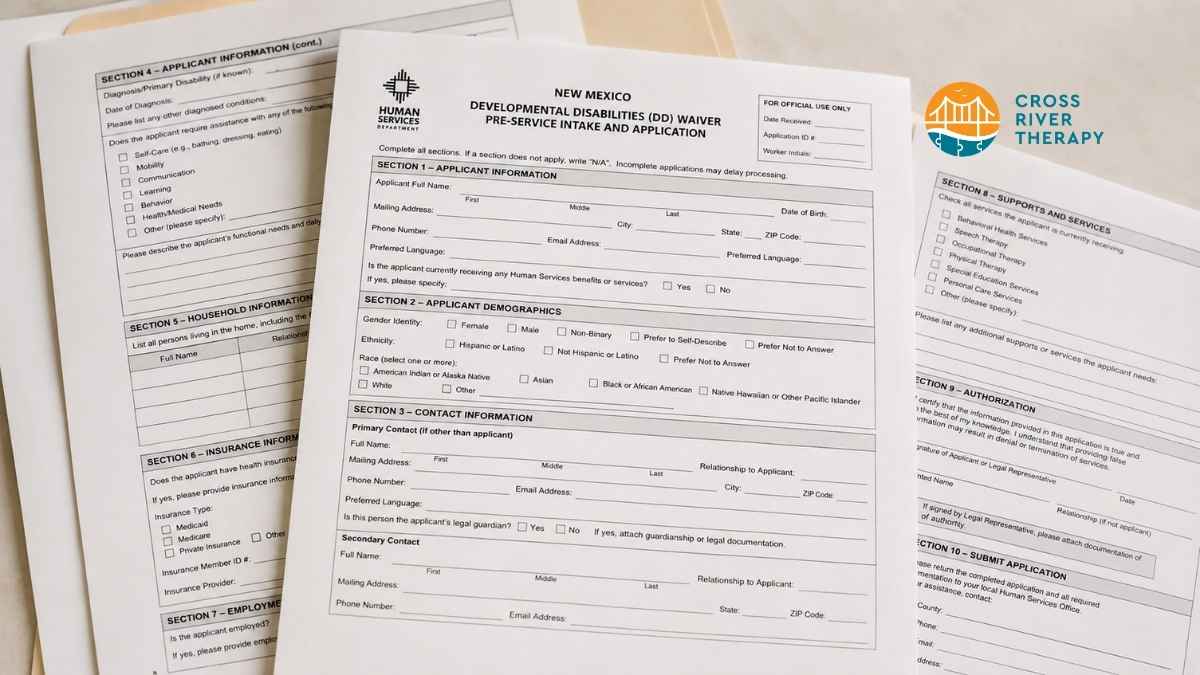
How to Apply for New Mexico’s DD Waiver While Starting ABA Therapy
Autism waiver New Mexico applications need DD Waiver records and proof of daily support needs. Your next step is to start ABA intake with Cross River.

Is ABA Therapy Covered by Insurance in New Jersey? What Every Parent Should Know
ABA therapy insurance New Jersey may cover medically necessary care based on plan type, network, and authorization. Verify benefits with Cross River.

How ABA Therapy Builds Communication for Nonverbal Children Without Forcing Speech
ABA therapy communication for nonverbal children starts with AAC, signs, and daily routines. See how kids ask, refuse, choose, and get help.

How to Start ABA Therapy in New Jersey With a First-Call Checklist
How to start ABA therapy in New Jersey begins with records, insurance details, and intake questions. Use this first-call checklist before you call.

How to Get an Autism Evaluation in Arkansas Before Starting ABA Therapy
How to get an autism evaluation in Arkansas starts with a referral, provider choice, and key records. Use this parent checklist before ABA intake.