








Learning Development Supported by ABA Therapy
Discover how ABA therapy for learning development transforms lives and empowers children with autism.


ABA Therapy Fundamentals
Overview of ABA Therapy
Applied Behavior Analysis (ABA) is a therapeutic approach that utilizes evidence-based techniques to assist children with autism in learning and developing essential skills. ABA focuses on understanding how behaviors change and are influenced by the environment. By applying established principles of learning and behavioral strategies, ABA aims to help individuals acquire new skills and apply them effectively in their daily lives [1].
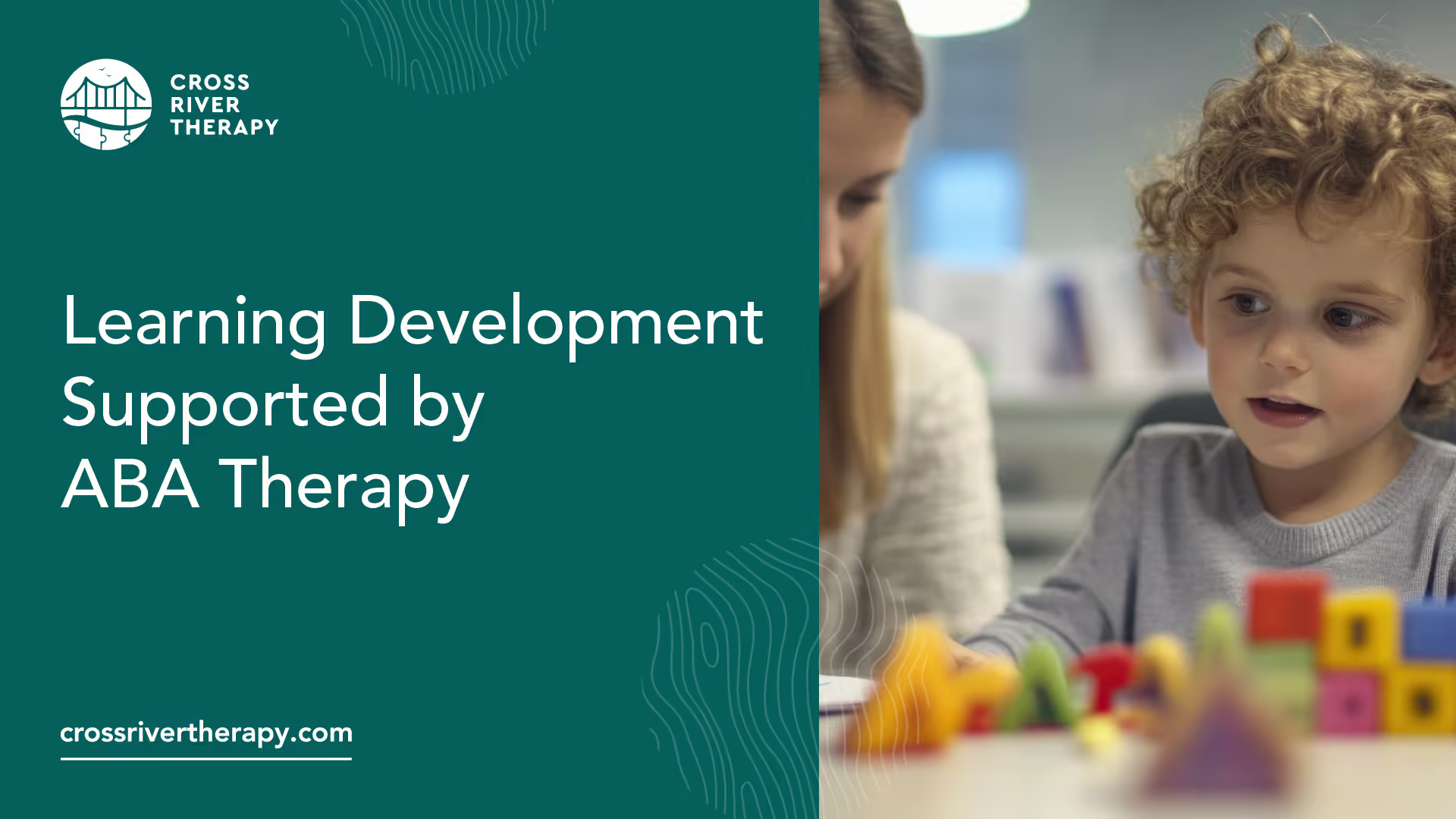
The therapy often includes positive reinforcement methods, which encourage desired behaviors by adding something enjoyable for the child, such as praise or rewards. In contrast to its earlier forms, which included punitive measures, modern ABA practices focus on nurturing and positive approaches, making it more favorable in the eyes of many caregivers.
Goals of ABA Therapy
The primary aim of ABA therapy is to help children with autism learn beneficial behaviors and skills that enhance their quality of life. The goals of this therapeutic approach can be summarized as follows:
- Increase Functional Skills: Help children develop skills to participate in everyday activities, such as social interactions and self-care routines.
- Reduce Maladaptive Behaviors: Identify and decrease behaviors that hinder learning or socialization, creating a more conducive learning environment.
- Enhance Communication: Improve the child’s ability to express needs, thoughts, and feelings effectively, bridging communication gaps.
- Foster Independence: Equip children with skills to perform tasks independently, encouraging self-sufficiency.
- Promote Social Interaction: Encourage positive social behaviors, enabling children to engage more comfortably with peers and family members.
ABA therapy can be tailored to address specific challenges and goals unique to each child, making it a versatile option for parents looking to support their child's development.
Benefits of Early ABA Intervention
Importance of Early Intervention
Early intervention plays a crucial role in the development of children diagnosed with Autism Spectrum Disorder (ASD). Implementing ABA therapy as soon as a child is diagnosed can lead to significant improvements in their long-term outcomes.
Research indicates that ABA therapy is most effective when started during infancy and early childhood, providing children with the necessary skills to thrive socially and behaviorally.
This proactive approach allows children to engage in learning experiences that foster communication, interaction, and independence. Early intervention is often recommended for all individuals with ASD, regardless of severity, to maximize potential developmental gains.
The emphasis on early ABA therapy reflects its strong foundation in seven core dimensions, which ensure effective treatment tailored to the child's needs. These dimensions include generalization, effectiveness, and behavioral observation, making ABA therapy a comprehensive strategy for childhood development.
- Infancy: Start ABA intervention early to promote foundational skills.
- Early Childhood: Focus on social skills, communication, and daily living skills.
- Throughout Childhood: Adjust and adapt ABA strategies to match developmental progress.
Long-Term Outcomes of Early ABA
Starting ABA therapy early can result in improved long-term outcomes, leading to significant advancements in various areas of life for children with autism. The skills learned during early intervention not only benefit children in immediate settings but also set the stage for their future development.
Studies show that children who receive early ABA therapy are more likely to achieve essential life skills, including effective communication and social interaction. As they grow, these skills contribute to increased independence and a higher quality of life. ABA therapy allows children to acquire skills they will use for the rest of their lives [2].
- Communication Skills: Improved ability to express needs and engage with peers.
- Social Interaction: Enhanced relationships and understanding of social cues.
- Daily Living Skills: Greater independence in completing age-appropriate tasks.
By emphasizing the benefits of early ABA intervention, parents can make informed decisions that positively impact their child's developmental journey.

Tailoring ABA Therapy Approaches
ABA therapy can be highly effective when tailored to meet the unique requirements of children with autism. By customizing approaches based on age and individual needs, families can optimize learning development.
Customizing ABA for Different Ages
As children grow and develop, their needs change. ABA therapy can adapt to these changes by focusing on foundational skills for young children while enhancing independence for older individuals. This ensures that the therapy remains relevant and beneficial throughout different stages of life [3].
- Infants and Toddlers: Developing communication skills and basic social interactions.
- Preschool Age: Learning foundational behaviors and understanding routines.
- School-Age: Academics, peer interactions, and coping strategies.
- Adolescents: Promoting independence, life skills, and social relationships.
By understanding how ABA therapy adapts for various age groups, parents can be active participants in their child's development journey.
Individualizing ABA Programs
Each child is unique, with distinct strengths and challenges. This requires programs to be individualized. ABA therapy effectiveness hinges on the use of tailored interventions that reflect each child’s specific needs and preferences. For example, positive reinforcement strategies can differ significantly from one child to another, depending on what motivates them.
Individualized programs may include:
- Verbal Behavior: Increasing communication skills through speech or alternative communication methods like AAC devices or PECS.
- Social Skills: Teaching children to interact appropriately with peers and adults.
- Behavioral Interventions: Replacing negative behaviors with appropriate alternatives through techniques such as differential reinforcement of alternative behaviors (DRA).
The individualized approach helps develop key skills that lead to long-term benefits. Parents can collaborate with ABA professionals to adjust strategies based on progress and changing needs.
By customizing therapy based on age and individual requirements, parents can ensure their children receive the most effective support to thrive in their development.
Effective ABA Techniques
ABA therapy utilizes various techniques to promote learning and behavior change in children with autism. Two key components of effective ABA practices are positive reinforcement strategies and the management of environmental variables.
Positive Reinforcement Strategies
Positive reinforcement strategies are foundational in ABA therapy. This technique involves providing rewards that are meaningful to the individual when they exhibit desired behaviors. The intention behind this is to encourage the individual to continue using the skill, which ultimately promotes behavior change over time.
The following table summarizes various types of reinforcement strategies and examples:
Verbal Praise: Acknowledgment of desired behavior
- Examples: "Great job! You did it!"
Tangible Rewards: Physical items given as rewards
- Examples: Stickers, toys, or snacks
Activities: Engaging in fun activities as rewards
- Examples: Extra playtime, a trip to the park
Tokens: Token systems where tokens can be exchanged for rewards
- Examples: Point systems for desired activities
Positive reinforcement is particularly effective since it helps to motivate children who may not acquire skills as quickly as others, leading them to develop important skills like listening, attending, reading, and engaging socially.
Environmental Variables in ABA
Environmental variables play a crucial role in ABA therapy. Adjusting these variables can significantly influence the effectiveness of learning experiences. ABA focuses on creating settings that foster positive behaviors while minimizing distractions or triggers for undesirable behaviors.
Key environmental variables include:
- Physical Environment: The arrangement of furniture and materials can make a difference in a child's ability to focus and engage in tasks. A clutter-free and organized space promotes better concentration.
- Social Environment: The presence of supportive peers or adults can motivate a child to participate and learn. Positive social interactions can enhance the learning process.
- Routine and Structure: Maintaining a consistent schedule helps children understand expectations and decreases anxiety about transitions between activities.
By carefully manipulating these environmental factors, practitioners are able to support behavior change and skill acquisition more effectively, addressing a broad range of issues from social skills to daily living competencies [1].
Skills Developed Through ABA
ABA therapy is instrumental in helping children with autism acquire essential skills in various domains. The two key areas of development include social and communication skills, alongside daily living and self-management skills.
Social and Communication Skills
One of the primary focuses of ABA therapy is enhancing social interactions and communication among children with autism. Through personalized approaches, children improve their ability to understand social cues and engage with peers. ABA utilizes play-based and natural environment teaching strategies to foster these skills.
Key areas of development in social skills include:
- Understanding Social Cues: Learning to interpret facial expressions, tone of voice, and body language.
- Building Relationships: Developing friendships through shared activities and communication.
- Effective Communication: Enhancing verbal skills and exploring alternative methods like sign language or AAC devices.
ABA therapy also emphasizes the importance of interaction, helping children articulate their needs and feelings better. For example, by teaching children effective communication methods, like the Picture Exchange Communication System (PECS), therapists enable them to express themselves more clearly [5].
Daily Living and Self-Management Skills
In addition to social skills, ABA therapy focuses on daily living skills that promote independence. This includes teaching children how to perform tasks required for daily self-care and general grooming.
Areas of self-management may include:
- Personal Hygiene: Learning how to brush teeth, wash hands, and bathe.
- Meal Preparation: Understanding basic cooking tasks and food safety.
- Money Management: Teaching the value of money, making simple purchases, and understanding change.
- Organization Skills: Developing routines for homework, chores, and personal items.
By providing tailored ABA therapy programs that consider individual strengths and areas of need, children are empowered to gain skills that foster independence as they grow. This individualized support, delivered by a board-certified behavior analyst (BCBA), ensures that the unique challenges faced by each child are addressed.
Parents seeking more information on how ABA therapy can support their child's development may find our articles on aba therapy for social development and aba therapy for childhood development particularly helpful.
Criticisms and Effectiveness of ABA
When considering ABA therapy for learning development, it is essential for parents to understand the criticisms surrounding this approach, as well as its effectiveness in numerous areas related to childhood development.
Past Criticisms of ABA
Applied Behavior Analysis (ABA) has faced criticism over the years, particularly concerning its early techniques. In its initial form, ABA utilized punishment as a method of behavioral modification for children who struggled to learn new skills. Although the use of punishment has been discontinued, some individuals still express concerns regarding the ethics and implications of ABA therapy.
Critics argue that the focus on behavior change might overshadow the therapeutic relationship and emotional well-being of the child. Additionally, there is concern about whether the methods used in ABA are respecting the autonomy and individuality of each child, especially when it comes to the potential for discomfort during the therapy process.
Effectiveness of ABA Interventions
Despite the criticisms, numerous studies indicate that ABA-based interventions can yield significant benefits, particularly in the areas of socialization, communication, and expressive language skills for children with autism spectrum disorder (ASD). A meta-analysis involving 14 randomized controlled trials with 555 participants showed varied outcomes:
- General Symptoms of ASD: No significant effects noted
- Receptive Language: No significant effects noted
- Adaptive Behavior: No significant effects noted
- Daily Living Skills: No significant effects noted
- Communication Skills: Significant improvements observed
- Socialization Skills: Significant improvements observed
These findings suggest that while ABA may not show significant effects across all areas of development, it does provide promising results for improving essential communication and social skills in children with ASD.
It is crucial for parents to consider these findings in relation to their child's specific needs and context. Consulting with professionals who specialize in ABA therapy and understanding the potential benefits and limitations of this approach can help parents make informed decisions regarding their child’s therapy journey.
References
[1]: https://vcuautismcenter.org/resources/factsheets/printView.cfm/982
[2]: https://behavioral-innovations.com/autism-101/what-is-aba/
[3]: https://www.adinaaba.com/post/at-what-age-is-aba-therapy-most-effective
[4]: https://www.autismspeaks.org/applied-behavior-analysis
[5]: https://www.empowerbh.com/blog/benefits-of-aba-therapy/
[6]: https://my.clevelandclinic.org/health/treatments/25197-applied-behavior-analysis
Recent News
Related articles

6 Arkansas Medicaid ABA Therapy Rules Families Need to Know
Arkansas Medicaid ABA therapy has age, diagnosis and approval rules. Families can check six requirements before care.

Arizona Autism Laws for ABA Coverage and School Rights
Arizona autism laws for ABA coverage vary by plan. Families can check insurance, appeal options, and school rights.

ABA Therapist Salary in Arkansas for RBTs and BCBAs
Compare ABA therapist salary in Arkansas by role. See how paid hours and benefits affect earnings before applying.

5 Autism Support Groups and Family Resources in New Mexico
Autism support groups in New Mexico connect families. Local resources offer events, parent support, and school help.

Where to Get an Autism Evaluation in New Mexico
Autism evaluation options in New Mexico include UNM and NMSU. Age and referral details help parents prepare.

7 North Carolina Autism Resources to Contact Before ABA Therapy Starts
Autism resources North Carolina families can call for diagnosis, early intervention, rights, and parent support. Start ABA intake with Cross River.

Does Indiana Medicaid Cover ABA Therapy? A Parent Checklist
Indiana Medicaid ABA therapy may cover care for eligible children. The checklist covers coaching and renewals.

How to Apply for the New Mexico DD Waiver
Your NM DD waiver application starts with state intake. The steps cover records, submission, and enrollment.

Does Insurance Cover ABA Therapy in New Jersey?
ABA therapy insurance in New Jersey varies by plan. Learn what NJ FamilyCare covers and how to check costs.

How ABA Therapy Builds Communication for Nonverbal Children Without Forcing Speech
ABA therapy communication for nonverbal children starts with AAC, signs, and daily routines. See how kids ask, refuse, choose, and get help.

How to Start ABA Therapy in New Jersey With a Checklist
Your guide explains how to start ABA therapy in New Jersey. A first-call checklist covers records and next steps.

How to Get an Autism Evaluation in Arkansas Before Starting ABA Therapy
How to get an autism evaluation in Arkansas starts with a referral, provider choice, and key records. Use this parent checklist before ABA intake.