








What Is Auditory Stimming In Autism?
Discover the world of auditory stimming in autism and how it impacts sensory processing and communication for your child.

Understanding Auditory Stimming
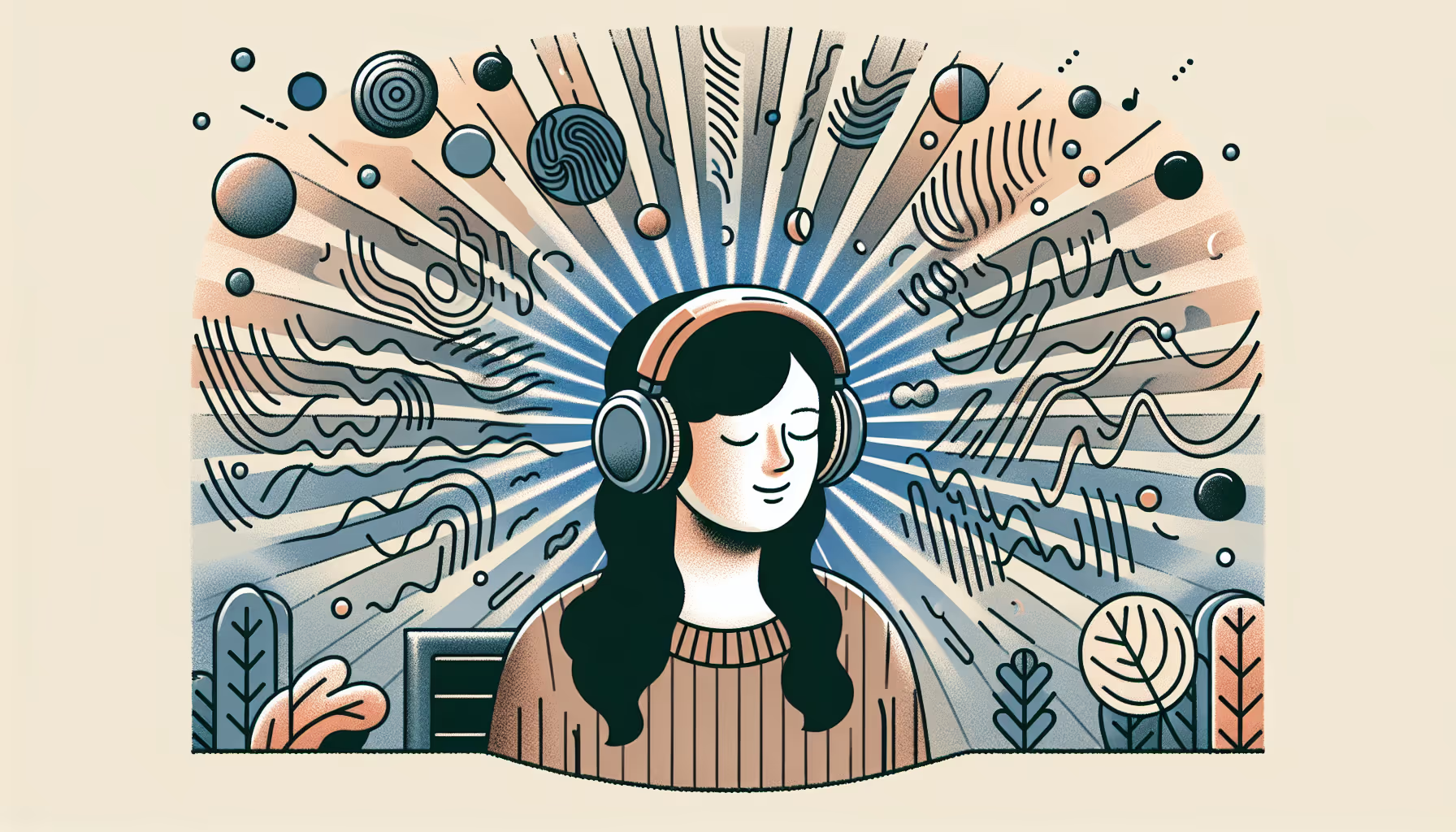
In the context of autism, auditory stimming refers to the repetitive use of sounds or noises to engage the sense of hearing. This self-stimulatory behavior, also known as stimming, serves various purposes for individuals on the autism spectrum. It can involve activities such as humming, tapping, or making vocalizations. Understanding the definition and purpose of stimming is essential in supporting individuals with autism.
Definition and Purpose of Stimming
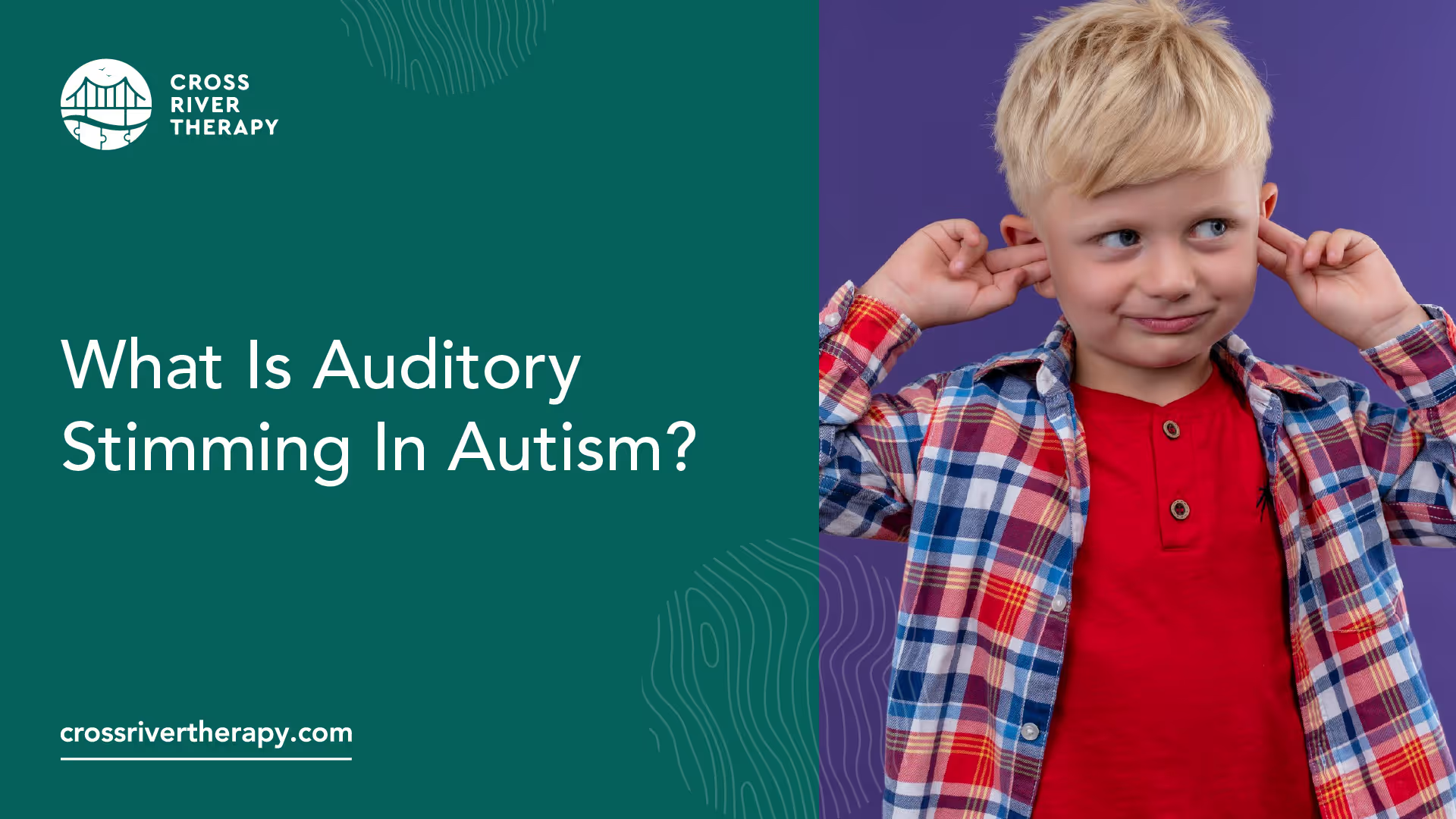
Stimming is a term used to describe self-stimulatory behaviors commonly observed in individuals with autism spectrum disorder. These behaviors involve repetitive movements, sounds, or actions that provide self-stimulation. Auditory stimming specifically focuses on the use of sounds or noises to regulate emotions and sensory experiences.
The purpose of stimming varies from person to person, but it often serves as a coping mechanism to manage sensory overload and regulate emotions. For individuals with autism, the world can be overwhelming, with bright lights, loud noises, and other sensory stimuli causing distress. Engaging in auditory stimming can help block out overwhelming sensory input and provide a sense of comfort and control. Stimming can also serve as a way to release nervous energy, reduce anxiety, and promote emotional regulation.
Importance of Auditory Stimming
Auditory stimming plays a crucial role in the lives of individuals with autism. It is an instinctive response that aids in managing sensory overload and promoting emotional well-being. By engaging in repetitive sounds or noises, individuals with autism can create a soothing and predictable environment for themselves. This can help alleviate feelings of anxiety, frustration, and discomfort.
Moreover, auditory stimming can serve as a form of communication for individuals with autism. Certain behaviors, such as hand flapping or tapping, may indicate feelings of anxiety or excitement, while rocking or pacing may signal a need for comfort or stimulation. By understanding and recognizing these behavioral signs and signals, caregivers, educators, and therapists can better support and connect with individuals on the autism spectrum.
It is important to note that while auditory stimming is a natural and valuable aspect of autism, it is also essential to consider strategies for managing stimming behaviors when they interfere with daily functioning. Occupational therapy and behavioral interventions can help individuals with autism learn alternative coping strategies and develop skills to navigate their sensory experiences effectively.
Impact of Auditory Stimming
When it comes to individuals with autism, auditory stimming plays a significant role in their daily lives. This section will explore the impact of auditory stimming, specifically focusing on how it helps cope with sensory overload and aids in emotional regulation.
Coping with Sensory Overload
For individuals with autism, sensory overload can be overwhelming. Bright lights, loud noises, and other sensory stimuli can become distressing and lead to heightened anxiety. In these situations, auditory stimming serves as a coping mechanism to manage sensory overload and provide a sense of comfort.
By engaging in repetitive sounds or noises, such as humming, tapping, or vocalizations, individuals with autism are able to block out overwhelming stimuli and create a more manageable sensory environment. This self-soothing behavior helps regulate their sensory experiences, reduce anxiety, and restore a sense of calm.
Emotional Regulation through Stimming
One of the important functions of auditory stimming in autism is its role in emotional regulation. Stimming behaviors allow individuals to release nervous energy and help them feel more in control of their emotions. It can be a way to self-soothe during times of stress or discomfort.
Engaging in repetitive behaviors like tapping or humming can offer relief and provide comfort in challenging situations. Stimming helps individuals with autism regulate their emotions, alleviate physical discomfort, and cope with sensory overload. It allows them to express and manage stronger emotions, such as frustration or joy, in a way that feels safe and familiar.
Understanding the impact of auditory stimming is crucial for parents and caregivers of individuals with autism. By recognizing the purpose and benefits of stimming, they can provide a supportive environment that respects and accommodates these coping mechanisms. It's important to remember that auditory stimming is a natural response for individuals with autism and serves as a valuable tool for managing sensory overload and regulating emotions.
Communicative Aspect of Auditory Stimming
In individuals with autism, auditory stimming can also serve as a form of communication. Stimming behaviors, such as repetitive vocalizations, hand flapping, or tapping, can convey different emotions and needs. Understanding these behaviors is crucial for effective communication and support.

Using Stimming as Communication
For individuals with autism, stimming behaviors can be a way to express their emotions or needs when verbal communication may be challenging. Hand flapping or tapping, for example, may indicate feelings of excitement or anxiety, while rocking or pacing may signal a need for comfort or stimulation. It's important to pay attention to the context and patterns of these behaviors to better understand the individual's communication cues.
By recognizing and interpreting stimming behaviors, caregivers and educators can gain valuable insights into the emotional state and sensory needs of individuals with autism. This understanding enables them to provide appropriate support and create an environment that promotes effective communication and emotional well-being.
Behavioral Signs and Signals
Stimming behaviors can be seen as behavioral signs and signals that individuals with autism use to express themselves. These repetitive behaviors serve as nonverbal communication, allowing individuals to soothe or convey intense emotions or thoughts.
Each individual may have their own unique set of stimming behaviors. Some common examples include hand flapping, finger flicking, body rocking, humming, or vocalizations. It is essential to observe and understand the specific stimming behaviors of each individual, as they may vary in intensity and frequency depending on the person and the situation.
Careful observation and analysis of stimming behaviors can provide valuable information about an individual's emotional state, sensory needs, and triggers. This insight helps caregivers and professionals tailor interventions and support strategies to meet the individual's unique communication and sensory requirements.
By recognizing that auditory stimming can be a form of communication, we can better understand and respond to the needs of individuals with autism. Creating a supportive environment that acknowledges and respects these stimming behaviors can foster effective communication and help individuals with autism thrive.
Managing Auditory Stimming
When it comes to managing auditory stimming in individuals with autism, it is essential to implement strategies that promote self-regulation and overall well-being. While stimming behaviors can serve various purposes, such as decreasing sensory overload and communicating intense emotions, it is important to find a balance that allows individuals to express themselves while still functioning effectively in their daily lives.
Strategies for Reducing Stimming
While it may not be necessary or beneficial to completely eliminate stimming behaviors, there are strategies that can help individuals with autism manage their stimming in a way that is more socially acceptable and less disruptive. Here are some strategies for reducing stimming:
- Identify Triggers: Understanding what triggers stimming behaviors is the first step in managing them. By identifying specific situations, environments, or emotions that lead to stimming, individuals and their caregivers can develop strategies to address and minimize these triggers.
- Provide Alternative Outlets: Introducing alternative activities or objects that provide sensory input or emotional release can redirect stimming behaviors. For example, providing stress balls, soft fabrics, or engaging in deep breathing exercises can serve as more socially acceptable and calming alternatives to vocal or physical stimming.
- Engage in Cognitive Behavioral Therapy (CBT) and Acceptance and Commitment Therapy (ACT): These therapeutic approaches can help individuals with autism develop coping skills and strategies to manage stimming behaviors. CBT focuses on identifying and modifying thoughts and behaviors, while ACT promotes acceptance of thoughts and emotions while committing to valued actions. These therapies can be effective in reducing the frequency and intensity of stimming behaviors.
Occupational Therapy and Behavioral Interventions
Occupational therapy (OT) plays a vital role in managing stimming behaviors in individuals with autism. OT focuses on making environmental adjustments to support individuals with stimming behaviors by modifying sensory information in their surroundings. Occupational therapists work closely with individuals and their families to develop personalized strategies that promote self-regulation and minimize disruptive stimming behaviors.
Behavioral interventions are also commonly utilized to manage stimming behaviors. Functional behavior analysis (FBA) is often conducted to identify the function or purpose of the stimming behavior. Based on the analysis, behavior intervention plans are developed to address the underlying needs and provide alternative coping strategies.
By combining occupational therapy and behavioral interventions, individuals with autism can learn how to regulate their sensory experiences, adapt to their environment, and develop more functional ways to cope with emotions and sensory input. These interventions can be tailored to the individual's unique needs, promoting their overall well-being and quality of life.
It is important to note that while managing stimming behaviors is beneficial, it is equally crucial to respect and understand that stimming serves a purpose for individuals with autism. By implementing supportive strategies and interventions, individuals can find a balance between self-expression and functional communication, enhancing their overall development and daily functioning.
Sensory Processing in Auditory Stimming
Understanding the sensory aspects of auditory stimming is crucial when discussing its impact on individuals with autism. Two key factors that play a role in auditory stimming are auditory sensitivity in autism and sensory processing disorder (SPD).
Auditory Sensitivity in Autism
It is well-documented that individuals with autism may experience hypersensitivity or decreased tolerance to sound, a condition known as hyperacusis. Research suggests that nearly 18-40% of children with autism experience hyperacusis. Auditory hypersensitivity is a prevalent and disabling sensory feature of autism, with more than 50% of individuals with autism exhibiting impaired sound tolerance.
Children with auditory sensitivity may be easily startled by unexpected sounds, dislike loud noises, cover their ears, and find it challenging to concentrate in noisy environments. They may also experience auditory overload, leading to heightened anxiety or sensory overload.
In some cases, individuals with autism may exhibit auditory sensitivities even in the absence of significant background noise, resulting in a need to cover their ears or seek quiet environments. This heightened auditory sensitivity can have a significant impact on their daily lives and interactions.
Sensory Processing Disorder and Stimming
Sensory processing disorder (SPD) is a condition in which individuals have difficulty processing and responding to sensory stimuli. Auditory sensitivity, or hyperacusis, is frequently reported by individuals with both autism and SPD. It can cause individuals to be easily startled by unexpected sounds, dislike loud noises, cover their ears, and be easily distracted by background noises.
Stimming, including auditory stimming, can serve as a coping mechanism for individuals with sensory processing difficulties. By engaging in self-stimulatory behaviors, such as hand-flapping, rocking, or vocalizations, individuals with autism and SPD can regulate their sensory experiences and manage sensory overload.
Understanding the sensory processing challenges faced by individuals with autism can help parents, caregivers, and professionals develop effective strategies to support them. Occupational therapy and other behavioral interventions can play a crucial role in managing auditory stimming and providing individuals with the necessary tools and techniques to navigate their sensory experiences effectively.
By recognizing the impact of auditory sensitivity and sensory processing difficulties on auditory stimming, we can strive to create an environment that is supportive and accommodating for individuals with autism.
Research Insights on Auditory Stimming
To gain a deeper understanding of auditory stimming in individuals with autism, researchers have conducted various studies focusing on auditory sensory processing and its connection to cognitive functions. These research insights provide valuable information regarding the unique sensory experiences of individuals on the autism spectrum and shed light on the complex relationship between auditory stimulation and cognitive processing.
Studies on Auditory Sensory Processing
Research on auditory sensory processing in individuals with Autism Spectrum Disorders (ASD) has yielded varied findings. Some studies have reported no significant differences in central transmission latency or amplitude between individuals with ASD and neurotypical individuals. However, other studies have identified differences in latency, demonstrating faster or delayed cortical latencies compared to neurotypical controls [7].
Furthermore, nearly 18-40% of children with autism experience hyperacusis, which refers to increased sensitivity or decreased tolerance to sound. This heightened sensitivity can contribute to auditory overload and is frequently reported by autistic individuals and those with Sensory Processing Disorder (SPD) [5]. Some individuals on the autism spectrum may exhibit hyper- or hypo-sensitivity to various sensory stimuli, including auditory stimuli.
Cognitive Functions and Sensory Processing
Attention plays a significant role in sensory processing among individuals with ASD, impacting every stage of sensory processing and associated cognitive functions. The unique sensory experiences of individuals on the autism spectrum can influence their cognitive functioning, including attention, memory, and information processing.
Additionally, studies have found that individuals with ASD may present heightened pitch detection, with superior pitch perception associated with sensory deficits in adults diagnosed with ASD. These findings highlight the intricate connection between auditory sensory processing and cognitive functions in individuals with autism.
Understanding the research insights on auditory stimming and its association with sensory processing and cognitive functions can help parents and caregivers better support individuals on the autism spectrum. By recognizing and addressing auditory sensitivities, implementing appropriate interventions, and providing necessary accommodations, individuals with autism can navigate their sensory experiences more effectively.
References
[2]: https://www.neurosparkhealth.com/blog/10-most-common-autism-stimming-examples.html
[4]: https://www.verywellmind.com/vocal-stimming-in-adhd-and-autism-7970199
[5]: https://www.ncbi.nlm.nih.gov/pmc/articles/PMC10033482/
[6]: https://www.griffinot.com/auditory-sensitivity-autism-sensory/
Recent News
Related articles

5 Autism Support Groups and Family Resources in New Mexico Alongside ABA Therapy
Autism support groups New Mexico families can use offer peer support, local events, and school help. Cross River can explain ABA therapy options.

Where to Get an Autism Evaluation in New Mexico Before Starting ABA Therapy
Autism evaluation New Mexico options include UNM, NMSU, FIT, and private providers. Compare providers, records, and ABA steps with Cross River.

7 North Carolina Autism Resources to Contact Before ABA Therapy Starts
Autism resources North Carolina families can call for diagnosis, early intervention, rights, and parent support. Start ABA intake with Cross River.

Does Indiana Medicaid Cover ABA Therapy? A Step-by-Step Eligibility Checklist for Parents
Medicaid ABA therapy Indiana covers eligible children under 21 with prior authorization. Your five-step coverage review can start with Cross River.

How to Apply for New Mexico’s DD Waiver While Starting ABA Therapy
Autism waiver New Mexico applications need DD Waiver records and proof of daily support needs. Your next step is to start ABA intake with Cross River.

Is ABA Therapy Covered by Insurance in New Jersey? What Every Parent Should Know
ABA therapy insurance New Jersey may cover medically necessary care based on plan type, network, and authorization. Verify benefits with Cross River.

How ABA Therapy Builds Communication for Nonverbal Children Without Forcing Speech
ABA therapy communication for nonverbal children starts with AAC, signs, and daily routines. See how kids ask, refuse, choose, and get help.

How to Start ABA Therapy in New Jersey With a First-Call Checklist
How to start ABA therapy in New Jersey begins with records, insurance details, and intake questions. Use this first-call checklist before you call.

How to Get an Autism Evaluation in Arkansas Before Starting ABA Therapy
How to get an autism evaluation in Arkansas starts with a referral, provider choice, and key records. Use this parent checklist before ABA intake.

Center-Based vs In-Home vs School-Based ABA Therapy and How to Choose the Right Fit
Center-based, in-home, and school-based ABA therapy each fit different goals, routines, and settings. Compare options before your intake call.

Early Signs of Autism: A Guide for North Carolina Parents
Early signs of autism North Carolina parents notice can include speech, play, sensory, or skill loss patterns. See what to track before screening.

Early Intervention ABA Therapy in Albuquerque, NM: Why Starting Early Matters
Early intervention ABA therapy in Albuquerque, NM helps toddlers practice communication, play, and routines. Spot signs and care options sooner.