








Autism and energy-efficient smart lighting
Illuminating Autism Support: The Role of Smart Lighting

Understanding the Role of Lighting in Autism Support
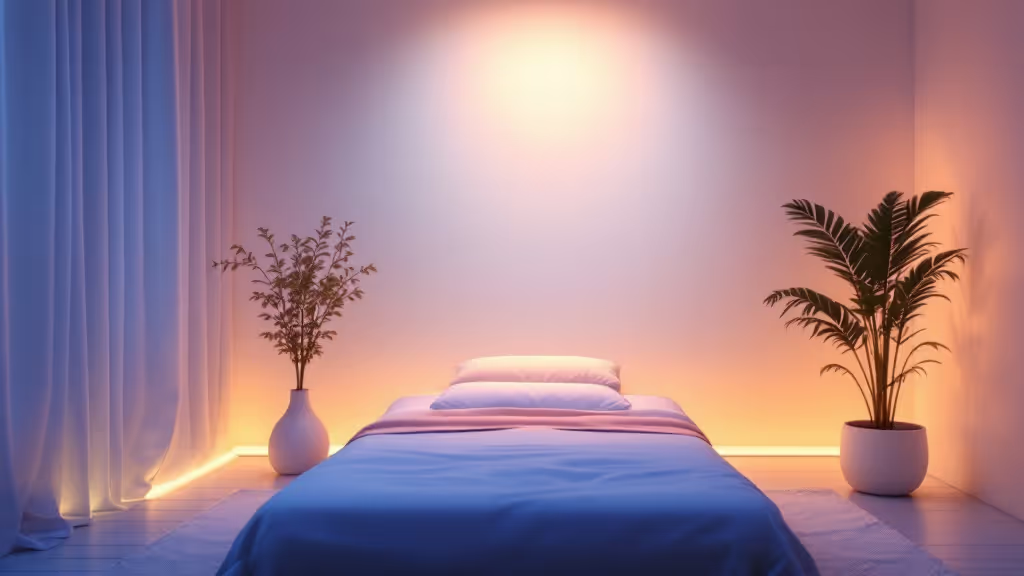
In creating autism-friendly environments, the role of lighting is paramount. Individuals with Autism Spectrum Disorder (ASD) often have heightened sensitivity to light, which can significantly impact their sensory experiences and well-being. As research unveils more about the sensory needs of autistic individuals, energy-efficient smart lighting emerges as a promising solution. This article explores how advanced lighting technology not only conserves energy but also caters to the nuanced sensory requirements of those on the autism spectrum.
The Impact of Lighting on Individuals with Autism
How does lighting affect individuals with autism?
Lighting affects individuals with autism in significant ways, influencing their mood, behavior, and comfort levels. Mellow colors like blue and green can promote relaxation and emotional balance, aiding in enhancing focus and reducing anxiety. Conversely, harshly colored or flickering lights can lead to confusion and distress, potentially triggering meltdowns or heightened sensory overload.
Natural light is particularly beneficial, alleviating symptoms associated with seasonal affective disorder (SAD) and contributing to better overall well-being. Exposure to natural light helps regulate circadian rhythms, supporting improved sleep patterns and mood stability for individuals with autism.
The benefits of natural lighting
Integrating natural lighting with artificial lighting optimizes comfort. Natural light converters, such as sunscreens or window films that adjust to daylight changes, can simulate sunlight patterns, promoting health and boosting energy levels.
Using adjustable LED lighting paired with programmable smart systems allows caregivers to customize brightness and color temperature. This can create sensory-friendly spaces that cater to individual sensory needs.
In summary, effective lighting design in living or learning environments for individuals on the autism spectrum can transform their daily experiences. It can mitigate discomfort and enhance engagement in activities, ultimately enriching their overall quality of life.
Optimal Lighting Choices for Autism
Recommended Lighting Types for Autism
The best lighting for individuals with autism significantly enhances their living environment. LED lighting is often considered the optimal choice because it provides a steady, flicker-free illumination that produces natural-colored light. This helps in reducing sensory overload which is crucial for those who are particularly sensitive to bright and flickering lights.
Instead of traditional fluorescent lights, which can be harsh and overstimulating, LED lights offer a variety of warm and soft tones that promote relaxation and emotional stability. Natural light is also ideal, as it helps regulate circadian rhythms and improves mood, so incorporating windows or natural light simulators into the design is beneficial.
Features That Reduce Discomfort
When selecting lighting, consider features like customizable brightness and color temperature to tailor the environment to individual sensory preferences. Smart lighting systems allow users to adjust their settings easily, creating a soothing atmosphere that aligns with daily routines.
Moreover, anti-glare and diffused lighting options can reduce visual disruption, further enhancing comfort. Incorporating renewable energy sources and energy-efficient smart technologies not only lowers utility costs but also results in a quieter, calmer environment, crucial for individuals living with autism.
In summary, utilizing LED lighting with soft hues and offering customizable settings can create a comforting and supportive space that significantly benefits individuals with autism.
Creating Sensory-Friendly Environments with Smart Lighting
The dual benefits of energy-efficient lighting solutions
Energy-efficient lighting solutions not only promote environmental sustainability but also play a crucial role in supporting individuals with Autism Spectrum Disorder (ASD). By utilizing LED lighting, families can significantly reduce energy costs while creating calming environments that cater to specific sensory needs. LED lights have the added advantage of being adjustable in brightness and color temperature, which can help minimize sensory overload often triggered by harsh, fluorescent lighting.
Incorporating natural light into home designs is another effective strategy, as it regulates mood and enhances well-being. Natural light simulators can mimic daylight patterns throughout the day, further aiding in mood stabilization and improving sleep cycles. This approach not only nurtures emotional health but also results in significant energy savings when integrated with smart home technologies.
Techniques to reduce sensory overload in autistic environments
Implementing smart lighting technology offers several practical methods to reduce sensory overload within autistic environments. First, customizable smart lighting systems allow caregivers to tailor brightness and color to suit individual preferences. Soft hues such as blues and greens are especially beneficial, promoting relaxation and emotional balance.
Additionally, utilizing dimmable lights can help avoid abrupt transitions. Scheduling lighting changes to mimic the natural progression of daylight fosters a soothing atmosphere, which assists in managing daily activities without overwhelming sensory sensitivities.
Integrating smart home technologies enhances environmental control, enabling individuals to make adjustments using voice commands or apps, fostering a sense of independence. These strategies contribute to creating a structured and predictable atmosphere, vital for the comfort and stability of individuals on the autism spectrum.
By leveraging these energy-efficient lighting solutions, caregivers can better support the well-being of individuals with autism, creating nurturing environments conducive to relaxation and engagement.
Adjustable Lighting and Temperature Control Benefits

How can adjustable lighting and temperature control contribute to supportive environments for autistic individuals?
Adjustable lighting and temperature control can greatly contribute to creating supportive environments for autistic individuals by catering to their unique sensory sensitivities. Soft, consistent illumination from adjustable lighting reduces the risk of sensory overload, promoting relaxation and focus.
Features of Adjustable Lighting Systems
- Dimmable Options: Enable users to set the brightness to their comfort level, avoiding the harsh brightness that can provoke anxiety.
- Color Temperature Adjustments: Allows for warmer tones in the evening to mimic natural light, supporting better sleep patterns. Colors like soft blues and greens promote calmness and emotional stability.
- Flicker-Free Technology: Reduces visual stress, minimizing discomfort for individuals sensitive to light.
Smart Thermostats and Indoor Climate
The integration of smart thermostats plays a crucial role in maintaining a stable indoor climate. These systems can automatically adjust heating and cooling based on occupancy patterns, helping to alleviate discomfort associated with temperature fluctuations.
Overall, these technologies not only enhance the living environment but also support the mental well-being and quality of life for individuals on the autism spectrum. The combination of customizable lighting and temperature control creates a sanctuary that allows for emotional security and independence.
Designing Sensory Rooms: Lighting Essentials
What are the sensory room lighting requirements for individuals with autism?
Sensory room lighting is crucial for individuals with autism, focusing on creating calming, adaptable environments that meet their specific sensory processing needs. Here are essential considerations when selecting lighting:
- Choose LED Lighting: LED lights are preferred for sensory rooms due to their soft illumination and minimal flickering, which can prevent overstimulation. Unlike traditional fluorescent lighting, LEDs provide a consistent light source that is less likely to cause discomfort.
- Dimmability: Lighting systems should be easily adjustable, enabling caregivers to customize brightness levels based on the individual’s comfort. This adaptability is vital in accommodating varied sensory preferences throughout different times of the day.
- Natural Light Integration: Whenever possible, include access to natural light, which helps to regulate mood and maintain circadian rhythms. Natural light can enhance the therapeutic effects of the environment, promoting relaxation and well-being.
- Therapeutic Visual Elements: Incorporate sensory tools such as bubble tubes, sensory light projectors, and fiber optic lights. These not only engage but also help anchor attention, creating an interactive sensory experience.
- Noise Reduction Materials: Utilize materials in the sensory room that diminish sound disturbances, as loud noises can heighten sensory sensitivities in individuals with autism. Soft furnishings and soundproofing boards can help maintain a tranquil atmosphere.
- User Control: Providing individuals with control over their lighting enhances comfort. This can be achieved through remote controls or smartphone apps that allow adjustments to lighting conditions without needing assistance.
These lighting elements combine to create a supportive space conducive to engagement and relaxation, significantly improving the overall sensory experience for individuals with autism.
Understanding the Intersection of Energy Efficiency and Autism Support
Economic and Sensory Benefits of Smart Home Technologies
Energy-efficient technologies, particularly smart lighting solutions, serve dual purposes for individuals with Autism Spectrum Disorder (ASD). They significantly enhance sensory comfort while simultaneously reducing energy costs. By using LED lighting, which is known for its energy efficiency and adaptive features, families can save between 75% and 90% on energy bills when compared to traditional lighting options. This financial relief enables families to redirect funds towards essential therapies and services crucial for supporting individuals with autism.
Additionally, smart lighting systems can provide beneficial sensory environments. The ability to adjust brightness and color temperature helps create calming atmospheres, reducing sensory overload that often leads to anxiety in autistic individuals. Soft and mellow colors, particularly in the blue and green spectrum, are less overstimulating and can foster relaxation and emotional balance.
The Importance of Customizing Lighting Conditions
Customizable lighting is vital for addressing the specific sensory sensitivities common among individuals with autism. Energy-efficient smart lighting systems allow for adjustments to meet individual needs, significantly improving the daily experiences of autistic individuals. Features such as dimming, flicker-free technology, and the ability to schedule lighting changes throughout the day help regulate mood and create a sense of security.
Natural light is critical in these environments as well. Natural light simulators can mimic daylight cycles, aiding in mood regulation and measuring effects of seasonal changes on behavior. Overall, personalized lighting conditions promote focus, communication, and social interactions, ultimately contributing to a better quality of life for those living with autism.
Harnessing LED Lighting for Energy Efficiency and Comfort
Benefits of LED Lighting
LED lighting is a fantastic option for homes designed with autism in mind. Its energy efficiency is a standout feature, using up to 75% less energy than traditional incandescent bulbs. This translates into significant savings on utility bills, allowing families to direct funds toward essential support services and therapies for their autistic loved ones.
Moreover, LED lighting provides stable brightness and color temperature, which is crucial for those with sensory sensitivities. Its flicker-free operation minimizes visual disturbances, helping individuals with autism feel more at ease. The option to adjust brightness and color temperature allows caregivers to tailor the lighting environment, fostering a sense of security and comfort.
Creating Sensory-Friendly Environments
Integrating LED lighting into autism-friendly spaces can drastically impact comfort and emotional stability. Soft hues, particularly blues and greens, create calming atmospheres that help reduce anxiety and promote relaxation. With customizable features, such as dimming options, LED lighting can adapt throughout the day to support mood regulation and focus, especially during evenings when the transition from bright to dim can mirror natural light patterns.
Natural light simulators that mimic sunlight can also enhance well-being by regulating circadian rhythms. By combining these innovative lighting solutions, caregivers can craft environments that not only nurture sensory comfort but also promote the overall quality of life for individuals with autism.
Smart Lighting Systems: Enhancing Independence and Safety
Technological Advancements in Smart Lighting
Smart lighting systems have revolutionized how individuals with Autism Spectrum Disorder (ASD) interact with their environments. These advanced technologies offer customizable brightness and color temperature options, which can create calming atmospheres that cater specifically to the sensory needs of autistic individuals. By enabling adjustments to lighting conditions, these systems help mitigate discomfort and sensory overload, promoting emotional stability and reducing anxiety.
Beyond mere customization, many smart lighting solutions utilize energy-efficient technologies that significantly cut down electricity usage—up to 75% savings compared to traditional incandescent bulbs. This reduction in energy consumption not only fosters a soothing environment but also allows families to redirect financial resources towards essential therapies and services for their autistic loved ones.
Voice-Activated Controls for Empowering Autistic Individuals
Voice-activated technology further enhances the benefits of smart lighting systems, allowing individuals with autism to manage their surroundings independently. Through simple voice commands, they can adjust lighting conditions without needing assistance from caregivers. This independence is crucial for fostering self-reliance and building confidence in daily activities.
Moreover, integrating smart home technologies, including automated alerts and monitoring sensors, improves safety for autistic individuals. Features such as motion detection provide immediate notifications to caregivers, ensuring that residents can safely navigate their environments without fear of wandering. Overall, smart lighting systems not only enhance comfort but play a vital role in supporting the independence and safety of individuals with autism.
Reducing Sensory Overload through Customized Lighting Solutions
Adjustments in Light Intensity and Color
Individual sensory needs vary significantly among people with Autism Spectrum Disorder (ASD). Customized lighting solutions offer the flexibility to adjust light intensity and color to create a calming and comfortable environment. Smart LED lighting systems can modify brightness and color temperature, catering specifically to sensory sensitivities. For instance, mellow hues like soft blues and greens promote relaxation, while warmer tones can create a soothing atmosphere that helps manage anxiety.
Mitigating Sensory Overload
Harsh fluorescent lighting often contributes to sensory overload, resulting in discomfort for individuals with autism. By transitioning to energy-efficient lighting systems, such as dimmable LEDs, families can significantly reduce stress associated with overstimulating environments. Features like flicker-free lighting prevent visual disturbances, while programmable settings can simulate natural light patterns, supporting both mood regulation and focus. As a result, these tailored lighting strategies enhance emotional stability and facilitate better daily interactions for individuals with ASD.
Economic Benefits of Energy-Efficient Lighting

Cost savings in autism-supportive environments
Energy-efficient lighting solutions, particularly smart LED systems, can lead to substantial reductions in energy consumption. For instance, transitioning to LED lighting can reduce energy use by up to 75% compared to traditional incandescent bulbs. This change not only decreases utility bills but also minimizes the strain on family finances, creating a more manageable budget for those supporting individuals with Autism Spectrum Disorder (ASD).
Redirecting savings to essential services
The financial savings from energy-efficient practices can be redirected towards essential therapies and services for individuals with autism. Families may save anywhere from $100 to $200 annually through smart thermostats and energy-efficient appliances. Additionally, integrating renewable energy sources, like solar panels, can yield even greater savings, potentially between $600 and $1,200 per year. These funds can significantly enhance the quality of life for individuals with autism by supporting vital programs and services.
Adjustable Lighting: Alleviating Anxiety and Enhancing Comfort
Creating Calming Atmospheres
Adjustable lighting systems like smart LEDs are transformative for individuals with Autism Spectrum Disorder (ASD). They allow customization of brightness and color temperature, which can significantly mitigate sensory overload. Utilizing soft hues, particularly blues and greens, promotes relaxation and emotional balance. These mellow colors are less overstimulating, creating an environment that fosters calmness and encourages engagement in daily activities.
Promoting Emotional Stability
Furthermore, the flexibility of smart lighting enables transitions from brightly lit areas to softer, dimmer environments, mirroring natural light changes. This adaptability supports emotional regulation and stability, essential for managing anxiety levels. As individuals with autism often experience discomfort from harsh or flickering lights, implementing customizable smart lighting systems can contribute to an overall sense of security and comfort in their living spaces.
Smart Thermostats and Consistent Indoor Climates
Maintaining stability for sensory comfort
Smart thermostats play a vital role in creating a stable indoor environment for individuals with Autism Spectrum Disorder (ASD). Many people with autism are sensitive to temperature fluctuations, which can lead to increased anxiety and discomfort. These devices learn occupancy patterns and adjust heating and cooling accordingly, ensuring a consistently comfortable climate throughout the day. This predictability is crucial for reducing sensory overload and promoting emotional stability.
Reducing utility costs and enhancing independence
Beyond comfort, smart thermostats offer significant energy savings, potentially reducing costs by 10-15%. This financial relief, averaging $100 to $200 annually, allows families to allocate funds toward essential therapies and services for their loved ones with autism. Additionally, the ease of programming on smart thermostats enhances independence for individuals with ASD, enabling them to manage their environment with minimal assistance. This autonomy fosters confidence and reduces reliance on caregivers, further improving their quality of life.
The Path to Empowerment: Lighting the Way Forward
Energy-efficient smart lighting is a transformative element in creating autism-friendly environments. By understanding the unique sensory needs of individuals with autism and leveraging technological advancements, we can design spaces that not only enhance comfort but also support emotional stability and independence. This paradigm shift not only promises reduced energy costs but also contributes to better quality of life, allowing families to redirect saved resources to other essential needs. As we continue to explore and integrate smart technologies, the future of autism support glows brightly, paving a path for empowered and inclusive living spaces.
References
- How smart energy helps autism homes - Cross River Therapy
- Energy Solutions for Autism-Friendly Environments | Discovery ABA
- Autism sensory-friendly energy-efficient lighting - Cross River Therapy
- Smart Energy Tech for Autism Safety and Comfort - My Team ABA
- Smart Home Technology for Autism Sensory Needs - Yellow Bus ABA
Recent News
Related articles

6 Arkansas Medicaid ABA Therapy Rules Families Need to Know
Arkansas Medicaid ABA therapy has age, diagnosis and approval rules. Families can check six requirements before care.

Arizona Autism Laws for ABA Coverage and School Rights
Arizona autism laws for ABA coverage vary by plan. Families can check insurance, appeal options, and school rights.

ABA Therapist Salary in Arkansas for RBTs and BCBAs
Compare ABA therapist salary in Arkansas by role. See how paid hours and benefits affect earnings before applying.

5 Autism Support Groups and Family Resources in New Mexico
Autism support groups in New Mexico connect families. Local resources offer events, parent support, and school help.

Where to Get an Autism Evaluation in New Mexico
Autism evaluation options in New Mexico include UNM and NMSU. Age and referral details help parents prepare.
7 North Carolina Autism Resources to Contact Before ABA Therapy Starts
Autism resources North Carolina families can call for diagnosis, early intervention, rights, and parent support. Start ABA intake with Cross River.
Does Indiana Medicaid Cover ABA Therapy? A Parent Checklist
Indiana Medicaid ABA therapy may cover care for eligible children. The checklist covers coaching and renewals.
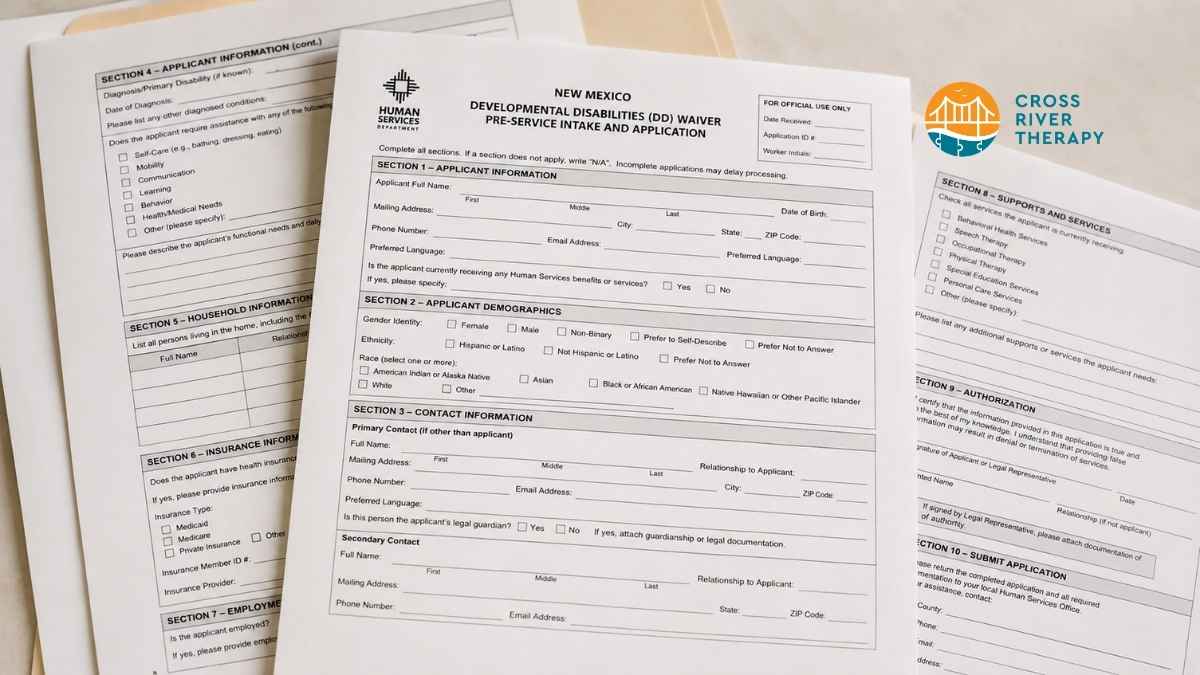
How to Apply for the New Mexico DD Waiver
Your NM DD waiver application starts with state intake. The steps cover records, submission, and enrollment.

Does Insurance Cover ABA Therapy in New Jersey?
ABA therapy insurance in New Jersey varies by plan. Learn what NJ FamilyCare covers and how to check costs.

How ABA Therapy Builds Communication for Nonverbal Children Without Forcing Speech
ABA therapy communication for nonverbal children starts with AAC, signs, and daily routines. See how kids ask, refuse, choose, and get help.

How to Start ABA Therapy in New Jersey With a Checklist
Your guide explains how to start ABA therapy in New Jersey. A first-call checklist covers records and next steps.

How to Get an Autism Evaluation in Arkansas Before Starting ABA Therapy
How to get an autism evaluation in Arkansas starts with a referral, provider choice, and key records. Use this parent checklist before ABA intake.