








Autism sensory-friendly energy-efficient lighting
Creating Calming Environments with Energy-Efficient Lighting for Autism

Summary of Accommodations
| Accommodation Type | Examples | Benefits |
|---|---|---|
| Light Covers/Filters | Fabric soft covers, anti-glare films | Softens harsh lighting, reduces glare |
| Personal Accessories | Sunglasses, hats | Minimizes direct light exposure |
| Supportive Workspaces | Quiet zones, adaptable lighting | Enhances comfort, focus, and productivity |
Implementing these accommodations not only addresses light sensitivity but also contributes to an environment that promotes relaxation and improved emotional stability.
Harnessing LED and Smart Lighting Solutions
Advantages of LED and Smart Lighting
LED lighting is a game changer for creating environments that cater to individuals on the autism spectrum. These lights provide consistent brightness and use up to 80% less energy than traditional incandescent bulbs. Additionally, they produce minimal heat and last significantly longer, making them both economical and practical for families concerned about energy costs. Smart lighting systems enhance these benefits, allowing for remote adjustments and setting schedules, which can help manage daily routines and reduce anxiety related to unexpected changes.
Customization for Sensory Preferences
One of the remarkable features of LED and smart lighting is the ability to customize brightness and color temperature. Soft hues like pastel blues and greens can significantly aid in creating a calming atmosphere, essential for those with sensory sensitivities. Moreover, with features like dimming and color adjustments, caregivers can tailor the environment to suit the individual's unique needs. The adaptability of these systems ensures that lighting is neither too harsh nor overly stimulating, fostering better focus and comfort.
Impact on Relaxation and Concentration
Lighting profoundly influences emotional states. Soft, diffused illumination can mitigate anxiety triggered by bright or flickering lights, leading to improved emotional stability. Research indicates that effective lighting can enhance relaxation and concentration, essential factors for individuals with autism. Smart lighting solutions can adjust throughout the day, mimicking natural light patterns, which is beneficial for regulating circadian rhythms and ultimately promoting overall well-being.
Importance of Natural and Circadian Lighting

Role of Natural Lights in Autism
Natural light plays a crucial role in creating calming environments for individuals with autism. It enhances mood, improves concentration, and minimizes stress levels. Exposure to natural light can help mitigate sensory overload that many individuals with autism experience due to artificial lighting. Simulating natural light within spaces can also help regulate circadian rhythms, essential for maintaining emotional stability and promoting overall well-being for those on the spectrum.
Circadian Lighting for Mood and Focus Enhancement
Circadian lighting systems mimic the natural light patterns of the day, adjusting in intensity and color temperature to align with the body’s internal clock. This adaptability is vital for individuals with autism as it aids in mood regulation and enhances focus. By incorporating these lighting solutions in homes and educational settings, caregivers can create supportive atmospheres that promote relaxation during the evening and alertness during the day, facilitating better engagement and communication.
Fiber Optic and Alternative Lighting Options
Benefits of Fiber Optic Lighting
Fiber optic lighting serves as a gentle illumination option for those with autism. It emits light through thin fibers, creating soft glows without harsh glare, which is beneficial for individuals with sensory sensitivities. This type of lighting can help prevent sensory overload, allowing individuals to remain calm and focused.
Reducing Glare and Harshness
Unlike traditional lighting, fiber optic systems typically minimize the risks associated with glare and harsh light. By providing diffused light, they create a soothing atmosphere, essential for fostering relaxation. This is particularly important in environments frequently visited by individuals on the autism spectrum, where harsh lighting can indeed trigger discomfort.
Creating Sensory-Friendly Environments
Implementing fiber optic and other energy-efficient lighting solutions plays a critical role in creating sensory-friendly environments. By using these lighting options, caregivers can significantly enhance emotional stability and comfort for individuals with autism. Complementing fiber optics with adjustable LED systems leads to maximized sensory support, allowing for tailored lighting that meets individual preferences.
Implementing Comprehensive Sensory-Friendly Designs
Incorporating Multiple Sensory-Friendly Solutions
Creating environments that cater to individuals with autism involves incorporating various sensory-friendly solutions. One highly recommended approach is the use of LED lighting due to its energy efficiency, adjustable brightness, and color temperature control. This adaptability allows spaces to be customized according to the sensory needs of individuals, minimizing discomfort caused by harsh illumination.
Integrating Lighting with Ventilation and Sound Control
An effective design combines lighting, ventilation, and sound control to create a soothing atmosphere. Natural light simulators can enhance mood while maintaining stable indoor temperatures through energy-efficient designs. Additionally, incorporating sound-absorbing materials and insulated windows significantly reduces excessive noise, leading to a calmer environment that further supports individuals with sensory sensitivities.
Creating Balanced Sensory Experiences
A well-rounded sensory experience also emphasizes color palettes and lighting quality. Utilizing calming colors like soft blues or greens, alongside soft and diffused lighting, can promote relaxation. Dimming options and smart lighting systems ensure that adjustments can be made easily, allowing caregivers to create supportive environments that facilitate focus and emotional stability.
| Aspect | Benefits | Recommendations |
|---|---|---|
| Lighting | Soft, adjustable; reduces sensory overload | Use LED bulbs; avoid fluorescents |
| Ventilation | Maintains comfort and reduces overheating | Implement energy-efficient systems |
| Sound Control | Minimized distractions enhance focus | Incorporate sound-absorbing materials |
Integrating Sensory-Friendly Lighting for Better Living
The connection between lighting and the well-being of individuals with autism is undeniable. By carefully choosing energy-efficient and sensory-friendly lighting solutions, residents and professionals can drastically improve the living environments of autistic individuals. Whether through the adaptive technology found in smart lighting systems or the soothing presence of fiber optic lights, the opportunity to enhance comfort and functionality is vast. As awareness grows and more supportive environments are created, the future holds promise for improved sensory experiences and a better quality of life for individuals on the autism spectrum.
References
Recent News
Related articles

6 Arkansas Medicaid ABA Therapy Rules Families Need to Know
Arkansas Medicaid ABA therapy has age, diagnosis and approval rules. Families can check six requirements before care.

Arizona Autism Laws for ABA Coverage and School Rights
Arizona autism laws for ABA coverage vary by plan. Families can check insurance, appeal options, and school rights.

ABA Therapist Salary in Arkansas for RBTs and BCBAs
Compare ABA therapist salary in Arkansas by role. See how paid hours and benefits affect earnings before applying.

5 Autism Support Groups and Family Resources in New Mexico
Autism support groups in New Mexico connect families. Local resources offer events, parent support, and school help.

Where to Get an Autism Evaluation in New Mexico
Autism evaluation options in New Mexico include UNM and NMSU. Age and referral details help parents prepare.
7 North Carolina Autism Resources to Contact Before ABA Therapy Starts
Autism resources North Carolina families can call for diagnosis, early intervention, rights, and parent support. Start ABA intake with Cross River.
Does Indiana Medicaid Cover ABA Therapy? A Parent Checklist
Indiana Medicaid ABA therapy may cover care for eligible children. The checklist covers coaching and renewals.
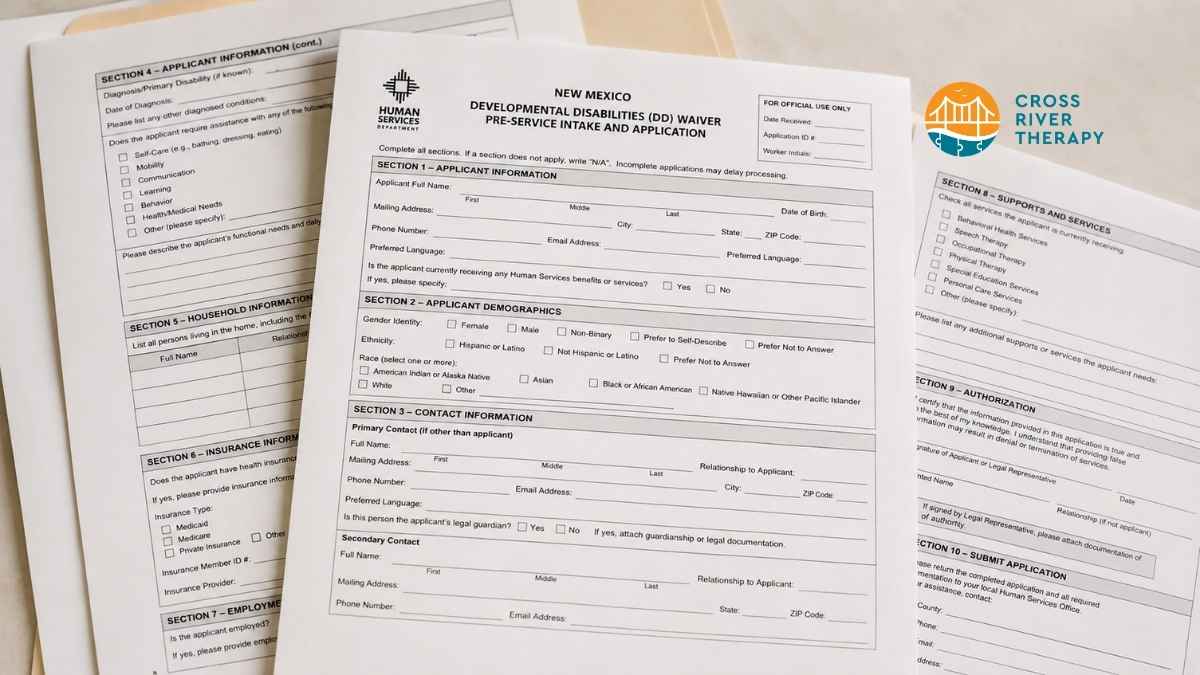
How to Apply for the New Mexico DD Waiver
Your NM DD waiver application starts with state intake. The steps cover records, submission, and enrollment.

Does Insurance Cover ABA Therapy in New Jersey?
ABA therapy insurance in New Jersey varies by plan. Learn what NJ FamilyCare covers and how to check costs.

How ABA Therapy Builds Communication for Nonverbal Children Without Forcing Speech
ABA therapy communication for nonverbal children starts with AAC, signs, and daily routines. See how kids ask, refuse, choose, and get help.

How to Start ABA Therapy in New Jersey With a Checklist
Your guide explains how to start ABA therapy in New Jersey. A first-call checklist covers records and next steps.

How to Get an Autism Evaluation in Arkansas Before Starting ABA Therapy
How to get an autism evaluation in Arkansas starts with a referral, provider choice, and key records. Use this parent checklist before ABA intake.