








Building Self-Confidence and Self-Esteem in Children with Autism through ABA Therapy
Empowering Autism: Strategies and the Role of ABA in Developing Confidence


Fostering Self-Confidence and Self-Esteem in Children with Autism
Building self-confidence and self-esteem in children with autism is essential for empowering them to lead independent and fulfilling lives. Applied Behavior Analysis (ABA) therapy, an evidence-based approach, plays a pivotal role in this developmental journey by teaching essential skills, promoting resilience, and encouraging positive self-perception. This article explores effective strategies, the mechanisms of ABA therapy, and practical guidance for parents and educators to nurture self-esteem rooted in kindness, structure, and personalized support.
Harnessing Strengths and Interests for Self-Empowerment

How can identifying individual strengths and talents help children with autism build self-esteem?
Focusing on what children with autism excel at can have a profound impact on their confidence. Recognizing their unique abilities, whether in art, music, mathematics, or social skills, allows caregivers and educators to tailor activities that highlight these talents. This positive focus helps children see their own worth, fostering a sense of accomplishment.
What tools and strategies can be used to foster self-confidence?
Personalized tools like strength books and social stories are effective in this process. Strength books serve as visual records of achievements, boosting self-awareness and pride. Social stories, on the other hand, teach social skills and appropriate responses, helping children navigate interactions more effectively and feel more competent.
How can children’s interests be integrated into their learning?
Incorporating children’s passions into educational activities makes learning engaging and relevant. For example, if a child loves animals, counting exercises can involve animal-related objects, and lessons about habitats can deepen their understanding of biology. Such integration not only enhances learning but also encourages enthusiasm and motivation.
Why is creating personalized plans essential?
Tailoring interventions to each child’s particular strengths and challenges ensures that strategies are effective and meaningful. Personalized programs promote a supportive environment where children can succeed at their own pace, build resilience, and develop a positive self-image.
Approach Description Benefits Strength Books Visual summaries of successes Boosts confidence, self-awareness Social Stories Scenario-based social skills learning Improves communication, social understanding Interests Integration Using passions in lessons Increases engagement and motivation
Engaging with children’s strengths and interests through these tools not only promotes skill development but also nurtures their self-esteem. Encouragement, positive reinforcement, and modeling healthy self-esteem behaviors are essential to help children with autism face life's challenges confidently.
ABA Therapy: A Structured Path to Confidence and Independence
How does ABA therapy help build self-confidence and self-esteem in children with autism?
ABA (Applied Behavior Analysis) therapy is a highly effective, evidence-based approach designed to support children with autism by helping them develop vital skills. One of its main focuses is to foster self-confidence and self-esteem.
ABA therapy achieves this by teaching children essential communication and social skills. For example, children learn to express their needs clearly and engage more effectively with peers and caregivers. These skills are taught through structured routines that break down complex tasks into manageable steps, allowing children to experience success regularly.
Positive reinforcement plays a crucial role in this process. When children demonstrate progress, they receive praise or rewards, which encourages them to continue trying. These consistent successes boost feelings of achievement and help build a positive self-image.
In addition, ABA therapy emphasizes developing independence through functional skills such as self-care, problem-solving, and daily routines. As children master these skills, with prompts gradually faded, they begin to feel more capable and autonomous. This sense of mastery enhances self-esteem.
Personalized plans tailored to each child's strengths and challenges ensure targeted support, fostering an environment where children can succeed and believe in their abilities. Practicing skills across different contexts helps generalize learning, further reinforcing confidence.
Furthermore, encouraging children’s special interests, like animals or counting, can be used as educational tools that promote learning and enjoyment. Showcasing their achievements and allowing for opportunities to succeed in various settings make children feel valued and capable.
By modeling positive self-talk and celebrating progress, caregivers and therapists also teach children to develop a healthy self-view. Early diagnosis and intervention, which provide timely support, are vital components of effective ABA programs.
Overall, ABA therapy not only addresses developmental challenges but also empowers children with autism to face life's hurdles with confidence, independence, and resilience.
Aspect Focus Benefits Communication Skills Teaching expressive and receptive language Improvements in social interactions Social Skills Engaging with peers and adults Better relationships and social understanding Independence Self-care, daily routines Increased autonomy and self-worth Emotional Well-being Reducing anxiety, building resilience Enhanced confidence and resilience
Benefits of Implementing ABA for Confidence Enhancement

Promoting social, communication, and daily living skills
Applied Behavior Analysis (ABA) therapy is particularly effective in helping children with autism develop crucial skills that contribute to their confidence and independence. It involves breaking down complex tasks into smaller, manageable steps and rewarding progress. As children acquire these skills—such as effective communication, social interaction, and self-care—they experience a sense of achievement that boosts their self-esteem.
Through consistent positive reinforcement, children learn to navigate social settings more comfortably, improving their ability to connect and communicate with others. These improvements make children feel more capable and independent, fostering greater confidence in their daily lives.
Creating a supportive and safe environment
A core element of ABA therapy is establishing a structured, predictable environment tailored to each child's strengths and needs. Personalized plans help children face challenges confidently, knowing they are supported. Positive interactions with trained therapists build trust and resilience, enabling children to try new skills without fear of failure.
Encouraging children to explore their interests within this supportive setting—such as animals or counting—opens opportunities for success and reinforces their sense of worth. When children feel safe and supported, their self-esteem naturally grows.
Reducing anxiety and boosting self-efficacy
ABA therapy also plays a significant role in reducing feelings of anxiety by preparing children for various situations through targeted skill development. Teaching children coping mechanisms and problem-solving strategies increases their belief in their own abilities.
Modeling a healthy self-view and celebrating achievements, big or small, reinforce positive self-perceptions. As children learn to succeed across different environments, their confidence expands, leading to higher self-efficacy and greater independence.
Skill Focus Description Impact on Confidence Social Skills Enhancing interaction and relationship-building skills Improves social confidence and engagement Communication Skills Developing expressive and receptive language Fosters self-assured communication Daily Living Skills Teaching self-care, problem-solving, and independence Encourages autonomy and self-reliance Positive Reinforcement Using rewards to encourage progress Builds motivation and self-esteem Personalized Goals Tailoring plans to individual child's needs Increases sense of competence and achievement
Supporting Self-Love and a Positive Self-Image through ABA Techniques

What techniques can support self-love and a positive self-image in children with autism through ABA?
ABA therapy offers various strategies that help children with autism develop a strong sense of self-worth and confidence. One fundamental approach involves modeling positive behaviors. By demonstrating healthy self-esteem and respectful interactions, children learn to mirror these behaviors themselves.
Consistent use of reinforcement strategies is also essential. When children achieve small goals, celebrating these successes with praise and rewards encourages them to view their efforts positively. Breaking complex tasks into manageable steps allows children to experience frequent opportunities for success, fostering resilience and independence.
Creating structured routines helps provide a predictable environment, reducing anxiety and helping children feel secure. When routines are clear and consistent, children gain confidence in navigating their daily activities.
Developing skills such as communication, social interaction, and problem-solving is at the heart of ABA. As children gain mastery in these areas, their self-esteem naturally improves. Tailoring interventions to each child's unique strengths ensures they feel understood and supported.
Engagement with caregivers in reinforcement activities outside therapy sessions promotes continuity and reinforces positive self-views across different settings. Celebrating progress, no matter how small, and encouraging participation in activities that align with each child's interests further bolster their confidence.
Modeling healthy self-esteem, such as avoiding negative self-talk and emphasizing positive qualities, teaches children to adopt a constructive self-image. Overall, personalized ABA strategies that focus on building skills, recognizing achievements, and fostering social bonds are effective in nurturing self-love and fostering a positive self-image in children with autism.
Guidance for Parents and Educators to Nurture Self-Esteem with ABA Principles
Positive reinforcement and celebrating progress
Using positive reinforcement is central to ABA therapy and plays a vital role in boosting a child's confidence. Recognizing and celebrating even small achievements helps children feel valued and motivated to continue learning. Rewards such as praise, tokens, or meaningful activities can reinforce positive behaviors and slowly build a sense of accomplishment.
Encouraging independence and social participation
Encouraging children to participate in social activities and daily routines fosters a sense of independence. Structured opportunities to practice communication, self-care, and social skills allow children to apply what they learn in real-world settings. These experiences help children develop resilience, face challenges confidently, and recognize their own abilities.
Promoting self-awareness and acceptance
Focusing on strengths and individual traits encourages children to accept themselves and develop a positive self-view. Highlighting their interests, such as animals or counting, can serve as educational tools and boost self-esteem. Displaying their achievements and modeling positive self-talk teach children to see themselves in a constructive light. Creating a supportive environment where effort is acknowledged over perfection reinforces resilience and self-acceptance.
Tips for supporting self-esteem in children with autism
Approach Description Implementation Example Celebrate Small Wins Recognize every success Praise after completing a task Leverage Interests Use special interests educationally Counting toys or learning about animals Provide Opportunities Create success in various environments Social groups, hobbies, structured routines Model Positive Self-Talk Demonstrate healthy self-esteem Avoiding negative language about oneself
Final thoughts
Implementing ABA principles thoughtfully can significantly influence a child's self-esteem. Tailoring interventions to each child's strengths and challenges, encouraging social participation, and emphasizing positive reinforcement all help children with autism develop confidence and resilience. Consistent, personalized support underscores the importance of effort and progress, fostering a healthy and positive self-image.
This approach aligns with best practices by emphasizing early diagnosis, individualized interventions, and fostering an environment where children feel capable, valued, and supported in their growth.
Fostering a Bright Future with Confidence and Care
Building self-confidence and self-esteem in children with autism requires a compassionate, structured approach that recognizes each child's unique abilities and challenges. ABA therapy, with its focus on positive reinforcement and skill-building, provides a powerful framework for fostering independence and resilience. Parents and educators can reinforce these efforts through tailored strategies, emphasizing acceptance, social participation, and celebrating progress. By cultivating a supportive environment rooted in love and understanding, caregivers can help children with autism develop into confident individuals capable of reaching their fullest potential, paving the way for a more inclusive and empowering future.
References
- Addressing Self-Esteem and Confidence in Children with ...
- How To Increase Self-Confidence In Children With Autism
- Building Confidence in Kids with ABA Therapy
- Building Self-Esteem in Children With Autism
- How ABA therapy can help children with autism develop ...
- Benefits of ABA for Children With Autism and Anxiety - MySpot
- How ABA Therapy Builds Confidence in Children with Autism
- The Benefits of ABA Therapy for Children with Autism
- Benefits of ABA Therapy for Children with Autism Spectrum ...
Recent News
Related articles

6 Arkansas Medicaid ABA Therapy Rules Families Need to Know
Arkansas Medicaid ABA therapy has age, diagnosis and approval rules. Families can check six requirements before care.
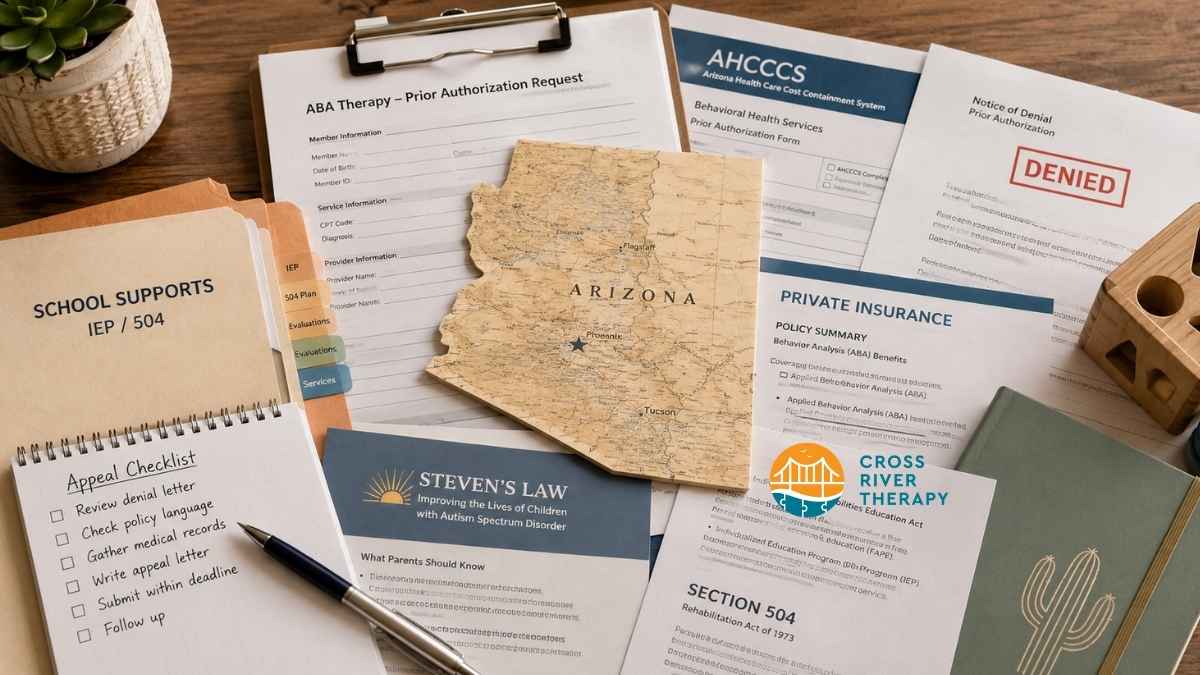
Arizona Autism Laws Every Parent Should Know Before Starting ABA Therapy
Autism laws Arizona parents should know cover ABA insurance, AHCCCS appeals, IEPs, and Section 504 rights. Check ABA coverage with Cross River.

ABA Therapist Salary in Arkansas: What BCBAs and RBTs Actually Earn in 2026
ABA therapist salary Arkansas figures compare RBT and BCBA rates, benefits, guaranteed hours, and contract terms. Explore careers at Cross River.

5 Autism Support Groups and Family Resources in New Mexico Alongside ABA Therapy
Autism support groups New Mexico families can use offer peer support, local events, and school help. Cross River can explain ABA therapy options.

Where to Get an Autism Evaluation in New Mexico Before Starting ABA Therapy
Autism evaluation New Mexico options include UNM, NMSU, FIT, and private providers. Compare providers, records, and ABA steps with Cross River.

7 North Carolina Autism Resources to Contact Before ABA Therapy Starts
Autism resources North Carolina families can call for diagnosis, early intervention, rights, and parent support. Start ABA intake with Cross River.

Does Indiana Medicaid Cover ABA Therapy? A Step-by-Step Eligibility Checklist for Parents
Medicaid ABA therapy Indiana covers eligible children under 21 with prior authorization. Your five-step coverage review can start with Cross River.

How to Apply for New Mexico’s DD Waiver While Starting ABA Therapy
Autism waiver New Mexico applications need DD Waiver records and proof of daily support needs. Your next step is to start ABA intake with Cross River.

Is ABA Therapy Covered by Insurance in New Jersey? What Every Parent Should Know
ABA therapy insurance New Jersey may cover medically necessary care based on plan type, network, and authorization. Verify benefits with Cross River.

How ABA Therapy Builds Communication for Nonverbal Children Without Forcing Speech
ABA therapy communication for nonverbal children starts with AAC, signs, and daily routines. See how kids ask, refuse, choose, and get help.

How to Start ABA Therapy in New Jersey With a First-Call Checklist
How to start ABA therapy in New Jersey begins with records, insurance details, and intake questions. Use this first-call checklist before you call.

How to Get an Autism Evaluation in Arkansas Before Starting ABA Therapy
How to get an autism evaluation in Arkansas starts with a referral, provider choice, and key records. Use this parent checklist before ABA intake.