





Building Social Skills Through ABA
Harnessing ABA for Social Development in Autism


Understanding the Role of ABA in Social Skills Training
Applied Behavior Analysis (ABA) therapy is a prominent and evidence-backed method for enhancing social skills, particularly among children with Autism Spectrum Disorder (ASD). This article delves into how ABA therapy is utilized effectively to teach and reinforce social skills, addressing common challenges faced by individuals with ASD in social interactions.
How ABA Therapy Enhances Social Skills in Autism
How does ABA therapy help with improving social skills?
ABA therapy is designed to improve social skills in children, particularly those with autism, through a structured and individualized approach.
Structured Techniques in ABA
Key techniques include Discrete Trial Training (DTT), Modeling, and Role-Playing. These strategies break down complex social behaviors into manageable steps, making it easier for children to learn. For instance, DTT focuses on teaching specific skills like turn-taking through repeated trials, while Modeling provides examples for children to imitate.
Positive Reinforcement
Positive reinforcement plays a crucial role in encouraging children to practice their social skills. By rewarding desired behaviors, ABA therapy motivates children to engage in effective communication, maintain eye contact, and follow social norms more frequently. These rewards can boost their confidence and willingness to interact with peers, ultimately facilitating better relationships.
Comprehensive Assessments
Before starting therapy, ABA therapists conduct thorough assessments to identify each child's unique strengths and weaknesses. This tailored approach ensures that the interventions are relevant and effective. For example, if a child struggles with initiating conversations, specific strategies will be implemented to address this area.
Independence and Life Satisfaction
The ultimate goal of ABA therapy is to foster independence and improve life satisfaction. By equipping children with essential social skills, they are better prepared to navigate social situations, build friendships, and participate in community activities. The skills learned in therapy often translate into greater self-esteem and a higher quality of life as they grow into adulthood.
Parental Strategies for Teaching Social Skills

What strategies can parents use to teach social skills to an autistic child?
Parents can employ several effective strategies to help their autistic children develop social skills. One vital approach is positive modeling. When parents demonstrate appropriate social interactions, such as greetings, sharing, and conversations, children can observe and imitate these behaviors. Reinforcement with specific praise when their child successfully navigates a social interaction can further solidify these skills.
Another effective strategy is pairing with social peers. By arranging playdates or group activities with peers who possess strong social skills, autistic children can learn through natural interactions. These peer relationships can create a less intimidating environment for practicing social cues in real-time.
Teaching empathy is also crucial. Parents can engage in discussions about emotions, helping children articulate their feelings and recognize those of others. Utilizing tools like "About Me" sheets can facilitate the understanding of personal and peer dynamics, thereby enhancing their social comprehension.
Creating a welcoming atmosphere and incorporating fun, interactive activities that promote sharing and cooperation can also lead to successful social skills development.
Techniques and Interventions in ABA
What are some interventions or techniques used in ABA to improve social skills in autistic people?
Applied Behavior Analysis (ABA) utilizes various interventions and techniques tailored to enhance social skills in individuals with autism. These strategies are designed to help individuals effectively communicate and navigate social environments.
- Naturalistic Language Strategies: This approach involves integrating language and communication practice into everyday situations, allowing individuals to learn in context.
- Video Modeling: Utilizing video demonstrations, this technique showcases appropriate social interactions, helping individuals visualize and understand effective communication behaviors.
- Functional Communication Training (FCT): This intervention focuses on teaching individuals meaningful ways to express their needs and thoughts, thus enhancing their overall communication competency.
- Peer Mediated Instruction and Intervention (PMII): This method encourages peer interactions, where individuals learn social skills through observation and structured peer activities, promoting natural social exchanges.
- Pivotal Response Training (PRT): This approach targets pivotal areas of a child's development to foster engagement and motivation, creating more opportunities for social interactions.
- Social Narratives: These personalized stories outline scenarios that guide individuals on expected social behaviors, helping them understand interactions better.
Each of these techniques aims to empower autistic individuals with essential skills required for engaging with their peers and improving their social competence.
The Importance of Social Skills Assessment

What is a social skills assessment in ABA and why is it important?
A social skills assessment in ABA (Applied Behavior Analysis) is a crucial tool for evaluating a child's social competencies, particularly for those on the autism spectrum. This assessment examines a range of skills such as communication, language abilities, and interpersonal interactions. It serves as a foundation for developing tailored treatment plans that enhance a child's strengths while addressing areas needing improvement.
The assessment does not provide a diagnosis of autism, but its significance lies in establishing achievable goals and identifying the types of therapy and support best suited for the child and their family. Typically, the process can involve up to 20 hours comprised of interviews, observations, and direct testing.
Components of Social Skills Assessment
Key components of a social skills assessment may include:
- Functional Living Skills (AFLS): Evaluates the skills necessary for daily living.
- Verbal Behavior Milestones Assessment (VB-MAPP): Assesses verbal and communication skills.
When integrated with other evaluations, such as neuropsychological assessments, an ABA Skills Assessment contributes extensively to a comprehensive understanding of a child's social abilities, guiding effective interventions and support strategies.
Social Skill Acquisition Goals in ABA
Could you provide examples of social skill acquisition goals in ABA therapy?
Social skill acquisition goals in ABA therapy focus on enhancing children's ability to interact with peers effectively. For instance, one goal could be independently approaching a peer to initiate a conversation. Such an objective enhances social initiation and eye contact, which are crucial for effective communication.
Another example involves participating in structured activities, like stating the name of a missing child during a game. This goal not only supports memory and recognition but also reinforces engagement in group activities. Additionally, children can work on inviting peers to join their free play, fostering social invitations and cooperative play skills.
Moreover, participating in group settings, such as raising hands to answer questions during circle time, can encourage patience and promote group participation. Ultimately, these goals pave the way for more enduring social outcomes, like developing friendships and collaborating effectively on group projects, which are vital for social integration.
The Impact of ABA on Social Development
Incorporating Applied Behavior Analysis into the development of social skills for children with ASD offers a highly individualized approach. Through careful assessments and tailored interventions, ABA equips children with the necessary skills to navigate social landscapes with confidence. As these children grow and learn, developing their communication and interpersonal skills, they stand better prepared to form meaningful connections and actively participate in the community. The potential transformation in their life quality and ability to thrive socially underscores the invaluable role of ABA therapy in social skill enhancements.
References
- Social Skills Training in Applied Behavior Analysis? ASD
- ABA Therapy for Social Skills - Empower Behavioral Health
- How ABA Therapy Helps with Social Skills - PediaPlex
- Enhancing Social Skills Through ABA Therapy
- Developing Social Skills Through ABA Therapy for Autism
- Mastering Social Skills: ABA Therapy for Autism
- ABA Therapy for Social Skills: Building Connections
Recent News
Related articles

5 Autism Support Groups and Family Resources in New Mexico Alongside ABA Therapy
Autism support groups New Mexico families can use offer peer support, local events, and school help. Cross River can explain ABA therapy options.
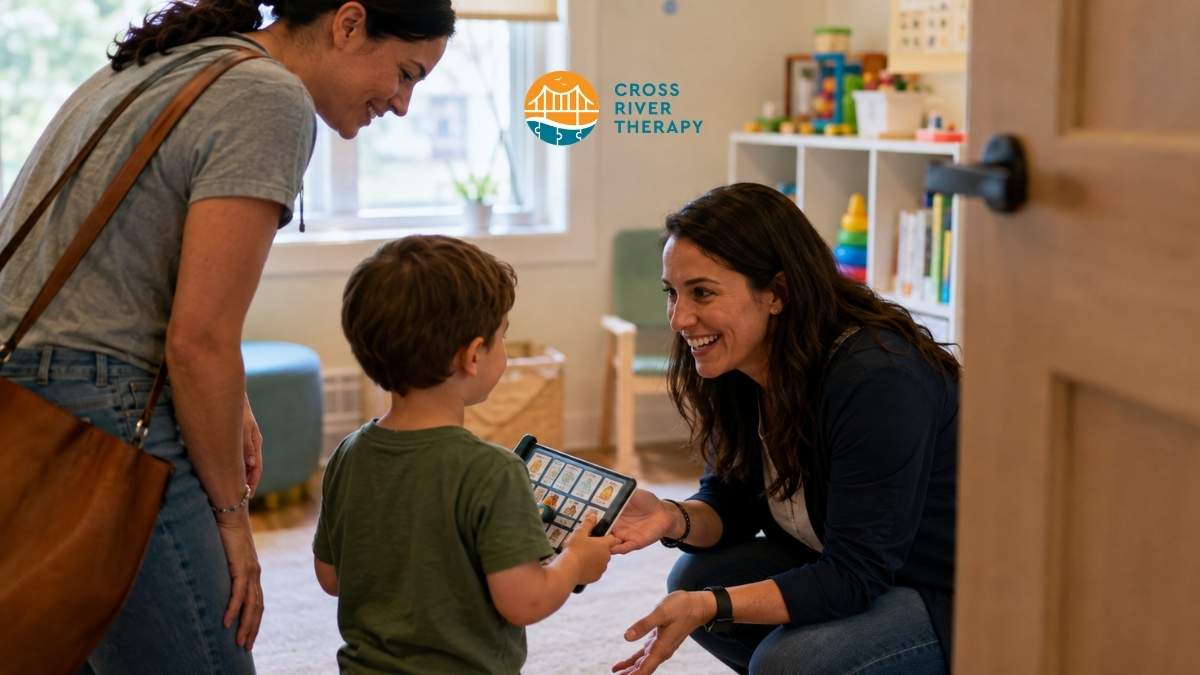
Where to Get an Autism Evaluation in New Mexico Before Starting ABA Therapy
Autism evaluation New Mexico options include UNM, NMSU, FIT, and private providers. Compare providers, records, and ABA steps with Cross River.

7 North Carolina Autism Resources to Contact Before ABA Therapy Starts
Autism resources North Carolina families can call for diagnosis, early intervention, rights, and parent support. Start ABA intake with Cross River.
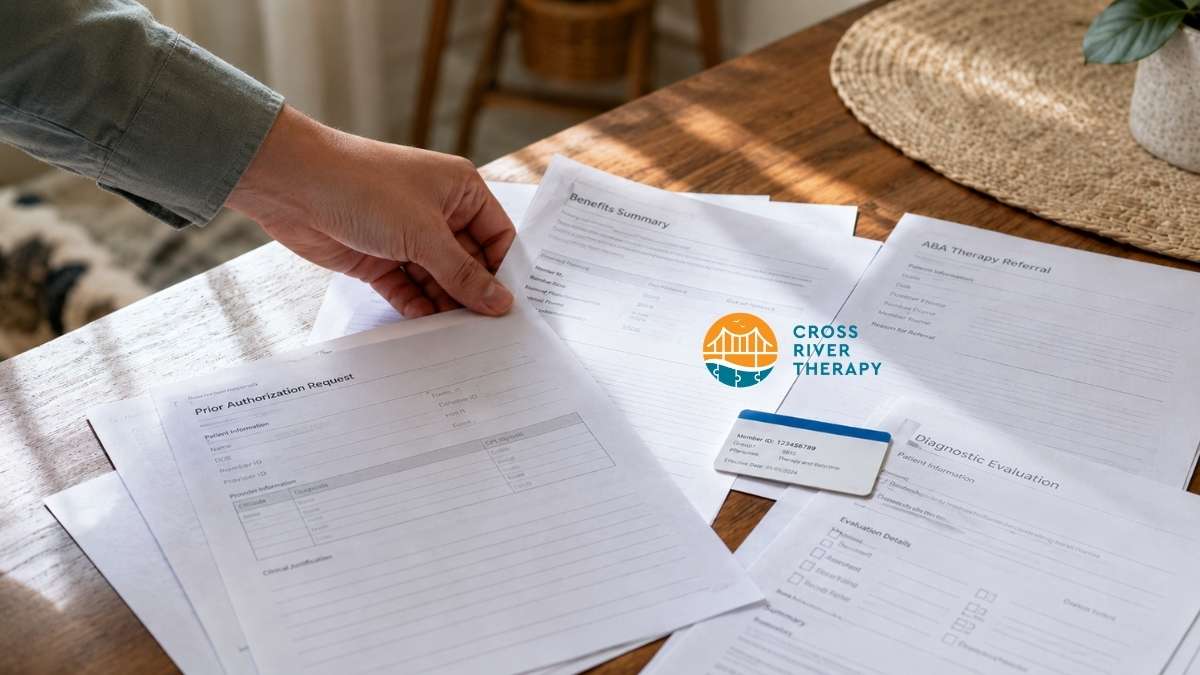
Does Indiana Medicaid Cover ABA Therapy? A Step-by-Step Eligibility Checklist for Parents
Medicaid ABA therapy Indiana covers eligible children under 21 with prior authorization. Your five-step coverage review can start with Cross River.
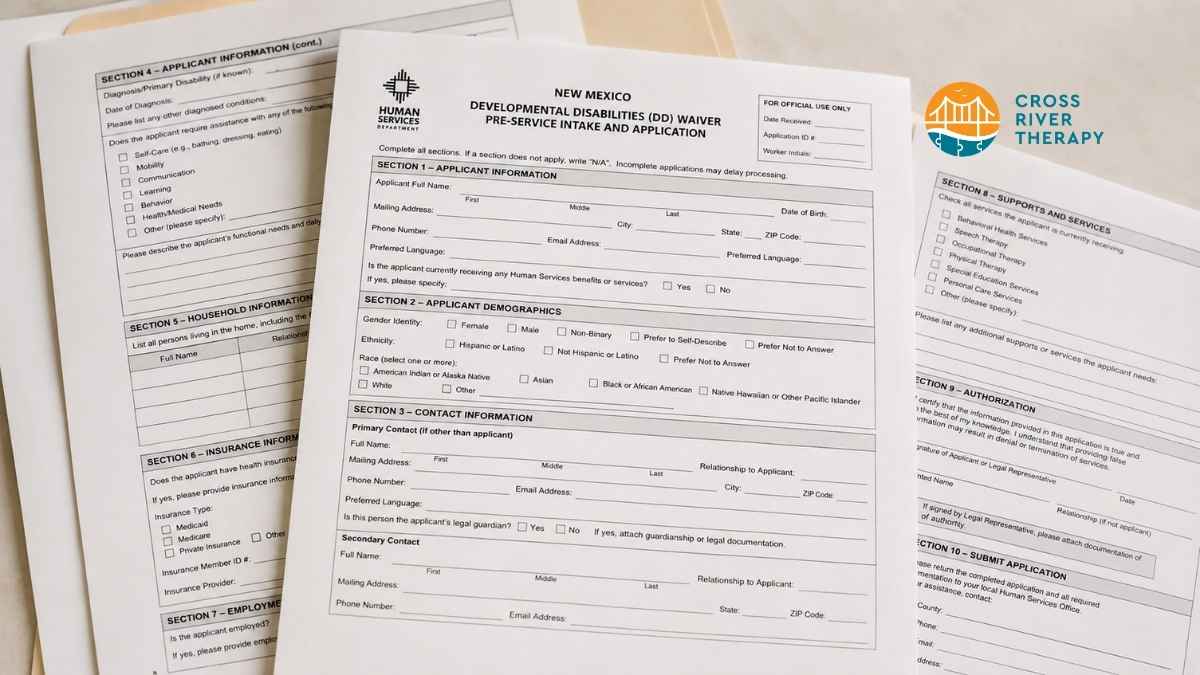
How to Apply for New Mexico’s DD Waiver While Starting ABA Therapy
Autism waiver New Mexico applications need DD Waiver records and proof of daily support needs. Your next step is to start ABA intake with Cross River.

Is ABA Therapy Covered by Insurance in New Jersey? What Every Parent Should Know
ABA therapy insurance New Jersey may cover medically necessary care based on plan type, network, and authorization. Verify benefits with Cross River.

How ABA Therapy Builds Communication for Nonverbal Children Without Forcing Speech
ABA therapy communication for nonverbal children starts with AAC, signs, and daily routines. See how kids ask, refuse, choose, and get help.

How to Start ABA Therapy in New Jersey With a First-Call Checklist
How to start ABA therapy in New Jersey begins with records, insurance details, and intake questions. Use this first-call checklist before you call.
How to Get an Autism Evaluation in Arkansas Before Starting ABA Therapy
How to get an autism evaluation in Arkansas starts with a referral, provider choice, and key records. Use this parent checklist before ABA intake.
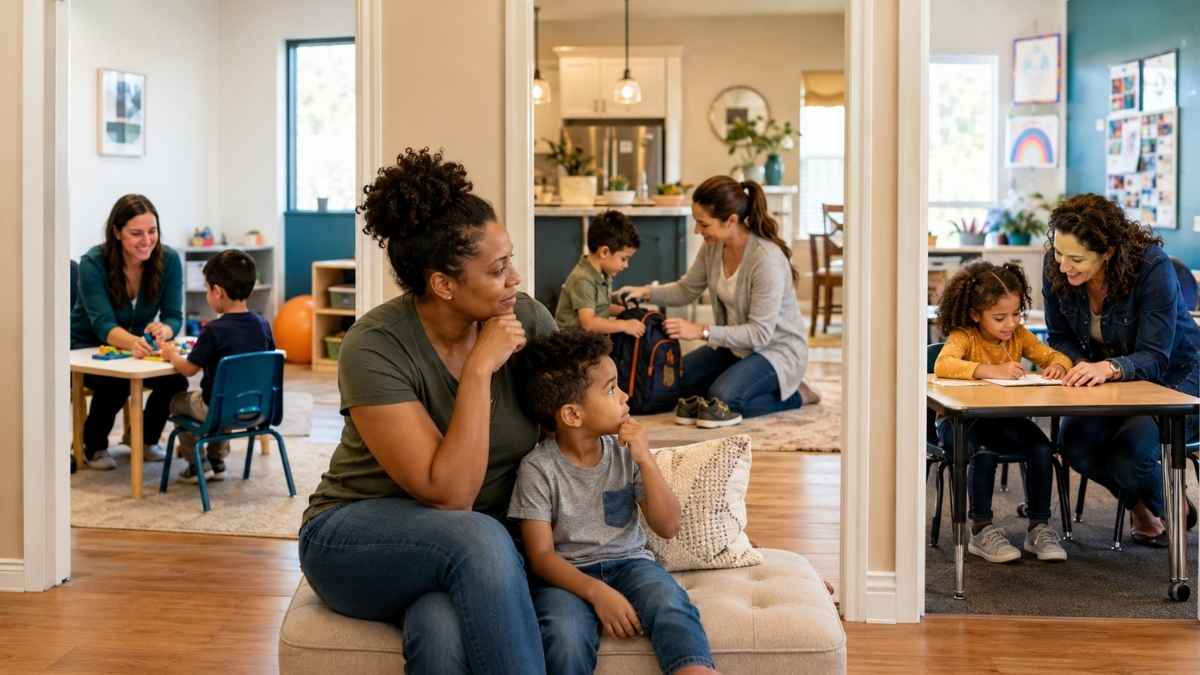
Center-Based vs In-Home vs School-Based ABA Therapy and How to Choose the Right Fit
Center-based, in-home, and school-based ABA therapy each fit different goals, routines, and settings. Compare options before your intake call.

Early Signs of Autism: A Guide for North Carolina Parents
Early signs of autism North Carolina parents notice can include speech, play, sensory, or skill loss patterns. See what to track before screening.

Early Intervention ABA Therapy in Albuquerque, NM: Why Starting Early Matters
Early intervention ABA therapy in Albuquerque, NM helps toddlers practice communication, play, and routines. Spot signs and care options sooner.