








Autistic Cards & What They Mean
In this article, we will explore what autistic cards are, how they work, and why they are important.

Autistic Cards & What They Mean
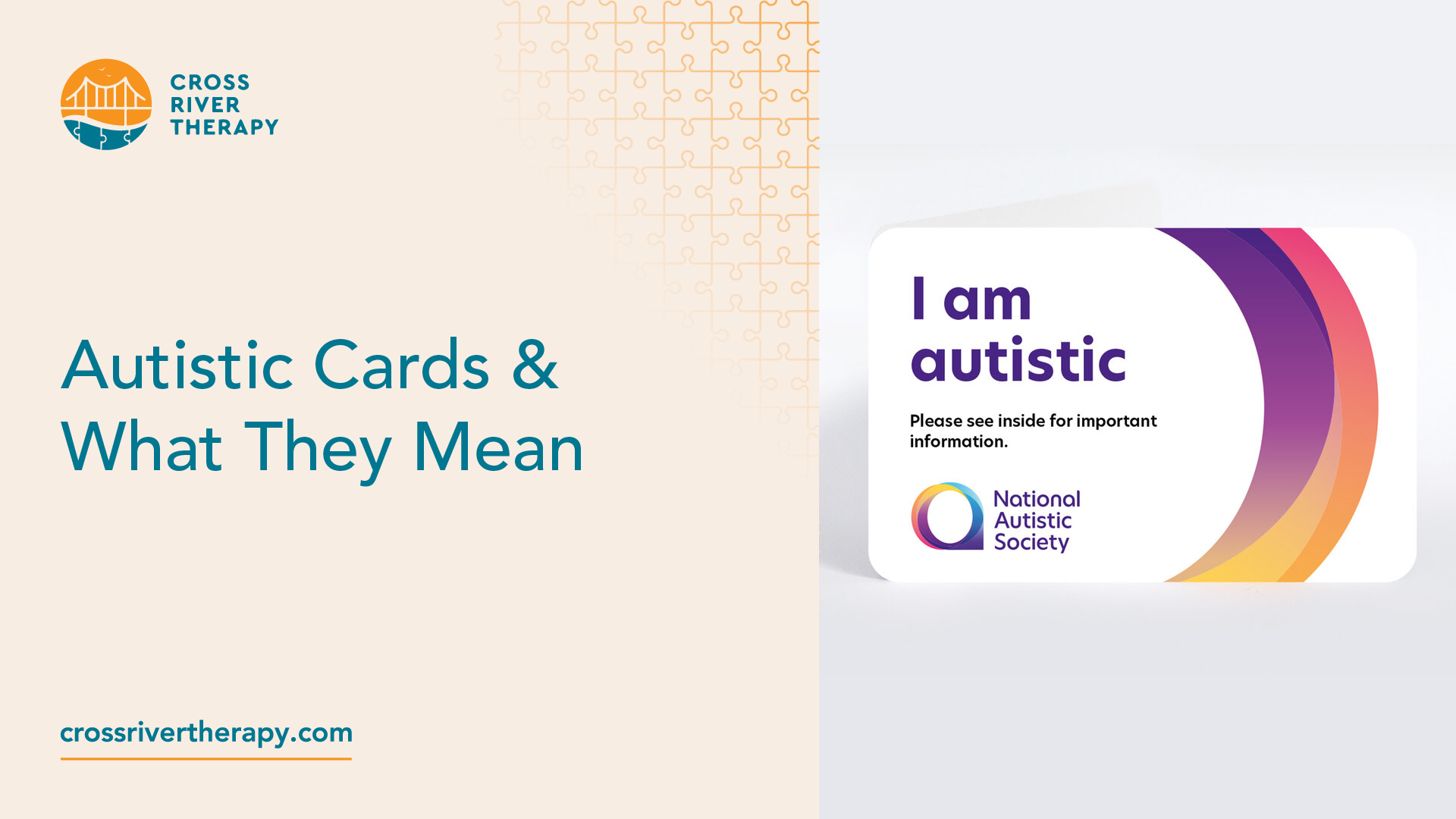
Autistic cards are a new concept that is gaining popularity in the autism community. These cards are designed to help individuals with autism communicate their needs and preferences to others in a clear and concise way.
What are Autistic Cards?
Autistic cards are small cards that individuals with autism can carry with them to help them communicate their needs and preferences to others. These cards typically have a picture or symbol on them that represents a specific need or preference. For example, a card might have a picture of a bathroom on it to indicate that the individual needs to use the restroom.
How do Autistic Cards Work?
Autistic cards work by providing a visual cue that can help individuals with autism communicate their needs and preferences to others. When an individual with autism shows their card to someone, the person can quickly and easily understand what the individual needs or wants. This can be especially helpful in situations where verbal communication is difficult or impossible.
Why are Autistic Cards Important?
Autistic cards are important because they can help individuals with autism communicate their needs and preferences more effectively. This can lead to increased independence and a better quality of life. Autistic cards can also help others understand and accommodate the needs of individuals with autism, which can lead to more inclusive and accepting communities.
Examples of Autistic Cards
There are many different types of autistic cards available, each designed to meet the specific needs of individuals with autism. Here are a few examples:
- Bathroom card: This card has a picture of a bathroom on it and is used to indicate that the individual needs to use the restroom.
- Food card: This card has a picture of food on it and is used to indicate that the individual is hungry or thirsty.
- Sensory card: This card has a picture of a sensory item, such as headphones or a weighted blanket, and is used to indicate that the individual needs a sensory break.
What is an autism alert card?
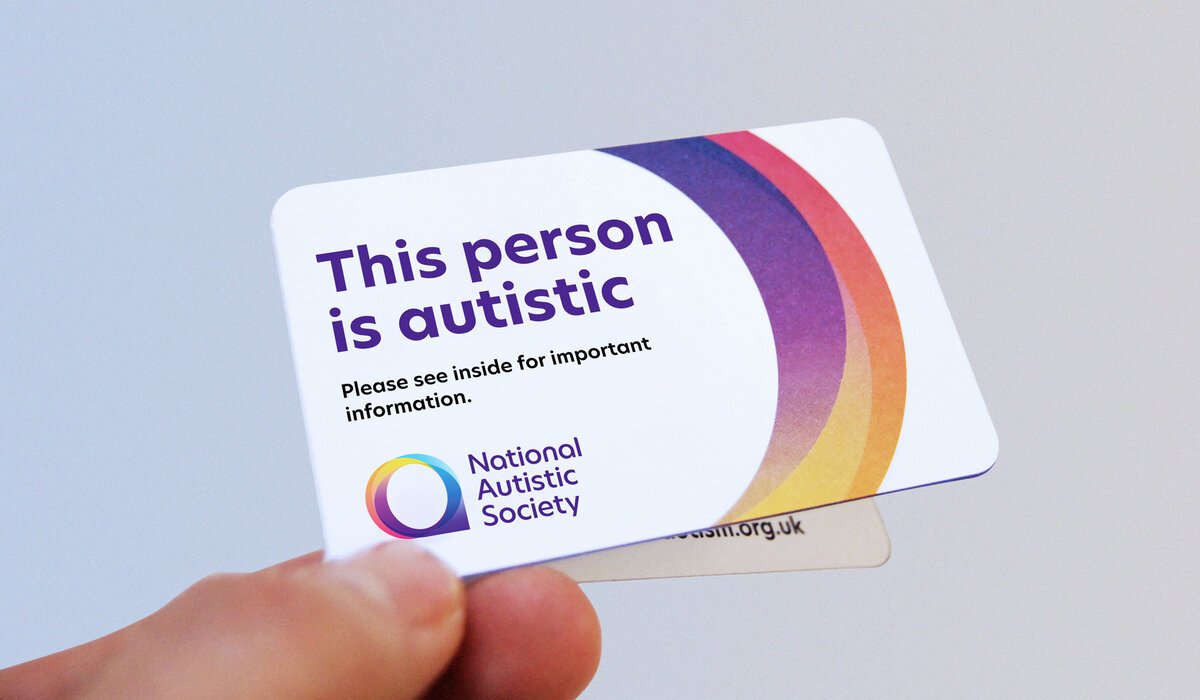
Another type of card that is related to autistic cards is an autism alert card. Autism alert cards are designed to let others know that the individual has autism and may need additional support or accommodations.
These cards typically include information about the individual's needs, such as their communication style, sensory sensitivities, or any specific triggers they may have.
Autism alert cards can be especially helpful in emergency situations where an individual with autism may become overwhelmed or nonverbal.
For example, if a person with autism were to become lost or involved in an accident, an autism alert card could help first responders understand how to best assist them.
Autism alert cards can also be useful in everyday situations where the individual with autism may require additional support or accommodations.
For example, if a person with autism were to visit a theme park, they could present their autism alert card at guest services to receive special accommodations such as a quiet room or front-of-the-line passes.
Overall, both autistic cards and autism alert cards are important tools for individuals with autism to communicate their needs and preferences to others. By using these cards, individuals with autism can increase their independence and improve their quality of life.
Can you get an autism alert card?
If you or someone you know has autism and would benefit from using autistic cards, the good news is that they are easy to obtain. Many organizations that support individuals with autism offer free or low-cost autistic cards to their members. You can also purchase them online from various retailers.
To get an autistic card, start by researching organizations in your area that support individuals with autism.
These organizations may offer autistic cards as part of their membership benefits or as a resource for their members. You can also search online for retailers that sell autistic cards.
When choosing an autistic card, be sure to select one that meets your specific needs and preferences. Some autistic cards may have symbols or pictures that are more appropriate for children, while others may be designed specifically for adults.
Once you have your autistic card, be sure to carry it with you at all times so that you can use it to communicate your needs and preferences to others. By using an autistic card, you can increase your independence and improve your quality of life.
Conclusion
Autistic cards are a simple but effective tool that can help individuals with autism communicate their needs and preferences to others.
By providing a visual cue, these cards can help individuals with autism achieve greater independence and a better quality of life. If you or someone you know has autism, consider using autistic cards to help improve communication and understanding.
Recent News
Related articles

6 Arkansas Medicaid ABA Therapy Rules Families Need to Know
Arkansas Medicaid ABA therapy has age, diagnosis and approval rules. Families can check six requirements before care.

Arizona Autism Laws for ABA Coverage and School Rights
Arizona autism laws for ABA coverage vary by plan. Families can check insurance, appeal options, and school rights.

ABA Therapist Salary in Arkansas for RBTs and BCBAs
Compare ABA therapist salary in Arkansas by role. See how paid hours and benefits affect earnings before applying.

5 Autism Support Groups and Family Resources in New Mexico
Autism support groups in New Mexico connect families. Local resources offer events, parent support, and school help.

Where to Get an Autism Evaluation in New Mexico
Autism evaluation options in New Mexico include UNM and NMSU. Age and referral details help parents prepare.

7 North Carolina Autism Resources to Contact Before ABA Therapy Starts
Autism resources North Carolina families can call for diagnosis, early intervention, rights, and parent support. Start ABA intake with Cross River.

Does Indiana Medicaid Cover ABA Therapy? A Parent Checklist
Indiana Medicaid ABA therapy may cover care for eligible children. The checklist covers coaching and renewals.

How to Apply for the New Mexico DD Waiver
Your NM DD waiver application starts with state intake. The steps cover records, submission, and enrollment.

Does Insurance Cover ABA Therapy in New Jersey?
ABA therapy insurance in New Jersey varies by plan. Learn what NJ FamilyCare covers and how to check costs.

How ABA Therapy Builds Communication for Nonverbal Children Without Forcing Speech
ABA therapy communication for nonverbal children starts with AAC, signs, and daily routines. See how kids ask, refuse, choose, and get help.

How to Start ABA Therapy in New Jersey With a Checklist
Your guide explains how to start ABA therapy in New Jersey. A first-call checklist covers records and next steps.

How to Get an Autism Evaluation in Arkansas Before Starting ABA Therapy
How to get an autism evaluation in Arkansas starts with a referral, provider choice, and key records. Use this parent checklist before ABA intake.