








Creating a Calming Environment for Autism
Designing Spaces that Embrace Neurodiversity


Understanding Sensory Needs
Designing an environment for individuals with autism requires a profound understanding of their unique sensory needs. People on the autism spectrum may experience sensory inputs differently, necessitating environments that cater specifically to either hypersensitivity or hyposensitivity. This contrasts with traditional sensory experiences and forms the foundation upon which calming, supportive spaces are built, focusing on sensory-friendly design elements that promote well-being, independence, and communication.
Lighting and Color: Crafting a Calming Visual Environment

Visual Input Considerations
When creating an autism-friendly space, visual input must be thoughtfully considered. Elements such as lighting, wall color, and room organization can profoundly affect individuals on the autism spectrum. For instance, fluorescent lighting can be distracting due to its flickering nature. In contrast, natural lighting is crucial for regulating sleep patterns, as it influences melatonin production. A well-lit environment can help set a calming tone and ease sensory sensitivities.
To minimize visual overstimulation, reducing clutter and employing organized, labeled storage can create a serene atmosphere. Following designs similar to Montessori spaces, where simplicity reigns, can allow children to engage in tasks without overwhelming distractions.
Impact of Lighting and Color on Mood and Behavior
Color also plays a vital role in shaping mood and behavior in individuals with autism. Calming colors like soft blues or greens are known to promote tranquility, while stimulating colors like red and yellow can increase alertness. By choosing colors for walls and furnishings mindfully, caregivers can foster a supportive environment.
Incorporating proper lighting solutions, such as soft adjustable lights and sensory lighting, further enhances the comforting ambiance necessary for relaxation. This meticulous approach to lighting and color not only helps in reducing anxiety but also creates a nurturing space that feels safe and secure.
Calming Resources for Autism
Calming resources for autism can help individuals manage sensory overload and anxiety. Products like the Vibrating Snake provide soothing tactile stimulation, while the Opti Aura LED Projector creates a calming visual environment. The Weighty Snakey offers deep pressure input, helping users feel grounded, and the Rocker Seat provides gentle movement that can be soothing. Additionally, tools like the Vibrating Pillow and 9 Bubbles Mirror can create a relaxing atmosphere, and Fibre Optic Side Glow lights offer a soft and engaging visual experience. Overall, these resources help individuals with autism find comfort and relaxation in their surroundings.
Essential Auditory and Tactile Adjustments

How can noise reduction strategies benefit children with autism?
Creating environments conducive to learning and relaxation for children with autism requires careful attention to auditory stimuli. Reducing noise can significantly aid focus and decrease anxiety. Strategies to minimize overwhelming sounds include using:
- Sound-proofing materials: Acoustic panels and rugs can absorb noise, making spaces quieter.
- White noise machines: These devices can drown out disruptive sounds, providing a steady and calming background.
- Noise-canceling headphones: Tailored solutions for children to use during particularly noisy activities or transitions ensure they can manage auditory input at their own comfort level.
How can tactile experiences enhance sensory-friendly spaces?
Tactile experiences play a crucial role in creating supportive environments. It is essential to incorporate various textures that can soothe or stimulate children with autism:
- Weighted blankets: These provide deep pressure, offering calming comfort and improving emotional regulation during high-stress times.
- Sensory walls: Engaging visual textures can allow children to explore and engage more deeply, providing a safe outlet for sensory needs.
- Tactile toys: Items like stress balls and fidget spinners can help foster self-soothing behaviors, particularly during moments of anxiety or overstimulation.
By implementing these auditory and tactile strategies, caregivers and educators can create calmer and more engaging environments that significantly support the needs of children with autism.
How can a child with autism be helped to calm down in the classroom?
A child with autism can be helped to calm down in the classroom by implementing various calming strategies tailored to their individual needs. Creating a designated "Calm Down Corner" stocked with sensory tools, like stress balls and weighted blankets, provides a safe space for students to decompress. Techniques such as deep breathing exercises, mindfulness activities, and using calm-down cards can empower children to manage their emotions effectively. It's also essential to understand and address potential sensory triggers, establish clear routines, and maintain open communication with tailored support. Finally, connecting with the child's parents can enhance understanding and provide additional strategies for calming interventions.
Establishing Structured Routines and Visual Aids
Importance of Routines
Creating structured routines is vital for children on the autism spectrum as it fosters stability and predictability in their daily lives. Routines help reduce anxiety by providing clear expectations, allowing children to anticipate what will happen next. This consistency makes transitioning between activities smoother and less overwhelming.
Incorporating visual schedules can significantly enhance the effectiveness of routines. These schedules visually outline daily tasks, making it easier for children to understand and follow through with transitions. Additionally, they serve as a great tool for communicating expectations, minimizing confusion during daily activities.
Use of Visual Supports
Visual supports, such as choice boards and behavior charts, play an important role in enhancing communication for children with autism. These tools allow children to express needs and preferences without requiring verbal communication, thereby boosting their functional communication skills.
Another effective visual aid is the use of transition cues, like timers or countdown clocks. These aids prepare children for upcoming changes, facilitating smoother transitions by giving them time to adjust mentally.
Easy-to-Use Calming Strategies
Some easy-to-use calming strategies for individuals with autism include:
- Recognizing early sensory overload signs and offering calming sensory objects, such as fidget toys or stress balls.
- Establishing clear routines and escape plans to enhance predictability.
- Teaching self-soothing techniques such as deep breathing or progressive muscle relaxation.
- Creating a calm-down kit filled with comforting sensory items to provide during distress.
These approaches can greatly contribute to emotional well-being by promoting a sense of safety and helping manage anxiety.
Creating Interactive and Transitional Spaces
What constitutes a calming space for autism?
A calming space for individuals on the autism spectrum is thoughtfully designed to minimize sensory overload while providing comfort and engagement. Key components include:
- Comfortable Seating: Options such as bean bags or rocking chairs promote relaxation and a sense of security.
- Adjustable Lighting: Soft lamps or filters can be used to avoid harsh fluorescent lighting, creating a warm atmosphere.
- Noise-Canceling Headphones: These can significantly reduce auditory distractions, making the environment more soothing.
- Tactile Fidgets and Weighted Blankets: Incorporating these elements aids in sensory regulation, offering opportunities for tactile exploration.
- Visual Tools: Features like bubble tubes or sensory walls not only engage but provide calming visual stimuli.
Designing transition-friendly environments
Transition areas between different spaces are crucial for easing anxiety that often accompanies changes in routine for autistic individuals. When designing these areas, consider:
- Clear Visual Cues: Use visual supports like timers or countdown clocks to prepare individuals for transitions.
- Calm Atmosphere: Maintaining a low arousal environment can ease the shift, using elements like soft colors and ambient sounds.
- Defined Spaces: Purposefully organized areas that invite movement and exploration facilitate smoother transitions, allowing individuals to feel secure as they navigate different activities.
Encouraging movement and exploration
Incorporating physical activity into spaces can be beneficial. Features might include:
- Swing Sets or Climbing Structures: These not only provide sensory input but also enhance balance and spatial awareness.
- Open Areas for Movement: Clear pathways encourage exploration, contributing to natural engagement with the environment.
- Interactive Equipment: Items like balance beams or soft mats encourage active play and sensory exploration, fostering a sense of joy and connection in the calming space.
Personalized Quiet and Chill Zones
Creating Retreat Spaces
Creating chill spaces within a home is vital for individuals on the autism spectrum. These areas serve as safe retreats where children can self-regulate and decompress in a comforting environment. Incorporating elements such as soft lighting, calming colors, and comforting textures can enhance these zones. For example, a tent filled with blankets and stuffed animals can provide a cozy atmosphere that encourages relaxation.
Importance of 'Chill Spaces' for Self-Regulation
"Chill spaces" are essential as they allow children to retreat when feeling overwhelmed. These environments minimize sensory input by reducing visual clutter and controlling noise levels. Weighted blankets can offer the comforting sensation of a hug, enhancing feelings of security. Additionally, providing calming music or nature sounds can further promote relaxation, aiding children in managing their emotional states more effectively.
How do you calm down an autistic child having a tantrum?
To calm down an autistic child experiencing a tantrum or meltdown, it's crucial to acknowledge that this usually arises from sensory overload or overwhelming emotions. Start by ensuring the child is in a safe, quiet environment, away from loud noises or bright lights. Offering calming tools like weighted blankets or noise-canceling headphones can also help them regain control. Throughout the event, maintain a calm and reassuring demeanor, using gentle communication to ease the situation. Following the episode, allow for recovery time, engaging in calming activities while reflecting on triggers to prepare for future occurrences.
The Role of Smells and Scents in Calming Spaces
How do scents impact mood?
Scents play a significant role in shaping our emotional and physical states, particularly for individuals with autism. Pleasant aromas, such as lavender and chamomile, are known to promote relaxation and calmness, which can be especially beneficial for children on the autism spectrum. In contrast, strong or unpleasant odors can lead to distress and sensory overload.
Creating an olfactory-friendly atmosphere
To develop a soothing environment, consider incorporating essential oils into the space. Essential oils can be diffused using an oil diffuser or applied in small amounts to aromatherapy beads. Here are some essential oils and their effects:
By thoughtfully integrating scents compatible with individual preferences, caregivers can help autistic children feel more at ease and navigate their environments successfully.
Innovative Sensory Room Ideas
How can I create a calming room for autism?
To create a calming room for autism, focus on minimizing sensory overload by incorporating soft lighting, such as string lights or battery-powered candles, and controlling noise levels. A key feature is ensuring that the lighting is gentle; options like soft adjustable lighting and blackout curtains may alleviate discomfort caused by harsh fluorescents.
Use versatile, everyday items for movement and vestibular stimulation, including exercise balls, rocking chairs, and mini-trampolines. A DIY crash pad made from pillows offers safe sensory play opportunities while aiding in developing body awareness.
Providing sensory tools is essential. Curate tactile toys organized in labeled bins to prevent visual overstimulation and clutter. Additionally, incorporate calming scents like lavender essential oil to promote relaxation.
Cozy spaces also play a vital role. Consider adding blankets and stuffed animals for deep pressure stimulation. Integrating calming music or nature sounds can establish a soothing auditory backdrop that enhances the relaxing atmosphere.
Lastly, personalize the room based on the child’s individual sensory needs, employing tools that foster emotional regulation and comfort. This thoughtful approach ensures that the sensory room caters effectively to each child's unique preferences, facilitating their well-being.
Checklists and Tools for Autism-Friendly Living Spaces
Is there a checklist for creating autism-friendly environments?
Yes, there is a checklist designed to create autism-friendly environments, which is informed by the NICE guidelines on Autism Spectrum Disorder. This checklist consists of two main parts:
- Core Requirements (Part A): Essential features that every space should incorporate, such as:
- Clear pathways and signage that are easy to navigate.
- Designated quiet zones to retreat when sensory overload occurs.
- Sensory-friendly materials in furniture and decor.
- Enhanced Requirements (Part B): Additional features that can enhance the experience:
- Sensory rooms filled with calming stimuli and tactile objects.
- Flexible lighting options that provide soothing atmospheres.
- Visual supports, like schedules and choice boards, that aid communication.
It's crucial for environments, even smaller ones like waiting rooms, to be assessed for autism-friendliness, focusing on minimizing sensory overload and tailoring support to individual needs.
How often should we review this checklist?
Annual reviews of the checklist are highly recommended to assess effectiveness and implement improvements. This ensures that environments continually cater to the changing needs of individuals on the autism spectrum, promoting their well-being and comfort. Regular updates also allow for the integration of new strategies and tools in creating supportive living spaces.
Fostering Growth through Thoughtful Design
Creating a calming environment for individuals with autism goes beyond aesthetics and functionality—it involves understanding and empathy. A carefully designed space can significantly enhance the daily lives and development of autistic individuals, providing them with the tools to thrive socially, emotionally, and cognitively. Through strategic design considering sensory needs, consistency in communication, and the establishment of nurturing routines and spaces, we can foster environments that support independence and well-being, allowing every individual to reach their full potential.
References
- How to create an autism-friendly environment
- Creating a 'Perfect Environment' at Home - Autism Parenting Magazine
- Best Ways to Create a Autism-Friendly Environment for a Child
- Sensory Room Ideas for Children with Autism - PediaPlex
- 6 supportive strategies for creating a safe and calming home ...
- 9 Tips on How to Create a Sensory Room for Autism
- Creating a Structured Home Environment for Autistic Children
- Creating a Soothing Space for Your Child with Autism at Home
Recent News
Related articles

6 Arkansas Medicaid ABA Therapy Rules Families Need to Know
Arkansas Medicaid ABA therapy has age, diagnosis and approval rules. Families can check six requirements before care.

Arizona Autism Laws for ABA Coverage and School Rights
Arizona autism laws for ABA coverage vary by plan. Families can check insurance, appeal options, and school rights.

ABA Therapist Salary in Arkansas for RBTs and BCBAs
Compare ABA therapist salary in Arkansas by role. See how paid hours and benefits affect earnings before applying.

5 Autism Support Groups and Family Resources in New Mexico
Autism support groups in New Mexico connect families. Local resources offer events, parent support, and school help.

Where to Get an Autism Evaluation in New Mexico
Autism evaluation options in New Mexico include UNM and NMSU. Age and referral details help parents prepare.
7 North Carolina Autism Resources to Contact Before ABA Therapy Starts
Autism resources North Carolina families can call for diagnosis, early intervention, rights, and parent support. Start ABA intake with Cross River.
Does Indiana Medicaid Cover ABA Therapy? A Parent Checklist
Indiana Medicaid ABA therapy may cover care for eligible children. The checklist covers coaching and renewals.
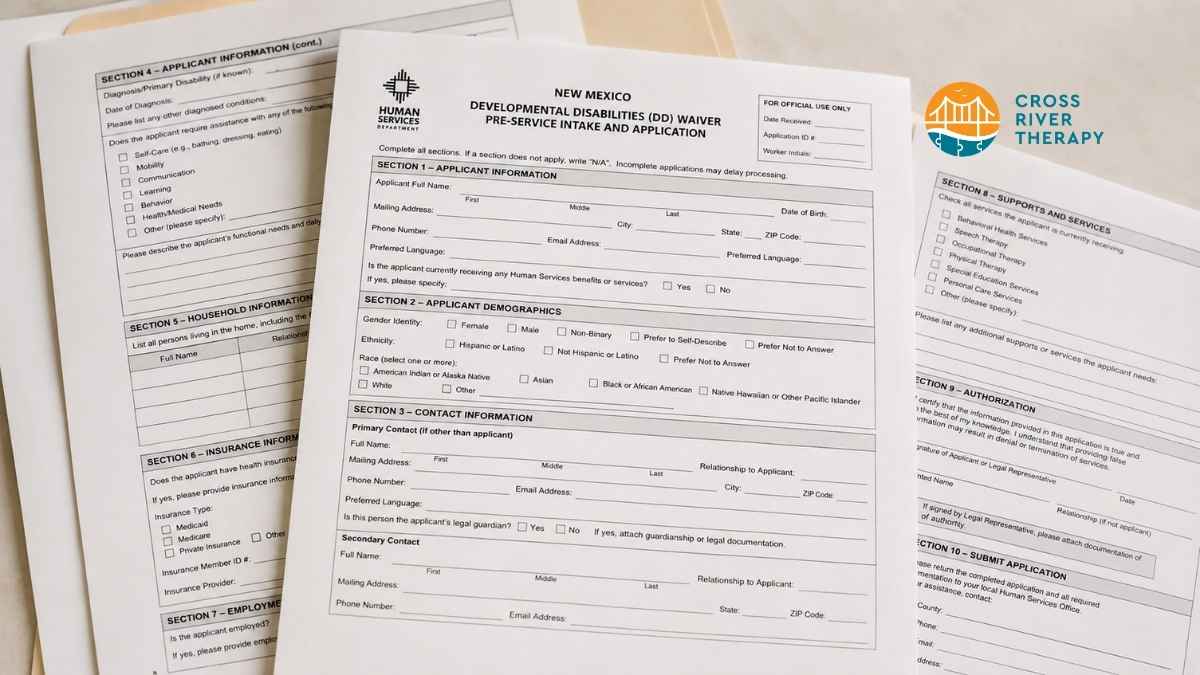
How to Apply for the New Mexico DD Waiver
Your NM DD waiver application starts with state intake. The steps cover records, submission, and enrollment.

Does Insurance Cover ABA Therapy in New Jersey?
ABA therapy insurance in New Jersey varies by plan. Learn what NJ FamilyCare covers and how to check costs.

How ABA Therapy Builds Communication for Nonverbal Children Without Forcing Speech
ABA therapy communication for nonverbal children starts with AAC, signs, and daily routines. See how kids ask, refuse, choose, and get help.

How to Start ABA Therapy in New Jersey With a Checklist
Your guide explains how to start ABA therapy in New Jersey. A first-call checklist covers records and next steps.

How to Get an Autism Evaluation in Arkansas Before Starting ABA Therapy
How to get an autism evaluation in Arkansas starts with a referral, provider choice, and key records. Use this parent checklist before ABA intake.