








Creating Sensory Spaces for Autism
Designing Safe Havens for Autistic Comfort

Understanding Sensory Spaces
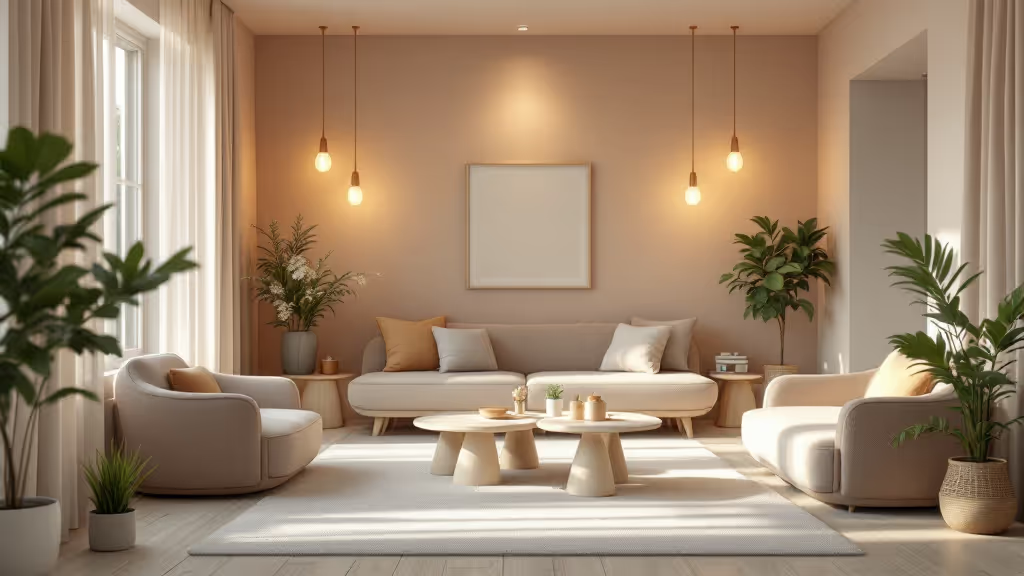
Sensory spaces are crucial for individuals with autism, providing environments that cater to their unique sensory needs. These spaces help autistic children and adults manage sensory overload and foster emotional regulation. This article delves into the essentials of creating effective sensory spaces, the benefits they offer, and practical ways to implement them both in home and educational settings.
Defining an Autism-Friendly Space
What is an autism-friendly space?
An autism-friendly space is meticulously crafted to accommodate the sensory needs of autistic individuals, ensuring their comfort and security. Key features of these environments include:
- Quiet Areas: Designated spaces away from noise and crowds reduce sensory overload.
- Controlled Lighting: Dim lighting and adjustable options help to create a calm atmosphere.
- Autism Hours: Specific times when businesses adjust their environment—less noise, fewer people—maximize comfort for autistic patrons.
Additional elements such as clear navigational aids and accessible information formats can significantly alleviate anxiety, promoting a more enjoyable experience. Training staff to recognize and address autism-related challenges fosters an inclusive environment.
Importance of catering to sensory needs
Catering to sensory needs is paramount in designing autism-friendly spaces. Sensory preferences vary widely; thus, creating adaptable environments addresses these individual differences. Key considerations include:
- Sound Management: Use of noise-canceling headphones or softer sounds enhances the atmosphere.
- Textural Variety: Incorporating different textures can provide an appropriate sensory experience.
- Aromatherapy: Subtle scent elements, like lavender, assist in creating a calming environment.
By understanding and integrating these sensory elements, autism-friendly spaces become safe havens that facilitate emotional regulation, enhance focus, and promote positive social interactions, making them essential in everyday settings and specialized facilities alike.
The Benefits of Sensory Rooms for Autism
What are the benefits of a sensory room for autism?
Sensory rooms offer numerous advantages for children with autism spectrum disorder (ASD). They primarily help in sensory processing and self-regulation, allowing children to engage in activities tailored to their unique sensory needs.
By participating in sensory experiences, children can enhance their visual, auditory, and tactile processing abilities. This, in turn, benefits their fine and gross motor skills development, which are essential for everyday activities.
In these thoughtfully designed environments, children can safely explore various sensory stimuli without the overwhelming distractions of the outside world. As a result, sensory rooms enable better focus and learning, equipping children to manage sensory overload effectively and respond more appropriately to their surroundings.
How sensory rooms support autistic children
The design of a sensory room is crucial as it takes into account the individual sensitivities and preferences of each child with autism. This personalized approach fosters emotional regulation, leading to reduced anxiety and improved behavior.
Research has shown that sensory rooms significantly contribute to positive outcomes for children with ASD. They provide a safe haven where children can decompress during overwhelming moments, enhancing their overall emotional well-being.
As the prevalence of autism diagnoses increases, resources like sensory rooms are becoming vital in educational and therapeutic environments. They play an essential role in promoting the developmental progress of children with autism, ensuring they have the best opportunities to thrive emotionally and socially.
Summary of Benefits of Sensory Rooms
Benefit Description Enhanced Sensory Processing Engaging in activities that improve visual, auditory, and tactile processing abilities. Improved Motor Skills Supporting the development of fine and gross motor skills through interactive play. Safe Exploration Offering a controlled environment for children to explore sensory stimuli without distractions. Emotional Regulation Helping children manage stress, anxiety, and sensory overload, fostering a supportive emotional environment. Individualized Approach Tailoring environments to accommodate each child's specific sensory needs. Improved Focus Enhancing concentration by minimizing distractions in a soothing environment. Overall Well-Being Contributing to better social skills and self-regulation, enabling children to engage positively with their peers and surroundings.
Designing Budget-Friendly Sensory Rooms at Home
How to design a sensory room at home on a budget?
Creating a sensory room tailored for children with autism doesn’t have to break the bank. Start with the basics: comfortable seating is essential. Bean bag chairs or large pillows can provide a cozy and inviting space for engagement or relaxation.
Lighting and Sound
Soft lighting can significantly change the room's atmosphere. Use lamps with soft bulbs or filter existing light with sheer curtains to achieve a calming effect. Additionally, noise-canceling headphones can help reduce overwhelming sound stimuli, while adding Bluetooth speakers will allow you to play soothing music or nature sounds, essential for emotional regulation.
DIY Solutions for Sensory Spaces
DIY sensory tools can be both engaging and affordable. Consider making tactile fidgets such as therapy putty or foam that children can manipulate for sensory input. Visual stimuli can be easily created with kaleidoscopes or even simple DIY bubble tubes filled with colored water.
Budget Activities
Incorporate low-cost activities to keep engagement high. Coloring books and crayons can bring creativity into the sensory space. For movement and coordination, tunnels made from cardboard boxes or balance beams using cushions can be an entertaining addition.
Personalization is Key
Lastly, don’t forget to personalize the sensory room. Each child has unique preferences for sensory input; customize the space with favorite colors, textures, and activities. This personal touch will enhance the calming effects of the room, making it a dedicated retreat for self-regulation and relaxation.
By using creativity and everyday items, you can build a functional and inviting sensory space that supports the sensory needs of children with autism.
Creating Autism-Friendly Environments
What considerations are needed for creating an autism-friendly environment?
Creating an autism-friendly environment involves several important factors. First and foremost, establishing clear structure and predictable routines is essential. Visual supports such as schedules and calendars can significantly help children understand what to expect throughout their day. This advance notice is crucial, particularly during transitions, and countdown timers can help ease the process by preparing children for upcoming changes.
Minimizing distracting stimuli in the environment is another key consideration. This can mean reducing bright lights, loud sounds, and visual clutter to create a calmer setting, which has the potential to prevent behavioral challenges. Designating safe spaces where children can take breaks is also beneficial, providing a sanctuary when they feel overwhelmed.
Positive reinforcement plays a vital role in fostering emotional regulation. Using specific praise and recognizing a child's strengths encourages their confidence and social engagement. Additionally, implementing individualized support plans ensures that accommodations and strategies are customized to each child's unique sensory needs and preferences.
How can we minimize sensory overload in various settings?
Minimizing sensory overload in different environments can greatly enhance the experiences of children on the autism spectrum. For instance, creating sensory-friendly spaces in public areas like movie theaters or parks can involve adjustable lighting and reduced noise levels. Providing items such as noise-canceling headphones and weighted vests can help children cope with overwhelming stimuli in these settings.
Incorporating sensory-friendly practices in community spaces not only helps children feel comfortable but also allows families to engage without the usual stressors. For example, organizing autism-friendly events with limited attendance can promote a more manageable experience, making outings enjoyable and less taxing for both children and their guardians.
ConsiderationDescriptionExamples Clear Structure Predictable routines using visual aids Visual schedules, countdown timers Minimize Distraction Reducing sensory overload in environments Soft lighting, noise reduction Safe Space Designated areas for breaks Quiet rooms, cozy corners Positive Reinforcement Encouraging emotional regulation through praise Specific compliments, strengths acknowledgment
Sensory Room Ideas for Schools
What sensory room ideas can be implemented in schools for autism?
Sensory rooms in schools can be invaluable for students with autism, acting as sanctuaries where they can decompress and regulate their sensory experiences. Essential components to include are:
- Bubble Tubes: These add a visual and auditory sensory element, promoting focus and relaxation as students watch the bubbles rise.
- Interactive Elements: Engaging tactile displays can allow children to explore textures and movements, helping them process sensory inputs effectively.
- Swing Chairs and Hammocks: Swinging can provide vestibular stimulation, which is essential for many autistic students to manage their energy levels and focus.
In addition to specific equipment, sensory mats can set a safe floor space for children to engage in calming exercises.
Supporting autistic students with sensory needs
To further create a supportive environment:
- Weighted Blankets can provide soothing deep pressure, which many students with autism find calming.
- Breathing Balls are helpful tools for teaching self-regulation, enabling students to practice slow, deep breathing techniques.
- Sensory Paths: Implementing paths with different textures and color changes encourages movement while providing an engaging way to release energy.
Overall, integrating sensory rooms into educational settings fosters both emotional regulation and social inclusion, allowing students to interact positively while developing essential skills.
Tailoring Sensory Spaces for Adults with Autism
How can sensory spaces support adults with autism?
Sensory spaces provide vital support for adults with autism by creating a tailored environment that addresses their unique sensory needs. These spaces play a crucial role in managing sensory overload, which is prevalent in daily life for many autistic individuals. By incorporating elements that facilitate sensory integration, like calming sounds, textured surfaces, and adjustable lighting, these environments offer respite from overwhelming stimuli.
The benefits of sensory spaces are profound. They can significantly reduce stress and anxiety levels, allowing adults to achieve better emotional regulation. Activities in sensory spaces, such as using fidget tools and weighted products, help individuals engage with their senses in a controlled way, facilitating relaxation.
Additionally, these spaces foster social interaction. Settings designed for collaboration encourage communication and relationship-building among individuals, enhancing social skills and community engagement. The design of adult sensory spaces should prioritize personal preferences; incorporating familiar elements can increase comfort and effectiveness.
Here are some design tips for creating adult sensory rooms:
- Calming colors and lighting: Utilize soft, adjustable LED lights that can change colors to create a soothing atmosphere.
- Use of textures: Different fabrics or materials can promote tactile exploration, essential for sensory engagement.
- Sound environments: Introduce nature sounds or calming music to provide auditory relaxation.
Overall, sensory spaces empower autistic adults by improving their quality of life and daily functioning in a world that can often feel chaotic and overwhelming.
The Future of Sensory Spaces in Supporting Autism
Innovative Sensory Space Designs
The future of sensory spaces is embracing innovation to cater to the diverse needs of individuals with autism spectrum disorder (ASD). Modern designs focus on creating adaptive environments equipped with technology that enables real-time adjustments to sensory stimuli. For instance, integrating smart technology can allow caregivers to alter lighting, sound, and even scent through smartphones or tablets, ensuring that the space remains responsive to the user's needs.
Additionally, modular sensory equipment that can be rearranged or modified on-the-fly will enable flexible use of sensory rooms. This can facilitate various therapeutic and leisure activities, supporting not only personal needs but also social interactions, which are vital for children with autism.
The Role of Sensory Spaces in Autism Therapy
Sensory spaces will continue to be pivotal in therapeutic interventions for autistic individuals. Research indicates their effectiveness in improving concentration, reducing anxiety, and promoting relaxation. Future iterations may incorporate biofeedback mechanisms, enabling users to learn how to manage their sensory responses dynamically.
Moreover, by fostering collaboration between educators, therapists, and designers, these spaces can evolve to include specialized zones catering to various sensory needs—such as quiet areas for decompression and interactive zones for social skills practice.
As awareness of sensory sensitivities increases, organizations will likely invest in sensory-friendly initiatives, creating more inclusive environments that enhance both community engagement and individual well-being.
Summary of Future Trends
Trend Description Potential Impact Adaptive Tech Integration Smart technology for real-time adjustments to sensory stimuli Highly personalized experiences Modular Equipment Easily rearranged sensory tools for diverse activities Flexibility in therapeutic settings Biofeedback Mechanisms Learning to manage sensory responses dynamically Improved self-regulation Collaborative Design Joint efforts from professionals for specialized sensory spaces Inclusive environments
Emphasizing the importance of these developments will ultimately lead to more effective support for individuals on the autism spectrum.
Enhancing Life Through Sensory Spaces
Creating sensory spaces for autism is not just about providing comfort; it's a pivotal step towards enhancing the quality of life for autistic individuals. These spaces, whether at home, schools, or public venues, embody a commitment to inclusivity and understanding. By integrating sensory rooms into everyday environments and tailoring them to individual needs, we pave the way for improved emotional regulation, learning, and social interactions for those on the autism spectrum. As we continue to evolve in our understanding and support methods, sensory spaces will undoubtedly play a vital role in the lives of both children and adults with autism.
References
- How to Create A Sensory Room for Kids with Autism
- Sensory Room Ideas for Children with Autism
- How to create a Sensory Room for Autistic Kids - AngelSense
- Sensory Room Ideas for Autistic Children | Connect n Care ABA
- Bobst Sensory Spaces | New York University Division of Libraries
- Sensory Rooms for Autism: 7 Amazing Benefits!
- How Sensory Rooms Help Students with Autism Thrive - TeachHUB
- The Sensory Room: Helping Students with Autism Focus and Learn
- The use of Multi-Sensory Environments with autistic children
- Creating a Sensory Safe Space - Madison House Autism Foundation
Recent News
Related articles

6 Arkansas Medicaid ABA Therapy Rules Families Need to Know
Arkansas Medicaid ABA therapy has age, diagnosis and approval rules. Families can check six requirements before care.

Arizona Autism Laws Every Parent Should Know Before Starting ABA Therapy
Autism laws Arizona parents should know cover ABA insurance, AHCCCS appeals, IEPs, and Section 504 rights. Check ABA coverage with Cross River.

ABA Therapist Salary in Arkansas: What BCBAs and RBTs Actually Earn in 2026
ABA therapist salary Arkansas figures compare RBT and BCBA rates, benefits, guaranteed hours, and contract terms. Explore careers at Cross River.

5 Autism Support Groups and Family Resources in New Mexico Alongside ABA Therapy
Autism support groups New Mexico families can use offer peer support, local events, and school help. Cross River can explain ABA therapy options.

Where to Get an Autism Evaluation in New Mexico Before Starting ABA Therapy
Autism evaluation New Mexico options include UNM, NMSU, FIT, and private providers. Compare providers, records, and ABA steps with Cross River.

7 North Carolina Autism Resources to Contact Before ABA Therapy Starts
Autism resources North Carolina families can call for diagnosis, early intervention, rights, and parent support. Start ABA intake with Cross River.

Does Indiana Medicaid Cover ABA Therapy? A Step-by-Step Eligibility Checklist for Parents
Medicaid ABA therapy Indiana covers eligible children under 21 with prior authorization. Your five-step coverage review can start with Cross River.

How to Apply for New Mexico’s DD Waiver While Starting ABA Therapy
Autism waiver New Mexico applications need DD Waiver records and proof of daily support needs. Your next step is to start ABA intake with Cross River.

Is ABA Therapy Covered by Insurance in New Jersey? What Every Parent Should Know
ABA therapy insurance New Jersey may cover medically necessary care based on plan type, network, and authorization. Verify benefits with Cross River.

How ABA Therapy Builds Communication for Nonverbal Children Without Forcing Speech
ABA therapy communication for nonverbal children starts with AAC, signs, and daily routines. See how kids ask, refuse, choose, and get help.

How to Start ABA Therapy in New Jersey With a First-Call Checklist
How to start ABA therapy in New Jersey begins with records, insurance details, and intake questions. Use this first-call checklist before you call.

How to Get an Autism Evaluation in Arkansas Before Starting ABA Therapy
How to get an autism evaluation in Arkansas starts with a referral, provider choice, and key records. Use this parent checklist before ABA intake.