








Effective Autism Study Tips
Empower Your Studies with Autism-Friendly Strategies


Introduction
Studying presents unique challenges for students on the autism spectrum, who may struggle with organization, sensory sensitivities, and communication barriers. Yet, with tailored strategies and supportive environments, these students can excel in their academic pursuits. This article explores effective study tips, methods, and resources designed to enhance study habits and academic performance for autistic learners.
Breaking Down the Study Process

What helps autistic people study?
To support autistic students in their studies, it's effective to break the revision process into smaller, manageable chunks. This method allows them to concentrate on specific topics without becoming overwhelmed. A well-structured revision timetable is vital in organizing study sessions, ensuring that responsibilities are clear and deadlines are met.
Creating a personalized study environment can significantly improve focus. Tools like noise-canceling headphones are helpful in minimizing sensory overload, while organizing the workspace promotes a distraction-free area for studying.
Familiarizing students with their exam venues ahead of time is another beneficial strategy. Doing a walkthrough of the exam location can alleviate anxiety and enable students to concentrate on the exam content, rather than feeling stressed about the environment.
Additionally, applying for special exam accommodations is crucial. These arrangements can tailor the exam experience to meet the unique needs of students, thereby enhancing their chances for successful outcomes. If health concerns arise, students may seek extenuating circumstances, allowing them to prioritize their well-being during evaluations.
Supportive Strategies Description Benefits Break down revision tasks Dividing study materials into smaller sections Reduces feelings of being overwhelmed Structured revision timetable Scheduling specific study sessions Improves organization and accountability Exam venue familiarization Visiting the exam site before the test Reduces anxiety and fosters confidence Special exam accommodations Tailoring exams to fit individual needs Enhances fairness and addressing unique challenges
Tailored Learning Approaches
How do people with autism best learn?
People with autism typically learn best through tailored approaches that consider their unique learning styles, which often favor visual aids. Here are some effective strategies:
- Visual Aids: Tools like graphic organizers, video modeling, and picture schedules can enhance comprehension and organization. Visual schedules help students understand their daily tasks, while mind maps can clarify complex concepts.
- Sensory Processing: Addressing sensory processing differences is vital, as these can impact attention and engagement. Creating sensory-friendly environments helps minimize distractions and allows for better focus. Using noise-canceling headphones, for instance, can significantly reduce auditory overload during learning sessions.
- Hands-on Activities: Engaging students through hands-on activities promotes active participation. Activities like play therapy and creative tasks not only enhance skill development but also make the learning experience more relatable and enjoyable for autistic children.
- Technology Use: Incorporating technology such as Augmentative and Alternative Communication (AAC) devices and auditory stimulation tools fosters communication and supports their learning processes effectively. Software solutions like digital planners and note-taking apps further assist in maintaining organization and enhancing academic performance.
This multifaceted approach acknowledges the diverse needs of autistic learners, utilizing tools that respect their sensory experiences and strengthen their learning outcomes.
Structured Study Techniques
What is the best study method for autism?
The best study method for autism involves creating a structured and predictable study routine. This routine helps autistic students feel more in control of their learning process, significantly enhancing their focus and retention. Establishing a distraction-free environment, ideally quiet and well-lit, is crucial. This can be achieved by utilizing noise-canceling headphones to minimize auditory distractions and ensuring the workspace is tidy and organized.
Incorporating visual aids is an effective strategy. Tools like mind maps, flowcharts, and color-coded notes can be beneficial, particularly for visual learners. Additionally, leveraging alternative learning materials, such as audiobooks or digital flashcards, caters to different styles of knowledge absorption.
Why is it important to communicate needs?
It's essential for students to communicate their unique learning styles and sensory needs to their teachers and peers. This fosters an accommodating environment where adjustments can be made to support each individual's learning process. Educators should encourage students to express their requirements clearly, which can lead to better interactions and more effective learning experiences.
How do breaks contribute to effective studying?
Incorporating short breaks during study sessions is also vital. Techniques like the Pomodoro method, which advocates for focused studying followed by brief downtime, help prevent burnout and improve retention. This balance enables students to maintain productivity while respecting their need for sensory management and rest.
Understanding the Challenges of Autism in Education
Does autism make it hard to study?
Autism can indeed make studying more challenging, particularly in a college setting. Many students with autism excelled in high school but encounter unexpected difficulties with increased responsibilities and a lack of educational supports.
Organizational challenges
Students on the autism spectrum often face organizational issues. They may struggle to keep track of assignments and deadlines, leading to increased stress. Tools like visual schedules and calendars can aid in planning and tracking their responsibilities, allowing them to manage tasks effectively. Using checklists or apps designed for organization can also help them stay on top of their responsibilities.
Time management issues
Time management is crucial for academic success. The expectation is that students study at least two hours for every hour spent in class. This can be overwhelming for autistic learners, who may benefit from structured study sessions, such as the Pomodoro Technique. By breaking study sessions into manageable intervals followed by short breaks, they can enhance focus and combat fatigue.
Sensory sensitivities
Sensory sensitivities also present challenges in studying. Many autistic students struggle with distractions from noise or bright lights. Creating a sensory-friendly study environment—like using noise-canceling headphones or calming visuals—can dramatically improve focus.
Effective accommodations and understanding from educators and peers can help mitigate these challenges, promoting a more conducive learning environment for autistic students.
Effective Strategies for Dual Diagnosis
How to Study with Autism and ADHD Effectively?
To study effectively with autism and ADHD, establishing a structured environment is crucial. Consistency plays a prominent role in aiding retention for autistic students. This can include setting specific study times, maintaining an organized study area, and following a routine that outlines daily tasks and study sessions.
Breaking study sessions into shorter intervals, approximately 30 minutes each, followed by brief breaks is beneficial. Techniques like the Pomodoro method, which promotes focused study bursts with periodic rests, can help to enhance concentration and minimize feelings of overwhelm.
Incorporating visual aids in study materials is another effective strategy. Utilizing color-coded notes, mind maps, and diagrams can assist students in organizing information visually, making complex concepts easier to grasp and recall. These tools are particularly beneficial for those who struggle with abstract thinking.
Engaging students through their interests is an essential factor in making study sessions more effective. By incorporating personal interests into study topics or utilizing creative outlets, students are likely to be more motivated and find studying more enjoyable. For instance, linking school subjects with a student’s hobbies can enhance their engagement and understanding.
Lastly, establishing a homework routine and employing techniques such as teaching the material aloud can further reinforce understanding and improve memory retention, making studying a more productive and less stressful endeavor.
Preparing Autistic Students for Exams
What are effective test-taking strategies for students with autism?
Effective test-taking strategies for students with autism focus on organization and stress reduction. A structured revision timetable can help break down study materials into manageable sections, minimizing the risk of sensory overload. By focusing on one topic at a time, students can engage more fully without feeling overwhelmed.
Managing exam anxiety is essential. Students should familiarize themselves with the exam environment by visiting the venue ahead of time. This familiarity can reduce anxiety, allowing them to concentrate better on exam content. Additionally, applying for special accommodations can help tailor the exam experience to individual needs, ensuring a supportive atmosphere.
Establishing a consistent routine on exam day is crucial. Familiarity with the daily schedule can provide a sense of comfort, help reduce stress, and enhance focus. Furthermore, it’s important to encourage students through positive communications, such as reassurance and reminders of their preparation.
Healthy habits also play a vital role in exam success. Ensuring adequate sleep and a nutritious breakfast can significantly improve concentration and performance. Incorporating visual aids and practicing with exam-style questions enables students to feel prepared and confident as they navigate their assessment.
Strategies such as mindful breathing techniques can assist in managing anxiety during tests. By combining planning, communication, and healthy routines, autistic students can enhance their exam-taking skills and perform to the best of their abilities.
Cultivating a Supportive Educational Environment

How to create a supportive study environment for autistic college students?
Creating a supportive study environment for autistic college students involves several key strategies. First, it's essential for students to establish connections with campus support services, such as academic advising and counseling, to ensure they have access to resources tailored to their needs. Encouraging students to inform professors about their unique requirements early on helps foster understanding and establish a more accommodating classroom dynamic.
Next, implementing structured schedules can vastly improve organization. Utilizing planners and digital calendars allows students to manage their responsibilities effectively, setting clear deadlines for assignments and exams. This method aids in reducing anxiety and enhances focus, making study sessions more productive.
Additionally, finding quiet or sensory-friendly study spaces is crucial. Environments that minimize auditory and visual distractions can significantly reduce sensory overload, promoting better concentration. Noise-canceling headphones can also be beneficial when studying in busier areas, allowing students to create their individualized sanctuaries for concentration.
Moreover, joining clubs or groups related to their interests can enhance social connections, providing opportunities for engagement and community. Lastly, cultivating a culture of self-advocacy and celebrating achievements—no matter how small—can significantly boost students’ self-esteem and overall well-being. These strategies collectively contribute to a more supportive educational experience for autistic college students.
Enhancing Focus for Adults with Autism
How can adults with autism improve their focus?
Adults with autism can adopt various strategies to enhance their focus. Here are several proven techniques:
- Visual Supports for Task Management: Utilizing charts or visual schedules can help adults outline their daily routines, effectively managing tasks and keeping organization at the forefront.
- Emotional Regulation Techniques: Incorporating deep breathing exercises and engaging in regular physical activities can significantly enhance emotional regulation, which reduces anxiety and helps maintain concentration during tasks.
- Structured Work Sessions: Breaking tasks into smaller, manageable parts allows adults to feel less overwhelmed. Using time management techniques, such as the Pomodoro method, can further promote structured work sessions, balancing work and short breaks.
- Healthy Lifestyle Choices: Maintaining a balanced diet and incorporating nutritious snacks into daily routines can boost mental sharpness. Additionally, regular physical exercise supports overall health and focus.
Overall, a tailored approach that combines these strategies can lead to improved focus and productivity for adults with autism.
Leveraging Technology for Academic Success
Assistive Technology
Assistive technology can significantly enhance the academic experience for students with autism. Tools such as speech recognition software empower these learners, enabling them to communicate more effectively and complete assignments with greater ease. Such technologies not only help with academic tasks but also foster independence and self-advocacy.
Digital Organizational Tools
Digital organizational tools are invaluable for managing tasks and responsibilities. Apps like Trello and Microsoft OneNote allow students to categorize assignments, deadlines, and study notes visually. These platforms help reduce the stress of organizing study materials, making it easier to prioritize tasks and stay on track. Additionally, well-structured calendars can help in mapping out the semester, including due dates and study sessions.
Adaptive Learning Apps
Adaptive learning apps, such as Speechify and Notion, cater to a variety of learning styles. They offer features that promote interactivity and engagement, making learning more relatable and less overwhelming. By incorporating personal interests into study materials, these applications also enhance motivation and retention, allowing students to absorb information in ways that suit their unique needs.
Technology Type Tools and Applications Benefits Assistive Technology Speech Recognition Software Facilitates communication and assignment completion Digital Organizational Trello, Microsoft OneNote Helps categorize and prioritize tasks effectively Adaptive Learning Speechify, Notion Provides tailored engagement based on learning styles
Conclusion
Students on the autism spectrum bring unique strengths to their learning experiences, and with the right strategies, they can overcome barriers to academic success. By understanding the challenges they face and implementing tailored study techniques, we can foster educational environments that not only support but also empower autistic learners. Parents, educators, and students themselves all have roles to play in creating an inclusive, understanding, and effective learning landscape that harnesses the potential of every student. With the right support, autistic students can thrive, excel, and achieve their academic dreams.
References
- Tips for College Students on the Autism Spectrum
- Autism and Exams: Useful Study Tips - Golden Care Therapy
- Learning on the spectrum: Study tips for autism - Voovo
- Tips for Teaching High-Functioning People with Autism
- Strategies for Autistic Students Around Exam and Paper Due Dates
- Autism in the classroom: Strategies for success
- [PDF] Help the young person study effectively - Perth Autism Support
Recent News
Related articles

6 Arkansas Medicaid ABA Therapy Rules Families Need to Know
Arkansas Medicaid ABA therapy has age, diagnosis and approval rules. Families can check six requirements before care.

Arizona Autism Laws Every Parent Should Know Before Starting ABA Therapy
Autism laws Arizona parents should know cover ABA insurance, AHCCCS appeals, IEPs, and Section 504 rights. Check ABA coverage with Cross River.

ABA Therapist Salary in Arkansas: What BCBAs and RBTs Actually Earn in 2026
ABA therapist salary Arkansas figures compare RBT and BCBA rates, benefits, guaranteed hours, and contract terms. Explore careers at Cross River.

5 Autism Support Groups and Family Resources in New Mexico Alongside ABA Therapy
Autism support groups New Mexico families can use offer peer support, local events, and school help. Cross River can explain ABA therapy options.

Where to Get an Autism Evaluation in New Mexico Before Starting ABA Therapy
Autism evaluation New Mexico options include UNM, NMSU, FIT, and private providers. Compare providers, records, and ABA steps with Cross River.

7 North Carolina Autism Resources to Contact Before ABA Therapy Starts
Autism resources North Carolina families can call for diagnosis, early intervention, rights, and parent support. Start ABA intake with Cross River.

Does Indiana Medicaid Cover ABA Therapy? A Step-by-Step Eligibility Checklist for Parents
Medicaid ABA therapy Indiana covers eligible children under 21 with prior authorization. Your five-step coverage review can start with Cross River.
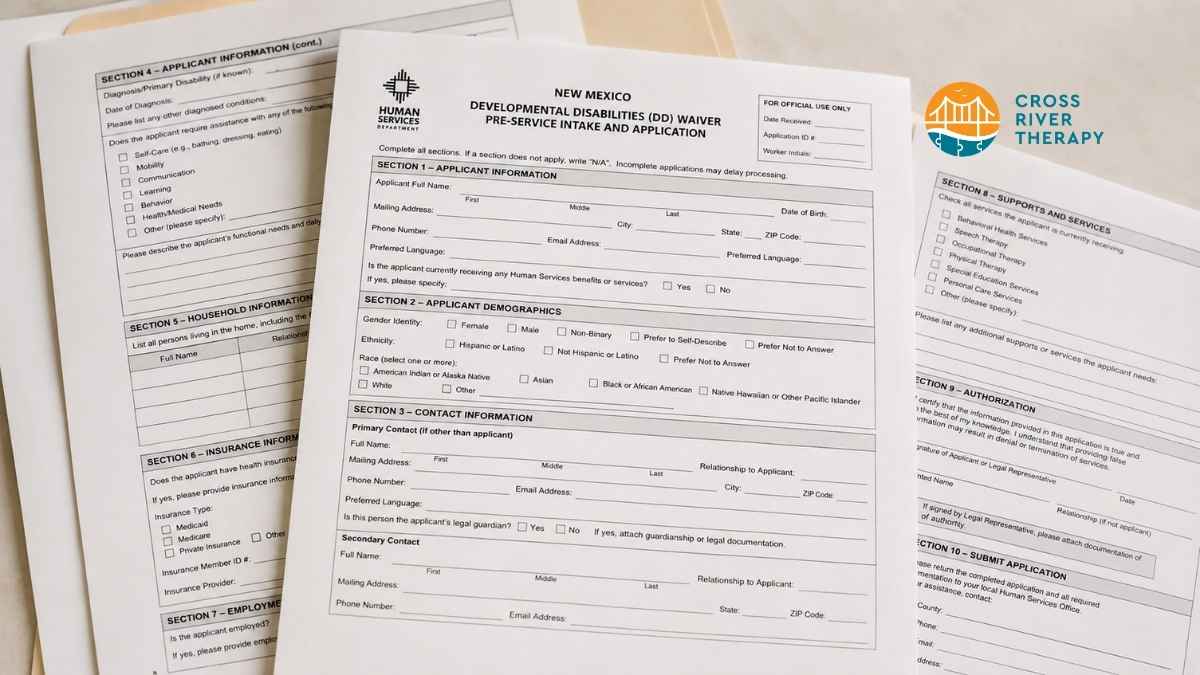
How to Apply for New Mexico’s DD Waiver While Starting ABA Therapy
Autism waiver New Mexico applications need DD Waiver records and proof of daily support needs. Your next step is to start ABA intake with Cross River.

Is ABA Therapy Covered by Insurance in New Jersey? What Every Parent Should Know
ABA therapy insurance New Jersey may cover medically necessary care based on plan type, network, and authorization. Verify benefits with Cross River.

How ABA Therapy Builds Communication for Nonverbal Children Without Forcing Speech
ABA therapy communication for nonverbal children starts with AAC, signs, and daily routines. See how kids ask, refuse, choose, and get help.

How to Start ABA Therapy in New Jersey With a First-Call Checklist
How to start ABA therapy in New Jersey begins with records, insurance details, and intake questions. Use this first-call checklist before you call.

How to Get an Autism Evaluation in Arkansas Before Starting ABA Therapy
How to get an autism evaluation in Arkansas starts with a referral, provider choice, and key records. Use this parent checklist before ABA intake.