








Energy-efficient autism community resources
Integrating Sustainability in Autism Community Support


Exploring the Intersection of Autism Support and Energy Efficiency
In recent years, the convergence of autism support initiatives with energy-efficient practices has gained traction. As communities aim to enhance the quality of life for individuals with autism, integrating sustainable solutions into support programs has become a key focus. This article delves into the array of resources available that cater to the autism community while also promoting energy efficiency, thereby fostering more sustainable living environments.
Understanding Eligibility for Autism Assistance Programs
What are the eligibility requirements for autism-related assistance programs?
Eligibility for autism-related assistance programs can vary widely, depending on age, financial status, and the individual’s level of functioning. Here’s a breakdown:
- Supplemental Security Income (SSI): To qualify, a child must exhibit marked and severe functional limitations, alongside a family income below specific thresholds.
- Medicaid: This program typically assists low-income individuals. In some states, Medicaid may be accessible without strict income requirements. Moreover, Medicaid waivers can provide services that bypass regular eligibility criteria.
- Individualized Education Program (IEP) and 504 Plans: Both programs focus on ensuring children with autism receive educational accommodations tailored to their unique needs.
- Funding programs like the CARE Family Grant Program and various autism scholarships can help cover costs associated with therapy and education, making these essential resources for families.
What specific factors influence eligibility?
Several specific factors can critically influence eligibility for autism assistance programs:
- Age: Most programs have age restrictions, typically favoring children and young adults.
- Financial Status: Family income is often a decisive factor, impacting access to programs like SSI and Medicaid.
- Level of Functioning: The severity of autism symptoms plays a role in determining eligibility for specialized services.
- Geographic Location: State-specific regulations and available programs can also vary, affecting eligibility requirements.
For families navigating these programs, understanding these factors can better prepare them for the application process. Comprehensive community support continues to be crucial for individuals with autism in finding the right resources to enhance their quality of life.
Supporting Autism Communities with Energy Efficiency

What resources are available to support autism communities while promoting energy efficiency?
Various resources exist to assist autism communities while promoting energy efficiency. For instance, low-income energy efficiency programs can significantly enhance the living conditions for families impact by autism. By addressing systemic barriers and reducing energy costs, these programs provide practical support.
Organizations such as the Asperger/Autism Network, Autism Society of Florida, and Autism Speaks offer a range of services and advocacy that align with energy efficiency efforts. They can help families navigate available resources and implement practices that bolster both their environmental impact and their support needs.
Telehealth models and technology-assisted interventions further contribute by facilitating access to essential therapies. This not only reduces the need for travel, minimizing carbon footprints, but also ensures ongoing engagement in care for individuals with autism.
Organizations providing assistance
Collaboration with local utilities and government initiatives is crucial. By integrating autism support services with community programs, comprehensive solutions can emerge. Organizations often work hand-in-hand with energy programs to enhance service delivery, benefiting families of autistic individuals through both health and energy efficiency systems.
By leveraging the intersection of autism resources and energy-saving initiatives, communities can create a more supportive and sustainable environment for those affected by autism.
Guides to Autism Support Programs with Sustainable Solutions
Are there comprehensive guides on autism support programs that also include energy-efficient solutions?
Yes, there are indeed comprehensive guides available that focus on autism support programs while incorporating energy-efficient solutions. These resources address the educational and financial aspects of supporting individuals with autism, integrating sustainable practices into the framework of autism care.
One prominent resource is provided by Autism Speaks, which offers a Financial Planning Tool Kit designed to assist families in managing the expenses associated with autism. Alongside this financial support, families can find information on various assistance programs, including Supplemental Security Income (SSI), Social Security Disability Insurance (SSDI), and the Achieving a Better Life Experience (ABLE) Act.
Furthermore, these guides also emphasize effective educational strategies, such as the STAR Program and Applied Behavior Analysis (ABA), which cultivate inclusive learning environments while considering sustainability. Such initiatives not only aim to enhance the quality of life for individuals with autism but also encourage energy-efficient practices within these support systems, aiming for a holistic approach to care and community involvement.
In summary, communities can benefit from such comprehensive guides—fostering an inclusive environment while promoting sustainable solutions in autism support programs.
Accessing Financial Assistance for Energy Efficiency in Autism Support
How can individuals with autism access financial assistance for energy-efficient resources?
Individuals with autism can find various financial assistance programs aimed at energy efficiency to help manage living costs. One primary source is the Low Income Home Energy Assistance Program (LIHEAP). This program assists families that meet specific income guidelines, enabling them to pay energy bills and reduce their financial burden.
Another valuable resource is the Weatherization Assistance Program, which focuses on improving home energy efficiency. This can help families make necessary home improvements that lower energy consumption and costs. These programs are especially beneficial for families caring for children with autism, as they may need extra support to maintain a comfortable living environment.
Where can individuals find information about these programs?
Local government agencies and non-profit organizations serve as important points of contact for families seeking information on financial assistance for energy efficiency. These resources often provide guidance on eligibility, application processes, and available local programs.
It is advisable for individuals to conduct thorough research into the options available in their areas. Engaging with local support organizations can also simplify navigating through different application procedures and ensuring families find the most appropriate financial assistance for their energy efficiency needs.
Governmental and Community Sustainability Efforts in Autism Support

What governmental and community resources focus on autism spectrum disorder with an emphasis on sustainability?
Governmental and community resources for autism spectrum disorder (ASD) focus on providing comprehensive support while promoting sustainable practices. Various federal and local programs work to enhance the quality of life for individuals with ASD and their families.
The U.S. Department of Defense and the Department of Health and Human Services invest in funding and initiatives aimed at raising awareness and education about autism. These resources play a critical role in shaping informed communities that can advocate for individuals with ASD.
Programs and Services
ResourceTypePurposeCenters for Medicare and Medicaid Services State-administered waivers Enable care in community settings for individuals with ASD. CDC’s Early Identification Programs Public Health Initiative Promote early detection of developmental milestones to enhance support. Autism Society and Easterseals Advocacy Organizations Offer resources, state profiles, and education about available support options. Missouri Division of Developmental Disabilities Regional Offices Assist with access to state services and eligibility for programs.
The Center for Disease Control and Prevention (CDC) runs several programs that support early identification and community resources, contributing significantly towards sustainable practices that support the autism community.
Holistic and Community-Based Approaches
Complementary therapies and developmental approaches also play a part in a holistic support plan. These options encourage personal development alongside community involvement, thereby fostering an inclusive environment.
In summary, the focus on sustainability in resource allocation and community involvement creates a strong framework for supporting individuals with ASD, ensuring they receive the necessary services in an efficient and timely manner.
Educational Programs and Alternative Therapies for Autism
Educational Resources for Autism
Educational approaches play a crucial role in supporting individuals with autism spectrum disorder (ASD). Programs like TEACCH emphasize structured learning environments, which enhance social skills and learning outcomes. These methods not only focus on academic achievements but also nurture personal development through tailored interventions.
Schools often collaborate with specialists to develop Individualized Education Programs (IEPs) under the Individuals with Disabilities Education Act (IDEA). This ensures that students receive a free appropriate public education suited to their unique needs.
Alternative Treatment Approaches
Alternative therapies can complement traditional treatments, promoting a holistic approach to autism care. These may include therapies such as art, music, and animal-assisted therapies, which can be particularly beneficial for enhancing communication and social interactions.
Community resources are crucial for integrating these therapies into the lives of individuals with ASD. For instance, funding from the U.S. Department of Defense and programs through the Health Resources and Services Administration focus on research and development of comprehensive autism interventions, thereby supporting both behavioral and alternative treatment avenues.
Treatment Type Description Community Resource Examples TEACCH Approach Structured educational framework Local education agencies Speech and Language Therapy Improve communication skills Schools, private practices Occupational Therapy Enhances daily living skills Community health services Art and Music Therapy Focus on expression and social connection Non-profit organizations Early Intervention Programs Support for developmental delays (e.g., First Steps) State developmental disability offices
Charting a Sustainable Path Forward
As we continue to understand and support individuals with autism, integrating energy-efficient practices into community and educational resources will be vital. By leveraging available programs and comprehensive guides, families can navigate these dual objectives, ensuring not only an improved quality of life for individuals with autism but also a commitment to sustainable living. Through collaboration among governmental bodies, non-profit organizations, and local communities, an energy-efficient future for autism support can be realized, offering a holistic approach to care and sustainability.
References
- Treatment and Intervention for Autism Spectrum Disorder - CDC
- [PDF] Financial Resources for Missouri Children and Youth with ...
- Federal Agency Resources for Autism | IACC
- Federal Agency Resources for Autism | IACC
- State Resources for Autism | IACC
- Autism Materials and Resources | Autism Spectrum Disorder (ASD)
- Top Autism Organizations and Web Resources - Reading Rockets
- [PDF] Financial Resources for Missouri Children and Youth with ...
- Low-Income Energy Efficiency Programs | ACEEE
- Autism Resources - Florida Department of Health
Recent News
Related articles

6 Arkansas Medicaid ABA Therapy Rules Families Need to Know
Arkansas Medicaid ABA therapy has age, diagnosis and approval rules. Families can check six requirements before care.
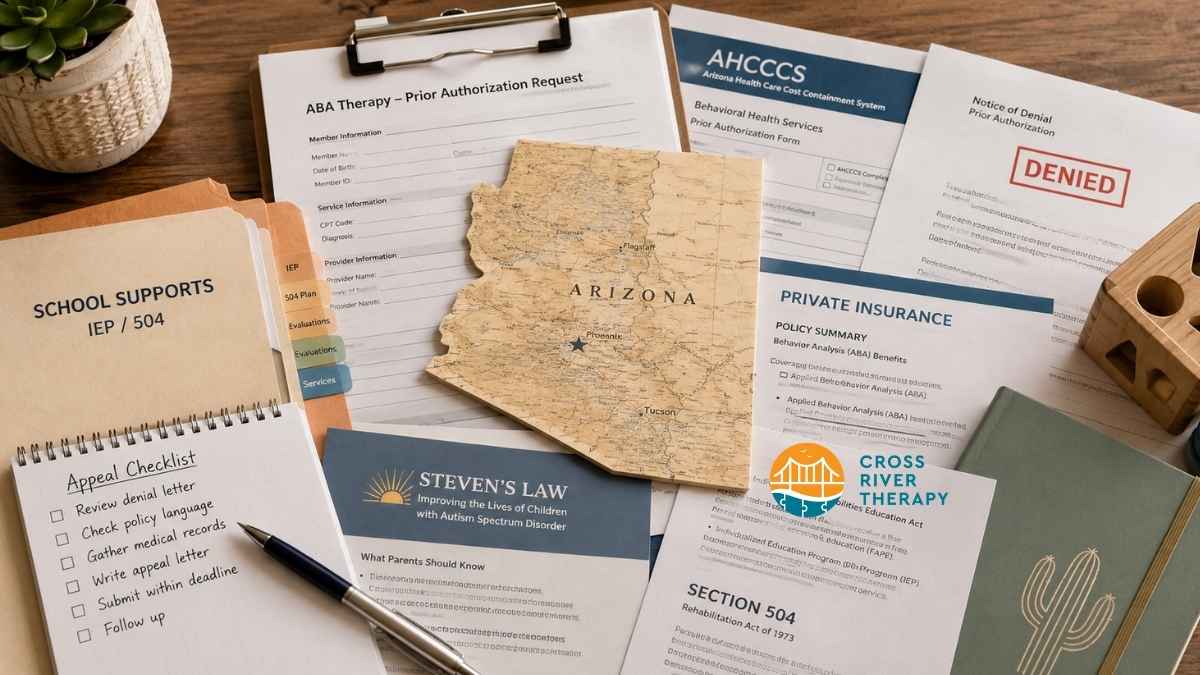
Arizona Autism Laws Every Parent Should Know Before Starting ABA Therapy
Autism laws Arizona parents should know cover ABA insurance, AHCCCS appeals, IEPs, and Section 504 rights. Check ABA coverage with Cross River.

ABA Therapist Salary in Arkansas: What BCBAs and RBTs Actually Earn in 2026
ABA therapist salary Arkansas figures compare RBT and BCBA rates, benefits, guaranteed hours, and contract terms. Explore careers at Cross River.

5 Autism Support Groups and Family Resources in New Mexico Alongside ABA Therapy
Autism support groups New Mexico families can use offer peer support, local events, and school help. Cross River can explain ABA therapy options.

Where to Get an Autism Evaluation in New Mexico Before Starting ABA Therapy
Autism evaluation New Mexico options include UNM, NMSU, FIT, and private providers. Compare providers, records, and ABA steps with Cross River.

7 North Carolina Autism Resources to Contact Before ABA Therapy Starts
Autism resources North Carolina families can call for diagnosis, early intervention, rights, and parent support. Start ABA intake with Cross River.

Does Indiana Medicaid Cover ABA Therapy? A Step-by-Step Eligibility Checklist for Parents
Medicaid ABA therapy Indiana covers eligible children under 21 with prior authorization. Your five-step coverage review can start with Cross River.

How to Apply for New Mexico’s DD Waiver While Starting ABA Therapy
Autism waiver New Mexico applications need DD Waiver records and proof of daily support needs. Your next step is to start ABA intake with Cross River.

Is ABA Therapy Covered by Insurance in New Jersey? What Every Parent Should Know
ABA therapy insurance New Jersey may cover medically necessary care based on plan type, network, and authorization. Verify benefits with Cross River.

How ABA Therapy Builds Communication for Nonverbal Children Without Forcing Speech
ABA therapy communication for nonverbal children starts with AAC, signs, and daily routines. See how kids ask, refuse, choose, and get help.

How to Start ABA Therapy in New Jersey With a First-Call Checklist
How to start ABA therapy in New Jersey begins with records, insurance details, and intake questions. Use this first-call checklist before you call.

How to Get an Autism Evaluation in Arkansas Before Starting ABA Therapy
How to get an autism evaluation in Arkansas starts with a referral, provider choice, and key records. Use this parent checklist before ABA intake.