








Energy-saving tips for autism families
Maximize Comfort and Minimize Costs with Energy Efficiency in Autism Homes

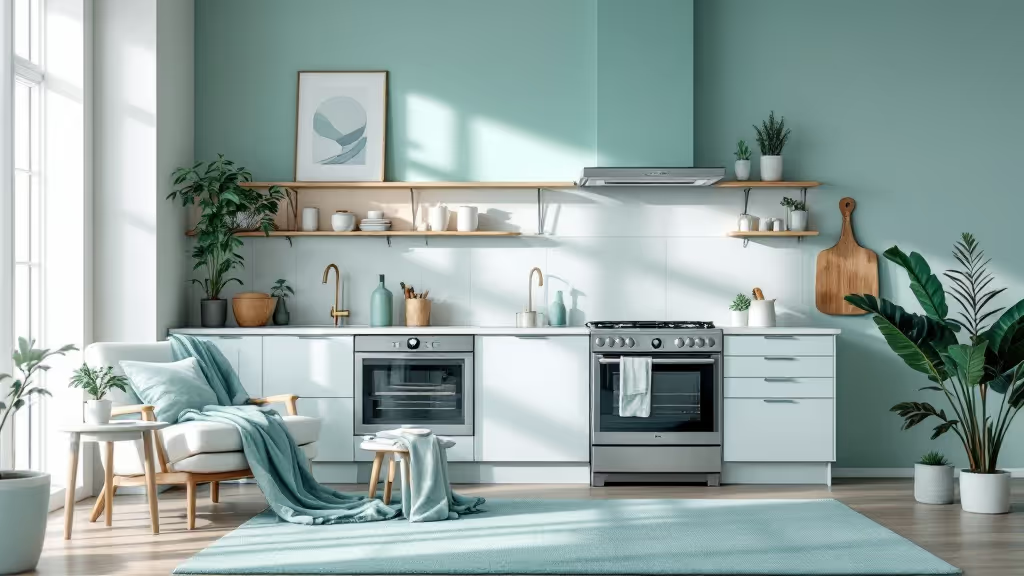
Introduction to Energy Efficiency in Autism-Friendly Homes
Creating an energy-efficient home is crucial for families with autistic individuals. By thoughtfully integrating energy-saving measures, you can promote a comfortable, sensory-friendly living environment while also reducing utility costs. This approach not only supports environmental sustainability but also offers financial relief, which is often needed by families juggling the costs associated with autism care. This article explores practical strategies and insights into how energy efficiency can transform autism-friendly spaces for the better.
Understanding the Needs of Autism Families in Home Energy Management

What challenges do families with autistic members face in energy management, and how can they overcome them?
Families with autistic members confront unique challenges in energy management. Sensory sensitivities often necessitate creating stable and calm environments, where unexpected changes in energy usage can lead to discomfort or even anxiety. For instance, changes in temperature or lighting can trigger sensory overload, making it essential to find solutions that respect these needs.
To manage energy efficiently while considering sensory sensitivities, families can adopt a few strategies:
- Use Quiet HVAC Systems: These systems offer essential climate control without causing disruptive noise, aiding those sensitive to sound.
- Dimmable LED Lighting: Implementing LED bulbs that allow for adjustable brightness can help families tailor their lighting environment, reducing the risk of visual overstimulation while saving energy.
Implementing an energy accounting system can help families track their energy use, identifying when peaks occur and planning daily activities to align with times when energy levels are optimal. Regular breaks and mindful practices are essential to prevent fatigue, facilitating recovery after periods of higher sensory demand.
Ultimately, creating a nurturing home environment where individuals can comfortably rest and recharge, alongside practical energy management, enhances overall well-being for families navigating the challenges of autism.
Strategic Use of Lighting to Conserve Energy and Accommodate Sensory Needs
What are some practical strategies to improve energy efficiency in homes tailored for autistic individuals?
To improve energy efficiency in homes for autistic individuals, it is crucial to consider their sensory needs while enhancing overall functionality. Implementing energy-efficient lighting options is a fundamental step.
- LED Lighting Benefits: LED bulbs can save approximately 75% more energy than traditional incandescent bulbs. They produce consistent brightness and do not flicker, which is essential for minimizing sensory overload. Families can opt for adjustable LED lighting, allowing for tailored brightness and color temperature to create a soothing environment.
- Smart Lighting Systems: These systems enable customization of lighting intensity and color, enhancing comfort based on individual preferences. Smart technologies can also automate lighting schedules, reducing energy use when rooms are unoccupied. This level of control is particularly beneficial in managing the sensory environment for autistic individuals.
- Sensory-Friendly Designs: Beyond lighting, using subdued colors like grey or blue-green tones for walls can create a calming effect. It is also helpful to maximize natural lighting with effective window treatments that allow for control over intensity and reduce glare. Incorporating materials that absorb sound—like acoustic panels and rugs—can minimize noise pollution, leading to a more comfortable living space.
By focusing on these strategies, families can successfully create enriching, energy-efficient environments that cater to the unique sensory needs of autistic individuals.
Balancing Comfort and Conservation with Smart Thermostats and Insulation
How can autism-friendly living spaces promote energy conservation while accommodating sensory needs?
Autism-friendly living spaces can promote energy conservation while accommodating sensory needs by incorporating design strategies that address both aspects in harmonious ways. Using natural light and ventilation minimizes reliance on artificial lighting and heating, creating a calming yet energy-efficient environment. For instance, large windows and skylights can allow for ample daylight, reducing the need for overhead lights during the day.
In addition, organizing spaces with visual schedules and structured routines helps individuals feel secure, reducing anxiety and the tendency for energy-consuming behaviors. This creates a stable environment where consistency leads to energy efficiency. Smart thermostats play a critical role here. They learn daily habits and can adjust heating and cooling automatically, aiding in creating stable temperatures that cater to those sensitive to temperature changes while saving energy.
Features like dimmable lighting systems allow adjustment to suit individual sensory preferences, minimizing harsh lighting and potential overload. Additionally, incorporating sound-absorbing materials helps to dampen distracting noises, contributing to a peaceful atmosphere.
Overall, thoughtful modifications that prioritize sensory accommodations can lead to a sustainable living environment that meets the diverse needs of individuals with autism, balancing comfort with energy conservation.
Financial Advantages of Implementing Energy-Efficient Measures
What insights are available on the financial benefits of energy-saving measures tailored for autism families?
Energy-saving measures tailored for autism families can provide notable financial benefits by decreasing utility bills and potentially qualifying families for various energy rebates or tax incentives. For instance, installing solar panels can save families between $600 and $1,200 annually on electricity costs, allowing families to redirect funds towards essential autism-related care.
Many families facing the substantial costs of autism care, estimated at around $60,000 annually, may find energy efficiency improvements a worthwhile investment. Energy Star appliances consume less energy and can save households between $100 and $150 each year, offering significant financial relief in managing monthly expenses.
Additionally, guidance from resources like Autism Speaks' Financial Planning Tool Kit can aid families in navigating the complexities of financial management related to autism. Programs such as Supplemental Security Income (SSI) and Medicaid Waivers can further enhance financial stability by covering essential services and supports.
By reallocating savings from energy efficiency improvements, families can better invest in necessary treatments and educational resources, ensuring that both financial and healthcare needs are addressed efficiently.
Energy rebates and incentives
Various incentives exist to promote energy-efficient upgrades in homes for autism families. Federal and state programs often provide rebates and tax credits for installing energy-efficient appliances and systems, enabling families to lessen initial costs.
Financial relief for autism care
Using the savings garnered from improved energy efficiency, families can alleviate some economic burdens associated with autism care. This financial relief enables families to focus more on supportive therapies and educational resources that enhance the well-being of their children.
Incorporating Renewable Energy Solutions for Better Living Environments
Solar Energy Benefits
Integrating solar energy solutions in homes designed for those with autism can significantly improve comfort and reduce anxiety associated with volatile energy sources. Solar panels can save families between $600 and $1,200 annually on electricity costs. This financial relief allows families to allocate resources toward autism-related therapies and care.
Environmental Impact
By opting for renewable energy solutions like solar power, families not only decrease their reliance on non-renewable energy sources but also contribute to lowering carbon emissions. Creating eco-friendly living spaces aligns with the values of sustainability, improving the overall quality of the environment for everyone, including communities affected by autism.
Financial Savings
The installation of solar panels often results in long-term financial benefits. Besides the substantial savings on energy bills, there are often various grants and tax incentives available to offset the initial installation costs. Families transitioning to renewable energy can enjoy enhanced economic stability, easing the financial burden associated with autism care while promoting a sustainable lifestyle.
Creating Calming Spaces with Non-Toxic and Energy-Efficient Materials
Material Choice for Well-Being
Selecting non-toxic materials in home design is crucial for creating spaces that promote health and well-being, especially for individuals with autism. These materials limit exposure to harmful chemicals, reducing irritability often associated with sensory sensitivities. Consider using paints, finishes, and furnishings that are certified low-VOC (volatile organic compounds), which contribute to a healthier indoor environment.
Eco-Friendly Design
Utilizing eco-friendly materials aligns with sustainable living and can improve the overall atmosphere of a home. Biodegradable options, like bamboo flooring or recycled glass countertops, not only decrease environmental impact but also provide safe surroundings for autistic individuals. Incorporating renewable resources is a step towards both ecological consciousness and the health of family members.
Sensory Comfort
Integrating sensory-friendly elements, such as soft textiles, sound-absorbing panels, and calming color schemes, can create an environment conducive to relaxation. For example, using carpets or rugs with sound-absorbing properties can minimize noise disruption, which is beneficial for those sensitive to auditory stimuli. Moreover, adjustable LED lighting allows customization of brightness and warmth, further enhancing comfort for individuals with sensory processing challenges.
Structural Modifications to Enhance Energy Efficiency and Sensory Appeal
Insulation and Soundproofing
Effective insulation is vital for maintaining stable indoor temperatures, giving families a reliable respite from external temperature fluctuations. It helps minimize heat loss during winter and heat gain in summer, creating an energy-efficient living space that benefits individuals with sensory sensitivities. Additionally, soundproofing measures using acoustic panels and rugs can significantly reduce noise pollution, making the environment more tranquil for those with heightened auditory sensitivities.
Stable Climates
Maintaining a stable climate is crucial for individuals on the autism spectrum. Smart thermostats can learn daily routines and automatically adjust heating and cooling settings, ensuring a comfortable environment without sudden temperature shifts that could lead to discomfort or anxiety. Proper ventilation systems enhance air quality while keeping humidity levels in check, thus creating a more pleasant indoor atmosphere.
Comfortable Environments
When designing for comfort, consider using non-toxic, eco-friendly materials that contribute to overall well-being. Choosing LED lighting can provide a consistent, soft glow without flickering or harsh glare, catering to sensitivity. Establishing designated quiet spaces with comfortable seating offers individuals a retreat during overwhelming moments, promoting emotional regulation and providing a safe haven in the home.
Utilizing Smart Technologies to Support Energy Goals and Autonomy
Smart Home Integration
Integrating smart home technologies is a powerful way to create energy-efficient environments that cater specifically to the needs of individuals with autism. Devices like smart thermostats and automated lighting systems adjust to daily routines, ensuring a stable atmosphere that is sensitive to sensory needs. These systems can provide optimal temperature regulation, which is particularly crucial for those who may be sensitive to temperature fluctuations.
Independence Through Technology
Smart home features also foster greater independence for autistic individuals. By using remote-controlled systems for lighting and appliances, they can exert control over their environment with ease. This accessibility not only enhances their overall quality of life but also encourages them to engage with their surroundings more confidently.
Energy Management Automation
Using automation technology simplifies the energy management process. For instance, families can install energy monitors that track consumption patterns, helping identify energy spikes caused by unpredictability in routines. This understanding allows families to optimize energy usage while minimizing stress associated with sudden changes, which can lead to sensory overload. Overall, the integration of smart technologies supports both energy efficiency and the unique needs of autism-friendly living spaces.
Designing Routine-Driven Spaces to Foster Predictable Living
Routine Establishment
Creating routine-driven spaces is essential for families with autistic individuals. Established routines promote stability, allowing individuals to predict their daily activities, reducing anxiety associated with the unknown. Setting fixed schedules not only supports emotional health but also facilitates better energy management.
Energy Usage Patterns
Understanding energy usage patterns can significantly benefit these families. By recognizing peak usage times for heating, cooling, and lighting, families can make informed choices to reduce energy spikes, effectively managing costs while maintaining comfort. For instance, using energy-efficient appliances during non-peak hours can align with consistent routines.
Predictable Environments
Designing predictable environments through smart technologies—like automated lighting and smart thermostats—enhances comfort and reduces sensory overload. These features adapt based on established routines, ensuring that individuals enjoy a stable and soothing living space, crucial for their emotional and sensory well-being.
Maximizing Everyday Actions for Energy Savings and Stress Reduction
Small Habit Changes
Implementing minor adjustments to daily routines can lead to significant energy savings and stress reduction for families with autistic individuals. For instance, turning off lights in unused rooms and unplugging devices when not in use can eliminate phantom energy loads.
Daily Energy Conservation
Establishing a consistent daily schedule helps manage energy spikes by promoting predictability in energy use. Visual aids can assist in setting routines, mitigating anxiety around unexpected changes. Utilizing sound-absorbing materials in the home can further enhance comfort, reducing noise-related stress.
Supporting Autism Families
Training staff in autism awareness can create more inclusive environments, easing social interactions. For added comfort, creating designated quiet spaces within shared areas can provide retreats for when sensory overload occurs, promoting well-being for autistic family members. Regular discussions about peak and quiet times in communal spaces can help families navigate energy-efficient practices while ensuring harmonious living conditions.
Conclusion: Embracing an Efficient and Nurturing Home
Energy-efficient practices tailored to the unique requirements of autism families offer far-reaching benefits, from financial savings to enhanced comfort. By understanding and applying these strategies, families can create nurturing environments that support both the sensory and daily living needs of their autistic members. With the right approach, households can simultaneously achieve energy conservation, improved living conditions, and economic relief—truly supporting a better quality of life for all involved.
References
Recent News
Related articles

6 Arkansas Medicaid ABA Therapy Rules Families Need to Know
Arkansas Medicaid ABA therapy has age, diagnosis and approval rules. Families can check six requirements before care.

Arizona Autism Laws Every Parent Should Know Before Starting ABA Therapy
Autism laws Arizona parents should know cover ABA insurance, AHCCCS appeals, IEPs, and Section 504 rights. Check ABA coverage with Cross River.

ABA Therapist Salary in Arkansas: What BCBAs and RBTs Actually Earn in 2026
ABA therapist salary Arkansas figures compare RBT and BCBA rates, benefits, guaranteed hours, and contract terms. Explore careers at Cross River.

5 Autism Support Groups and Family Resources in New Mexico Alongside ABA Therapy
Autism support groups New Mexico families can use offer peer support, local events, and school help. Cross River can explain ABA therapy options.

Where to Get an Autism Evaluation in New Mexico Before Starting ABA Therapy
Autism evaluation New Mexico options include UNM, NMSU, FIT, and private providers. Compare providers, records, and ABA steps with Cross River.
7 North Carolina Autism Resources to Contact Before ABA Therapy Starts
Autism resources North Carolina families can call for diagnosis, early intervention, rights, and parent support. Start ABA intake with Cross River.
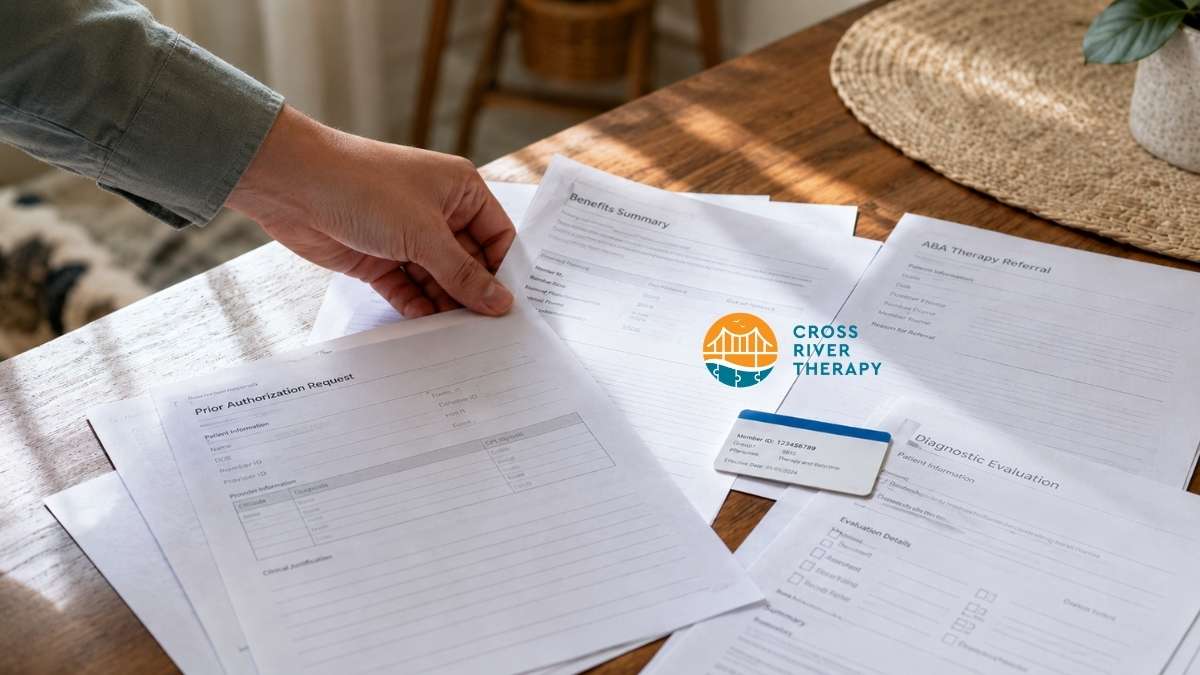
Does Indiana Medicaid Cover ABA Therapy? A Step-by-Step Eligibility Checklist for Parents
Medicaid ABA therapy Indiana covers eligible children under 21 with prior authorization. Your five-step coverage review can start with Cross River.
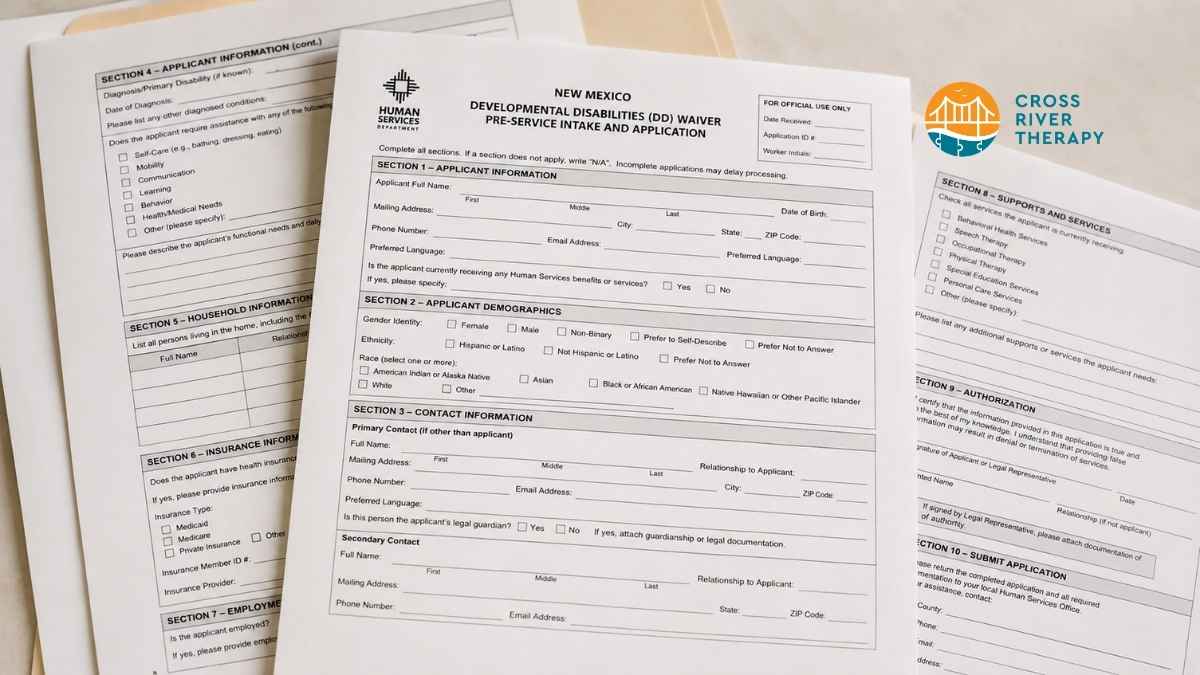
How to Apply for New Mexico’s DD Waiver While Starting ABA Therapy
Autism waiver New Mexico applications need DD Waiver records and proof of daily support needs. Your next step is to start ABA intake with Cross River.

Is ABA Therapy Covered by Insurance in New Jersey? What Every Parent Should Know
ABA therapy insurance New Jersey may cover medically necessary care based on plan type, network, and authorization. Verify benefits with Cross River.

How ABA Therapy Builds Communication for Nonverbal Children Without Forcing Speech
ABA therapy communication for nonverbal children starts with AAC, signs, and daily routines. See how kids ask, refuse, choose, and get help.

How to Start ABA Therapy in New Jersey With a First-Call Checklist
How to start ABA therapy in New Jersey begins with records, insurance details, and intake questions. Use this first-call checklist before you call.

How to Get an Autism Evaluation in Arkansas Before Starting ABA Therapy
How to get an autism evaluation in Arkansas starts with a referral, provider choice, and key records. Use this parent checklist before ABA intake.