| Varies by state | | Energy Efficiency | Decreases energy waste & operating costs | Annual savings >$40,000 |
By integrating renewable energy, autism centers not only alleviate their financial burdens but also foster sustainability and support community health efforts.
Funding and Financial Assistance Programs
What funding opportunities and financial assistance programs are available for integrating renewable energy into autism centers?
There are numerous funding opportunities and financial assistance programs available that can facilitate the integration of renewable energy in autism centers. For instance, the U.S. Department of Energy’s Office of Energy Efficiency and Renewable Energy (EERE) offers various grants and technical assistance aimed at energy projects that align with sustainability goals.
The Small Business Innovation Research (SBIR) and Small Business Technology Transfer (STTR) programs specifically provide funding for small businesses within the energy sector, which may include renewable projects in autism support facilities.
Another notable resource is the Rural Energy for America Program (REAP), which provides grants and guaranteed loans for adopting renewable energy systems or improving energy efficiency. This program can cover up to 75% of eligible project's costs.
Additionally, the USDA offers support through the Farm Bill, which includes financial assistance for energy conservation projects. The Environmental Quality Incentives Program (EQIP) could potentially cover up to 90% of costs for eligible producers implementing sustainable technologies.
Grants are also available to assist with feasibility studies, energy audits, and innovative conservation projects. All these resources collectively create an encouraging landscape for autism centers to transition towards renewable energy solutions, ultimately aiding in alleviating financial burdens for families in need.
Therapeutic and Environmental Advantages
What are the therapeutic benefits and environmental advantages of eco-friendly energy practices for individuals with autism?
Eco-friendly energy practices provide a range of therapeutic benefits for individuals with autism. One significant advantage is improved air quality. Clean energy solutions reduce air pollution levels, which can alleviate sensory overload and anxiety commonly experienced by autistic individuals. Enhanced air quality supports overall mental health, decreasing respiratory issues that can lead to increased healthcare costs linked to pollution.
Furthermore, the reliability of affordable renewable energy can significantly reduce stress for families. Many families face financial strains when managing care for autistic children; thus, lower utility bills can redirect funds towards therapies and support services that foster wellbeing.
Additionally, adopting sustainable practices contributes to environmental sustainability by lowering greenhouse gas emissions. This not only results in cleaner air but also promotes the overall health of communities.
Furthermore, the renewable energy sector creates green jobs, which can help enhance economic stability and contribute to social opportunities, ultimately improving the quality of life for individuals with autism.
Successful Case Studies in Green Energy
Are there any case studies or examples of successful green energy implementations in autism facilities?
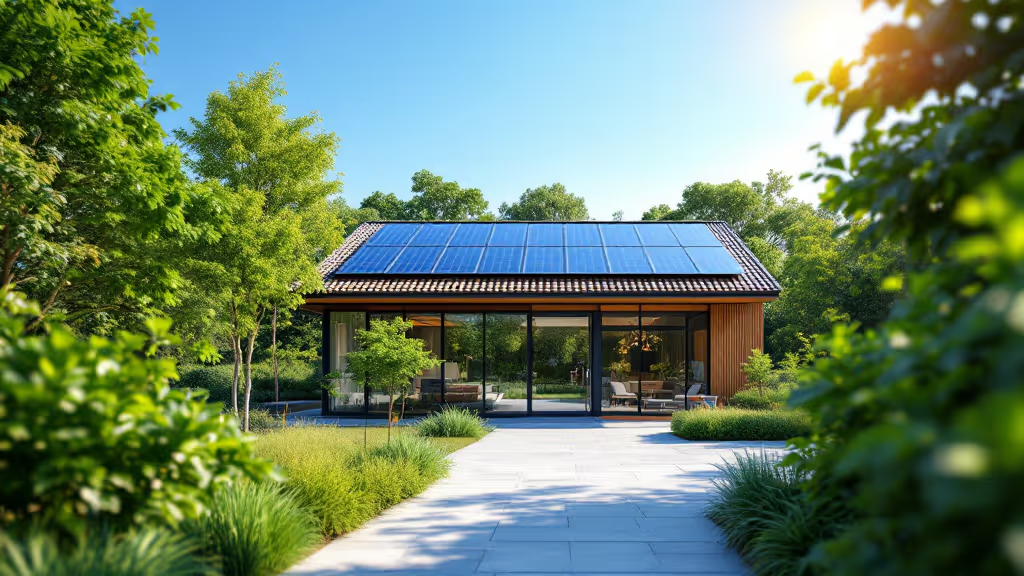
There are several promising case studies showcasing successful green energy implementations within autism facilities, revealing substantial benefits for both operational efficiency and environmental impact. For instance, facilities that have integrated renewable energy sources—such as solar, wind, and geothermal—often realize operational cost reductions of 20-30% on energy bills. This significant saving can free up funds for essential services and therapies for autistic individuals.
Moreover, these facilities typically focus on creating optimal learning environments tailored to the sensory needs of students. They often employ strategies such as:
- Natural Lighting: Enhances mood and reduces anxiety.
- Sound-Absorbing Materials: Minimizes distractions, creating calming spaces.
- Air Quality Improvements: Reduces respiratory issues and discomfort caused by environmental pollutants.
The transition to renewable energy also contributes to environmental health, with facilities reporting a reduction in greenhouse gas emissions by 10-20 tons annually. These outcomes illustrate how green energy advancements not only support sustainability goals but also enrich the living experiences for individuals on the autism spectrum. Overall, the successful case studies affirm that the integration of renewable energy is a significant step towards enhanced well-being in autism support centers.
Community and Educational Initiatives
How can community involvement and educational initiatives promote sustainability in autism care facilities?
Community involvement and educational initiatives are vital for fostering sustainability in autism care facilities. By actively engaging local stakeholders—including families, educators, and service providers—centers can create partnerships that promote collaboration and shared decision-making. This approach respects the unique needs of the community, leading to customized sustainability practices that enhance both support and commitment.
Educational programs play an essential role in this framework. They equip staff and clients with knowledge about sustainable practices, helping to cultivate a culture of environmental stewardship. For instance, workshops on renewable energy technologies can empower participants to make informed decisions and implement energy-efficient solutions in their daily operations.
Furthermore, incorporating feedback from community members can illuminate local priorities, resulting in impactful and culturally sensitive sustainability measures. When stakeholders feel their voices are heard, it fosters trust and strengthens commitment to shared economic benefits. All of these efforts contribute to not only reducing operational costs but also creating healthier environments for individuals with autism.
Summary of Benefits
| Benefit | Description | Impact on Community |
| Stakeholder Engagement | Collaboration among families and care facilities | Customized practices that resonate with community needs |
| Educational Programs | Knowledge-sharing about sustainability and technology | Empowerment of participants to implement eco-friendly initiatives |
| Community Feedback | Incorporates local priorities into sustainability measures | Builds trust and commitment to shared goals |
Ultimately, a collaborative approach to sustainability in autism care facilities can lead to better outcomes for both individuals with autism and the broader community.
Conclusion: A Path Forward
Green energy in autism care centers is not merely a trendy initiative; it represents a comprehensive strategy to better align financial sustainability with environmental responsibility. By reducing operational costs and carbon footprints, these facilities can devote more resources to enhancing care and educational programs while supporting broader community health. As more autism centers transition to renewable energy, they set important precedents for others seeking similar benefits. The collective efforts of stakeholders, engaged communities, and informed policy will ultimately pave the way for a sustainable future, ensuring that the needs of individuals with autism are met in a holistic and environmentally conscious manner.
References