








How ABA Therapy Encourages Positive Behavior in School Settings
The Impact of ABA Therapy on Student Behavior in Schools


Introduction
Applied Behavior Analysis (ABA) therapy is a powerful tool used within educational environments to foster positive behavior and enhance learning among students, particularly those with developmental and behavioral disabilities. This article explores how ABA therapy contributes to a supportive and productive school setting, offering detailed insights into its methods, benefits, and collaborative strategies.
Understanding ABA Therapy in Educational Contexts

What is Applied Behavior Analysis (ABA) and how is it used in school environments?
Applied Behavior Analysis (ABA) is a therapeutic approach rooted in the principles of behavior science, focusing on individuals' interactions with their environments. It plays a vital role in educational contexts, especially for children with developmental disorders, such as Autism Spectrum Disorder (ASD). In schools, ABA is used to foster essential skills necessary for learning and social integration, ultimately improving academic performance and social interactions.
Key components of ABA in school settings include:
- Positive Reinforcement: Encouragement rewards, like verbal praise and tokens, are employed to increase desirable behaviors, motivating children to engage more with educational tasks.
- Intervention Strategies: Methods such as Discrete Trial Teaching (DTT), Natural Environment Teaching (NET), and Task Analysis break down complex tasks into manageable steps, making learning more accessible for students.
- Individualized Support: Each student benefits from tailored interventions based on their unique strengths and challenges. Behavior Intervention Protocols (BIPs) are developed with insights from ABA therapists to address and modify specific behaviors observed in the classroom.
Implementation strategies for ABA in schools
The framework for implementing ABA in educational environments involves collaboration among teachers, Board Certified Behavior Analysts (BCBAs), Registered Behavior Technicians (RBTs), and families. This teamwork ensures a comprehensive approach to addressing each child’s learning needs. Effective strategies include:
- Data-Driven Decision Making: Continuous observation and data collection help assess the effectiveness of interventions, allowing for necessary adjustments to optimize outcomes.
- Collaborative Learning Plans: Educators and ABA professionals create individualized education plans (IEPs) that align academic goals with behavioral interventions, ensuring a supportive learning atmosphere.
- Structured Environment Modifications: Adjustments to the classroom layout and daily routines help minimize distractions and promote positive behavior, enhancing learning opportunities for all students.
The effective application of ABA strategies in schools leads to improved learning environments, promoting social emotional competence, academic success, and overall student well-being.
Supporting Students with Developmental Disabilities
How does ABA therapy support students with developmental and behavioral disabilities in schools?
ABA therapy supports students with developmental and behavioral disabilities in schools through a personalized and data-driven approach that focuses on each child's unique needs. This method enhances essential life skills, communication, and social interactions, enabling children to integrate better into their environments.
By breaking down complex tasks into manageable steps and using positive reinforcement, ABA therapy fosters academic achievement and reduces problem behaviors. It allows educators to provide structured support, making the learning environment more conducive to students' success.
Benefits of ABA for students with disabilities
The benefits of ABA therapy extend well beyond academic skills. Key advantages include:
- Improved Communication Abilities: ABA incorporates techniques to teach communication, enabling children to express their needs and engage better in classroom activities.
- Enhanced Social Skills: Students learn vital social cues and interactions through reinforced practice, which aids in developing friendships and managing peer relations more effectively.
- Emotional Regulation: ABA teaches coping skills and appropriate behaviors necessary for classroom participation, which helps in managing both academic and social pressures.
- Individualized Programs: Customized plans created by BCBAs and RBTs allow for tailored interventions that meet the specific strengths and challenges of each student.
Strategies to support learning
Effective strategies in the classroom include visual schedules to reduce anxiety, token economies for positive reinforcement, and social skills training. These methods not only promote appropriate behaviors but also create a structured learning environment that benefits all students.
Role of parents and teachers
Collaboration between parents and teachers is essential in this process. Teachers can share insights and behavioral strategies while parents reinforce techniques at home. This unified support system enhances the overall school experience for students with disabilities, ensuring they receive the support necessary for both behavioral development and academic success.
Thus, ABA therapy and its strategies significantly contribute to supporting students with developmental disabilities, fostering a more inclusive learning environment.
Practical ABA Techniques in School Settings
What are some practical strategies for implementing ABA techniques in schools?
Practical strategies for implementing ABA techniques in schools are vital for enhancing student behavior and learning. At the forefront is the consistent reinforcement of positive behaviors. Using token economies and providing immediate rewards can motivate students, particularly those with special needs, to engage in desired behaviors more frequently.
Visual aids are also exceptionally useful. Teachers can utilize tools like visual schedules, which help reduce anxiety and clarify expectations, aiding communication and task completion. Techniques such as Discrete Trial Training (DTT) break concepts into manageable parts, making it easier for students to learn complex skills.
Incorporating Naturalistic Teaching allows lessons to flow naturally during everyday activities, making learning more relevant. Collaborative planning with staff and parents is critical; this teamwork personalizes interventions to meet each child's unique needs and strengths.
How do teachers collaborate effectively with school staff?
Collaboration among teachers, Board Certified Behavior Analysts (BCBAs), and Registered Behavior Technicians (RBTs) is essential for effective implementation of ABA strategies. Regular meetings allow for sharing insights and developing comprehensive Individualized Education Plans (IEPs).
Additionally, creating behavior intervention protocols (BIPs) based on systematic observations ensures all staff members understand the approach. Using detailed data gathering techniques allows staff to assess the effectiveness of strategies, enabling adjustments that foster student progress.
These collaborative, data-driven approaches create a supportive learning environment, crucial for implementing successful ABA strategies in schools effectively.
Collaborative Efforts for Successful ABA Implementation

Importance of collaboration
Effective collaboration between educators and ABA providers is essential for supporting students, particularly those with autism. This teamwork involves the integration of various stakeholders, including behavior analysts, therapists, educators, and family members, to create a comprehensive treatment plan tailored to individual needs. The strength of this collaboration lies in the diverse expertise each member brings, which collectively contributes to better student outcomes.
Roles of educators and ABA providers
Educators and ABA professionals have distinct yet complementary roles in fostering a supportive learning environment. Educators implement ABA strategies within the classroom setting, focusing on behavior modification and skill acquisition. They provide essential feedback regarding students’ progress and behaviors observed during school hours. Meanwhile, Board Certified Behavior Analysts (BCBAs) oversee the development of specific behavioral treatment plans and conduct in-depth assessments to identify targeted interventions. Registered Behavior Technicians (RBTs) facilitate the day-to-day application of these strategies, ensuring consistency in approach, which is vital for reinforcing positive behaviors.
Communication strategies
Regular, open communication is critical for successful collaboration. This can be achieved through scheduled meetings, progress reports, and updates on students' behaviors and achievements. Educators should receive professional development in ABA techniques to effectively implement strategies learned from ABA providers. Involving families in the process helps ensure that interventions are congruent with home practices, thus maximizing their effectiveness. Ultimately, this united effort enables team members to celebrate each child’s progress and adapt strategies as necessary, leading to improved therapeutic outcomes and school readiness.
Differentiating ABA from Other Support Systems
How does ABA therapy differ from other positive behavior support systems in schools?
Applied Behavior Analysis (ABA) presents a structured and data-driven approach that sharply focuses on modifying behaviors through individualized assessments. This specificity sets it apart from other behavior support systems such as Positive Behavioral Interventions and Supports (PBIS). Unlike PBIS, which may encompass a broader range of supportive strategies, ABA zeroes in on behavior change, leveraging the principles of behavior analysis to create tailored Behavior Intervention Plans (BIPs).
A defining characteristic of ABA is the collaboration it fosters among Board Certified Behavior Analysts (BCBAs), educators, and Individualized Education Program (IEP) teams. BCBAs play a central role in the implementation of ABA strategies, ensuring that interventions directly align with educational goals while monitoring progress through systematic data collection. This collaborative approach contrasts with many other support systems where fewer specialized practitioners may drive the process.
Unique aspects of ABA
One of the unique aspects of ABA is its focus on creating individualized plans precisely tailored to meet the specific strengths and challenges of each student, particularly those with Autism Spectrum Disorder (ASD). Techniques such as Discrete Trial Training, Natural Environment Teaching, and positive reinforcement are all integral to ABA, enhancing communication and social skills in children. This individualized process often leads to more effective outcomes compared to broader frameworks where interventions might not be as specifically configured to address particular behaviors or needs.
Implementation challenges
However, the effective implementation of ABA in school settings often faces challenges. Inadequate staff training can lead to misinterpretations of ABA principles, reducing the overall success of interventions. Furthermore, without strong administrative support, the consistent application of ABA techniques can suffer, undermining their potential benefits.
Ongoing training and support for educators and staff are essential for maintaining fidelity to ABA methods. Schools seeking to incorporate ABA need to prioritize comprehensive training programs and advocacy from administrators to overcome these hurdles and fully leverage the advantages ABA can bring to student learning and behavior management.
Tailored Interventions for Students with ASD
What are the benefits of using ABA for students with Autism Spectrum Disorder (ASD) in educational settings?
ABA therapy is incredibly beneficial for students with Autism Spectrum Disorder (ASD) in educational environments. One primary advantage is its focus on individualized interventions. Each student's needs and strengths are carefully assessed, ensuring that strategies are tailored to enhance communication and social skills, which are often significant challenges for these students.
Additionally, ABA emphasizes the development of academic performance. By integrating structured teaching methods and positive reinforcement, students can improve their attention levels, task engagement, and reduce instances of challenging behaviors that may disrupt learning.
Moreover, the evidence-based framework of ABA provides assurance that the practices employed are grounded in research. This leads to more effective outcomes for students, fostering not only improved academic results but also enhanced overall functioning in school settings. Parents are also involved actively, reinforcing skills learned during therapy at home, thereby creating a continuous support system for the child.
What specific strategies in ABA enhance the learning experience for ASD students?
In educational settings, various strategies are employed within ABA to support ASD students:
- Positive Reinforcement: Rewards (like tokens or verbal praise) are used to encourage desirable behaviors.
- Visual Schedules: These help reduce anxiety by providing structure and clarity in daily activities.
- Social Skills Training: Through group activities and role-playing, students can practice essential social interactions.
- Task Analysis: This involves breaking down complex tasks into smaller, manageable steps, making learning more attainable for students.
- Natural Environment Teaching (NET): Skills are taught in real-life contexts, enhancing retention and application.
How does ABA improve communication and social skills?
ABA plays a significant role in enhancing communication abilities for children with ASD. Techniques such as speech integration during therapy sessions work towards expanding vocabulary and improving communication effectiveness in classroom settings. Reinforcement strategies help students express their needs and engage more effectively with peers and educators.
Likewise, through consistent practice in play skills and structured social interactions, children learn to share, greet peers, and develop friendships, leading to a deeper understanding of social dynamics. By promoting emotional regulation and teaching coping strategies, ABA equips students with skills necessary for successful participation in the classroom.
In summary, ABA provides a comprehensive approach that not only addresses academic needs but significantly enriches the social and communication skills of students with Autism Spectrum Disorder, fostering a conducive learning environment.
Creating a Positive School Environment with ABA
Enhancing School Climate
Applying Applied Behavior Analysis (ABA) in schools significantly contributes to a positive climate by fostering socially acceptable behaviors. Through systematic methods of identifying and addressing behaviors that impede learning, teachers create a structured and encouraging atmosphere where students can thrive. By focusing on developing communication and social skills, especially for children with Autism Spectrum Disorder (ASD), ABA helps students engage effectively with their peers and educators.
Role of Positive Reinforcement
Positive reinforcement is a core technique within ABA, reinforcing good behavior and increasing the likelihood of its recurrence. This can include verbal praise, tokens, or other incentives tailored to engage students. By recognizing and rewarding desirable behaviors, educators not only boost the students' motivation but also enhance their self-esteem, further establishing a supportive learning environment. It encourages collaboration, as peers learn to appreciate each other's achievements, fostering camaraderie and teamwork.
Structured Learning Environments
Creating structured learning environments is vital for effective ABA application. Modifying classroom layouts to reduce distractions and employing structured routines facilitates appropriate behavior and enhances focus. Techniques like visual schedules and social stories serve as tools within this structured framework, equipping students with essential skills to navigate their environment. The collaboration between educators, Board Certified Behavior Analysts (BCBAs), and Registered Behavior Technicians (RBTs) ensures that interventions are tailored to meet each student's unique needs, driving their academic and social development.
Aspect Description Benefit to Students School Climate Fostering positive behaviors and engagement Improved relationships with peers and teachers Positive Reinforcement Using rewards to motivate desirable behavior Increases self-esteem and classroom participation Structured Learning Environment modifications and routines Enhances focus and learning efficiency
The integrated application of ABA not only improves behavior outcomes but also enriches the overall educational experience, enabling all students to succeed.
The Role of Data in ABA Applications
Data-Driven Strategies
In Applied Behavior Analysis (ABA), data-driven strategies are fundamental. These methods rely on the systematic collection of data to identify specific behaviors that impede learning and to devise the most effective interventions. ABA practitioners utilize various forms of data collection, including direct observations, checklists, and tracking software, to assess student behavior and adaptation in school settings.
Monitoring Progress
Monitoring progress is a crucial aspect of ABA. Regular assessments provide insights into how well students are responding to interventions. This ongoing evaluation not only helps in tracking the effectiveness of implemented strategies but also aids in recognizing patterns in behavior over time. By comparing current data against baseline measures, educators and therapists can determine success and areas requiring modification.
Adjusting Interventions
Adjusting interventions based on data allows for a more tailored approach to meet a child's unique needs. When data indicates that a particular strategy is ineffective, educators can pivot to alternative methods. For instance, if a student is not responding to a specific reinforcer, data can guide the choice of a more effective incentive. This flexibility in adapting strategies ensures that each student's learning experience is optimized, ultimately contributing to improved academic and social skills in the classroom.
Aspect Description Benefits Data-Driven Strategies Systematic collection of behavior data Identifies barriers and informs interventions Monitoring Progress Ongoing assessments of behavior changes Tracks effectiveness and adapt strategies Adjusting Interventions Tailoring approaches based on collected data Enhances individualized learning experiences
Conclusion
How Does ABA Therapy Support School Readiness?
Applied Behavior Analysis (ABA) supports children in developing essential skills for school readiness by adapting to their environmental challenges. It focuses on the interaction between behavior and the environment, allowing children, especially those with Autism Spectrum Disorder (ASD), to gain vital social, communication, and academic skills.
What Positive Behavior Techniques Are Used?
Key techniques within ABA include:
- Positive Reinforcement: Acknowledging and rewarding desired behaviors, making it more likely that these behaviors will recur.
- Shaping: Gradually reinforcing closer approximations of the desired behavior.
- Chaining: Breaking tasks into smaller, manageable steps to teach complex skills effectively.
- Prompting and Fading: Providing hints or cues and slowly reducing assistance as the child learns.
These methods are employed to reduce inappropriate behaviors while enhancing learning and comprehension.
How Are These Techniques Implemented in Schools?
In school settings, collaboration among teachers and ABA professionals is paramount. Together, they create individualized learning plans supported by techniques like Discrete Trial Teaching and Natural Environment Teaching. This hands-on approach promotes a structured and engaging environment where students can thrive.
Regular data gathering and analysis allow educators to monitor student progress and adapt strategies as necessary. This iterative process ensures that each child's unique needs are met, resulting in overall improvements in behavior, academic performance, and social interactions.
Why Is Collaboration Important?
Collaboration among Behavior Analysts, teachers, and families is crucial for effective ABA implementation. Sharing insights about the child's progress and challenges across different environments creates a comprehensive support system, enhancing the educational experience.
Conclusion
ABA therapy is an invaluable approach in educational environments, fostering positive behavior, enhancing learning, and supporting students with developmental and behavioral challenges. By integrating ABA techniques into school settings, educators can create inclusive and supportive atmospheres conducive to academic success. As schools continue to implement and refine these methods, they can look forward to improved outcomes for students, particularly those with Autism Spectrum Disorder and other developmental disabilities.
References
- ABA and School Readiness: Building Positive Behavior - AutismCOE
- ABA in Schools & the Classroom: The Key to Inclusive Education
- How ABA Therapy Can Help in School - Bright Path Behavior
- How ABA Therapy Can Improve Learning and Behavior ... - Autismaid
- Center on PBIS | What is PBIS?
- How to Use ABA in the Classroom? - Empower therapy
- ABA Therapy: Definition, Techniques,Myths and Effectiveness
Recent News
Related articles

6 Arkansas Medicaid ABA Therapy Rules Families Need to Know
Arkansas Medicaid ABA therapy has age, diagnosis and approval rules. Families can check six requirements before care.
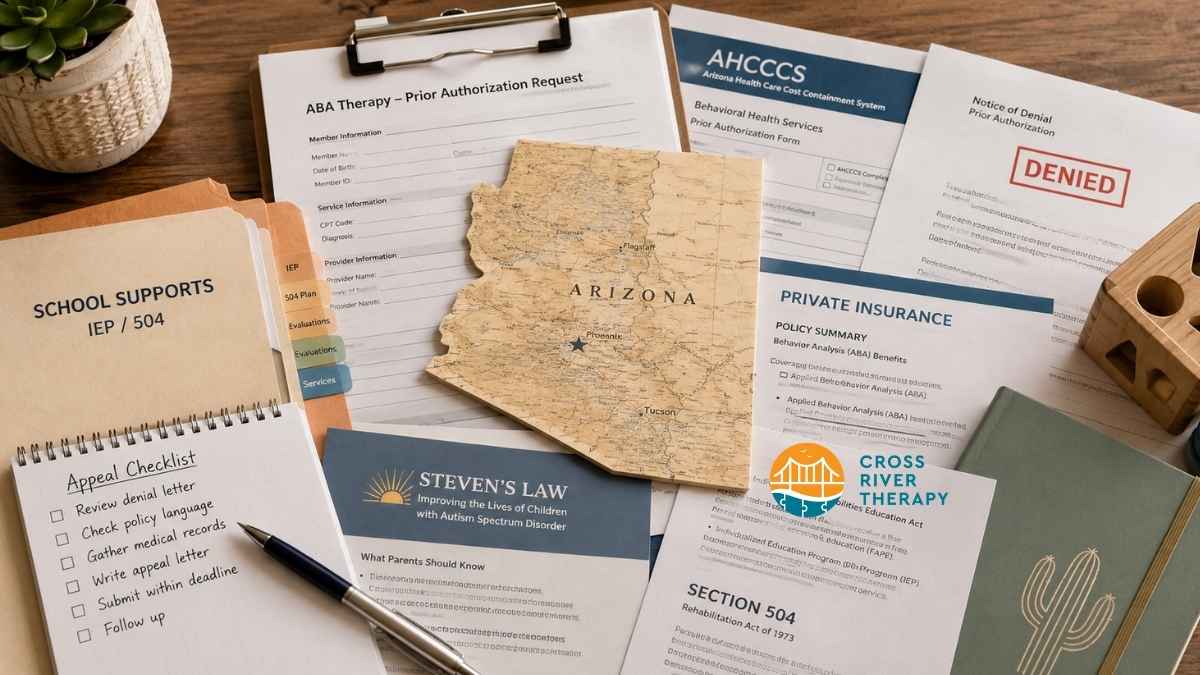
Arizona Autism Laws for ABA Coverage and School Rights
Arizona autism laws for ABA coverage vary by plan. Families can check insurance, appeal options, and school rights.

ABA Therapist Salary in Arkansas for RBTs and BCBAs
Compare ABA therapist salary in Arkansas by role. See how paid hours and benefits affect earnings before applying.

5 Autism Support Groups and Family Resources in New Mexico
Autism support groups in New Mexico connect families. Local resources offer events, parent support, and school help.

Where to Get an Autism Evaluation in New Mexico
Autism evaluation options in New Mexico include UNM and NMSU. Age and referral details help parents prepare.

7 North Carolina Autism Resources to Contact Before ABA Therapy Starts
Autism resources North Carolina families can call for diagnosis, early intervention, rights, and parent support. Start ABA intake with Cross River.

Does Indiana Medicaid Cover ABA Therapy? A Parent Checklist
Indiana Medicaid ABA therapy may cover care for eligible children. The checklist covers coaching and renewals.

How to Apply for the New Mexico DD Waiver
Your NM DD waiver application starts with state intake. The steps cover records, submission, and enrollment.

Does Insurance Cover ABA Therapy in New Jersey?
ABA therapy insurance in New Jersey varies by plan. Learn what NJ FamilyCare covers and how to check costs.

How ABA Therapy Builds Communication for Nonverbal Children Without Forcing Speech
ABA therapy communication for nonverbal children starts with AAC, signs, and daily routines. See how kids ask, refuse, choose, and get help.

How to Start ABA Therapy in New Jersey With a Checklist
Your guide explains how to start ABA therapy in New Jersey. A first-call checklist covers records and next steps.

How to Get an Autism Evaluation in Arkansas Before Starting ABA Therapy
How to get an autism evaluation in Arkansas starts with a referral, provider choice, and key records. Use this parent checklist before ABA intake.