








How ABA Therapy Enhances Communication Skills in Children
Exploring the Role of ABA Therapy in Boosting Children's Communication


Introducing ABA Therapy
Applied Behavior Analysis (ABA) therapy is a highly regarded approach used to enhance communication skills in children, particularly those with autism spectrum disorder (ASD). Communication serves as a pivotal skill for social and emotional development, yet it often poses significant challenges for children with communication deficits. ABA therapy provides individualized, evidence-based strategies that focus on developing both expressive and receptive language abilities, enabling children to communicate more effectively and confidently.
Understanding ABA Therapy's Impact on Communication
Efficacy of ABA therapy in communication improvement
ABA therapy has proven to be an effective method for enhancing communication skills in children with autism. This evidence-based intervention emphasizes individualized approaches, tailored to each child's specific needs. Therapists work closely with children to improve both expressive and receptive language abilities.
Evidence-based strategies
To achieve these communication goals, ABA therapy utilizes various strategies:
- Visual Aids: These assist in learning new vocabulary and concepts.
- Play-Based Therapy: Engaging in play scenarios fosters natural communication opportunities.
- Positive Reinforcement: Rewarding successes encourages children to continue using their communication skills.
- Role-Playing and Social Stories: These techniques promote understanding of social situations, helping children prepare for real-life interactions.
Expressive and receptive language
Expressive language involves the child’s ability to communicate thoughts, while receptive language encompasses understanding and processing spoken language. ABA therapy focuses on enhancing both:
- Expressive Language Skills: Through activities that expand vocabulary and develop sentence structures.
- Receptive Language Skills: By utilizing verbal instructions reinforced through positive responses.
Research shows that effective interventions not only foster language development but also lead to significant improvements in social interaction, highlighting the critical role ABA plays in communication growth for children with autism.
Delving into ABA Methodologies

What methodologies and strategies are employed in ABA therapy to enhance communication abilities?
ABA therapy employs a range of effective methodologies and strategies to enhance communication abilities in individuals with autism. Key techniques include:
- Modeling: Therapists demonstrate desired social behaviors for children to observe and imitate. This can include greetings, sharing, or even facial expressions, helping children understand the nuances of social interactions.
- Social Stories: These are descriptive narratives that help children learn how to behave in various social situations, like joining a group. Social stories clarify expectations, guiding children to engage appropriately in different contexts.
- Positive Reinforcement: This technique is central to ABA, where children receive rewards for successfully employing communication skills. For example, if a child initiates a conversation or uses new vocabulary, they would be praised or given a small reward, encouraging further attempts at communication.
How does Discrete Trial Training contribute to communication development?
Discrete Trial Training (DTT) is another crucial aspect of ABA therapy, breaking down complex communication skills into smaller, manageable steps. Each step is practiced repeatedly with immediate feedback, which reinforces learning.
- For example, a child may be prompted to say “hello” when encountering peers, with guidance provided until they confidently master the skill.
- Environment: DTT is often conducted in structured settings, allowing for focused practice with minimal distractions. Thus, it enables children to practice new skills within clear and predictable routines, enhancing their learning experience.
By blending these methodologies, ABA therapy addresses communication barriers, honing skills that lead to significantly improved social interactions.
Effective Interventions and Tools
Which interventions are effective in developing communication language skills in autism?
Interventions for developing communication language skills in children with autism are diverse and tailored to individual needs. Augmentative and Alternative Communication (AAC) methods, such as the Picture Exchange Communication System (PECS) and speech-generating devices (SGDs), empower nonverbal children to express their needs using images or technology. These methods serve as critical tools, allowing children who struggle with speech to communicate effectively.
What role does sign language play in communication?
Sign language can also be a valuable aid in communication for children with autism. Techniques like American Sign Language (ASL) enable quicker expression of ideas and needs, fostering more profound social interaction. Though there may be a learning curve, once children grasp the basics, sign language can enhance their ability to communicate in various settings.
How do visual supports assist children with ASD?
Visual supports are highly effective in ABA therapy. These include communication boards, which display images or symbols that children can use to indicate their needs and feelings. Visual social stories also come into play, as they help clarify expected behaviors in social situations, making it easier for children to navigate social cues. By using visual elements, children can better understand language and engage in effective interaction.
Overall, integrating various strategies, including AAC methods, sign language, and visual supports, can significantly enhance communication skills in children with autism, promoting more meaningful interactions with others.
Crafting Individualized Goals in ABA
Tailoring interventions to child’s needs
Individualized goals are fundamental in Applied Behavior Analysis (ABA) therapy, particularly for children with Autism Spectrum Disorder (ASD). Each child's unique communication strengths and challenges are assessed to develop tailored interventions that address specific needs. This personalization ensures that the child engages with the therapeutic process and experiences meaningful progress in communication skills.
Assessment by BCBA
Before beginning therapy, a comprehensive assessment is conducted by a Board Certified Behavior Analyst (BCBA). This assessment involves observing the child's communication abilities and gathering data through standardized tests. BCBAs carefully evaluate both expressive and receptive language skills, considering how well the child understands instructions and expresses their needs. This thorough evaluation forms the basis for setting realistic and achievable goals.
Long-term monitoring and adjustment of goals
The goals set in ABA therapy are not static; they require continuous monitoring and modification based on the child's progress. Regular assessments allow therapists to adapt interventions as needed, ensuring that they remain effective and relevant. This long-term approach promotes sustained growth in communication skills, ultimately enhancing the child’s ability to interact socially and express personal needs effectively.
Aspect Description Importance Individualization Tailored interventions based on child’s needs Maximizes engagement and relevance Initial Assessment Comprehensive evaluations by a BCBA Establishes a clear starting point Ongoing Monitoring Regularly adjusting goals and methods Facilitates continuous improvement over time
Benefits for Parents and Caregivers

Role of ABA in Reducing Challenging Behaviors
ABA therapy not only enhances communication skills but also plays a significant role in reducing challenging behaviors often seen in children with autism. When children's ability to express their needs improves, it can lead to a noticeable decrease in tantrums and frustrations. Parents and caregivers can find comfort in the fact that as their child learns to communicate effectively, they are likely to create a more harmonious home environment.
Importance of Building Communication from an Early Age
Fostering communication skills from an early age is crucial for developmental success in children with autism. Early intervention through ABA therapy can significantly improve both expressive and receptive language capabilities. As children progress, they build the foundation necessary for social interactions, learning opportunities, and emotional development. Parents who engage their children in these therapeutic practices are setting them up for better outcomes in their social and educational experiences.
Resources and Support for Families
Parents and caregivers can access a variety of resources to support their efforts alongside ABA therapy. Organizations dedicated to autism support often provide informational sessions, workshops, and community connections. Many families also find online forums and local support groups beneficial for sharing experiences and strategies. Meanwhile, therapists often equip families with home-based activities to extend learning beyond therapy sessions, facilitating a holistic approach to communication development.
The Transformative Potential of ABA
ABA therapy holds transformative potential for children challenged by communication deficits, particularly those affected by autism. By offering tailored interventions and strategies, it not only enhances essential communication and language skills but also promotes social interactions and emotional development. For parents and caregivers, understanding and engaging with ABA therapy can lead to meaningful improvements in their child's ability to express desires and needs, paving the way for enriched life and improved relationships.
References
- Enhancing Communication Skills With ABA Therapy
- ABA Therapy for Improving Communication and Language Skills
- ABA Communication Goals and Skills - Empower Behavioral Health
- How ABA Therapy Can Improve Communication Skills in Children
- The Role of ABA Therapy in Enhancing Social Skills in Children
- Using ABA Therapy to Develop Communication Skills in Children ...
- Applied Behavior Analysis (ABA) | Autism Speaks
- Autism and Social Skills Development
- Tool Kit Excerpt - Autism Speaks
- 7 Autism Behavior and Communication Strategies | NU
Recent News
Related articles

6 Arkansas Medicaid ABA Therapy Rules Families Need to Know
Arkansas Medicaid ABA therapy has age, diagnosis and approval rules. Families can check six requirements before care.
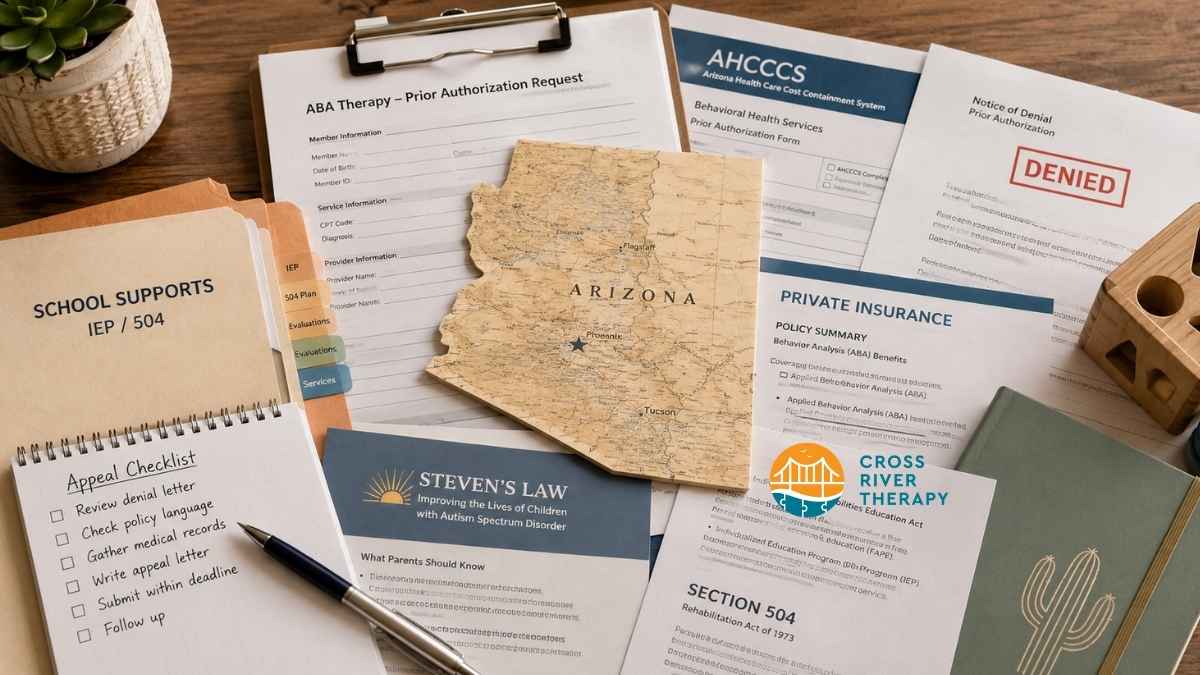
Arizona Autism Laws for ABA Coverage and School Rights
Arizona autism laws for ABA coverage vary by plan. Families can check insurance, appeal options, and school rights.

ABA Therapist Salary in Arkansas for RBTs and BCBAs
Compare ABA therapist salary in Arkansas by role. See how paid hours and benefits affect earnings before applying.

5 Autism Support Groups and Family Resources in New Mexico
Autism support groups in New Mexico connect families. Local resources offer events, parent support, and school help.

Where to Get an Autism Evaluation in New Mexico
Autism evaluation options in New Mexico include UNM and NMSU. Age and referral details help parents prepare.

7 North Carolina Autism Resources to Contact Before ABA Therapy Starts
Autism resources North Carolina families can call for diagnosis, early intervention, rights, and parent support. Start ABA intake with Cross River.
Does Indiana Medicaid Cover ABA Therapy? A Parent Checklist
Indiana Medicaid ABA therapy may cover care for eligible children. The checklist covers coaching and renewals.
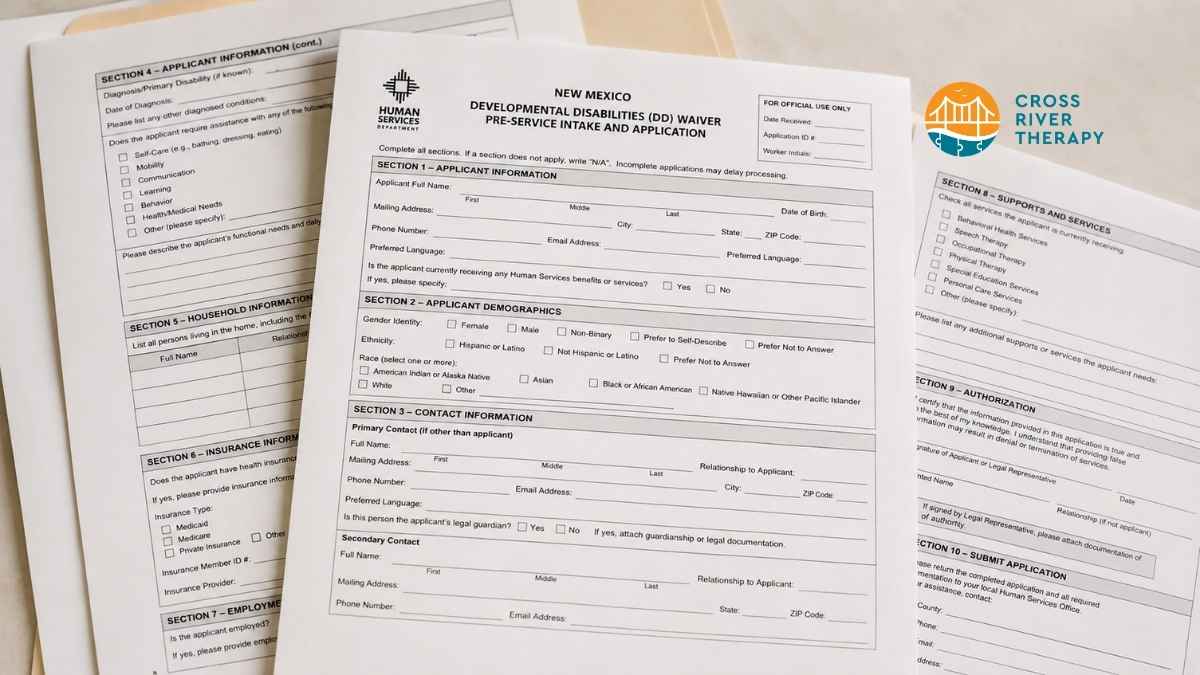
How to Apply for the New Mexico DD Waiver
Your NM DD waiver application starts with state intake. The steps cover records, submission, and enrollment.

Does Insurance Cover ABA Therapy in New Jersey?
ABA therapy insurance in New Jersey varies by plan. Learn what NJ FamilyCare covers and how to check costs.

How ABA Therapy Builds Communication for Nonverbal Children Without Forcing Speech
ABA therapy communication for nonverbal children starts with AAC, signs, and daily routines. See how kids ask, refuse, choose, and get help.

How to Start ABA Therapy in New Jersey With a Checklist
Your guide explains how to start ABA therapy in New Jersey. A first-call checklist covers records and next steps.

How to Get an Autism Evaluation in Arkansas Before Starting ABA Therapy
How to get an autism evaluation in Arkansas starts with a referral, provider choice, and key records. Use this parent checklist before ABA intake.