








How ABA Therapy Helps Children with Autism Build Friendships
Fostering Connections: The Impact of ABA Therapy on Friendship Building in Children with Autism

Understanding the Power of ABA in Social Development
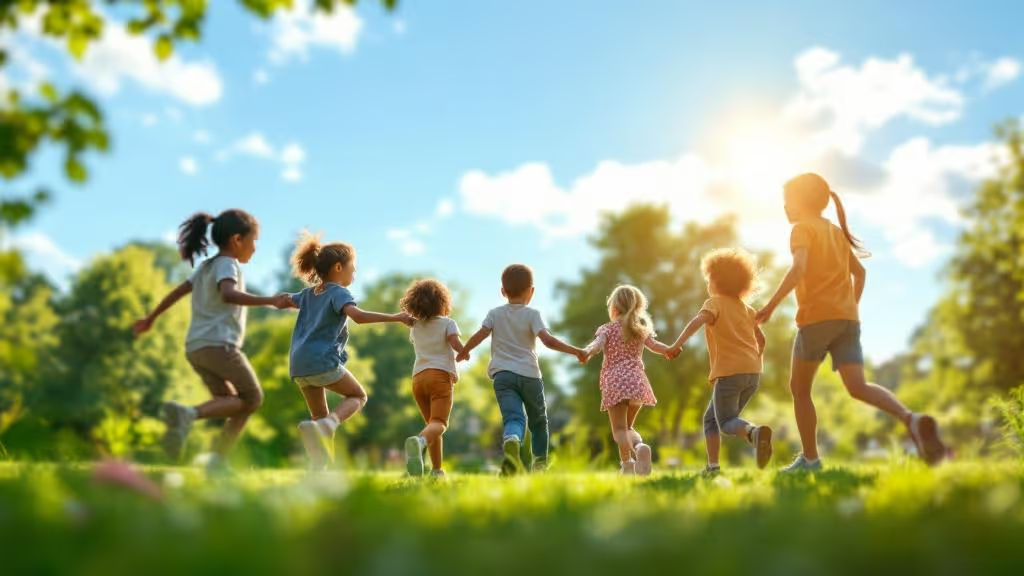
Autism presents unique challenges in social communication and interaction, making friendship formation a complex journey for many children on the spectrum. However, evidence-based interventions like Applied Behavior Analysis (ABA) have proven to be highly effective in supporting children in developing vital social skills. This article explores how ABA therapy specifically aids children with autism in building genuine friendships, enhancing their social confidence, and fostering inclusion within their communities.
The Foundations of ABA Therapy and Its Benefits
Overview of ABA therapy as an evidence-based intervention
Applied Behavior Analysis (ABA) is a highly researched, evidence-based approach designed to improve social, communication, and adaptive skills in children with autism. It’s considered the gold standard treatment due to its proven effectiveness in promoting meaningful behavioral changes.
ABA programs focus on understanding each child's unique needs and designing tailored interventions. Through structured teaching methods like role-playing, visual supports, and reinforcement strategies, ABA helps children learn new skills and reduce problematic behaviors.
Key skills developed through ABA, such as communication and independence
ABA therapy emphasizes developing critical skills including clear communication, social engagement, and independence. Children learn to initiate conversations, understand social cues, and respond appropriately in social settings.
It also supports emotional regulation and motor skills, enabling children to navigate daily activities more effectively. Improving these areas enhances their confidence and ability to form friendships.
The role of structured, individualized programs in fostering behavior change
Each ABA program is personalized, considering the child's strengths and challenges. Therapists closely monitor progress and adapt strategies to ensure continuous advancement.
Structured sessions often involve playing, social skill practice, and skill-building exercises in distraction-free environments like home or community centers. This consistent approach helps children generalize skills across settings.
What are the benefits of ABA therapy for children with autism?
ABA therapy offers numerous benefits, backed by extensive research. It supports children in acquiring essential skills such as communication, social interaction, motor abilities, and independence.
Moreover, ABA effectively reduces challenging behaviors like tantrums and aggression, creating a calmer and more positive environment. Early intervention yields the best results, but children of all ages can benefit.
Therapies often include caregiver training, empowering families to reinforce skills outside organized sessions. This ongoing support promotes lasting improvements, helping children build meaningful friendships and navigate social situations more successfully.
Addressing Social Challenges Faced by Children with Autism
What are the common social difficulties faced by children with autism?
Children with autism often experience challenges in understanding social cues, such as body language or facial expressions, which can make social interactions confusing. They may also find it difficult to navigate conversations, take turns, or respond appropriately in social settings. These obstacles can hinder their ability to form and maintain friendships.
How do sensory sensitivities and repetitive behaviors affect social engagement?
Sensory sensitivities, like being overwhelmed by loud noises or bright lights, can make social environments stressful for autistic children. Repetitive behaviors or narrow interests might limit their engagement with peers outside their specific passions. These traits can sometimes make social participation seem challenging but are manageable with supportive strategies.
What are the hurdles in emotional understanding and expression?
Many children with autism find it hard to recognize and interpret others’ emotions, making it difficult to empathize or respond empathetically. Expressing their own feelings can also be a challenge, which may affect their ability to connect deeply with friends.
How can structured support help overcome these difficulties?
Utilizing targeted interventions such as social skills training, role-playing, visual supports, and reinforcement can promote better social understanding. ABA therapy, for example, uses evidence-based strategies to teach social norms, emotional recognition, and communication in a supportive environment.
Promoting social success through inclusive environments and shared interests
Creating inclusive settings, like community events or school programs, encourages acceptance and socialization. Arranging structured playdates or engaging in shared interests can also help children develop genuine friendships, boosting their confidence and social skills.
How ABA Therapy Enhances Social Skills Development
How does ABA therapy support social skill development in children with autism?
ABA therapy, or Applied Behavior Analysis, is a widely recognized, evidence-based approach that helps children with autism improve their social skills. It focuses on teaching children how to understand and adhere to social norms such as sharing, taking turns, and interpreting social cues.
By creating individualized, data-driven programs, ABA therapists use positive reinforcement to encourage children to engage in appropriate social interactions. This approach not only reduces challenging behaviors that might interfere with socialization but also promotes the development of essential communication skills, both verbal and non-verbal.
An important aspect of ABA is involving parents and caregivers. Through training, they learn how to consistently reinforce social skills outside therapy sessions across various settings like home, school, and community environments. This consistency helps children generalize learned behaviors, leading to greater social independence.
Overall, ABA's structured and tailored techniques foster social competence in children with autism. As a result, children gain confidence and are better equipped to form and maintain meaningful relationships, which are vital for their emotional well-being.
Structured interventions supporting social skills
ABA therapy employs a range of structured interventions to teach social skills effectively. These include:
- Social stories: Short, personalized stories that describe social situations and appropriate responses.
- Role-playing: Simulated interactions where children practice social scenarios.
- Visual aids: Pictures and cues that help children understand social cues and expectations.
- Reinforcement strategies: Rewards and praise that encourage desired behaviors.
These tools make learning social skills engaging and clear, helping children understand what behaviors are expected and how to implement them.
Applying social skills in real-world settings
A main goal of ABA therapy is to enable children to transfer social skills into everyday life. Therapists focus on practicing skills in relevant environments, such as school, community events, or playgrounds.
Through real-world application, children learn to navigate social situations more naturally. For example, they might practice greeting peers, asking to join games, or sharing toys during community activities.
Supporting social skills outside therapy ensures children can maintain friendships and develop social independence. Parental involvement, peer-based activities, and inclusive community programs further reinforce these skills, fostering lasting social connections.
Strategies for Building Friendships Through ABA Techniques

Encouraging shared interests to facilitate bonding
One effective way to help autistic children form friendships is by encouraging shared interests. When children participate in activities they enjoy, they naturally connect with peers who have similar passions. For example, joining clubs, hobby groups, or special interest classes can create opportunities for meaningful interactions. These common interests serve as a foundation for developing social bonds and making friends.
Arranging playdates and group activities in familiar settings
Organizing playdates in controlled environments like homes or familiar community spaces allows children to practice social skills in a safe, supportive setting. Structured activities during these playdates, such as board games or cooperative building tasks, help children learn turn-taking, sharing, and communication. Regular group activities foster a sense of belonging and provide consistent social experiences.
Using structured activities to practice social skills like greetings, sharing, and turn-taking
Structured activities are vital in teaching social skills. Techniques like social stories, role-playing, and visual supports help children understand how to greet peers, share toys, or take turns during play. Reinforcement, such as praise or preferred activities, encourages children to practice these skills repeatedly. Over time, these practiced behaviors can translate into natural, ongoing friendships.
Strategy Implementation Examples Benefits Encouraging shared interests Joining clubs, hobby groups, or special classes Builds connections based on common passions Arranging playdates Controlled environments, familiar settings, structured games Supports skill development in social settings Structured social activities Role-playing, visual aids, reinforcement exercises Teaches essential social skills like greetings and sharing
Role of Empathy and Inclusive Behavior in Friendship Formation
How can ABA therapy improve social skills such as empathy and inclusive behavior?
ABA therapy, or Applied Behavior Analysis, plays a vital role in helping children with autism develop social skills like empathy and inclusive behavior. It teaches children to better interpret social cues, facial expressions, and body language—crucial elements for understanding others' feelings.
Through engaging activities such as role-playing, modeling, and video-based exercises, children get opportunities to practice social interactions in a structured and safe environment. These activities allow them to learn appropriate responses to different social situations, increasing confidence and social competence.
Positive reinforcement is a core part of ABA, encouraging children to repeat desired behaviors such as sharing, taking turns, and initiating conversations. Structured group sessions or peer interactions serve as real-world practice, enabling children to learn how to include others and participate collaboratively.
ABA interventions often incorporate social stories and emotion recognition exercises. These tools help children understand and respond to others' emotions, fostering empathy and helping them build stronger social connections.
Such comprehensive approaches enable children not only to grasp social norms but also to develop genuine friendships and inclusive behaviors.
Creating Supportive Environments for Social Growth
Inclusive community events and school initiatives
Creating inclusive spaces in community events and schools encourages children with autism to socialize naturally. These environments are designed to be autism-friendly, reducing sensory overload and promoting understanding among all children. Participating in such activities helps autistic children practice social skills in familiar settings, boosting their confidence and fostering meaningful friendships.
Peer buddy systems and cooperative activities
Peer buddy programs pair children with understanding peers, providing support and companionship. These systems facilitate cooperative activities that promote teamwork, communication, and shared experiences. Such interactions help children with autism learn social norms and build lasting relationships in a structured, supportive setting.
Supporting peer relationships and social acceptance
Encouraging peer acceptance involves educating children about autism, fostering empathy, and promoting positive interactions. Group-based activities and social skills workshops teach accepted social behaviors, helping children with autism feel included. Regular practice of social skills, alongside innovations like social stories and visual supports, enhances their ability to connect with peers and maintain friendships.
Approach Description Goal Inclusive events Autism-friendly community and school programs Broader social participation Peer buddy systems Assigns understanding peers to support autistic children Develop social bonds Cooperative activities Group tasks promoting teamwork and communication Build social skills
Creating environments that support social inclusion is crucial for developing lasting friendships among children with autism. These initiatives not only improve social skills but also enhance self-esteem and belonging.
The Role of Parental and Caregiver Involvement
Supporting your autistic child's journey to build friendships is vital and involves various proactive strategies. One of the most effective ways to help is by training parents and caregivers to support social skills practice at home and in everyday settings. This can include using visual aids like social stories, which help children understand social interactions and expectations.
Reinforcing positive social behaviors outside of therapy sessions is equally important. For instance, praising attempts at sharing, turn-taking, or initiating conversations encourages children to continue practicing these skills.
Collaboration with educators and community members enhances a child's social development. Working closely with teachers and school staff to establish structured social activities, such as buddy programs or group projects, creates inclusive environments where children feel accepted and motivated to socialize.
What can you do to support your autistic child in making friendships? You can start by teaching them the basics of friendship through clear, visual means. Arrange playdates in familiar environments where they feel safe, and engage in shared activities related to their interests. Focus on fostering meaningful connections rather than simply increasing the number of friends.
It's also beneficial to educate your child about friendship skills, including sharing, taking turns, and responding to others' feelings. This learning, combined with consistent practice, builds their confidence and social understanding.
Working together with teachers and caregivers allows for setting realistic goals and creating a supportive network. Developing social groups or buddy systems at school or in community centers provides your child with opportunities to meet peers in structured, supervised settings.
Involving yourself in your child's social development means being intentional about practicing skills regularly and celebrating small successes. Use tools like social scripts and role-playing to prepare your child for different social situations.
Overall, active parental and caregiver involvement makes a considerable difference in helping children with autism develop meaningful friendships, leading to increased confidence, emotional support, and social growth.
Ensuring Lasting Social Skills and Friendship Opportunities
Practicing social skills regularly in various settings
For children with autism, consistent practice of social skills is essential to foster genuine friendships. Engaging in activities across different environments, such as school, community events, and groups, offers opportunities to apply what they’ve learned. Repeated social interactions help children become more comfortable with social cues, turn-taking, and communication.
Structured playdates or group activities can serve as safe spaces where children can practice these skills with peers. These settings allow children to learn how to initiate conversations, share interests, and respond to others' emotions in real time. Over time, such regular practice builds confidence and makes social interactions more natural.
Using technology and social stories to reinforce skills
Digital tools and visual supports play a significant role in helping children understand and remember social skills. Social stories—a visual narrative that explains social situations—are effective in preparing children for specific interactions like greeting a peer or asking to join a game.
Apps and multimedia programs designed for social skills training can reinforce lessons learned in therapy sessions. They provide engaging, repeatable scenarios that help children recognize social cues and respond appropriately. Incorporating technology into daily routines ensures continuous reinforcement outside formal sessions.
Celebrating social successes and promoting ongoing social engagement
Recognizing and celebrating small social successes encourages children to keep practicing their skills. This might include praising a child for initiating a conversation, sharing materials, or politely ending a social interaction.
Creating a positive, supportive environment—from home to school—motivates children to pursue friendships actively. Teachers, parents, and therapists can set goals for ongoing social engagement, such as participating in clubs or group projects related to shared interests.
Ongoing social involvement not only strengthens existing friendships but also enhances social competence. This continual practice lays the foundation for meaningful, lasting relationships, helping children with autism thrive socially.
Harnessing ABA for Lifelong Social Connections
ABA therapy serves as a vital tool in helping children with autism develop not just social skills but lasting friendships. By teaching children to understand social norms, interpret emotional cues, and engage in inclusive behaviors, ABA fosters confidence and social competence. When combined with supportive environments, parental involvement, and peer integration, these skills translate into meaningful relationships that enhance emotional well-being and social acceptance throughout life. As research continues to validate ABA's effectiveness, families and educators can be assured that with the right support, children on the autism spectrum can build authentic and lasting friendships that enrich their lives.
References
- Autism and Friendships: Supporting Social Growth
- Fostering Friendships in Kids with Autism
- Social Skills in ABA Therapy: Helping Your Child Build ...
- Autism and Friendships: Building Connections - All Star ABA
- Tips for Parents and Teachers to Support Autistic Children ...
- ABA therapy enhances Social Skills
- ABA Therapy for Social Skills: Building Connections
- ABA Therapy's Impact on Social Skills
- 6 Common Social Skills ABA Goals and How They Benefit ...
Recent News
Related articles

6 Arkansas Medicaid ABA Therapy Rules Families Need to Know
Arkansas Medicaid ABA therapy has age, diagnosis and approval rules. Families can check six requirements before care.

Arizona Autism Laws for ABA Coverage and School Rights
Arizona autism laws for ABA coverage vary by plan. Families can check insurance, appeal options, and school rights.

ABA Therapist Salary in Arkansas for RBTs and BCBAs
Compare ABA therapist salary in Arkansas by role. See how paid hours and benefits affect earnings before applying.

5 Autism Support Groups and Family Resources in New Mexico
Autism support groups in New Mexico connect families. Local resources offer events, parent support, and school help.

Where to Get an Autism Evaluation in New Mexico
Autism evaluation options in New Mexico include UNM and NMSU. Age and referral details help parents prepare.

7 North Carolina Autism Resources to Contact Before ABA Therapy Starts
Autism resources North Carolina families can call for diagnosis, early intervention, rights, and parent support. Start ABA intake with Cross River.

Does Indiana Medicaid Cover ABA Therapy? A Parent Checklist
Indiana Medicaid ABA therapy may cover care for eligible children. The checklist covers coaching and renewals.

How to Apply for the New Mexico DD Waiver
Your NM DD waiver application starts with state intake. The steps cover records, submission, and enrollment.

Does Insurance Cover ABA Therapy in New Jersey?
ABA therapy insurance in New Jersey varies by plan. Learn what NJ FamilyCare covers and how to check costs.

How ABA Therapy Builds Communication for Nonverbal Children Without Forcing Speech
ABA therapy communication for nonverbal children starts with AAC, signs, and daily routines. See how kids ask, refuse, choose, and get help.

How to Start ABA Therapy in New Jersey With a Checklist
Your guide explains how to start ABA therapy in New Jersey. A first-call checklist covers records and next steps.

How to Get an Autism Evaluation in Arkansas Before Starting ABA Therapy
How to get an autism evaluation in Arkansas starts with a referral, provider choice, and key records. Use this parent checklist before ABA intake.