








How ABA Therapy Helps with School Readiness for Children with Autism
Unlocking the Potential for School Success in Children with Autism Through ABA Therapy


Understanding ABA Therapy and Its Role in School Readiness
Applied Behavior Analysis (ABA) therapy has emerged as a vital intervention in enhancing the school readiness of children with autism. Emphasizing individualized strategies, this evidence-based approach focuses on building essential skills such as communication, social interaction, and self-regulation, all of which play a critical role in a child's ability to thrive in a school environment. Parents and educators alike seek to understand how ABA can facilitate a smoother transition to school for children with autism, making it an important topic of discussion in the realm of childhood education.
The Core Objectives of ABA Therapy

What is the goal of ABA therapy for children with autism?
The goal of ABA therapy for children with autism is to help them learn essential skills and improve their overall quality of life. This individualized approach focuses on teaching communication, social skills, self-care routines, and other important behaviors while reducing harmful actions.
Core goals of ABA therapy
- Skill Development: It emphasizes essential skills for school readiness, including communication and social interaction.
- Behavioral Improvement: The therapy aims to address challenging behaviors through evidence-based strategies like positive reinforcement, enabling children to thrive in educational settings.
- Independence: ABA therapy enhances children's ability to manage their emotions and follow routines, fostering independence in daily tasks.
Skills taught through ABA
Skill Type Description Importance in School Communication Skills Expressive and receptive language development Essential for classroom engagement and participation Social Skills Understanding social cues, taking turns Fundamental for building friendships and collaboration Self-Regulation Managing emotions and behaviors Critical for navigating the school day with confidence Academic Readiness Breaking down complex tasks into manageable steps Provides foundational skills for reading and math
Positive outcomes of ABA
Through ABA therapy, children with autism not only acquire critical skills but also experience a range of positive outcomes, including improved classroom success, enhanced participation in activities, and increased independence in daily routines. With personalized interventions, children grow socially and academically, equipping them with the tools they need for a successful school experience.
Laying the Foundation for School Readiness
How can ABA therapy help autistic children prepare for school?
ABA therapy is instrumental in equipping autistic children with vital skills necessary for school success. By focusing on enhancing communication abilities, social interactions, and self-regulation, children become better prepared to meet the demands of a structured learning environment.
Skill Development through ABA
One of the main aspects of ABA therapy is the development of essential classroom skills:
- Communication skills: Children learn to express their ideas and needs effectively, enhancing their interaction with peers and teachers.
- Social skills: Key behaviors such as sharing, taking turns, and recognizing social cues are fostered, helping children build friendships and work collaboratively.
- Motor skills: Coordination abilities for tasks during playtime and classroom activities are refined, promoting confidence in physical interaction.
Individualized strategies in ABA
The therapy is personalized for each child, ensuring that specific support is provided. Individualized programs focus on:
- Behavioral interventions: By using positive reinforcement, children learn to adopt desirable behaviors while minimizing disruptive actions.
- School readiness activities: These often include mock classroom settings, allowing children to practice following directions, enhancing listening skills, and understanding routines.
Long-term outcomes
Implementing ABA therapy early and intensively has shown promising long-term results:
- Better academic performance: Breaking down complex skills into manageable tasks helps children develop foundational academic knowledge.
- Improved emotional management: Techniques to promote self-regulation ensure children can navigate social interactions with greater ease.
Overall, ABA therapy lays a solid groundwork for children's success in school, enabling them to adapt confidently to both the social and academic challenges ahead.
Building Essential Communication Skills

What specific skills are taught in ABA therapy to aid school readiness?
ABA therapy places a strong emphasis on developing essential communication skills crucial for children with autism. These include both verbal and nonverbal communication abilities, which enable children to express themselves effectively in classroom settings.
Verbal communication skills are nurtured, helping children articulate their thoughts and needs clearly. For instance, they learn how to ask for help, share their ideas, and participate in class discussions. Nonverbal skills, such as understanding gestures and facial expressions, are equally important, allowing them to engage more fully with peers and teachers.
Interaction with peers and teachers
Social interaction is another critical skill fostered by ABA therapy. Children are taught to initiate conversations, take turns, and cooperate with classmates. These skills are vital for forming friendships and engaging in collaborative projects within a school environment.
Through structured activities and role-playing in mock classroom settings, ABA gives children a safe space to practice their communication and social skills. This not only builds their confidence but also prepares them for real-life interactions with peers and authority figures.
Role of ABA in communication
ABA techniques function as a cornerstone for facilitating effective communication. By employing strategies like positive reinforcement, children are encouraged to use their communication skills in meaningful ways. For instance, a child might receive praise for successfully asking a peer to play, reinforcing the behavior and prompting further positive interactions.
Overall, ABA therapy equips children with the necessary tools to navigate their school environments by enhancing their communication and social skills, essential for academic success.
Overcoming Challenges to Achieve School Readiness
What are the challenges children with autism face in achieving school readiness?
Children with autism encounter a range of challenges that can impede their readiness for school. Central to these difficulties are emotional and behavioral issues, which often manifest as externalizing behaviors such as aggression or withdrawal. Furthermore, many children with autism struggle with self-regulation, making it harder for them to engage in learning or social interactions. These challenges can significantly affect their relationships with peers and teachers, leading to difficulties in classroom participation.
While schools may implement behavioral interventions aimed at enhancing cognitive and language skills, the impact on socialization and peer relationships can be limited. Children may not effectively internalize social skills necessary for building friendships or collaborating in group activities. Therefore, an individualized approach to each child's learning needs is pivotal.
How can parents and teachers support school transitions?
To support children with autism effectively during this critical transition, tailored transition plans are essential. These plans should include structured, ongoing support that allows children to adjust to school routines gradually. Incorporating school readiness activities in a familiar setting can encourage children to practice essential skills like listening and responding to directions.
What is the role of parents and teachers in this process?
The communication and collaboration between parents and teachers are vital for success. Parents can provide insights about their child's unique behavioral patterns and preferences, enabling teachers to create more inclusive and responsive classroom environments. Regular check-ins between families and school staff ensure that the support strategy evolves dynamically as the child progresses, thereby addressing any emerging challenges effectively.
Overall, a systemic approach, combining individualized support from ABA therapy with active collaboration between parents and teachers, can significantly enhance school readiness for children with autism.
Developing Social Interaction Skills
Importance of Social Skills in School
Social skills are vital for success in a school environment. Children need to engage with their peers, cooperate during group activities, and navigate social contexts. Skills such as understanding social cues and sharing are foundational for forming friendships and collaborating effectively.
ABA's Role in Teaching Social Cues
Applied Behavior Analysis (ABA) therapy plays a significant role in enhancing social skills in children with autism. Through structured interventions, children learn how to:
- Initiate conversations
- Respond appropriately to classmates
- Take turns during activities
- Understand nonverbal signals like body language and facial expressions
These skills are taught in contexts that mimic classroom settings, which helps children practice their responses in relatable scenarios.
Impact on Friendships and Collaboration
The improvements in social interaction from ABA therapy allow children with autism to engage more effectively in school. They learn not just how to communicate but also how to collaborate with peers. This capability fosters a more enriching social experience, making it easier to form friendships and work within groups, which is crucial for a positive educational journey.
How Does ABA Therapy Improve Social Interaction Skills for School Readiness?
ABA therapy teaches social interaction skills, which include appropriate ways to initiate conversations and cooperate with others. It helps children understand and respond to social cues, like taking turns and sharing, which are essential for forming friendships and collaborating with peers in a school setting. These skills enable children with autism to interact more effectively, contributing to a better social experience at school.
Enhancing Self-Regulation and Independence
How does ABA therapy contribute to self-regulation and independence for school readiness?
ABA therapy plays a vital role in developing self-regulation and independence among children, particularly those with autism. One essential aspect of this therapy is helping children learn how to manage their emotions. Techniques focus on recognizing feelings and employing coping strategies to handle various emotional situations. This skill is particularly important in a school setting, where emotional responses can influence both learning and social interactions.
Following Routines
Children enrolled in ABA therapy receive support in adhering to structured routines. Understanding and following daily schedules helps them know what to expect, thereby reducing anxiety and fostering a sense of security. By mastering these routines, children develop independence as they become more capable of navigating the demands of the classroom environment without continuous adult intervention.
Building Confidence
As children learn to manage their emotions and effectively follow routines, their confidence grows. This newfound self-assuredness allows them to engage more readily in classroom activities and collaborate with peers. Enhanced self-regulation and independence through ABA therapy thus prepare children to handle the complexities of a structured school life, essential for both academic and social success.
Promoting Academic Readiness Through ABA
What academic skills does ABA therapy support for school readiness?
ABA therapy plays a vital role in preparing children for academic environments by honing vital skills. It emphasizes the development of communication, social interaction, and self-regulation, all of which contribute significantly to a child's readiness for school.
Academic Skills Development
A focus on academic skills begins with foundational elements. For instance, reading and math concepts are broken down into manageable tasks.
- Reading: Skills include phonemic awareness, letter recognition, and comprehension.
- Math: Involves counting, number recognition, and simple equations.
Breaking Down Tasks
ABA techniques simplify complex concepts through step-by-step approaches, allowing children to build confidence as they master each part. This method ensures that:
- Children can focus on small learning goals, making progress less overwhelming.
- Skills are taught in a systematic way that enhances retention.
Supporting Learning Foundations
In addition to academic skills, ABA therapy fosters overall readiness through:
- Communication Skills: Enhancing both verbal and non-verbal interactions to enable effective participation in class activities.
- Self-Regulation Skills: Teaching children how to manage their emotions and behaviors, vital for a structured classroom environment.
ABA therapy is instrumental in equipping children with the academic skills and emotional readiness needed for success in school, ultimately laying a strong foundation for lifelong learning.
The Importance of Individualized Support
Why is individualized support crucial in ABA therapy for school readiness?
Individualized support in ABA therapy is vital for effectively preparing children with autism for school. Every child has unique strengths and challenges, and tailored programs ensure that these differences are recognized and addressed. This customization allows therapists to focus on specific areas that need development, which facilitates both social and academic growth.
Tailoring ABA programs
Tailoring ABA programs involves designing interventions that align with a child's specific needs. This means assessing their social skills, communication abilities, and behavioral challenges. When therapists create personalized plans, they're able to implement targeted strategies to enhance learning and interaction within a school environment.
Addressing unique needs
Children with autism often exhibit a range of behaviors and skill levels. Individualized support helps identify these unique requirements, which can include improving communication skills, enhancing social interaction, and promoting self-regulation. By recognizing and tackling these unique needs, children can develop essential skills at their own pace, ensuring that their progress is sustainable.
Ensuring each child's success
Ultimately, this personalized approach within ABA therapy fosters confidence and independence in children. By providing individualized support, therapists equip children to navigate the school day more effectively, allowing them to engage in activities that might otherwise feel overwhelming. This not only boosts their readiness for school but also lays the groundwork for lifelong learning and social interaction.
Aspect of Support Importance Outcomes Tailoring ABA programs Focus on unique strengths and challenges Enhanced engagement and skill development Addressing unique needs Specific strategies for communication and social interaction Improved self-regulation and classroom behavior Ensuring success Building confidence and independence Better adaptation to school environment
Behavioral Interventions for Better Classroom Success
How do behavioral interventions in ABA therapy contribute to school readiness?
Behavioral interventions in ABA therapy play a pivotal role in enhancing school readiness. One of the most effective techniques used is positive reinforcement. This method encourages desirable behaviors by rewarding children when they demonstrate appropriate actions. For instance, a child might receive praise or tangible rewards for sharing with peers or following instructions, fostering an environment conducive to learning.
These interventions directly address challenging behaviors that can hinder classroom success, such as aggression and noncompliance. By applying structured strategies, therapists create a path for children to practice self-regulation and improve their interactions with both peers and teachers. As these problematic behaviors diminish, children can focus on academic tasks and social engagement.
In addition to mitigating negative behaviors, these strategies emphasize enhancing desirable actions. Skills such as taking turns, waiting for their turn to speak, and understanding social cues are vital components taught through ABA. As children become proficient in these skills, their confidence grows, paving the way for smoother transitions into the educational environment. Consequently, ABA therapy equips children with an arsenal of skills they need for constructive participation in school activities.
Hands-On Practice in Mock Classroom Settings
What is the significance of mock classroom settings in ABA therapy for school readiness?
Mock classroom settings play a crucial role in preparing children for the structured environment of school. Through hands-on practice, children with autism can rehearse school-like scenarios, which helps familiarize them with typical classroom dynamics.
These settings allow children to engage in activities that mimic real classroom experiences. They practice essential skills such as listening attentively, following directions from teachers, and participating in group tasks. This type of rehearsal can significantly decrease anxiety around the actual school environment, making transitions smoother.
Furthermore, mock classrooms foster adaptability by allowing children to encounter various situations in a controlled and supportive space. This gradual exposure helps them build confidence as they learn to navigate interactions with peers and teachers.
Encouraging Familiarization
Creating a safe space for children to practice is paramount. In these environments, they can explore aspects like taking turns, sharing materials, and responding to others in conversation. The familiarity gained in mock classroom settings positively impacts their ability to engage in real classroom interactions when school begins.
Improvement in Adaptability
As children become more comfortable within structured activities tailored to mimic classroom scenarios, they demonstrate improved adaptability. They develop skills to manage transitions between tasks and engage in activities more effectively. Overall, these experiences lay the groundwork for successful participation in an academic environment.
Time Management and Task Transition Skills

How are time management skills taught through ABA therapy to support school readiness?
Time management skills are integral components of ABA therapy, vital for helping children with autism adapt to the structured demands of a school environment. By focusing on organizing activities, transitioning smoothly, and managing the school day effectively, ABA therapy equips children with the necessary tools they need to navigate various classroom challenges.
Organizing Activities
Children learn to plan their activities in a way that promotes efficient use of time. Techniques may include:
- Breaking tasks into smaller steps
- Using visual schedules to track daily tasks
- Utilizing timers to enhance focus and adherence to task length
These strategies help reduce overwhelm during daily routines, making tasks appear more manageable.
Transitioning Smoothly
Transitions can be tricky for children with autism. ABA therapy addresses this by:
- Implementing consistent routines for task changes
- Preparing children for upcoming transitions with verbal prompts and visual cues
- Practicing transition scenarios in mock settings, allowing children to build confidence
This preparation not only minimizes anxiety but also aids in developing predictable sequences that enhance stability in their daily lives.
Managing the School Day Effectively
ABA therapy introduces time management skills that are critical for daily school functioning. Strategies might include:
- Teaching children to prioritize tasks based on deadlines or importance
- Instilling a sense of timing and duration for activities, promoting awareness of how long tasks take
- Encouraging self-monitoring skills, where children assess their own progress
Together, these methods help children navigate their school day with confidence, ensuring they can adapt to new routines and demands.
Skill AreaABA TechniquesOutcome Organizing Activities Visual schedules, task breakdowns Enhanced task management and reduced overwhelm Transitioning Smoothly Verbal prompts, mock transitions Increased confidence and ease during transitions Managing the School Day Prioritization, self-monitoring Effective navigation of daily school responsibilities
Concluding Thoughts
ABA therapy plays an integral role in preparing children with autism for the demands of a school environment. By focusing on essential skills such as communication, social interaction, self-regulation, and academic readiness, ABA equips children with the tools they need to navigate school successfully. The individualized approach of ABA, alongside its focus on reducing challenging behaviors and supporting positive development, underscores its importance in promoting school readiness. As parents and educators seek the best approaches to aid children with autism in their school journey, ABA therapy emerges as both a comprehensive and adaptable solution for fostering long-term educational and social success.
References
- ABA Therapy and School Readiness - Inner Circle Autism Network
- How ABA Therapy Prepares Children for School Success
- Effective ABA Techniques for Children with Autism - AutismCOE
- Transition to school for children with autism spectrum disorder
- Improving Transition to Adulthood for Students with Autism
- Transition to preschool for children with Autism spectrum disorder
- Applied Behavior Analysis (ABA) | Autism Speaks
- Applied Behavioral Analysis (ABA) - Autism Speaks
Recent News
Related articles

6 Arkansas Medicaid ABA Therapy Rules Families Need to Know
Arkansas Medicaid ABA therapy has age, diagnosis and approval rules. Families can check six requirements before care.
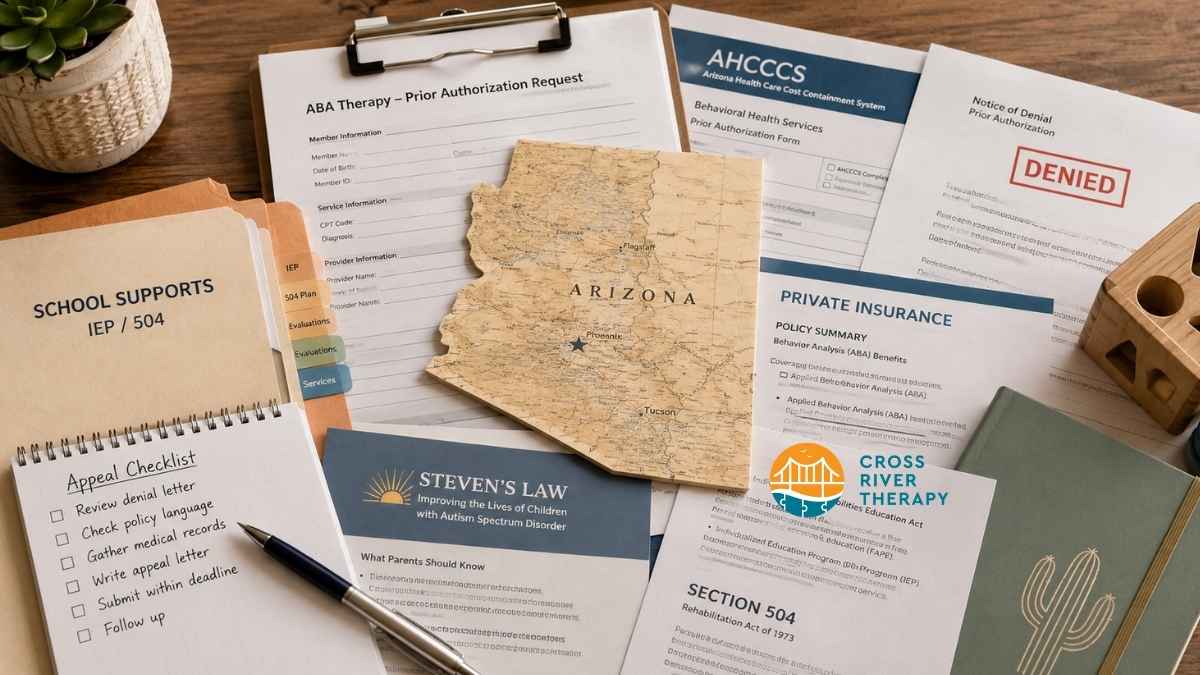
Arizona Autism Laws Every Parent Should Know Before Starting ABA Therapy
Autism laws Arizona parents should know cover ABA insurance, AHCCCS appeals, IEPs, and Section 504 rights. Check ABA coverage with Cross River.

ABA Therapist Salary in Arkansas: What BCBAs and RBTs Actually Earn in 2026
ABA therapist salary Arkansas figures compare RBT and BCBA rates, benefits, guaranteed hours, and contract terms. Explore careers at Cross River.

5 Autism Support Groups and Family Resources in New Mexico Alongside ABA Therapy
Autism support groups New Mexico families can use offer peer support, local events, and school help. Cross River can explain ABA therapy options.

Where to Get an Autism Evaluation in New Mexico Before Starting ABA Therapy
Autism evaluation New Mexico options include UNM, NMSU, FIT, and private providers. Compare providers, records, and ABA steps with Cross River.

7 North Carolina Autism Resources to Contact Before ABA Therapy Starts
Autism resources North Carolina families can call for diagnosis, early intervention, rights, and parent support. Start ABA intake with Cross River.

Does Indiana Medicaid Cover ABA Therapy? A Step-by-Step Eligibility Checklist for Parents
Medicaid ABA therapy Indiana covers eligible children under 21 with prior authorization. Your five-step coverage review can start with Cross River.
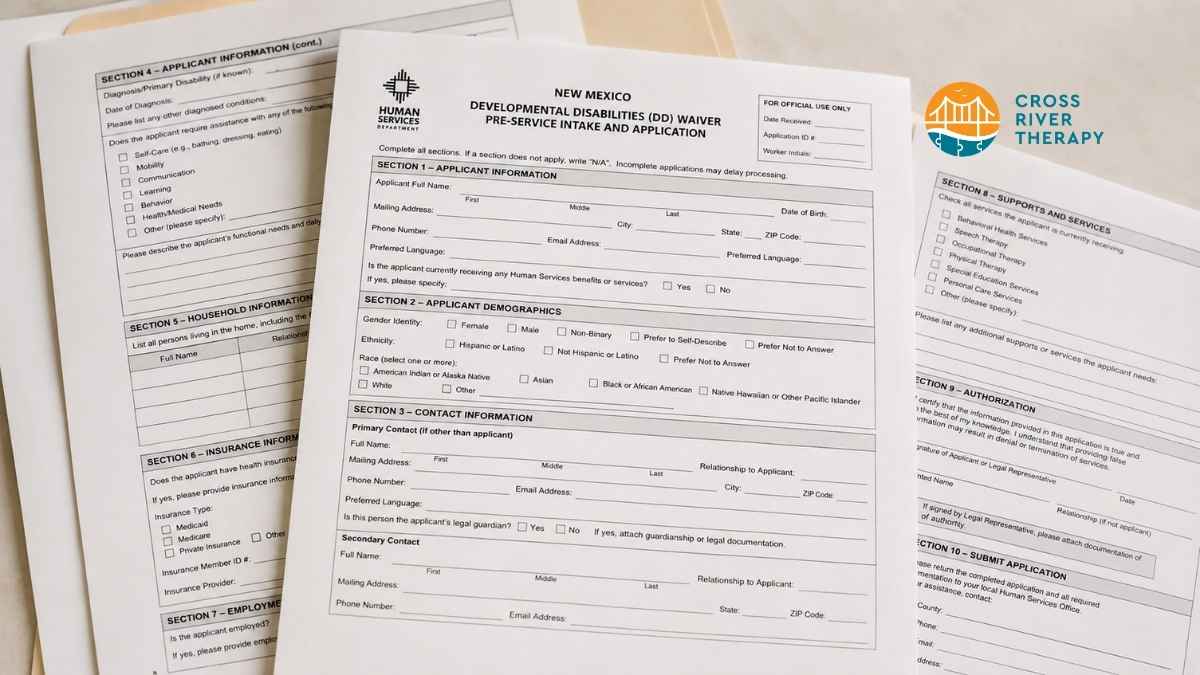
How to Apply for New Mexico’s DD Waiver While Starting ABA Therapy
Autism waiver New Mexico applications need DD Waiver records and proof of daily support needs. Your next step is to start ABA intake with Cross River.

Is ABA Therapy Covered by Insurance in New Jersey? What Every Parent Should Know
ABA therapy insurance New Jersey may cover medically necessary care based on plan type, network, and authorization. Verify benefits with Cross River.

How ABA Therapy Builds Communication for Nonverbal Children Without Forcing Speech
ABA therapy communication for nonverbal children starts with AAC, signs, and daily routines. See how kids ask, refuse, choose, and get help.

How to Start ABA Therapy in New Jersey With a First-Call Checklist
How to start ABA therapy in New Jersey begins with records, insurance details, and intake questions. Use this first-call checklist before you call.

How to Get an Autism Evaluation in Arkansas Before Starting ABA Therapy
How to get an autism evaluation in Arkansas starts with a referral, provider choice, and key records. Use this parent checklist before ABA intake.