








How ABA Therapy Supports Emotional Regulation in Autism
Unlocking Emotional Balance: The Role of ABA Therapy in Autism


Understanding Emotional Regulation Challenges
Emotional regulation, the ability to effectively manage and respond to emotional experiences, is a critical skill for overall well-being and social functioning. For individuals with autism, especially children, this ability often poses significant challenges due to factors like sensory integration difficulties, communication challenges, and issues with understanding social cues. These emotional regulation difficulties can lead to increased anxiety, frequent emotional outbursts, and difficulty adapting to changes, making emotional management a crucial area for intervention and support.
What is ABA Therapy and Its Impact on Emotional Regulation
What is ABA therapy and how does it help with emotional regulation in individuals with autism?
Applied Behavior Analysis (ABA) therapy is a therapeutic approach that focuses on modifying behaviors through structured techniques rooted in learning theory. It's particularly beneficial for individuals on the autism spectrum, where it aims to enhance emotional regulation skills.
Role of ABA in emotional regulation
ABA therapy plays a crucial role in helping children with autism identify emotional triggers and learn coping strategies. By breaking down complex emotions into manageable parts, ABA enables children to better understand and manage their feelings, which can reduce instances of emotional outbursts or withdrawal.
Application of ABA principles
The application of ABA principles involves:
- Identifying Triggers: Recognizing specific situations or stimuli that lead to emotional dysregulation.
- Coping Strategies: Teaching techniques like deep breathing, positive thinking, and problem-solving.
- Role-Playing: Encouraging appropriate responses to emotional situations through practice.
- Involving Caregivers: Training parents and caregivers to model emotional responses and create supportive environments.
By using these principles, ABA therapy not only enhances self-regulation skills but also contributes to the overall emotional well-being of individuals with autism, paving the way for improved social interactions and life quality.
Navigating Emotional Dysregulation: Challenges Faced by Individuals with Autism
What are the common emotional regulation challenges faced by individuals with autism?
Individuals with autism often struggle with recognizing, understanding, and managing their emotions. They may have difficulty identifying their own emotional states, understanding social emotional cues, and responding to emotional stressors appropriately. These challenges can lead to frequent emotional outbursts and difficulty adapting to change.
Common signs and symptoms
Emotional dysregulation can manifest in various ways for individuals with autism. Some common signs include:
- Increased self-stimulatory behaviors, such as flapping, pacing, or rocking, in response to environmental stimuli.
- Difficulty coping with sensory overload, which can trigger overwhelming emotions.
- An inability to communicate feelings, leading to frustration or aggression.
- Use of self-soothing strategies, which vary widely—some may seek sensory input, while others avoid it altogether.
Impact of emotional dysregulation
The effects of emotional dysregulation extend beyond immediate reactions. They can result in:
- Increased anxiety, leading to withdrawal from social interactions.
- Behavioral challenges like aggression or disruptive outbursts, which may stem from frustration during emotional peaks.
- Long-term difficulties in forming and maintaining relationships due to impaired social skills.
Recognizing these signs and understanding the underlying challenges is crucial for supporting individuals with autism in developing better emotional regulation strategies.
Methods Employed in ABA Therapy to Target Emotional Dysregulation
How does ABA therapy address emotional dysregulation signs in autistic individuals?
ABA (Applied Behavior Analysis) therapy effectively targets emotional dysregulation in autistic individuals by focusing on individual assessments. This approach investigates specific triggers that lead to emotional instability, providing a clear understanding of each person's unique emotional patterns.
Techniques Used in ABA
Several techniques are utilized in ABA to promote emotional regulation:
- Positive Reinforcement: Encourages desirable behaviors by rewarding appropriate emotional responses.
- Role-Playing: Aids in fostering appropriate emotional expressions and reactions in varied social scenarios.
- Visual Aids: Tools such as emotion charts help individuals recognize and categorize their emotional states effectively.
- Modeling: Parents and therapists model appropriate emotional responses, enabling children to develop coping strategies.
Importance of Individualized Assessments
Individualized assessments are crucial as they help identify specific emotional regulation challenges. Through direct observations, self-reports, and parent-informant reports, therapists gain insights into the child's unique needs.
This targeted approach allows ABA therapy to tailor interventions, effectively enhancing emotional management skills over time.
Practical Strategies from ABA Therapy for Emotional Management
What practical strategies does ABA therapy offer for managing emotions in children with autism?
ABA therapy provides a structured framework that equips children with autism to navigate their emotions more effectively. Here are some notable strategies:
- Visual Supports: Tools like emotion level charts or color-coded zones help children identify their feelings based on intensity. This visual representation simplifies emotional awareness and fosters self-regulation.
- Social Stories: These narrative tools explain social scenarios and appropriate emotional responses, making them invaluable for teaching children how to act in various situations without feeling overwhelmed.
- Replacement Behaviors: Instead of engaging in self-stimulatory behaviors, children learn replacement behaviors that are socially acceptable and help in managing their emotions.
Utilizing these strategies aids in reducing emotional dysregulation and promotes healthier responses to stressors. By teaching children to recognize, express, and cope with their emotions, ABA therapy plays a crucial role in fostering emotional intelligence and stability.
Coping Mechanisms for Better Emotional Regulation in Autism
Can ABA therapy provide coping mechanisms for improved emotional regulation in children with autism?
Yes, ABA therapy can teach a range of coping mechanisms that are tailored to the individual needs of children with autism. Through structured teaching strategies, children learn to identify and label their emotions, which is foundational in developing emotional regulation. Techniques such as deep breathing exercises and counting to 20 can help them manage anxiety during overwhelming moments.
Additionally, visual supports like emotion cards and social scripts are utilized to enhance understanding and expression of feelings. This visual approach not only aids recognition but also reinforces appropriate emotional responses, making it easier for children to cope with stressful situations.
What methods enhance emotional skills for individuals with autism?
Several methods can further bolster emotional skills:
- Calm-Down Kits: These kits contain preferred items that help provide comfort and promote self-soothing strategies during moments of distress.
- Routine Establishment: Maintaining consistent daily routines can reduce anxiety, as changes tend to increase emotional dysregulation in autistic children.
- Visual Aids: Tools like emotion level charts assist children in recognizing and categorizing emotions by intensity. This enhances their ability to communicate how they feel.
- Exercise: Physical activities are effective in managing emotional dysregulation. Exercise can serve as a natural and significant outlet for stress and anxiety.
- Modeling Responses: Parents and caregivers can demonstrate appropriate emotional responses, helping children learn through observation.
By integrating these coping tools and methods into daily life, children with autism can develop stronger emotional regulation skills, enhancing their social functioning and overall well-being.
The Role of Sensory Overload in Emotional Dysregulation and ABA Solutions
Understanding sensory overload
Sensory overload is a common challenge faced by many individuals with autism. It occurs when the sensory input from the environment exceeds the ability to process it, leading to heightened levels of anxiety and emotional dysregulation. This may manifest as various self-soothing behaviors, including flapping or pacing, which serve as coping mechanisms in response to overwhelming stimuli. Recognizing these triggers is crucial for developing effective emotional regulation strategies.
Link between sensory issues and emotional regulation
The connection between sensory sensitivities and emotional regulation is significant. Many autistic individuals experience impaired emotional regulation, which can result in increased problematic behaviors and social difficulties. By identifying sensory overload triggers, therapists can use Applied Behavior Analysis (ABA) techniques to tailor interventions. These interventions may include teaching coping strategies for emotional management, enhancing the ability to recognize emotions, and creating safe environments for practice.
Tables summarizing sensory overload effects and ABA interventions can further clarify these concepts:
Sensory Trigger Possible Emotional Effects ABA Intervention Techniques Loud noises Increased anxiety Role-playing emotional responses Bright lights Overstimulation and frustration Creating calm environments Crowded spaces Withdrawal or outbursts Teaching self-soothing techniques
Through structured support and a better understanding of sensory processing, individuals with autism can enhance their emotional regulation skills effectively.
The Importance of a Supportive Environment and Community

Role of caregivers and community
The role of parents and caregivers is vital in fostering emotional regulation in children with autism. They reinforce the skills learned during ABA therapy, creating a nurturing environment where practices can be applied safely. By modeling appropriate emotional responses, caregivers demonstrate coping strategies that children can emulate.
Creating a supportive environment at home also means acknowledging a child's feelings, which is crucial for their emotional development. This support allows children to process their emotions effectively and encourages self-regulation over time.
Community members also play a significant role in this journey. When they offer understanding during emotional dysregulation episodes, without drawing unnecessary attention to the child, it creates a safer space for individuals to express their feelings.
Co-regulation strategies
Co-regulation strategies can help children transition to independent self-regulation. This can include adults guiding children in identifying emotions and practicing coping techniques together.
Implementing calm-down activities that align with sensory preferences aids in achieving a state of calm during emotional distress. For example, using emotion level charts provides visual cues that help individuals recognize their emotional state.
Moreover, practicing deep breathing exercises and creating 'calm down kits' tailored to the child's preferences offer additional pathways for effective emotional management.
In summary, a supportive environment and strategic co-regulation techniques are essential for enhancing emotional regulation skills in children with autism.
The Long-Term Benefits of Emotional Regulation Skills Developed Through ABA Therapy
Benefits of ABA-based Emotional Regulation
Applied Behavior Analysis (ABA) therapy offers structured techniques that are essential in developing emotional regulation skills among individuals with autism. By breaking down complex emotions into manageable parts, ABA therapy helps children identify their feelings and learn coping strategies. This structured guidance leads to several long-term benefits, including:
- Improved problem-solving abilities: Children learn to analyze emotional triggers and find constructive solutions.
- Increased resilience: With effective coping strategies, children can better handle challenges and setbacks.
- Reduced anxiety: Mastery of emotional regulation often results in lesser anxiety levels, enabling smoother social interactions.
- Greater self-esteem: As children gain control over their emotions, they feel more competent and capable.
Improvements in Social Skills
Emotional regulation is intrinsically linked with social skills development. ABA therapy intertwined with social skills training equips children to navigate social situations more effectively. This provides:
Aspect Benefit Communication Reduces misunderstandings by promoting clear emotional expression. Empathy Encourages understanding others’ emotions, aiding in relationship building. Conflict resolution Teaches constructive responses to disagreements, promoting harmony in interactions.
Overall, the skills acquired through ABA therapy not only address immediate emotional needs but also pave the way for better social functioning and quality of life for autistic individuals.
Innovative Tools and Techniques for Teaching Emotional Self-Regulation
Use of Visual Aids and Calm-Down Kits
Teaching emotional self-regulation to autistic children can be enhanced through practical tools such as visual aids and calm-down kits. Visual aids, like emotion level charts, help children recognize and categorize their feelings based on intensity. This visual support enables them to understand their emotions better, promoting effective communication and self-regulation strategies.
Calm-down kits, filled with sensory-friendly items, offer a personalized way for children to manage emotional distress. These kits can include stress balls, fidget toys, or soothing visuals, providing children with accessible resources to use when they feel overwhelmed. Such tools encourage positive emotional awareness and create a pathway for effective self-soothing.
Importance of Routine
Establishing a routine is crucial for many autistic children, as disruptions can lead to increased emotional dysregulation. Consistency in daily activities provides a sense of security, helping children predict and prepare for what comes next. This predictability can mitigate sensory overload and emotional responses, fostering an environment that supports emotional regulation efforts. By integrating structured routines, caregivers can significantly enhance children's ability to manage their emotions in varying situations.
Empowering Change Through ABA
ABA therapy presents a structured approach that provides practical tools and coping strategies essential for enhancing emotional regulation among individuals with autism. By identifying emotional triggers, breaking down complex emotional responses, and reinforcing positive behavior, therapists empower autistic individuals toward greater emotional awareness and self-regulation. The collaborative efforts of therapists, caregivers, and community members play a pivotal role in ensuring these skills are not only learned but continuously reinforced, promising a brighter, more emotionally balanced future for those on the spectrum.
References
- Expert Q&A: Understanding autism emotional regulation
- ABA Therapy's Role in Emotional Regulation
- Emotional Regulation: 25 Ways to Help Your Autistic Child
- Autism Emotional Regulation: Expert Tips - Jade ABA Therapy
- Autism and Emotional Regulation: Tips and Strategies
- Assessment and Treatment of Emotion Regulation Impairment in ...
Recent News
Related articles

6 Arkansas Medicaid ABA Therapy Rules Families Need to Know
Arkansas Medicaid ABA therapy has age, diagnosis and approval rules. Families can check six requirements before care.

Arizona Autism Laws Every Parent Should Know Before Starting ABA Therapy
Autism laws Arizona parents should know cover ABA insurance, AHCCCS appeals, IEPs, and Section 504 rights. Check ABA coverage with Cross River.

ABA Therapist Salary in Arkansas: What BCBAs and RBTs Actually Earn in 2026
ABA therapist salary Arkansas figures compare RBT and BCBA rates, benefits, guaranteed hours, and contract terms. Explore careers at Cross River.

5 Autism Support Groups and Family Resources in New Mexico Alongside ABA Therapy
Autism support groups New Mexico families can use offer peer support, local events, and school help. Cross River can explain ABA therapy options.

Where to Get an Autism Evaluation in New Mexico Before Starting ABA Therapy
Autism evaluation New Mexico options include UNM, NMSU, FIT, and private providers. Compare providers, records, and ABA steps with Cross River.

7 North Carolina Autism Resources to Contact Before ABA Therapy Starts
Autism resources North Carolina families can call for diagnosis, early intervention, rights, and parent support. Start ABA intake with Cross River.

Does Indiana Medicaid Cover ABA Therapy? A Step-by-Step Eligibility Checklist for Parents
Medicaid ABA therapy Indiana covers eligible children under 21 with prior authorization. Your five-step coverage review can start with Cross River.
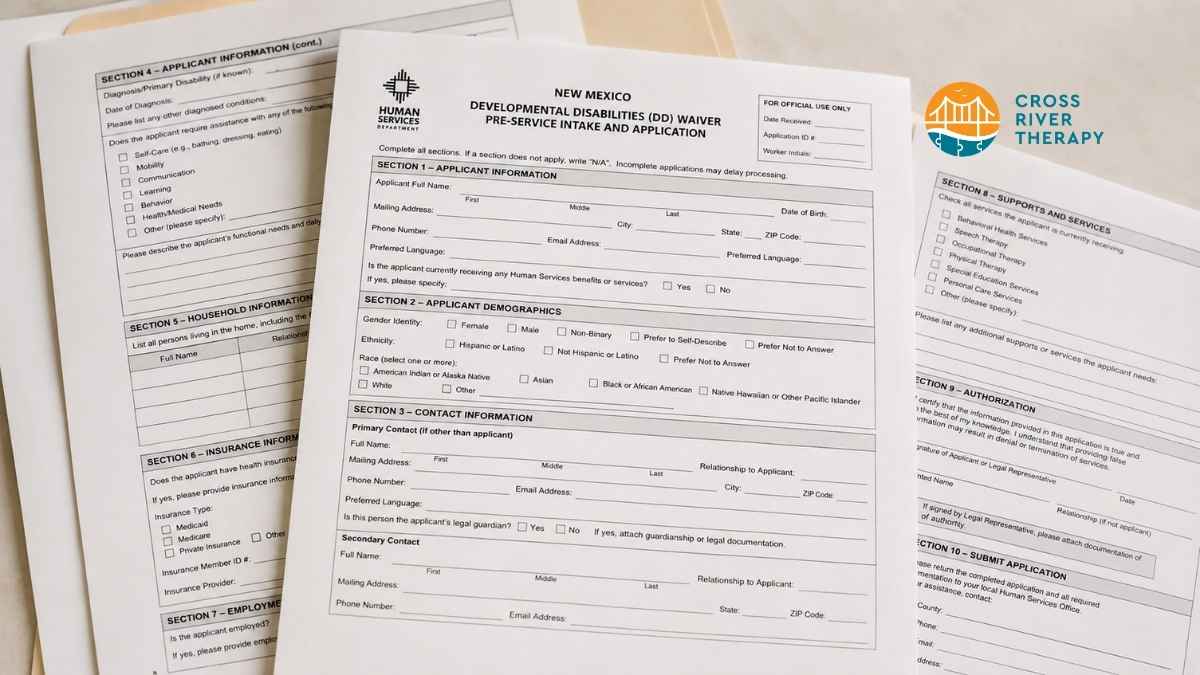
How to Apply for New Mexico’s DD Waiver While Starting ABA Therapy
Autism waiver New Mexico applications need DD Waiver records and proof of daily support needs. Your next step is to start ABA intake with Cross River.

Is ABA Therapy Covered by Insurance in New Jersey? What Every Parent Should Know
ABA therapy insurance New Jersey may cover medically necessary care based on plan type, network, and authorization. Verify benefits with Cross River.

How ABA Therapy Builds Communication for Nonverbal Children Without Forcing Speech
ABA therapy communication for nonverbal children starts with AAC, signs, and daily routines. See how kids ask, refuse, choose, and get help.

How to Start ABA Therapy in New Jersey With a First-Call Checklist
How to start ABA therapy in New Jersey begins with records, insurance details, and intake questions. Use this first-call checklist before you call.

How to Get an Autism Evaluation in Arkansas Before Starting ABA Therapy
How to get an autism evaluation in Arkansas starts with a referral, provider choice, and key records. Use this parent checklist before ABA intake.