








How ABA Therapy Supports Social Integration in School Settings
The Role of ABA Therapy in Fostering Inclusive School Environments


Understanding ABA Therapy in Education
In recent years, Applied Behavior Analysis (ABA) therapy has emerged as a powerful tool in supporting students with special needs, particularly those with autism, in school settings. This article explores how ABA therapy aids in social integration, enhances academic performance, and fosters collaboration between educators and therapists to create inclusive educational environments.
Implementing ABA Therapy in Schools

What is ABA therapy and how is it implemented in school settings?
ABA therapy, or Applied Behavior Analysis therapy, is an evidence-based intervention primarily designed for children with autism spectrum disorder (ASD). It focuses on improving academic performance and enhancing social interactions, making it especially beneficial in school environments. Implementation of ABA therapy in schools involves a comprehensive strategy, relying on collaboration among Board Certified Behavior Analysts (BCBA), Registered Behavior Technicians (RBT), teachers, and parents.
Key strategies for implementation
The effectiveness of ABA therapy is rooted in various strategies:
- Discrete Trial Training (DTT): This method breaks down complex skills into smaller, manageable tasks that can be taught through repeated trials.
- Natural Environment Training (NET): Skills are practiced in real-life contexts, such as the classroom or playground, enhancing the generalization of behaviors and skills across different settings.
- Positive Reinforcement: To encourage desired behaviors and academic engagement, rewards and positive feedback are crucial, creating motivation among students.
Roles of professionals in ABA therapy
Each professional plays a specific role in the ABA framework:
- ABA Therapists conduct functional behavior assessments (FBAs) to understand and address challenges, creating individualized behavior intervention plans.
- Teachers implement these strategies in the classroom, ensuring consistency and support for students.
- Parents are integral to the process, collaborating with therapists and educators to create a cohesive support system at both home and school.
Overall, through systematic implementation of these strategies and clear roles, ABA therapy in schools aims to foster a positive educational experience, enhancing communication, social skills, and academic abilities for children with diverse needs.
Enhancing Social Skills Through ABA

Techniques Used in ABA to Develop Social Skills
ABA therapy employs several evidence-based techniques to enhance social skills among students, particularly those with autism. Key methods include:
- Discrete Trial Training (DTT): Breaks down complex social skills into manageable tasks, making learning easier and more achievable.
- Modeling: Involves demonstrating desired social behaviors, allowing children to observe and imitate these interactions, which helps them learn effectively.
- Role-Playing: Provides opportunities for children to rehearse social scenarios, fostering confidence and preparing them for real-life interactions.
- Natural Environment Training (NET): Teaches social skills in real-life settings such as classrooms and playgrounds to ensure the skills are generalizable and applicable in various contexts.
Importance of Social Skills Development
Social skills are crucial for children, especially those with autism, as they help in building friendships, engaging in conversations, and understanding social cues. Deficits in these areas may hinder relationships and academic success, emphasizing the need for early development of social skills. With structured support from ABA therapy, children can improve their communication, emotional regulation, and overall independence, which are vital for thriving in both school and social environments.
Impact on Students With Autism
For students with autism, ABA therapy significantly enhances the ability to interact with peers and adults. By implementing tailored strategies that encourage social engagement, children can learn valuable skills such as making eye contact, sharing, and taking turns. As they progress, they gain greater independence and confidence in their interactions, paving the way for successful integration within the classroom and the larger community.
Overall, ABA therapy facilitates not just skill acquisition, but also fosters a supportive environment where children can flourish socially.
Collaborative Efforts in School-Based ABA Therapy
Partnerships between educators and therapists
Collaboration between educators and ABA therapists is crucial in creating effective educational strategies for students with autism and other developmental needs. This partnership ensures that individualized support is tailored to each student's unique challenges. ABA therapists conduct Functional Behavior Assessments (FBAs) to identify the root causes of specific behaviors, enabling the development of targeted interventions. By integrating these strategies into the classroom, students receive consistent and focused support that promotes learning and social integration.
Benefits of collaboration
The benefits of collaboration extend beyond just individualized attention. Schools that work alongside ABA therapists can foster a more inclusive environment where all students thrive. Key advantages of this partnership include:
- Individualized Support: Tailored interventions based on each student’s needs.
- Enhanced Behavioral Outcomes: Targeted behavior interventions promote positive classroom behaviors.
- Academic Progress: Breaking tasks into manageable steps helps students succeed in their studies.
- Social Skills Development: Social skills like communication and cooperation are fostered, improving peer interactions and relationships.
- Community Engagement: The involvement of parents and guardians in training promotes consistent application of techniques at home and school.
Training and consistent application of techniques
Training programs for both teachers and parents contribute to successful implementation of ABA approaches. By equipping them with effective ABA techniques, educators can maintain a consistent strategy that spans both home and school environments. These programs emphasize the importance of using structured methods like Discrete Trial Training (DTT) and modeling, ensuring that students receive uniform support. With regular monitoring and assessment, this collaborative approach not only aids in behavioral management but also improves the overall learning experience for children, leading to better outcomes and smoother transitions within educational settings.
Academic and Behavioral Impact of ABA Therapy

How does ABA therapy impact students' academic performance and overall school experience?
ABA therapy significantly enhances students' academic performance and overall school experience by delivering tailored, individualized support that aligns with each student's unique learning needs. Through structured one-on-one sessions, therapists use evidence-based techniques to address behavioral challenges directly linked to academic success. These techniques include breaking down complex tasks into manageable steps, which can lead to improved outcomes in subjects like reading, writing, and math.
A core component of ABA therapy is the Functional Behavior Assessment (FBA), which identifies the reasons behind challenging behaviors. By understanding these underlying issues, therapists develop targeted interventions that not only minimize disruptions but also reinforce positive behaviors and academic engagement.
The therapy also focuses heavily on social skills development. Students learn to navigate their educational environment more effectively, enhancing their interactions with peers and teachers alike. This social integration fosters a sense of belonging, which is crucial for academic perseverance and emotional well-being.
Moreover, collaboration among educators, therapists, and families is pivotal in ensuring a cohesive approach. Training programs for teachers and parental involvement help maintain consistency in applying ABA techniques, which reinforces learning across both home and school settings.
In summary, school-based ABA therapy does more than just target academic skill improvement; it cultivates personal growth, enhances relationships, and ultimately creates a more supportive and productive school environment.
Improving Social Participation Through ABA
What is the social significance of ABA in developing skills that enhance an individual's social participation?
ABA therapy plays a critical role in fostering social participation among individuals, especially children with Autism Spectrum Disorder (ASD). The therapy emphasizes meaningful behavior changes that resonate with the values of both individuals and their communities. By conducting social validity assessments, ABA therapists ensure that the skills they aim to develop are not only beneficial but also accepted by those involved, including family members and educators.
This approach to therapies enhances independence and overall well-being. Skills like making eye contact, understanding social cues, and engaging in conversation are taught to encourage greater integration within various social contexts. For example, through modeling and role-playing techniques, children can rehearse real-life interactions, helping them become more comfortable in social situations.
Application of socially valid goals
Socially valid goals are at the heart of ABA therapy. These goals are personalized and reflect the individual's aspirations and needs, which leads to success in social interactions. Techniques such as Natural Environment Training (NET) can facilitate the application of learned skills in everyday settings, promoting generalization across contexts. This is essential for developing flexible behaviors that adapt to varied social scenarios.
Additionally, peer-mediated interventions, where peers are trained to engage with children with autism, enhance social opportunities and foster friendships in natural settings. This collaborative approach augments the social skills being targeted, as children learn from each other while also practicing appropriate behaviors in real-time.
Integration within educational settings
In educational settings, ABA therapy is strategically integrated to maximize learning and social outcomes. ABA therapists work alongside teachers to create supportive learning environments that cater to individual educational programs (IEPs). Collaborative efforts ensure that interventions are consistently applied across different environments, strengthening the transfer of skills from therapy sessions to classroom interactions.
By fostering partnerships among educators, therapists, and families, ABA therapy builds a cohesive support system that reinforces positive behaviors. As students engage more effectively with their peers, they experience enhanced social interaction, improved emotional regulation, and ultimately, better academic performance. This synergy underscores the importance of ABA in creating inclusive environments that accommodate and celebrate diverse learning needs.
Customizing ABA Strategies for Effective Learning
Individualized plans and techniques
ABA therapy emphasizes the importance of tailoring interventions to meet the unique needs of each student. This is achieved through meticulously crafted individualized education plans (IEPs). These plans set clear behavioral and academic goals, allowing ABA therapists to employ specific strategies such as Discrete Trial Training (DTT) and Natural Environment Training (NET).
These methods break down complex skills into manageable tasks, using positive reinforcement to encourage desired behaviors. For instance, students may learn essential social skills like making eye contact or taking turns through structured activities that promote practice and engagement.
Assessment and adjustment of interventions
Continuous monitoring is a hallmark of effective ABA therapy in schools. Therapists use data collection to assess student progress, making it easy to adjust interventions as needed. Functional Behavior Assessments (FBAs) identify the root causes of challenging behaviors, ensuring that interventions address the specific issues each student faces.
Regular check-ins with educators and families further enhance the support system, leading to improved educational outcomes for students with diverse needs.
Creating supportive classrooms
Creating an inclusive school environment involves collaboration among teachers, ABA therapists, and families. This teamwork ensures that classroom strategies consistently align with interventions.
Supportive practices might include using visual aids, encouraging peer interactions, and employing role-playing activities. These tactics not only bolster individual growth but also promote a positive atmosphere where all students can thrive together.
Role of ABA in Behavior Management
Managing disruptive behaviors
ABA therapy is instrumental in managing disruptive behaviors in students, especially those with Autism Spectrum Disorder (ASD). The approach involves identifying the functions behind these behaviors through Functional Behavior Assessments (FBAs). This data-driven method helps educators develop targeted interventions.
Techniques for creating conducive learning environments
Creating a conducive learning environment is key to educational success. ABA therapists employ structured methods, including positive reinforcement and tailored interventions, to foster a supportive atmosphere. This includes breaking down tasks into manageable parts and incorporating visual aids that engage diverse learning styles.
Strategies for focusing and attention
Improving focus and attention is a fundamental goal of ABA in school settings. Strategies such as setting clear expectations, using a predictable routine, and implementing short, engaging activities help maintain student engagement and reduce distractions. Additionally, regular assessments allow for adjustments in strategies based on individual student progress, ensuring that all learners can thrive alongside their peers.
Future Directions and Challenges in School-Based ABA Therapy

Emerging Trends
The future of ABA therapy in schools is focused on integrating technology into interventions. Digital tools, like interactive software and apps, are becoming increasingly popular for tracking progress and enhancing learning experiences. Furthermore, telehealth services are expanding access to qualified ABA therapists, which is particularly advantageous for remote learning environments.
Potential Challenges
Despite these advancements, several challenges persist. One significant hurdle is the training of staff and parents in effective ABA strategies. Consistency is crucial for success, and without proper training, the implementation of interventions can vary significantly between home and school. Additionally, funding limitations can restrict access to necessary resources and trained professionals.
Opportunities for Improvement
Collaboration among educators, parents, and therapists presents a robust opportunity for improvement. Developing comprehensive training programs and ongoing support for teachers will enhance the consistency of applied ABA strategies. Moreover, increasing awareness and advocacy within school systems can help secure the funding and resources needed for enhanced ABA therapy programs.
Topic Description Key Consideration Emerging Trends Integration of technology and telehealth services Ensuring staff are trained to use these tools effectively Potential Challenges Variability in implementation and funding constraints Need for consistent training among all stakeholders Opportunities for Improvement Strengthening collaborations and advocacy Focus on securing resources and training programs
Concluding Thoughts on ABA and Social Integration
As educational institutions continue to embrace inclusive practices, the role of ABA therapy in school settings becomes increasingly vital. By promoting social integration, academic excellence, and collaboration between educators and therapists, ABA therapy lays the groundwork for a supportive and nurturing learning environment. Ultimately, these efforts not only help students with special needs thrive but also benefit the entire school community by fostering understanding and acceptance.
References
- Using ABA Therapy in School Settings - Sunbelt Staffing
- School-Based ABA Therapy: Boosting Learning and Behavior
- School-Based ABA Therapy Intervention | 360 Behavioral Health
- Inclusive Education: Strategies for Implementing ABA Therapy in ...
- The Role of ABA Therapy in Enhancing Social Skills in Children
- ABA Therapy in Schools: School-Based ABA Services
- School-Based ABA Therapy - Surpass Behavioral Health
- Our Autism & ABA Therapy Services - Surpass Behavioral Health
Recent News
Related articles

6 Arkansas Medicaid ABA Therapy Rules Families Need to Know
Arkansas Medicaid ABA therapy has age, diagnosis and approval rules. Families can check six requirements before care.
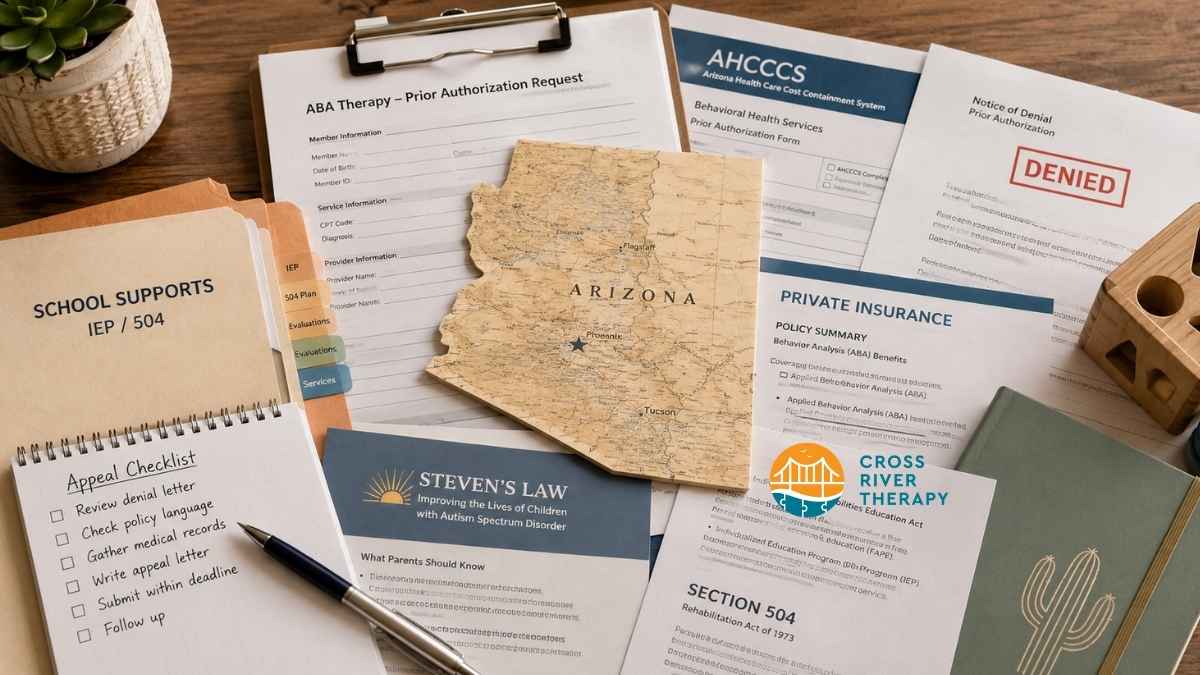
Arizona Autism Laws for ABA Coverage and School Rights
Arizona autism laws for ABA coverage vary by plan. Families can check insurance, appeal options, and school rights.

ABA Therapist Salary in Arkansas for RBTs and BCBAs
Compare ABA therapist salary in Arkansas by role. See how paid hours and benefits affect earnings before applying.

5 Autism Support Groups and Family Resources in New Mexico
Autism support groups in New Mexico connect families. Local resources offer events, parent support, and school help.

Where to Get an Autism Evaluation in New Mexico
Autism evaluation options in New Mexico include UNM and NMSU. Age and referral details help parents prepare.

7 North Carolina Autism Resources to Contact Before ABA Therapy Starts
Autism resources North Carolina families can call for diagnosis, early intervention, rights, and parent support. Start ABA intake with Cross River.

Does Indiana Medicaid Cover ABA Therapy? A Parent Checklist
Indiana Medicaid ABA therapy may cover care for eligible children. The checklist covers coaching and renewals.

How to Apply for the New Mexico DD Waiver
Your NM DD waiver application starts with state intake. The steps cover records, submission, and enrollment.

Does Insurance Cover ABA Therapy in New Jersey?
ABA therapy insurance in New Jersey varies by plan. Learn what NJ FamilyCare covers and how to check costs.

How ABA Therapy Builds Communication for Nonverbal Children Without Forcing Speech
ABA therapy communication for nonverbal children starts with AAC, signs, and daily routines. See how kids ask, refuse, choose, and get help.

How to Start ABA Therapy in New Jersey With a Checklist
Your guide explains how to start ABA therapy in New Jersey. A first-call checklist covers records and next steps.

How to Get an Autism Evaluation in Arkansas Before Starting ABA Therapy
How to get an autism evaluation in Arkansas starts with a referral, provider choice, and key records. Use this parent checklist before ABA intake.