








How Cross River Therapy Helps Children Build Friendships and Peer Relationships
Empowering Children's Social Development with Cross River Therapy


Introduction
In today's fast-paced world, fostering social skills and facilitating friendships in children has become increasingly important for their overall development. Cross River Therapy stands out as a pioneering approach in helping children, especially those encountering social challenges, build meaningful friendships and navigate complex social environments. By leveraging evidence-based methodologies and personalized therapeutic sessions, Cross River Therapy aims to enhance children's ability to form lasting connections with their peers. This article delves into various therapeutic approaches and strategies used by Cross River Therapy to aid children in developing essential interpersonal skills, thus paving the way for a fulfilling social life.
The Importance of Social Skills in Children's Development

Understanding the role of social skills in children's life
Social skills constitute the ability to interact effectively with others, forming the cornerstone of a child’s development. They are vital for establishing friendships, engaging in group activities, and learning to collaborate. Children learn these skills through play, family interactions, and various social settings, which help them understand social cues and develop empathy.
Impact of lack of social skills on peer relationships
A lack of adequate social skills can lead to numerous challenges, particularly for children with attention-deficit/hyperactivity disorder (ADHD). Research shows that these children often face peer rejection, resulting in fewer stable friendships. Specifically, studies indicate that 56% of children with ADHD do not have reciprocated friends, compared to only 32% of their typically developing peers. This gap highlights the isolation ADHD children may experience.
Benefits of improved social skills
Improving social skills in children, especially those with ADHD, has significant benefits. Enhanced skills can lead to more successful peer interactions, decreasing feelings of loneliness and protecting against issues like bullying. Even a single good friendship can buffer against the negative psychosocial outcomes often experienced by these children. Furthermore, parental involvement in facilitating playdates and friendship-building activities has proven to be essential, showing that targeted interventions can positively affect peer relationships.
Topic Importance Outcome Social Skills Foundation for friendships Improved peer relationships Lack of Skills Leads to isolation and peer rejection Higher risk of loneliness and bullying Friendship Benefits Buffers negative psychosocial outcomes Enhanced emotional well-being and stability
Understanding ADHD and Its Impact on Social Relationships
Challenges faced by children with ADHD in forming friendships
Children with attention-deficit/hyperactivity disorder (ADHD) often struggle significantly with social interactions. Research shows that these children have poorer social skills compared to their typically developing peers, leading to peer rejection and fewer stable friendships. In fact, studies reveal that 56% of children with ADHD have no reciprocated friendships, compared to 32% of comparison children. This gap in social connections can contribute to negative psychosocial outcomes.
Social dynamics of ADHD-affected children
The nature of friendships among children with ADHD is often less stable and lower in quality. For instance, girls with ADHD showed a reduced ability to maintain friendships during social activities, such as summer camp, compared to peers without ADHD. Notably, even a single good friend can serve as a protective factor against loneliness and bullying, mitigating some adverse effects associated with peer rejection.
Building friendships involves not only natural interactions but also parental support. Parental involvement, including arranging playdates and teaching essential friendship skills, proves invaluable for helping children with ADHD develop and sustain those connections. Furthermore, targeted interventions focused on fostering friendship skills are crucial, given the inherent difficulties that children with ADHD face in social settings.
How does ADHD affect children's social lives?
Children with ADHD often face difficulties in forming and maintaining friendships due to challenges in social skills, such as impulsivity and inattentiveness. This makes them more susceptible to peer rejection and limits their ability to engage successfully in reciprocal relationships, leading to fewer stable friendships compared to their peers.
Cross River Therapy's Holistic Approach to Social Skill Development
What are the primary therapeutic approaches used by Cross River Therapy to enhance children's social skills?
Cross River Therapy employs a multifaceted strategy to improve social skills in children, particularly those grappling with ADHD. Central to their approach is social skills training, which focuses on crucial interpersonal abilities such as reciprocal conversations and turn-taking. This training is customized to fit the unique needs of each child, recognizing that social development is not a one-size-fits-all process.
Alongside social skills training, cognitive-behavioral therapy (CBT) is integrated into the program. CBT techniques help children understand and manage their thoughts and emotions, making it easier for them to navigate social interactions. For instance, children learn to identify and interpret social cues effectively, which is crucial for forming friendships.
Additionally, Cross River Therapy incorporates play therapy and music therapy. Play therapy allows children to express themselves and practice social skills in a relaxed environment. Music therapy, on the other hand, promotes emotional regulation and social interaction through collaborative music-making activities.
To further support their curriculum, Cross River Therapy utilizes Applied Behavior Analysis (ABA). ABA strategies break down social skills into smaller, manageable components to facilitate systematic learning and mastery. This approach is particularly beneficial for children with ADHD, who may struggle with attention and focus during more complex tasks.
By combining various evidence-based therapies, Cross River Therapy addresses the diverse challenges children face in developing social skills, ensuring a comprehensive approach to their developmental needs.
The Role of Parental Involvement in Social Skill Enhancement
Parental Roles in Arranging Playdates
One of the most impactful ways parents can support children with ADHD in forming friendships is by actively arranging playdates. These organized social interactions provide structured opportunities for children to practice their social skills in a supportive environment.
Parents should consider setting up playdates with peers from school or neighborhood children that share similar interests. This not only helps children with ADHD develop connections but also gives them the chance to reinforce learning from therapy in real-life scenarios.
Teaching Friendship Skills at Home
In addition to arranging social interactions, teaching friendship skills at home is equally crucial. Parents can help their children understand the basics of forming and maintaining friendships, including appropriate communication, expressing empathy, and resolving conflicts.
Engaging in role-playing scenarios, discussing emotions, and coaching children through challenges in practice can enhance their confidence and ability to navigate social situations effectively.
How Can Parents Support Their Children with ADHD at Home?
Parents play a crucial role in enhancing their children's social skills by arranging playdates and actively teaching friendship skills. Engaging with their children in guided activities that reinforce the skills learned in therapy, such as empathy, communication, and conflict resolution, strengthens the child's ability to form relationships and navigate social situations at home and beyond.
By being actively involved, parents can help mitigate the risks of loneliness and peer rejection, ensuring their children have a greater opportunity to build stable, quality friendships.
Benefits of Cross River Therapy for Children's Social Growth
How does Cross River Therapy benefit children's social development and peer relationships?
Cross River Therapy stands out for its structured interventions, which cater to the unique needs of each child. The program is designed to address the social challenges that many children face, especially those with ADHD. Through dedicated sessions, children hone essential social skills crucial for forming and sustaining friendships.
One of the primary focuses of Cross River Therapy is effective communication. By practicing interactions in a safe environment, children learn to express themselves clearly and understand others better. This practice can significantly enhance their ability to build relationships.
Impact on empathy and teamwork
Empathy plays a vital role in successful friendships, and the therapy aims to foster this quality among participants. Children engage in activities that require them to perspective-take and understand varying emotions, which nurtures a sense of compassion and consideration towards their peers.
Teamwork is equally emphasized. Group projects and cooperative play are part of the therapy framework, encouraging children to collaborate and support one another, thereby mirroring real-life social scenarios. This experience not only cultivates cooperation but also helps children feel more connected to their peers.
Encouraging cooperative play
Cross River Therapy places significant importance on cooperative play. Engaging in group games and tasks allows children to practice social skills within a structured yet enjoyable sphere. Such cooperative activities promote interaction and help children develop the ability to navigate social dynamics more effectively.
Through this multifaceted approach, Cross River Therapy empowers children to boost their confidence in social situations, greatly improving their interactions and relationships with others. This improvement can lead to lasting friendships and a richer social life.
Role-Playing as a Tool for Building Social Confidence
Utilizing role-playing in therapy
Role-playing has emerged as an effective tool in therapy for children, particularly those with ADHD. By simulating social interactions, children are given the opportunity to practice and refine their interpersonal skills in a safe, supportive environment. This technique allows them to explore various scenarios — from initiating conversations to resolving conflicts — without the fear of real-life repercussions.
Building confidence through practice
Through consistent practice in role-playing, children can gradually build their confidence. Strategies employed by agencies such as Cross River Therapy include personalized feedback during and after these exercises. This direct approach helps children identify and overcome specific challenges they face in social situations.
Methods and strategies in action
Cross River Therapy employs a mix of methods that encompass:
- Role-Playing Exercises: Enacting social scenarios to build skills.
- Group Activities: Fostering teamwork and communication.
- Tailored Feedback: Addressing individual challenges directly.
By engaging in these activities, children not only enhance their social skills but also create opportunities for friendships — a crucial element for countering the negative impacts of peer rejection associated with ADHD.
Supporting children through structured settings
Incorporating role-playing into therapy helps establish a structured setting where children learn the value of reciprocity in friendships. This practice is particularly significant as research underscores the importance of having at least one quality friendship to buffer against loneliness and social challenges. Through these therapeutic strategies, children with ADHD receive essential support that promotes social success.
Emotional Regulation and Its Role in Building Friendships
Integrating Emotional Regulation in Therapy
Emotional regulation plays a crucial role in helping children with ADHD develop fulfilling friendships. Effective therapy programs, such as Cross River Therapy, are designed to enhance emotional skills alongside fostering social connections. By integrating empathy training and communication skills, these programs address the critical social challenges faced by children with ADHD.
For instance, when children learn to express their emotions appropriately, they improve their ability to connect with peers. This emotional intelligence is fundamental in navigating complex social environments, leading to the formation of more stable friendships. Additionally, interventions that include outdoor activities, like wilderness therapy, have been shown to boost self-esteem and encourage pro-social behaviors.
Enhancing Friendships Through Emotional Skills
Friendships are vital for children’s development, especially for those with ADHD, who often struggle with peer acceptance. Research indicates that having even one strong friendship can significantly reduce feelings of loneliness and vulnerability to bullying.
Children with ADHD can greatly benefit from programs focused on specific emotional and friendship-building skills. Through targeted interventions, they can learn how to initiate playdates, communicate effectively, and manage conflicts constructively.
Can Cross River Therapy Effectively Help Children Form Friendships and Navigate Social Environments?
Yes, Cross River Therapy can effectively help children form friendships and navigate social environments. By integrating empathy and communication skills training with emotional regulation, it addresses fundamental social needs. Moreover, similar programs like wilderness therapy demonstrate positive outcomes in enhancing self-esteem and developing pro-social behaviors through group activities. These experiences promote interpersonal skills, which are crucial for successful social interactions. Factors such as the outdoor setting and strong counselor relationships further enhance the effectiveness of such therapeutic approaches.
Music Therapy as a Channel for Social Interaction

Impact of music therapy on social skill development
Music therapy plays a significant role in enhancing social skills among children, particularly those with ADHD. The structured and creative environment provided by music therapy encourages children to engage with their peers in meaningful ways. By participating in group activities, they can practice turn-taking, sharing, and cooperation, which are essential components of building friendships.
Activities, such as playing musical instruments together or singing in harmony, promote teamwork and collaboration. These shared experiences can lead to improved listening skills and better communication, which are often challenging for children with ADHD.
Fostering group interaction through music
In music therapy sessions, children often work in ensembles or small groups where they can express their emotions and connect with others through the universal language of music. This setting not only allows them to build social bonds but also helps them develop empathy towards their peers. For many, music becomes an avenue for self-expression, reducing feelings of isolation that can accompany ADHD.
Research shows that even a single strong friendship can positively impact children’s emotional well-being, protecting them against loneliness and bullying. By fostering friendships through music, therapists provide an essential avenue for children with ADHD to enhance their social capabilities, leading to more stable relationships and improved psychosocial outcomes.
Topic Description Benefits Music Therapy Activities Group-based music engagement focusing on ensemble work. Enhances teamwork and social interaction skills. Emotional Expression Music as a medium for children to express emotions. Facilitates deeper connections and understanding among peers. Friendship Development Encouraging the formation of reciprocal relationships through music. Protects against negative social experiences and builds resilience.
Applied Behavior Analysis: A Systematic Approach to Social Skills
Components of ABA in fostering social skills
Applied Behavior Analysis (ABA) is a structured method that plays an essential role in teaching social skills to children facing challenges, like those with ADHD. ABA involves breaking down complex social skills into smaller, manageable components. This step-by-step approach allows instructors to teach each skill one at a time, reinforcing proper execution through positive feedback and rewards.
Each social interaction can be dissected into specific actions. For instance, making eye contact, initiating a conversation, and taking turns can all be taught separately before combining them into a complete social interaction. This precise focus helps children grasp the nuances of social behavior, increasing their chances of forming stable friendships.
Tailoring ABA for each child
Another significant aspect of ABA is its adaptability. The framework can be personalized to suit the unique needs of each child, especially those with ADHD who may struggle with conventional social scenarios. By assessing a child’s specific difficulties, therapists can create targeted interventions that address their particular social deficits.
Such tailored approaches are crucial, as they ensure that progress is measurable and aligned with the child’s pace and comprehension. The positive reinforcement strategies employed can enhance motivation and engagement, leading to improved outcomes in social skills development.
Overview of ABA in social skill development for children with ADHD
Aspect Description Benefit Components of ABA Dissecting social interactions into teachable skills Simplifies learning Personalization Adapting strategies to fit each child’s needs Increases relevance and effectiveness Positive reinforcement Reinforcement techniques to encourage desired behaviors Boosts motivation and engagement
This systematic approach not only cultivates social skills but also fosters the potential for children with ADHD to build meaningful relationships, thereby mitigating issues related to peer rejection.
Therapeutic Play as a Bridge for Social Engagement
Using play therapy to enhance social interaction
Play therapy serves as a vital tool for improving social skills in children, especially those with ADHD. With its structured format, play therapy allows children to engage in activities that reflect social dynamics, fostering better interaction skills. This methodology helps children learn how to navigate social situations effectively.
How does play therapy support social skills in children?
In organizations like Cross River Therapy, play therapy provides a structured yet enjoyable environment for children to learn about social dynamics. Through guided play activities, children instinctively practice turn-taking, empathy, and problem-solving.
Benefits of structured play
The benefits of structured play extend beyond just teaching social skills. They include:
- Improved Socialization: Children are encouraged to engage with peers, making it easier for them to develop friendships.
- Enhanced Emotional Regulation: Play therapy helps children with ADHD learn to manage their emotions, leading to more stable and satisfying friendships.
- Greater Confidence: By practicing social interactions in a risk-free setting, children gain the confidence needed to take their skills into real-world situations.
- Peer Relationships: Opportunities to build one or two quality friendships that can serve as a buffer against loneliness and peer rejection.
In summary, incorporating play therapy into the lives of children with ADHD not only develops crucial social skills but also creates opportunities for meaningful peer connections.
Interventions for Children with ADHD: A Focus on Friendship
Why are friendship-focused interventions important for children with ADHD?
Friendship-focused interventions are crucial for children with ADHD due to their increased difficulties in forming stable relationships. Children with ADHD often experience peer rejection and struggle with social skills, which can lead to feelings of loneliness and lower self-esteem. Tailored interventions emphasize the development of social skills specific to friendship building, such as empathy, reciprocity, and emotional regulation.
These skills are important because studies show that high-quality friendships can act as a buffer against the negative outcomes typically associated with peer rejection. Indeed, the presence of even one supportive friend can significantly protect children with ADHD from issues like bullying and social isolation.
Specific interventions for ADHD
Effective interventions target the unique social challenges faced by children with ADHD. Some strategies include:
- Social Skills Training: Programs designed to teach children how to engage in reciprocal interactions, maintain conversations, and resolve conflicts.
- Playdate Arrangements: Encouraging parents to arrange playdates not only fosters opportunities for friendship but also allows children to practice their social skills in a supportive environment.
- Role-Playing Activities: Engaging children in role-playing scenarios helps them understand social cues and develop empathy towards peers.
- Friendship Clubs: Structured groups that provide a safe space for children to practice social skills and build friendships through guided activities.
These targeted approaches can significantly improve the chances of children with ADHD forming meaningful connections, enhancing their overall well-being.
Parental Guidance: Strengthening Social Skills beyond Therapy
Strategies for parents to enhance their child's social skills
Developing social skills is essential for children with ADHD, and parents play an indispensable role in this journey. Here are some effective strategies:
- Organize playdates: Facilitate regular playdates to provide opportunities for children to practice social skills in a safe environment.
- Teach friendship skills: Explicitly teach your child how to initiate conversations, share, and cooperate during playtime.
- Model social interactions: Demonstrate healthy communication by engaging in conversations with your child and discussing friendship dynamics.
- Encourage emotional regulation: Help your child recognize and manage their emotions to reduce impulsive reactions during social interactions.
Collaborative effort between therapists and parents
Collaboration between parents and therapists is vital for reinforcing social skills.
- Set consistent goals: Parents and therapists should create united objectives for social skill development, ensuring continuity between therapy sessions and day-to-day life.
- Reinforce therapy lessons: Parents can practice the skills learned in therapy during play and everyday interactions, creating a consistent learning environment.
- Monitor progress: Regularly discuss your child's developing social skills with therapists to adjust strategies as needed.
By actively engaging as partners in their child's development, parents and therapists can significantly enhance the social skills of children with ADHD, helping them form the friendships crucial for emotional well-being.
The Power of One: How a Single Friendship Can Make a Difference
Importance of Even a Single Good Friendship
For children with ADHD, forming friendships can be particularly challenging. Many face peer rejection and struggle with social skills, leading to fewer enduring friendships compared to their typically developing peers. However, the presence of even one strong friendship can serve as a crucial protective mechanism against the adverse effects of social isolation.
Psychosocial Benefits for Children with ADHD
A positive friendship helps children with ADHD develop emotional support systems. This support is vital as it can mitigate feelings of loneliness and reduce the risk of being bullied. One good friend can significantly enhance self-esteem and social experiences. Research has shown that children with ADHD who enjoy such friendships often report feeling more connected and less isolated, providing them with a sense of belonging despite the challenges they face in broader peer contexts.
Benefits of a Single Friendship for Children with ADHD Description Impact on Child Emotional Support Offers a safe space for children to express feelings Reduces loneliness Social Skills Development Facilitates the practice of social interactions Improves relationship quality Increased Self-esteem Provides validation and acceptance from a friend Enhances social experiences Resilience Against Bullying Creates a buffer to protect against negative peer interactions Fosters a sense of security
In conclusion, while children with ADHD may struggle to form friendships, even one stable, quality friendship can lead to substantial psychosocial advantages that elevate their overall wellbeing.
Cross River Therapy's Impact: Building Stronger Relationship Foundations
What is the impact of Cross River Therapy on children's relationship-building skills?
Cross River Therapy significantly enhances children's relationship-building skills by fostering an understanding of social dynamics. Through tailored outdoor sessions, children learn to navigate interpersonal relationships within a natural setting, which promotes emotional connections. The fresh air and engaging activities create a relaxed atmosphere for children to express themselves, share vulnerabilities, and practice relational dynamics.
The integration of nature into therapy not only aids in emotional expression but also encourages children to adopt more empathetic perspectives. This nurturing environment helps them grasp complex social cues and fosters mutual understanding, which are vital for developing lasting friendships. As children explore these dynamics, they also improve their communication skills, essential for effective interaction with peers.
Additionally, the use of therapeutic approaches such as the Relational Resilience Approach emphasizes skills like mutual empathy and empowerment. By focusing on these relational qualities, children learn to build trust, crucial for forming deeper connections with both their therapists and peers. This holistic approach is especially beneficial for children with attention-deficit/hyperactivity disorder (ADHD), as it specifically addresses their social skills deficits and helps buffer against peer rejection.
Therapeutic activities provided by Cross River Therapy directly strengthen the foundation for healthier relationships, ensuring that children not only develop skills to connect with others but also engage in a more supportive community, ultimately paving the way for improved social outcomes.
Building Confidence through Group Activities
Fostering Teamwork and Peer Interaction
Group activities are essential in helping children improve their social skills, especially those with ADHD. Engaging in teamwork offers a dynamic environment where children practice important social behaviors. They learn to communicate their ideas, listen to others, and participate in group decision-making processes.
In these settings, children can develop a better understanding of how to share responsibilities and work collaboratively. This encouraged interaction helps mitigate feelings of isolation that often accompany peer rejection. By building a network of support, children can explore various roles within a group, enhancing their social awareness and empathy.
Encouraging Leadership Skills
Participating in group activities also encourages children to take on leadership roles. This experience not only bolsters their confidence but also allows them to practice problem-solving and conflict resolution. Children learn how to manage disagreements and provide support to their peers, essential skills that contribute to forming stable and high-quality friendships.
How do group activities in therapy sessions aid social skill development?
Group activities in therapy sessions provide an interactive platform for practicing social skills, such as communication, cooperation, and conflict resolution. These activities encourage children to step into leadership roles and navigate through collaborative tasks, which builds confidence and enhances their ability to interact effectively with peers.
Benefits of Group Activities Key Components Long-Term Outcomes Teamwork and Collaboration Shared goals and tasks Improved social interactions Development of Leadership Roles Opportunity for responsibility Enhanced self-esteem and confidence Conflict Resolution Structured problem-solving Stronger friendships and peer support
The Role of Empathy in Social Interactions
How does teaching empathy improve children's social interactions?
Teaching empathy in therapy sessions plays a pivotal role in enhancing the social skills of children, especially those facing challenges such as ADHD. By helping children understand and respond to the emotions of others, empathy becomes a cornerstone for forming and maintaining friendships.
Children taught empathy learn to recognize facial expressions, vocal tones, and other non-verbal cues. This leads to more meaningful interactions and reduces misunderstandings that can lead to social exclusion or bullying.
In addition to enhancing relationships, empathy contributes to a child's ability to navigate complex social environments. Children with ADHD often struggle with social skills; therefore, integrating empathy training can significantly improve their social interactions.
Through tailored programs, children can engage in role-playing scenarios and group activities designed to boost empathy. For example, they might discuss how a peer would feel in various situations, encouraging them to think beyond their experiences.
Impact on peer relationships
The impact of empathy on peer relationships cannot be overstated. With improved empathetic understanding, children develop better conflict resolution skills and show increased adaptability in social situations. As a result, they are less likely to experience peer rejection and are more equipped to create lasting friendships.
Quality friendships act as a protective factor against social challenges, such as loneliness and bullying. Ultimately, empathy training equips children with essential social tools, fostering deeper connections and enhancing their overall psychosocial well-being.
Aspect Importance of Empathy in Social Skills Impact on Relationships Understanding Emotions Helps children gauge reactions and connect with peers Reduces bullying and social exclusion Conflict Resolution Encourages dialogue and negotiation skills Leads to more stable and high-quality friendships Emotional Intelligence Enhances awareness of others’ feelings Improves overall interaction quality
Enhancing Emotional Connections through Relational Resilience
What is the Relational Resilience Approach, and how does it help children?
The Relational Resilience Approach is designed to foster strong interpersonal relationships in children, particularly those facing challenges like ADHD. This approach emphasizes mutual empathy and empowerment.
By understanding and managing their own emotions, children can learn to value the emotions of their peers as well. This reciprocal understanding is critical in promoting trust and emotional intimacy.
Implementing relational resilience approaches
To implement this approach, several strategies can be employed:
- Skill-building activities: Structured play sessions that focus on communication and problem-solving.
- Emotion regulation exercises: Techniques that teach children how to express feelings appropriately.
- Role-playing scenarios: Practicing social interactions to build confidence and social understanding.
Empowerment and mutual empathy in therapy
Empowerment in therapeutic settings encourages children with ADHD to engage actively in their learning process. The therapeutic relationship itself becomes an avenue for practicing social skills, further enhancing their ability to form and maintain friendships.
Through these relational resilience methods, children not only learn to navigate their emotions but also gain the social tools necessary for developing stable, high-quality friendships, essential for their overall well-being and reducing feelings of rejection.
Expressive Arts as a Medium for Social Learning
How do expressive arts contribute to social skills development?
Expressive arts, including activities like drawing, drama, and movement, serve as powerful tools in enhancing social skills among children, especially those with ADHD. These activities allow children to express their feelings and experiences in ways that might be challenging through verbal communication.
Engaging in creative expression helps children articulate emotions and thoughts, creating opportunities for them to connect with others.
Incorporating expressive arts in therapy
Therapists can integrate various forms of expressive arts into interventions tailored for children with ADHD. For instance:
- Art Therapy: Using drawing or painting to explore emotions.
- Drama Therapy: Role-playing scenarios to practice social interactions.
- Movement Therapy: Engaging in dance or physical activities to build teamwork.
This approach enables children to visualize and enact social situations, fostering peer interactions in a supportive context.
Benefits of creative expression in forming peer connections
Creative activities promote collaboration among peers, allowing children to form connections as they work together on projects or performances. In these settings, children with ADHD often find it easier to relate to their peers, reducing feelings of rejection.
Incorporating expressive arts results in not only improved emotional expression but also boosts confidence, making it easier for children to establish friendships that can buffer against negative psychosocial outcomes.
Benefits of Expressive Arts Impact on Children with ADHD Examples of Activities Enhances emotional expression Allows for articulation of feelings Drawing, painting Encourages collaboration Fosters relationships through shared experiences Group performances in drama Builds social skills through interaction Helps navigate social scenarios Collaborative dance sessions
Understanding Turn-Taking and Reciprocal Conversations
Importance of Turn-Taking in Social Interactions
Turn-taking is a fundamental skill in social interactions, allowing individuals to communicate effectively. For children, especially those with ADHD, mastering this skill fosters positive relationships and enhances social competence. When children practice turn-taking, they learn to value others' contributions, preventing conversations from becoming one-sided. This reciprocal interaction is critical for building strong friendships, which can serve as a protective factor against feelings of loneliness and bullying.
Teaching Reciprocal Conversations in Therapy
In therapeutic settings, turn-taking is taught through various structured activities. These may include:
- Structured Play: Activities designed so each child must wait for their turn, promoting patience and anticipation.
- Conversation Exercises: Children engage in dialogues where they practice responding to prompts, ensuring they contribute meaningfully while allowing others to speak.
- Role-Playing: Simulating real-life situations helps children understand and navigate social cues and interactions more naturally.
Through these interventions, children gain insights into effective communication, improving their social skills and increasing the likelihood of forming and maintaining friendships. Skillful turn-taking thereby not only enhances their immediate social skills but also contributes positively to their overall psychosocial well-being.
Applying Behavioral Therapies in Real-World Social Scenarios
Transferring skills from therapy to real-world situations
For children with ADHD, the transition from therapy to real-life social scenarios can be challenging. Cross River Therapy recognizes the importance of this transfer and incorporates specific strategies into their sessions. The therapy includes role-playing elements where children simulate typical interactions they might encounter outside. This not only prepares them for real-life situations but also helps build their confidence.
Additionally, therapists guide parents on how to create friendly environments outside of therapy. By encouraging playdates or social gatherings, parents can facilitate the practice of newly acquired skills in settings familiar to the child.
Evaluating progress in real-life social challenges
To ensure that children can effectively use the skills learned in therapy, Cross River Therapy monitors progress in practical contexts. Progress evaluation is based on observations of children's ability to engage with peers during social activities.
By tracking their interactions, therapists can assess if the children are successfully applying techniques like communication and turn-taking. This feedback loop not only informs parents of their child’s development but also helps therapists tailor interventions to improve specific skills further.
In conclusion, the focused application of learned social skills in everyday contexts is a fundamental component in enhancing the social experiences of children with ADHD, laying a foundation for healthier peer relationships.
The Role of Nature in Enhancing Social Therapy
Why are children with ADHD often peer-rejected?
Youth with attention-deficit/hyperactivity disorder (ADHD) frequently face challenges in forming stable friendships due to poor social skills. Compared to their typically developing peers, they experience higher rates of peer rejection, which can compound feelings of loneliness and isolation. This rejection is not merely a result of disinterest; rather, it stems from a combination of behavioral differences and social missteps that make it difficult for them to connect.
How do children with ADHD fare in forming friendships?
Studies reveal a stark contrast in friendship quality between children with ADHD and their peers. Around 56% of children with ADHD report having no reciprocated friendships, compared to only 32% of their typically developing peers. Moreover, friendships among children with ADHD tend to lack stability and depth. For instance, research highlights that girls with ADHD struggle to maintain friendships even over short periods, like a summer camp session, showing that these connections are often fleeting.
Can friendships mitigate the effects of peer rejection?
Despite high rates of rejection, even a single stable friendship can act as a buffer against the negative outcomes associated with being socially marginalized. Such friendships can help protect against issues like bullying and feelings of loneliness. It’s crucial to note that friendship, defined as a mutual and reciprocal relationship, is distinct from peer acceptance or rejection. A child might be accepted by classmates yet still lack true friends.
What can be done to support children with ADHD in developing friendships?
Parental involvement plays a significant role in helping children with ADHD build and sustain friendships. Arranging playdates and teaching social skills are essential strategies. Interventions that focus specifically on friendship are necessary to address the unique challenges these children face in their social interactions. By fostering an environment conducive to forming positive relationships, we can help alleviate some of the pressures of peer rejection they experience.
Music Therapy: Harmonizing Social Interaction and Emotional Expression
Understanding the Challenges
Children with attention-deficit/hyperactivity disorder (ADHD) often struggle with social skills and face significant challenges in forming friendships. This peer rejection leads to a lack of stable, high-quality relationships compared to their typically developing peers. Research shows that approximately 56% of children with ADHD report having no reciprocated friendships, which starkly contrasts with the 32% in comparison groups.
The Importance of Quality Friendships
Despite these challenges, friendships can act as protective factors against the adverse effects of peer rejection. Even having just one good friend can significantly buffer against negative psychosocial outcomes like loneliness, bullying, and low self-esteem. The quality of friendships among children with ADHD tends to be lower, as evidenced by studies where girls with ADHD struggled to maintain friendships over a short camp period compared to their peers.
The Role of Parents and Interventions
To address this social gap, parental involvement is crucial. Parents can facilitate gatherings like playdates and aid in teaching essential friendship skills. Moreover, specialized interventions focusing on friendship development for children with ADHD are essential. Incorporating structured programs not only improves peer acceptance but also enhances the social skills necessary for building lasting relationships.
Overview of Friendship Dynamics for ADHD Youth
Aspect Children with ADHD Typically Developing Peers Percentage with No Friends 56% 32% Friendship Quality Lower quality and stability Higher quality and more stability Role of Parents Active involvement key for friendship Parental guidance varies Importance of One Friend Can mitigate loneliness and bullying Less critical due to higher peer acceptance
Creating Safe Spaces within Therapy for Social Exploration
How does providing a safe environment in therapy aid in social skill development?
Creating a safe environment within therapy is essential for children with ADHD to explore and practice social skills. In such settings, children can experiment with various social strategies without the anxiety of judgment or failure. This freedom encourages them to take risks when communicating, which is vital for their social development.
A supportive atmosphere helps mitigate the anxiety often related to social interactions, a common challenge for youth with ADHD. When children feel safe, they are more likely to share their thoughts and feelings, enhancing their ability to connect with others.
Additionally, therapists can introduce practical exercises that mimic social scenarios, such as role-playing games. This not only reinforces the skills being taught but also allows kids to see the consequences of their social strategies in a controlled environment. Over time, such practices can significantly improve social confidence.
Importance of Parental Involvement
Parents play an integral role in this process as well. By arranging playdates and teaching social skills, they can provide opportunities for children to practice what they learn in therapy. This collaboration between therapy and home can lead to a more comprehensive development of friendships for children with ADHD.
Creating these safe spaces in therapy, along with active parental involvement, is crucial for children with ADHD as they navigate social landscapes and work towards building meaningful friendships.
Peer Feedback in Therapy: Learning Through Observation and Interaction
Importance of peer feedback and observation
Peer feedback plays a pivotal role in therapeutic settings, especially for children, including those with ADHD. It provides a unique opportunity for children to gain insights into how their actions impact their peers. This not only enhances self-awareness, but also aids in emotional adjustments throughout the therapeutic process. By engaging with each other, children learn to navigate complex social dynamics, which is particularly crucial for those with social skill challenges.
Fostering a community of mutual learning
In a supportive therapeutic environment, children learn to appreciate the perspectives of others. When peers offer feedback, it creates a community of mutual learning. Children practice articulating their feelings and opinions while also learning to receive constructive criticism. This exchange encourages the honing of vital social skills through direct interaction. The lessons derived from these peer relationships can be particularly beneficial for children with ADHD, helping them to build stable friendships despite their social challenges.
Aspect Peer Feedback Benefits Importance for ADHD Children Self-Awareness Understand how behaviors affect others Enhances understanding of social cues Emotional Adjustment Promote emotional regulation Reduces frustration during social interactions Constructive Criticism Learn to express and receive feedback Improves ability to maintain friendships Community Building Fosters supportive peer relationships Provides a sense of belonging amidst peer rejection
Integrating Cultural Sensitivity into Social Skills Therapy
What challenges do youth with ADHD face in forming friendships?
Youth with attention-deficit/hyperactivity disorder (ADHD) often encounter significant challenges in forming stable friendships. Studies have shown that these children frequently experience peer rejection and exhibit poorer social skills compared to their typically developing peers. As a result, they have fewer friendships overall, with 56% of children with ADHD reporting no reciprocated friendships, starkly contrasting with 32% among comparison children.
How can friendships positively impact children with ADHD?
Despite their struggles, research has indicated that even one high-quality friendship can serve as a protective factor. Good friendships help mitigate negative outcomes such as loneliness and bullying that often accompany peer rejection. The quality of friendships among children with ADHD tends to be lower than that of their peers, with instances such as girls with ADHD finding it difficult to maintain friendships during social activities, like summer camp.
What role do parents play in helping children with ADHD develop friendships?
Parents play a critical role in facilitating friendships for children with ADHD. Their involvement in arranging playdates and teaching essential social skills is fundamental to fostering connections. Given the inherent difficulties this group faces in peer acceptance and social interactions, targeted interventions aimed at encouraging friendships are increasingly necessary. These interventions can effectively enhance social competence and lead to more fulfilling peer relationships, ultimately enriching the lives of children with ADHD.
Building Trusting Relationships with Therapists and Peers
Importance of Trust in Therapeutic Relationships
Building trust is fundamental in creating effective therapeutic relationships. For children, especially those with ADHD, a sense of safety and understanding in therapy fosters greater engagement. Trust acts as a bridge between the therapist and the child, enabling them to explore feelings and navigate social challenges without fear of judgment.
How Does Building Trust in Therapy Sessions Enhance Social Skills in Children?
Building trust within therapy sessions encourages children to open up and engage more deeply in the activities and interventions provided. A trusted therapist facilitates a stronger emotional connection, making children more receptive to learning, trying new strategies, and transferring these skills to external social interactions.
Ways to Cultivate Trust Within Therapy Sessions
- Consistent Communication: Regular, supportive communication helps children feel valued and understood.
- Active Listening: Therapists should validate children’s feelings and thoughts, ensuring they feel heard.
- Setting a Safe Environment: A welcoming and non-judgmental space can significantly enhance comfort levels.
- Engaging Activities: Using games and role-playing can make sessions enjoyable, strengthening the bond between therapist and child.
More Insight on Trust Building in Therapy
To further explore techniques and strategies for building trust in therapy settings, parents and caregivers can search resources under "trust building in therapy for child social skills". It's essential to look for practical interventions tailored to improve social skills for children facing peer acceptance issues.
Promoting Resilience through Social Challenges in Therapy
Using therapy to teach resilience in face of social difficulties
Therapy plays a vital role in helping children with ADHD navigate their social world, especially in the face of peer rejection. One effective approach is to teach resilience by equipping children with coping strategies. This includes using positive self-talk to foster self-esteem and encouraging the identification of supportive friendships that can provide emotional backing.
Role-playing difficult scenarios enables children to practice responses to social challenges. They learn problem-solving skills that are crucial in managing interactions with peers, fostering a stronger sense of agency and resilience overall.
Strategies to overcome peer rejection and build connections
Given the discrepancies in friendship formation among children with ADHD, targeted strategies are essential. Cross River Therapy implements interventions focused on enhancing social skills, significantly helping children develop healthier relationships.
- Parental Involvement: Parents are encouraged to facilitate playdates and model effective social interactions, which can help children practice their skills in real-world settings.
- Friendship Skills Training: Children learn specific skills to forge connections, such as initiating conversations, sharing interests, and resolving conflicts.
- Promoting Positive Friendships: Therapy emphasizes the importance of finding at least one supportive friend, which can act as a protective factor against bullying and loneliness.
By focusing on these strategies, children with ADHD can gradually build connections and resilience amidst social adversity.
Mastering Communication: Beyond Words in Social Skills Therapy
How Do Friendships Differ for Children with ADHD?
Youth with attention-deficit/hyperactivity disorder (ADHD) frequently experience peer rejection and struggle with social skills, leading to fewer friendships than their typically developing peers. Studies have shown that 56% of children with ADHD lack reciprocated friendships, compared to 32% of their peers. This significant difference highlights the social challenges faced by young individuals with ADHD.
What Role Do Stable Friendships Play?
Research suggests that stable, high-quality friendships can serve as a buffer against some negative outcomes related to peer rejection. Children with ADHD often endure feelings of loneliness and face difficulties such as bullying, yet having even one good friend can significantly mitigate these experiences. The protective factor presented by a strong friendship emphasizes the importance of developing meaningful social connections.
How Do Friendships Look for Girls with ADHD?
Friendships among children with ADHD tend to have lower quality and stability. For instance, research indicates that girls with ADHD maintain friendships less effectively compared to their peers, revealing the unique challenges each gender might face in social settings. Factors contributing to this instability often stem from difficulties in social skills and maintaining reciprocal relationships, differentiating friendships from mere peer acceptance.
What Can Parents and Interventions Do?
Parental involvement is crucial in fostering friendships for children with ADHD. Parents are encouraged to arrange playdates and teach friendship skills to assist their children in navigating social interactions. Additionally, tailored interventions focusing on friendship-building are essential, as they address the specific social difficulties encountered by children with ADHD. By promoting inclusive activities, we can help these youths form stable, rewarding relationships and improve their overall psychosocial wellbeing.
Addressing Social Anxiety within Cross River Therapy
Why are youth with ADHD often peer-rejected?
Youth with attention-deficit/hyperactivity disorder (ADHD) frequently face challenges in social environments, leading to peer rejection. Compared to their typically developing peers, these children may struggle with acquiring social skills, resulting in fewer stable friendships. A staggering 56% of children with ADHD report having no reciprocated friendships, whereas only 32% of their peers report the same.
What is the significance of quality friendships for children with ADHD?
Quality, stable friendships act as a buffer against the negative effects of peer rejection. Even a single supportive friendship can significantly alleviate feelings of loneliness and protect against bullying. Studies show that friendships among children with ADHD are not only fewer but also often lack the quality and stability found in typical friendships. For instance, girls with ADHD demonstrated difficulty in maintaining friendships during periods like summer camp compared to their peers.
How can parents foster friendship development?
Parental involvement plays a crucial role in cultivating friendships for children with ADHD. By arranging playdates and teaching vital friendship skills, parents can help their children develop meaningful connections. This focus on friendship interventions is essential, especially given these children’s unique difficulties with peer acceptance and social skills.
Overview of Friendship Dynamics: ADHD vs. Typically Developing Peers
Aspect Children with ADHD Typically Developing Peers Number of Friendships 56% have no reciprocated friends 32% have no reciprocated friends Friendship Quality Often lower quality and stability Higher quality and stability Maintenance of Friendships Difficulty during social activities Typically maintain friendships effectively
Understanding and addressing these social dynamics can lead to improved outcomes for children with ADHD, offering them a better chance to experience the joys of friendship.
Facilitating Emotional Literacy through Therapeutic Interventions
Why do youth with ADHD struggle with friendships?
Children with attention-deficit/hyperactivity disorder (ADHD) often experience challenges in forming and maintaining friendships. This is primarily due to peer rejection and underdeveloped social skills, which can lead to a significant deficit in quality relationships. Studies reveal that 56% of children with ADHD do not have reciprocated friendships, compared to 32% of their typically developing peers. This lack of mutual friendships can result in feelings of loneliness and social isolation.
How can stable friendships make a difference?
Research highlights that stable, high-quality friendships can act as a protective factor against the adverse effects of peer rejection. Even one consistent friendship may shield children with ADHD from negative psychosocial outcomes, such as bullying or increasing feelings of loneliness. This reveals the importance of fostering a supportive social network for these children.
What role does parental involvement play?
Parents play a pivotal role in their children’s social development. Engaging in activities like arranging playdates or teaching essential friendship skills can significantly elevate a child with ADHD's chances of forming friendships. Such interventions not only improve social skills but also increase the likelihood of creating lasting, meaningful connections.
Why are specific interventions necessary?
Given the unique social challenges faced by children with ADHD, targeted interventions focusing on friendship-building are essential. Effective strategies include social skills training and guided play that foster peer interactions, helping children navigate social nuances and leading to more positive peer relationships. Overall, investing in friendship development is crucial for empowering children with ADHD.
Utilizing Digital Platforms for Remote Social Skills Therapy
How is digital therapy being utilized to enhance social skills, and what are its benefits?
Digital platforms are increasingly being used to conduct social skills therapy, especially advantageous for children with ADHD who may face traditional social barriers. These platforms allow for accessible and flexible sessions, enabling children to participate from the comfort of their homes.
Virtual therapy sessions leverage interactive resources like games, role-playing, and simulations of social scenarios. This approach not only makes sessions engaging but also encourages children to practice social skills in a controlled environment without the pressures of real-life interactions.
Benefits and challenges of virtual social skills sessions
The benefits extend beyond convenience. Engaging with peers in a virtual space can help children with ADHD build confidence and improve their ability to engage in group dynamics. Furthermore, digital therapy can also accommodate diverse learning styles through multimedia resources.
However, challenges remain. Maintaining the children's engagement during sessions can be difficult, particularly when faced with numerous distractions at home. Additionally, managing the technical aspects of digital platforms, such as connectivity issues and screen fatigue, poses potential obstacles for both therapists and participants.
Aspect Benefits Challenges Accessibility Enables participation from home Distractions in home environment Engagement Interactive games and role-plays Maintaining focus can be difficult Learning styles Accommodates various learning preferences Technical issues like internet connectivity
Despite these challenges, digital platforms for social skills therapy present a valuable opportunity for children with ADHD to improve their interpersonal skills and foster friendships.
Feedback Loops: Continuous Improvement in Social Skill Interventions
What role do feedback loops play in refining social skills interventions?
Feedback loops are essential in the context of social skill interventions for children with ADHD. They provide a platform where insights from both children and parents can be incorporated into therapy. By actively listening to feedback, therapists can refine and enhance strategies that help children navigate their social environments more effectively.
Importance of feedback loops in therapy
In therapy, feedback loops initiate a process of continuous improvement. They allow therapists to assess what techniques are resonating with children, which methods are effective, and where adjustments need to be made. This iterative process supports the development of tailored interventions that resonate better with each child’s unique challenges.
Incorporating child and parent feedback
Involving parents in the feedback process is particularly vital. Parents can shed light on the social dynamics their child encounters outside the therapeutic environment, including experiences in playgrounds or during structured activities. Likewise, children are the best judges of their feelings and friendships.
Aspect Role of Feedback Loops Benefits Continuous Improvement Refines therapy techniques Personalized therapeutic experience Insight Gathering Informs on social dynamics Increases effectiveness of interventions Parental Involvement Informs on external interactions Helps build a supportive home environment
By leveraging these feedback loops, interventions can become more impactful, ultimately supporting children with ADHD in developing lasting, meaningful friendships.
Conclusion
Cross River Therapy offers innovative and comprehensive approaches to helping children build and maintain friendships and navigate social environments. By employing a range of evidence-based therapeutic techniques tailored to each child's needs, the therapy not only enhances social skills but also strengthens emotional resilience and connections with peers. The holistic approach of Cross River Therapy facilitates significant growth in children's interpersonal capabilities, paving the way for healthier and more fulfilling social interactions that extend beyond the confines of the therapy room.
References
- The Importance of Friendship for Youth with Attention-Deficit ...
- PROTOCOL: The effectiveness of wilderness therapy and adventure ...
- Alternatives to ABA: A Look at Kinder Growth Therapy
- Behavioral Interventions for Autism Spectrum Disorder
- Investigating the Impact of Music Therapy on Social and ...
- How ABA Therapy Helps With Social Skills
- Enhancing Relationship Skills and Couple Functioning with Mobile ...
Recent News
Related articles

6 Arkansas Medicaid ABA Therapy Rules Families Need to Know
Arkansas Medicaid ABA therapy has age, diagnosis and approval rules. Families can check six requirements before care.

Arizona Autism Laws for ABA Coverage and School Rights
Arizona autism laws for ABA coverage vary by plan. Families can check insurance, appeal options, and school rights.

ABA Therapist Salary in Arkansas for RBTs and BCBAs
Compare ABA therapist salary in Arkansas by role. See how paid hours and benefits affect earnings before applying.

5 Autism Support Groups and Family Resources in New Mexico
Autism support groups in New Mexico connect families. Local resources offer events, parent support, and school help.

Where to Get an Autism Evaluation in New Mexico
Autism evaluation options in New Mexico include UNM and NMSU. Age and referral details help parents prepare.

7 North Carolina Autism Resources to Contact Before ABA Therapy Starts
Autism resources North Carolina families can call for diagnosis, early intervention, rights, and parent support. Start ABA intake with Cross River.

Does Indiana Medicaid Cover ABA Therapy? A Parent Checklist
Indiana Medicaid ABA therapy may cover care for eligible children. The checklist covers coaching and renewals.

How to Apply for the New Mexico DD Waiver
Your NM DD waiver application starts with state intake. The steps cover records, submission, and enrollment.
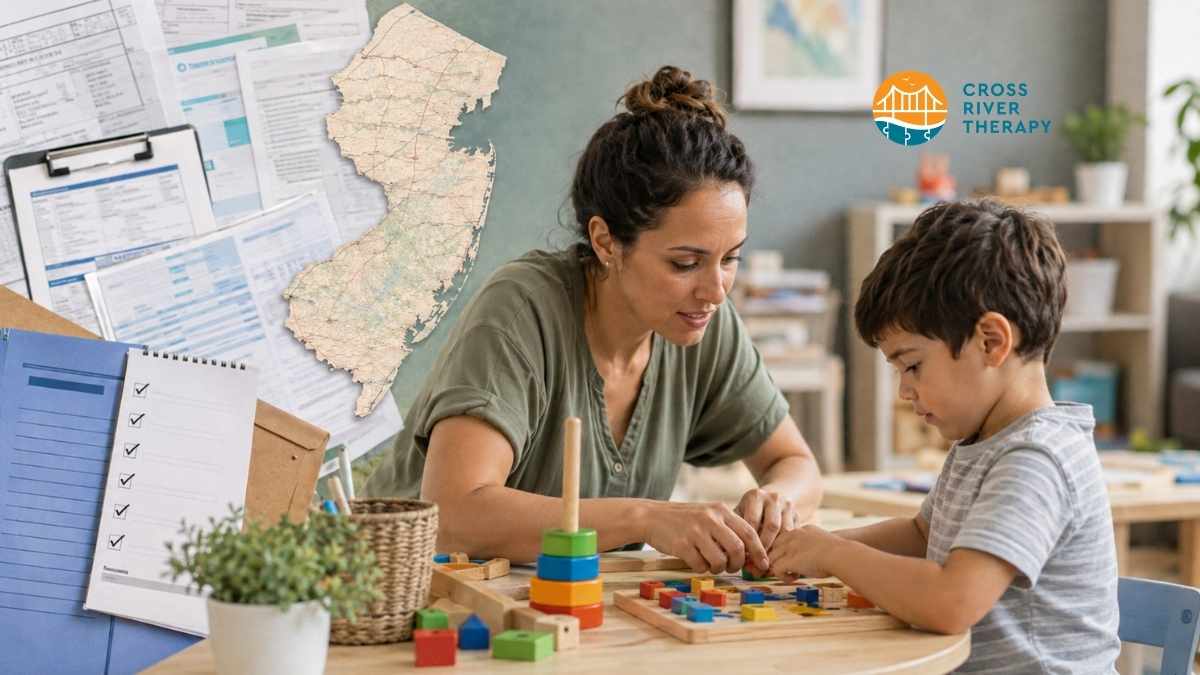
Does Insurance Cover ABA Therapy in New Jersey?
ABA therapy insurance in New Jersey varies by plan. Learn what NJ FamilyCare covers and how to check costs.

How ABA Therapy Builds Communication for Nonverbal Children Without Forcing Speech
ABA therapy communication for nonverbal children starts with AAC, signs, and daily routines. See how kids ask, refuse, choose, and get help.

How to Start ABA Therapy in New Jersey With a Checklist
Your guide explains how to start ABA therapy in New Jersey. A first-call checklist covers records and next steps.

How to Get an Autism Evaluation in Arkansas Before Starting ABA Therapy
How to get an autism evaluation in Arkansas starts with a referral, provider choice, and key records. Use this parent checklist before ABA intake.