








How Cross River Therapy Helps Families Navigate the Autism Diagnosis Process
Navigating Autism Diagnosis: Cross River Therapy's Support for Families


Understanding the Complex Journey of Autism Diagnosis
The journey of navigating an autism diagnosis can be fraught with both uncertainty and hope. For families, reaching an understanding and identifying the support systems post-diagnosis is crucial. Cross River Therapy steps into this vital process, providing families not only with clarity but also a comprehensive plan and strategies to handle the challenges associated with Autism Spectrum Disorders (ASD). This article explores how Cross River Therapy assists families through this transformative journey, the benefits of early diagnosis, and the various therapeutic interventions that play a role in supporting families.
Comprehensive Diagnostic Evaluations

Role of diagnostic evaluations in identifying ASD
Accurate diagnostic evaluations are the cornerstone for identifying autism spectrum disorders (ASDs). A well-conducted evaluation can help families understand a child’s unique behaviors, strengths, and challenges. This understanding is critical not only for the child’s development but also for easing family stress as they navigate the complexities of autism.
Cross River Therapy's evaluation process
Cross River Therapy plays a pivotal role in the autism diagnosis process. They conduct thorough, comprehensive diagnostic evaluations that are essential in identifying the presence of ASD. This process includes detailed assessments and observations to ensure a reliable diagnosis. Moreover, Cross River Therapy provides families with guidance on subsequent steps, including access to specific interventions such as Applied Behavior Analysis (ABA) therapy.
- Comprehensive diagnostic evaluations
- Tailored intervention plans based on evaluation outcomes
- Parent training and autism coaching
By facilitating these evaluations, Cross River Therapy prepares families to manage autism-related challenges effectively, and positions them to secure necessary insurance coverage for interventions.
Insurance and intervention linkage
Accessing timely and appropriate interventions often hinges on receiving a formal diagnosis of ASD. With an accurate diagnosis, families can unlock various support services, including eligibility for insurance coverage related to therapies like ABA. This linkage is crucial for enhancing long-term outcomes.
In essence, Cross River Therapy's focus on comprehensive evaluations not only assists in identifying ASD but also connects families with resources that improve their child's quality of life and familial relationships.
Feature Importance Provides Diagnostic evaluation Essential for identifying ASD Cross River Therapy supports families Tailored intervention plans Helps manage behavioral challenges Access to therapies such as ABA Insurance coverage Ensures families can afford necessary treatments Unlocks financial assistance options Parent training Empowers families to navigate autism Offers strategies for everyday challenges
Steps in Autism Diagnosis and Importance of Early Intervention

What are the steps involved in diagnosing autism, and how can early intervention support families?
The diagnosis of autism spectrum disorder (ASD) involves several crucial steps that begin with initial screenings. These screenings can be conducted by pediatricians during routine check-ups. If concerns about a child's development are raised, these screenings lead to comprehensive evaluations carried out by a team of specialists. This evaluation process not only includes observing the child’s behavior but also gathering a detailed developmental history from parents, which reflects on the child’s skills and challenges.
An early diagnosis is vital. When ASD is identified promptly, families gain early access to intervention programs that are integral in enhancing the child’s development. Research indicates that children who receive early therapeutic support, often beginning as young as 2 years old, have better long-term outcomes. These intervention services typically encompass a range of therapies such as speech therapy, physical therapy, and family training, all tailored to develop essential skills.
Parents are encouraged to seek evaluations through state Early Intervention programs for children under 3, and through local school districts for those aged 3 and older. This proactive approach allows families to access necessary resources that facilitate their child's growth and development. Moreover, establishing a support network and educating themselves about autism can significantly help families navigate the emotional and logistical challenges that come with an ASD diagnosis. This level of involvement not only supports the child but also strengthens familial bonds, providing parents with a sense of community and shared experiences.
Benefits of Receiving an Autism Diagnosis

What are the benefits of receiving an autism diagnosis?
Receiving an autism diagnosis offers clarity and direction for families navigating the intricacies of autism spectrum disorders (ASDs). Understanding a child’s unique challenges can significantly reduce confusion and frustration, providing families with a framework for how to manage and support their loved ones.
Access to tailored therapies
One significant benefit is the ability to access targeted therapies. Early intervention services, like Applied Behavior Analysis (ABA), can drastically improve functional skills and reduce symptoms when implemented promptly. Moreover, diagnosis often opens the door to insurance coverage for these crucial therapies, ensuring families can afford the care that best supports their child’s needs.
Education and legal protections
In terms of education, an autism diagnosis guarantees eligibility for services outlined in the Individuals with Disabilities Education Act (IDEA). This law requires schools to provide accommodations that ensure children receive the support necessary for academic success. Additionally, protections under the Americans with Disabilities Act (ADA) help secure reasonable adjustments in educational and employment settings, preventing discrimination and fostering an inclusive environment.
Enhancing family connections
A formal diagnosis further facilitates advocacy, enabling families to approach educational professionals with confidence. It also fosters connections to community resources and support networks, which can alleviate feelings of isolation. Consequently, understanding a child's condition improves personal relationships by managing expectations and promoting a supportive atmosphere within the home, ultimately enhancing the family's collective quality of life.
Benefits of Autism Diagnosis Explanation Clarity and direction Provides understanding of child's unique behaviors and strengthens family communication. Access to tailored therapies Links families to necessary early intervention services and insurance coverage for therapies like ABA. Educational and legal protections Guarantees eligibility for accommodations under IDEA and ADA, securing support necessary for academic success. Community and support connections Enables families to engage with support networks, reducing feelings of isolation and enhancing resource-sharing.
Understanding Applied Behavior Analysis (ABA) Therapy

Techniques and objectives of ABA
Applied Behavior Analysis (ABA) therapy is centered on employing behavior modification techniques to help children with autism develop essential skills and improve their social interactions. The therapy focuses on reinforcing positive behaviors, teaching new skills, and ultimately helping children adapt to various situations. Some strategies used in ABA include:
- Positive reinforcement: Encouraging desired behaviors through rewards.
- Prompting: Providing cues or hints to guide behavior.
- Task analysis: Breaking complex tasks into manageable steps.
- Modeling: Demonstrating behaviors for children to imitate.
Each child is assessed individually, and interventions are tailored to meet their unique needs and strengths.
Effectiveness of ABA for ASD
Numerous studies, including meta-analyses, have demonstrated that ABA can significantly benefit children with Autism Spectrum Disorder (ASD). While some research suggests its overall impact on reducing general symptoms may be limited, ABA has proven effective in areas such as:
- Communication skills
- Expressive language
- Social interactions
Through focused interventions, children can develop better behavioral patterns and engagement with their environment. Importantly, modern ABA approaches prioritize building on children's strengths rather than merely eliminating unwanted behaviors, making the therapy feel more dynamic and engaging.
Role of early interventions
Early intervention is crucial for children with ASD. An accurate diagnosis allows families access to ABA services, which contribute to better outcomes when started early. Benefits include:
- Improved functional skills
- Reduced symptom severity
- Enhanced communication abilities
Participation in ABA therapy sets the stage for children to thrive academically, socially, and emotionally, leading to a supportive environment that fosters growth and independence.
Aspect Key Benefits Impact on Families Techniques of ABA Positive reinforcement, prompting, task analysis Improved family dynamics through better communication Effectiveness for ASD Enhanced social skills and expressive language Increased confidence in managing child's behavior Early Intervention Role Access to services early on Reduced stress and anxiety for family members
Parental Involvement in Autism Diagnosis and Therapy
What role do parents play in autism therapy and diagnosis?
Parents play a multifaceted role in both the diagnosis and ongoing therapy of autism spectrum disorder (ASD). Their insights and observations are indispensable for achieving an accurate diagnosis. Parents typically notice developmental concerns first, which often drives them to seek professional help. In therapy settings, they prove vital in enhancing the generalization of skills learned, as frequent involvement increases the likelihood of reinforcing those skills in various environments.
Impact on treatment effectiveness
Research indicates that treatment outcomes improve markedly when parents are actively involved in their child's therapy. Their participation not only boosts the frequency of necessary interventions but also strengthens the therapist-parent dynamic, creating a more holistic approach to care. Families that engage in therapy together often witness positive changes in their children, translating into improved daily functioning and emotional well-being.
Strategies for effective parental involvement
To maximize the effectiveness of parental involvement, therapists can adopt several strategies:
- Education and Support: Provide parents with resources about ASD, therapy techniques, and ways to support their child at home.
- Communication: Foster open lines of communication between therapists and parents to discuss progress and challenges.
- Co-facilitation: Encourage parents to participate actively in sessions, allowing them to practice strategies in real-time.
- Tailored Approaches: Customize therapy to meet each family's unique needs, taking into account their history and the child's specific challenges.
These approaches can empower parents, transforming them into advocates and integral supporters in their child's journey, leading to a more cohesive therapeutic experience.
Exploring Family Therapy Interventions
Enhancing Communication and Coping Skills
Family therapy plays a crucial role in addressing the communication barriers and emotional strains that families face when navigating autism spectrum disorders (ASDs). Families with children affected by ASDs often experience significant stress, anxiety, and depression, which can severely impact their relationships. By creating a supportive space, family therapy fosters open dialogue among family members, enabling them to express their concerns and frustrations.
Therapists utilize various techniques to enhance interpersonal skills, leading to better understanding and coping strategies within the family unit. This is particularly important as effective communication can help in setting realistic expectations and managing behavior, thus improving overall family dynamics.
Creative Strategies in Family Therapy
Therapists employ a variety of creative strategies tailored to the unique needs of families dealing with ASDs. Techniques such as Applied Behavior Analysis (ABA) provide structured interventions that offer specific feedback and coping mechanisms for family members. Cognitive Behavioral Therapy (CBT) is also incorporated to help families reshape their thoughts and behaviors related to the challenges they face.
Additionally, Family Systems Therapy is instrumental in highlighting the interconnectedness of each family member’s role, allowing for collaborative problem-solving to enhance relationships and support.
Impact on Family Well-Being
The impact of family therapy on overall family well-being can be profound. Many families report enhanced emotional strength and improved self-efficacy after engaging in therapy. These benefits often persist long-term, leading to a more supportive and understanding family environment.
Furthermore, achieving a clearer understanding of the child's needs through therapeutic support can lead to greater involvement in education and community resources. For instance, families that are better equipped emotionally and communicatively can form stronger partnerships with educators and service providers, further benefiting their child’s development and the family’s overall quality of life.
Focus AreasTherapeutic StrategiesPotential Outcomes Enhancing communication Applied Behavior Analysis (ABA) Increased family cohesion and support Creative therapeutic methods Cognitive Behavioral Therapy (CBT) Improved emotional well-being Community and educational ties Family Systems Therapy Enhanced access to resources and support
Ultimately, while more rigorous studies are needed to validate these findings, family therapy remains a promising avenue for promoting well-being among families navigating the complexities of autism.
The Role of Early Intervention Services Post-Diagnosis
Availability of interventions post-diagnosis
Once a child receives an autism spectrum disorder (ASD) diagnosis, families gain access to life-changing early intervention services. These services, such as Applied Behavior Analysis (ABA), are instrumental in improving functional skills and reducing the severity of symptoms when initiated early. Furthermore, a formal diagnosis paves the way for families to explore various financial assistance options, including insurance coverage and governmental support like Social Security Supplemental Income (SSI).
Impact of early services on development
Early intervention leads to enhanced developmental outcomes by helping families understand their child's unique strengths and challenges. This knowledge allows family members to set realistic expectations and roles within the home, fostering a supportive environment. The connection between receiving early services and improved child outcomes is well documented, highlighting the importance of acting promptly following diagnosis.
Types of early intervention programs
Various early intervention programs are available for families navigating an ASD diagnosis. Some of the notable options include:
Type of ProgramDescriptionBenefitsApplied Behavior Analysis (ABA) A structured approach that promotes positive behaviors Reduces symptom severity and builds functional skills Speech Therapy Addresses communication difficulties Improves language skills and social interaction Occupational Therapy Focuses on daily living skills and sensory integration Enhances independence and daily function Play Therapy Utilizes play to promote social skills and emotional development Fosters creativity and engagement with peers
Accessing these early interventions not only mitigates the challenges associated with ASD but also enriches the familial and educational experience for everyone involved.
Navigating Educational Opportunities with an Autism Diagnosis
IDEA Services and Accommodations
An accurate autism diagnosis opens the door to vital educational services through the Individuals with Disabilities Education Act (IDEA). This act ensures that children with autism receive necessary accommodations, such as individualized education plans (IEPs), to support their unique learning needs. These resources are crucial for fostering better educational outcomes and enhancing adaptive skills in children with autism spectrum disorders (ASDs).
Impact of Diagnosis on Educational Advancements
Receiving a diagnosis of ASD is not just about labeling; it's a gateway to accessing essential early intervention services. Early interventions can significantly alter the trajectory of a child's development by improving functional skills and reducing symptom severity. Furthermore, these services can lead to better integration into mainstream education settings, enhancing overall educational experiences.
Family Involvement in Educational Settings
Family involvement plays a pivotal role in the educational progress of children with ASD. Studies indicate that effective parent-teacher relationships correlate strongly with better educational outcomes. Factors influencing this involvement include the child’s communication skills, hyperactivity, and family history of accessing services. Interestingly, satisfaction with early childhood services is a strong predictor of increased family engagement, highlighting the importance of supportive frameworks in educational settings.
Topic Description Importance IDEA Services Ensures children with ASD receive tailored IEPs and accommodations. Supports unique learning needs and improves outcomes. Impact of Early Diagnosis Leads to access to early intervention services crucial for development. Enhances integration into educational settings. Family Involvement Affects educational outcomes through strong parent-teacher relationships. Encourages collaboration for better support for children with ASD.
Access to Financial and Community Support Post-Diagnosis
Insurance coverage and financial assistance
One of the most significant benefits of receiving an autism spectrum disorder (ASD) diagnosis is the access it provides to various forms of financial assistance and insurance coverage for therapies. Many insurance plans offer coverage for targeted interventions, like Applied Behavior Analysis (ABA), which are crucial for enhancing functional skills and reducing symptoms when initiated early. Additionally, government programs such as Social Security Supplemental Income (SSI) can alleviate some financial burdens, making it easier for families to manage the costs associated with therapy and support services.
Community resources and support networks
Post-diagnosis, families gain access to a wealth of community resources and support networks. These networks play a vital role in helping families feel less isolated by connecting them to groups that share similar experiences. Such connections enhance the sharing of relevant resources and information about autism, which can be incredibly beneficial for families navigating the complexities of ASD. Local support groups and online forums foster a sense of community, providing much-needed emotional support and guidance.
Alleviating family isolation with support
Receiving an ASD diagnosis not only facilitates access to services but also significantly lessens feelings of isolation within families. Parents often report increased satisfaction when they can share their experiences with others going through similar challenges. With more informed community interactions, families develop a stronger support system that encourages open dialogue and resource sharing. This, in turn, fosters an environment that nurtures resilience, understanding, and improved relationships within the family unit, particularly during the stressful journey of managing autism-related challenges.
The Psychological Impact of Autism Diagnosis on Families
Stress, anxiety, and depression in families
Family members of individuals with autism spectrum disorders (ASDs) often face elevated levels of stress, anxiety, and depression. This emotional toll can significantly affect family dynamics, leading to strained relationships and diminished overall well-being. The pressures of understanding and managing the challenges associated with ASD can feel overwhelming, making it crucial for families to find effective ways to cope.
Family therapy as a supportive measure
Family therapy emerges as a valuable resource for these families. It provides a safe and supportive environment for open discussions about challenges, fostering enhanced communication and understanding. By participating in therapy, family members can develop new strategies for managing stress and responsibilities. This not only strengthens family relationships but also empowers members to work together amidst the difficulties of an ASD diagnosis.
Approaches to enhancing family resilience
Despite the potential benefits, rigorous research, particularly randomized controlled trials, is limited. There's a pressing need for more methodologically sound studies to evaluate the real impact of family therapy on families navigating the autism diagnosis process. Such research could illuminate how family therapy can help enhance resilience and create a supportive network that mitigates emotional distress.”
Empowering Families Through Tailored Strategies
Customized Family Plans by Cross River Therapy
Cross River Therapy focuses on creating tailored family plans that address the unique challenges faced by families dealing with autism spectrum disorders (ASDs). By offering personalized strategies, Cross River Therapy aims to enhance communication within the family, allowing members to better manage stress and emotional strain. These customized plans help families navigate their circumstances more effectively, providing tools that foster understanding and empathy.
Enhancing Overall Family Dynamics
Through family therapy, families can work collaboratively to address issues such as high rates of stress, anxiety, and depression. This cultivation of a supportive environment encourages open dialogue, where family members can share their experiences and feelings. By improving communication, families not only strengthen their bonds but also develop practical strategies for managing ASD-related responsibilities more effectively.
Long-Term Outcomes for Families
The long-term benefits of therapeutic interventions can be significant. Families that engage in tailored therapeutic approaches often experience reductions in stress and improved relationships, crucial for navigating the ups and downs of managing ASD. Furthermore, when families actively participate in educational settings—thanks to enhanced relationships with schools—they can better support their child’s learning journey, leading to more positive developmental outcomes.
Enhancing Communication Skills in Family Therapy
Skill-building for better family interaction
Family therapy plays a pivotal role in improving communication skills among families affected by autism spectrum disorders (ASDs). Through various techniques, families learn to express their feelings and concerns openly, which helps to diminish misunderstandings and promotes a more cohesive familial bond.
Therapists often facilitate discussions that allow each member to share their unique experiences, fostering a safe environment where emotions can be validated and acknowledged.
Benefits of improved communication
Enhanced communication not only relieves individual stress and anxiety but also contributes to overall family well-being. When family members engage in clear conversations, relationships improve, reducing potential conflicts rooted in misunderstanding. As families begin to understand each other's perspectives, they cultivate empathy, which is vital for maintaining supportive interactions, especially in stressful situations.
Tools and techniques for effective communication
Several tools can aid families in their communication journey. These include:
- Active Listening: Encouraging family members to listen attentively before responding, ensuring everyone feels heard.
- Expressive Language Exercises: Activities that promote vocabulary around emotions, helping individuals articulate their feelings.
- Role-Playing: Practicing scenarios that might arise, which can prepare families for real-life conversations.
By incorporating these techniques into therapy, families can transform their interactions, making way for a stronger support system as they navigate the complexities of living with ASD.
Challenges Faced During the Diagnosis Process
Overcoming Misconceptions About ASD
Families often navigate a landscape filled with misconceptions about autism spectrum disorders (ASDs). These misunderstandings can not only skew public perception but can also create barriers to obtaining the necessary support for their affected members. Educating themselves and others about the realities of ASD can help families combat stigma and foster a more supportive environment for the individual on the spectrum.
Confronting Emotional and Logistical Challenges
The diagnosis of ASD brings significant emotional upheaval. Family members may experience a range of feelings from anxiety to denial. These emotional responses can complicate the logistics of seeking help, such as scheduling evaluations or attending therapy sessions. The stress of managing daily routines while accommodating new challenges can lead to increased tension within the family.
Building Supportive Relationships
Effective communication is crucial for families dealing with ASD. Family therapy provides a venue where members can work on their relationships, enhancing understanding and empathy. This supportive space encourages open discussion of challenges, allowing families to develop strategies to cope with stressors. Involvement in community or social support networks can also alleviate feelings of isolation, providing families with shared resources and emotional support.
Challenge Description Solution Misconceptions Public and internal misunderstandings about ASD Education and awareness Emotional Strain Anxiety and tension due to diagnosis and changes in family dynamics Family therapy sessions Logistical Issues Difficulties in balancing daily routines with care responsibilities Support networks Relationship Struggles Challenges in family communication leading to feelings of disconnect Open discussions during therapy
By addressing these challenges proactively, families can foster a better understanding and improve their overall well-being.
Financial Navigations: Insurance and Autism Therapy
Insurance Coverage for ABA and Other Therapies
Access to therapy for individuals diagnosed with autism, such as Applied Behavior Analysis (ABA), is often facilitated through insurance coverage. Many health plans are now mandated to cover services considered medically necessary for ASD, particularly early interventions, which are crucial for developing essential skills and improving outcomes. However, families should carefully review their insurance policies, as coverage can vary widely.
Navigating the Financial Aspects Post-Diagnosis
After receiving an autism diagnosis, families often experience a shift in their financial landscape. Parents should be proactive in exploring their plans for necessary therapy services, including the associated costs and any co-pays. Creating a budget that incorporates therapy expenses, travel, and potential loss of income due to caregiving responsibilities is advisable to alleviate financial strain.
Governmental Support Options for Families
Government programs can provide additional financial support for families dealing with autism. Social Security Supplemental Income (SSI) is available for eligible individuals and can help alleviate some financial burdens. Moreover, families may qualify for state-driven financial assistance, which may also cover special educational needs as dictated by the Individuals with Disabilities Education Act (IDEA). It’s important for families to connect with local resources to uncover the full range of financial support options available.
Autism Diagnosis: A Journey of Discovery and Support
Understanding child behaviors through diagnosis
An accurate diagnosis of autism spectrum disorders (ASDs) aids families in making sense of their child's behaviors. It provides insight into the unique challenges and strengths that each child presents. This understanding helps families navigate the complexities of raising a child with ASD, thereby improving communication and relationships within the family unit.
Strengths and challenges recognition
The journey of diagnosis brings both challenges and opportunities. Families often experience heightened stress, anxiety, and depressive symptoms when caring for a loved one with ASD. However, receiving a formal diagnosis opens up access to life-changing early intervention services, including targeted therapies like Applied Behavior Analysis (ABA). Such interventions can lead to improved functional skills and reduced symptom severity, which are crucial for better outcomes in the long run.
Transformative potential of accurate diagnosis
An autism diagnosis not only facilitates access to educational benefits, such as services under the Individuals with Disabilities Education Act (IDEA) but also provides pathways to financial assistance through insurance and governmental support. Furthermore, this diagnosis fosters community involvement and social support, helping families feel less isolated. It underscores the importance of family educational involvement and enhances parent-teacher relationships, both of which significantly influence outcomes for students with ASD.
Individualized Support Plans for Children with ASD
Crafting tailored interventions
Creating effective support plans for children with Autism Spectrum Disorder (ASD) begins with understanding that each child is unique. Family therapy can play an important role in this process by helping families communicate their child's specific needs and strengths.
Therapists can utilize feedback from family members to craft interventions that are tailored to fit the child's specific behavioral traits and developmental goals. This collaboration ensures that the child receives the most appropriate and effective support strategies from an early diagnosis onward.
Role of assessments in treatment planning
Comprehensive assessments are crucial in developing individualized support plans. These evaluations provide essential insights into a child's communication skills, behavioral challenges, and social interactions. Based on these assessments, professionals can make informed decisions about therapy types such as Applied Behavior Analysis (ABA) and other interventions.
Furthermore, ongoing assessments allow for the modification of strategies, adapting to the child's evolving needs as they grow, thereby fostering their learning and development effectively.
Building child-centric supports
Families who actively engage with their child's educational framework tend to see better outcomes. Involving parents in the development of support plans facilitates a better understanding of their child's unique requirements. By fostering parent-teacher relationships, family members become more adept at managing their children's educational challenges, ultimately benefiting the child’s adaptive skills.
Furthermore, this collaborative effort minimizes feelings of isolation for families and enhances their overall well-being, as they gain access to community resources and establish a more supportive environment.
Navigating Family-Teacher Dynamics in Autism
Importance of Family and Teacher Relationships
Establishing strong relationships between families and teachers is crucial for the success of students with autism spectrum disorders (ASD). A supportive partnership can lead to a clearer understanding of a child’s unique strengths and challenges, fostering an environment conducive to learning. When families feel connected and engaged with educators, it enhances their ability to advocate for their child’s needs.
Impact of Parental Involvement on Educational Outcome
Parental involvement in educational settings significantly influences the outcomes for children with ASD. Research indicates that families with a history of accessing services for their child are more likely to engage with teachers proactively. This engagement can lead to better educational strategies being employed, directly impacting functional skills and symptom management.
Building Effective Communication Channels
To foster effective family-teacher dynamics, creating open lines of communication is essential. Regular meetings, consistent updates, and clear feedback mechanisms can bridge gaps between home and school. Additionally, when families understand the importance of their role, aligning their expectations with those of educators can lead to a more supportive learning environment.
Aspect Importance Impact on Child Outcome Family-Teacher Relationships Foster understanding & collaboration Improved learning outcomes & skill development Parental Involvement Enhances advocacy efforts Positive academic and social interactions Communication Channels Establishes trust & transparency Greater educational success and well-being
Acceptance and Understanding post Autism Diagnosis
Fostering self-acceptance through diagnosis
Receiving an autism diagnosis often serves as a crucial turning point for families. It allows family members to understand their loved one's behaviors better, leading to improved self-acceptance and validation. Families can begin to embrace their unique situation with a stronger foundation, creating space for compassion and empathy.
Explaining past challenges through a new lens
A clear diagnosis of autism enables families to reflect on previous struggles in a new light. Behaviors that may have been misinterpreted can now be understood as part of ASD, fostering a deeper connection among family members. This perspective shift aids in alleviating some of the frustration and uncertainty that families often experience.
Embracing new roles and responsibilities
With an autism diagnosis, families often find themselves navigating new responsibilities and roles. This may include ensuring access to appropriate therapies and educational resources, such as special accommodations mandated by the Individuals with Disabilities Education Act (IDEA). Families can also seek financial assistance and community support, which can foster a sense of belonging and shared experience.
By adopting these changes, families can enhance their communication and coping strategies. It encourages proactive involvement in educational settings and a stronger partnership with teachers, ultimately improving outcomes for individuals with autism and their families.
Cross River Therapy's Holistic Approach to Autism
Integration of health, educational, and social support
Cross River Therapy recognizes that autism spectrum disorders (ASDs) affect not only the individuals diagnosed but also their families, necessitating an integrated approach. By combining health, education, and social support services, Cross River creates a tailored environment for families. This integration facilitates effective communication and coping skills, essential for families adapting to the unique challenges posed by autism.
Comprehensive solutions to complex diagnoses
Understanding autism requires a multifaceted approach. Families often find themselves navigating various services and therapies. Cross River Therapy emphasizes the importance of early diagnosis which opens up access to vital early intervention services, including Applied Behavior Analysis (ABA) that can enhance life skills and improve functional outcomes. Through structured interventions, families gain insight into their loved one's behaviors, promoting better overall well-being.
Beyond the diagnosis: ongoing family support
Family therapy offered at Cross River serves as a vital resource for addressing familial stress and enhancing supportive dynamics. By creating a nurturing space for dialogue, families can share their experiences and concerns, crucial for building resilience. Research indicates that ongoing support can significantly improve parent-teacher relationships and involvement in educational settings, ultimately benefiting children’s learning outcomes and emotional health.
The Importance of Community and Social Connectivity
Building a community support system
Community support plays a crucial role for families managing the complexities of autism spectrum disorders (ASDs). Establishing a network helps families feel less isolated and provides a platform for sharing experiences, resources, and strategies. Support groups and community organizations can connect families with others facing similar challenges, creating a sense of belonging and shared understanding.
Utilizing social networks in therapy
Social networks not only offer emotional support but also serve as a valuable resource in family therapy. These networks can enhance therapy by fostering better communication and providing additional perspectives. Family members can engage with others who have firsthand experience with ASDs, gaining insights that can inform their coping strategies and improve their relational dynamics.
Connecting families to resources
Having access to resources is vital for families navigating autism diagnosis and treatment. Community organizations can provide information about therapy options, educational accommodations under the Individuals with Disabilities Education Act (IDEA), and financial aid programs like Social Security Supplemental Income (SSI). These resources enable families to take actionable steps towards improving their child's outcomes while also addressing their emotional and practical needs.
Resource Type Description Benefits Support Groups Gatherings for families to share experiences Decreased feelings of isolation Educational Workshops Sessions to educate about ASD and coping Improved understanding and skills Financial Assistance Programs Government and insurance support for therapies Better access to necessary treatments
Building a strong community not only nurtures families but also enriches the therapeutic process, ultimately leading to better outcomes for individuals with ASD.
Evaluating Therapy Options Beyond ABA
Comparing CBT, ABA, and Other Interventions
When considering therapy options for individuals with autism spectrum disorders (ASDs), it's essential to evaluate various interventions. Applied Behavior Analysis (ABA) is often the most popular due to its structured approach to improving functional skills and reducing problem behaviors. However, other therapies like Cognitive Behavioral Therapy (CBT) and family therapy also hold significant value.
CBT focuses on modifying negative thoughts and behaviors, making it effective for anxiety and depression, which can frequently accompany ASD. Family therapy, on the other hand, fosters open communication and can offer a supportive environment for addressing family dynamics impacted by a child's diagnosis.
Multi-disciplinary Approach in Autism Therapy
A multi-disciplinary approach often yields the best outcomes. Combining therapies such as ABA and CBT with family therapy can address the diverse needs of an individual with ASD. Involving psychologists, educators, and speech therapists provides a more holistic view of the child’s development and equips families with varied strategies for support.
Choosing the Right Therapy for Your Child
Selecting the right therapy for your child is a critical decision. Consider your child's specific needs, such as communication skills and behavioral challenges, as well as family dynamics. Families should actively engage in discussions with therapists to identify the best fit. It’s also important to stay informed about the latest research, particularly studies exploring the effectiveness of various therapies and integrating family involvement strategies.
Therapy Type Target Focus Family Impact ABA Behavior Modification Enhances parent skills in managing behaviors CBT Cognitive Strategies Improves family communication and understanding Family Therapy Relational Dynamics Fosters family cohesion and open dialogue
By considering these elements, families can better navigate the complexities of autism treatment options.
Developing Resilience in the Face of Autism Challenges
Coping Mechanisms for Families
Families dealing with autism spectrum disorders (ASDs) often face significant stress, anxiety, and depression. To cope effectively, families can adopt several strategies, including:
- Open Communication: Regular discussions within the family about challenges and feelings can enhance understanding and lessen feelings of isolation.
- Support Networks: Connecting with other families or organizations that support those affected by ASD can provide emotional support and practical advice.
- Mindfulness Practices: Techniques such as breathing exercises, meditation, or yoga can help family members manage stress more effectively.
Building Resilience Through Support and Education
A comprehensive understanding of ASD can empower families to navigate associated challenges. Key elements of building resilience include:
- Education: Access to information about autism helps families recognize the child’s unique strengths and challenges, fostering a supportive environment.
- Early Intervention Services: Engaging in early therapies can lead to improved outcomes for children, providing families with tools to adapt to changing needs.
- Community Resources: From educational assistance to financial support programs, knowing what’s available can reduce feelings of helplessness.
Role of Therapy in Enhancing Resilience
Family therapy creates a space for families to discuss their challenges openly. It enhances resilience by:
- Improving Communication: Therapy facilitates better interactions between family members, allowing for more effective management of stress.
- Developing Coping Strategies: Families learn techniques to address specific challenges related to caring for someone with ASD.
- Promoting Understanding: Therapy encourages a deeper understanding of how ASD affects the family dynamic, enabling families to foster a more supportive environment.
Ultimately, a combination of education, support, and therapeutic interventions can help strengthen family resilience in the face of autism challenges.
Emotional Well-being and Autism Therapy
Efficacy of Therapy in Improving Emotional Health
Family therapy plays a crucial role in enhancing the emotional well-being of families affected by autism spectrum disorders (ASDs). This type of therapy encourages families to communicate effectively about their challenges and fosters healthier relationships. While studies indicate potential benefits of family therapy in improving communication and coping strategies, there remains a notable gap in rigorous research supporting these claims, especially in the form of randomized controlled trials (RCTs).
Parental Emotional Challenges
Parents of children with ASD often face heightened levels of stress, anxiety, and depression. These emotional burdens can lead to strained family dynamics and affect overall well-being. Addressing these feelings through therapy can help families process their experiences and develop resilience. An accurate diagnosis can serve as a gateway to understanding a child's unique challenges, laying the groundwork for better emotional support.
Supporting Emotional Well-being Through Family Therapy
Family therapy provides a structured environment for family members to share their feelings openly. This supportive space helps families address responsibilities and stressors associated with caring for someone with ASD. Additionally, it cultivates a sense of community and social support, mitigating feelings of isolation. By setting realistic expectations and enhancing communication within the family, therapy strengthens emotional bonds and improves overall family function.
Emotional Benefits Therapeutic Strategies Family Dynamics Enhanced communication Open discussions Improved relationships Reduced anxiety Coping strategies Support system reinforcement Increased understanding Shared resources Stress management
Insights into Effective Family Therapy Dynamics
Understanding family dynamics in therapeutic settings
Family therapy offers a supportive environment where families affected by autism spectrum disorders (ASDs) can collaboratively address their challenges. This therapeutic approach encourages open discussion among family members, helping them better understand one another's experiences. For instance, therapists often facilitate conversations that illuminate individual stress factors and communication barriers, making it easier for families to navigate their unique situations.
Impact on family relationships and growth
The emotional toll of dealing with ASD can lead to stress, anxiety, and depression within the family. Family therapy aims to mitigate these issues by fostering healthier communication and stronger interpersonal bonds. Evidence suggests that enhancing these relationships cultivates a supportive atmosphere, leading to improved personal interactions and overall family well-being. Families report noticeable benefits, such as better collaboration when seeking educational and therapeutic services for their children due to enhanced communication.
Case studies in successful family therapy
While rigorous research on family therapy’s effectiveness is limited, anecdotal evidence and case studies showcase successful outcomes. Families participating in therapy often see improvements in their coping strategies and personal relationships. One case involved a family that used tailored communication techniques to discuss their child's needs, which significantly enhanced their involvement in educational settings, resulting in collaborative strategies with teachers. These dynamics illustrate how therapy can translate into actionable benefits for the family unit and the individual with ASD.
Aspect Importance Example/Outcome Family Dynamics Understanding roles and stressors Improved communication among members Relationship Enhancement Stronger bonds and trust within family Increased support in coping with ASD challenges Access to Resources Facilitating collaboration with educational systems Better engagement with teachers and service providers
Preparation and Guidance for the Autism Diagnosis Process
Preparing Mentally and Logistically for Diagnosis
Navigating the autism diagnosis process can be a challenging experience for families. It’s essential to prepare mentally and logistically. Consider talking to other families who have gone through similar experiences to alleviate anxiety. Gather questions and concerns for your healthcare provider to ensure no detail is overlooked during the assessment.
Logistical aspects include organizing medical records and educational histories. Creating an organized file containing your child's developmental milestones and any behavioral concerns can facilitate a smoother diagnosis process.
Guidance Offered by Cross River Therapy
Cross River Therapy provides valuable resources for families preparing for an autism diagnosis. They offer counseling that helps families process their feelings and expectations. This type of support can be vital in preparing for the potential emotional impact, guiding families on how to communicate openly with each other and their healthcare professionals.
Therapists also teach coping strategies that improve family dynamics and enable family members to express their challenges more effectively. This preparation sets the stage for a supportive environment.
Educational Resources for Families
Access to proper educational resources is critical after the diagnosis. Families can benefit from information on the rights and services available under the Individuals with Disabilities Education Act (IDEA), ensuring they advocate effectively for their child’s needs.
Workshops and community programs can help families connect and share experiences, fostering a sense of belonging and reducing feelings of isolation. Educational engagements are instrumental in shaping a supportive foundation for learning and development.
Sustained Family Support Post-Diagnosis
Long-term support from Cross River Therapy
Cross River Therapy offers tailored programs aimed at sustaining family support after a child's autism diagnosis. Their family-centered approach ensures that all family members can access therapy to cope with the unique challenges brought on by ASDs. Through ongoing counseling sessions, families learn effective communication strategies that help them navigate their new realities together.
Maintaining progress after initial interventions
Initial interventions for autism can set the stage for significant improvement. However, maintaining this progress requires consistent support. Families are encouraged to continually engage with therapists and support groups. Seasonal workshops and family therapy sessions can help reinforce skills learned and provide fresh strategies to tackle emerging challenges.
Building enduring support networks
Creating a reliable network is essential for families of children with autism. Engaging with local community programs and online forums fosters connections with other families who share similar experiences. These networks not only provide emotional support but also offer resources for education, financial assistance, and community engagement. Families can exchange invaluable information about interventions, behavior management, and educational accommodations, reducing feelings of isolation and enhancing their overall well-being.
Reflecting on the Autism Diagnosis Journey
Lessons learned along the way
The journey toward an autism diagnosis can be challenging and complex for families. One important lesson many families learn is the value of early intervention. Access to life-changing services quickly after diagnosis can significantly enhance adaptive skills and improve overall outcomes for children with autism spectrum disorder (ASD). Furthermore, an accurate diagnosis equips families with the necessary tools to understand their child's unique challenges and strengths, allowing them to navigate unfamiliar territory with greater confidence.
Family reflections and growth
Many families report a significant enhancement in their relationships following the discovery of their child's diagnosis. Family therapy provides a supportive space to openly discuss challenges, fostering understanding and communication within the family. As families share their experiences, they often identify common stressors and develop coping strategies. For example, enhanced communication leads to better management of expectations around behavior and interaction, creating a more supportive environment for their loved ones with ASD.
Looking toward the future
Moving forward, families express hope for collaboration with educational systems, especially in fostering parent-teacher relationships that positively impact their children's outcomes. Active family involvement in their children’s education can create a bridge toward accessing valuable resources and services. Ultimately, reflecting on their journey paves the way for a more community-driven approach, reducing feelings of isolation as families share resources and support networks that empower them and their children.
Continuing the Journey with Support and Hope
Cross River Therapy stands as a beacon of guidance and support for families navigating the complex process of an autism diagnosis. With a focus on personalized interventions, comprehensive evaluations, and ongoing family support, they help families build a foundation of understanding and growth. Through early intervention and community engagement, Cross River Therapy ensures that families are not alone on this journey, promising improved outcomes and a better quality of life for children with autism and their families. As families move forward, the insights and strategies gained become invaluable resources, lighting the path ahead with hope and possibility.
References
- Family therapy for autism spectrum disorders - PMC - PubMed Central
- 8 Crucial Benefits of an Autism Diagnosis - Blue ABA
- Family Involvement and Parent-Teacher Relationships for Students ...
- Efficacy of Interventions Based on Applied Behavior Analysis for ...
- The effectiveness of applied behavior analytic interventions for ...
- The Controversy Around ABA - Child Mind Institute
- The effectiveness of applied behavior analysis program training on ...
- Debunking 7 Common Myths About ABA Therapy - GSEP Blog
- Should I pursue an autism diagnosis as an adult?
- Deciding whether to seek an autism assessment
Recent News
Related articles

6 Arkansas Medicaid ABA Therapy Rules Families Need to Know
Arkansas Medicaid ABA therapy has age, diagnosis and approval rules. Families can check six requirements before care.

Arizona Autism Laws for ABA Coverage and School Rights
Arizona autism laws for ABA coverage vary by plan. Families can check insurance, appeal options, and school rights.

ABA Therapist Salary in Arkansas for RBTs and BCBAs
Compare ABA therapist salary in Arkansas by role. See how paid hours and benefits affect earnings before applying.

5 Autism Support Groups and Family Resources in New Mexico
Autism support groups in New Mexico connect families. Local resources offer events, parent support, and school help.

Where to Get an Autism Evaluation in New Mexico
Autism evaluation options in New Mexico include UNM and NMSU. Age and referral details help parents prepare.

7 North Carolina Autism Resources to Contact Before ABA Therapy Starts
Autism resources North Carolina families can call for diagnosis, early intervention, rights, and parent support. Start ABA intake with Cross River.

Does Indiana Medicaid Cover ABA Therapy? A Parent Checklist
Indiana Medicaid ABA therapy may cover care for eligible children. The checklist covers coaching and renewals.
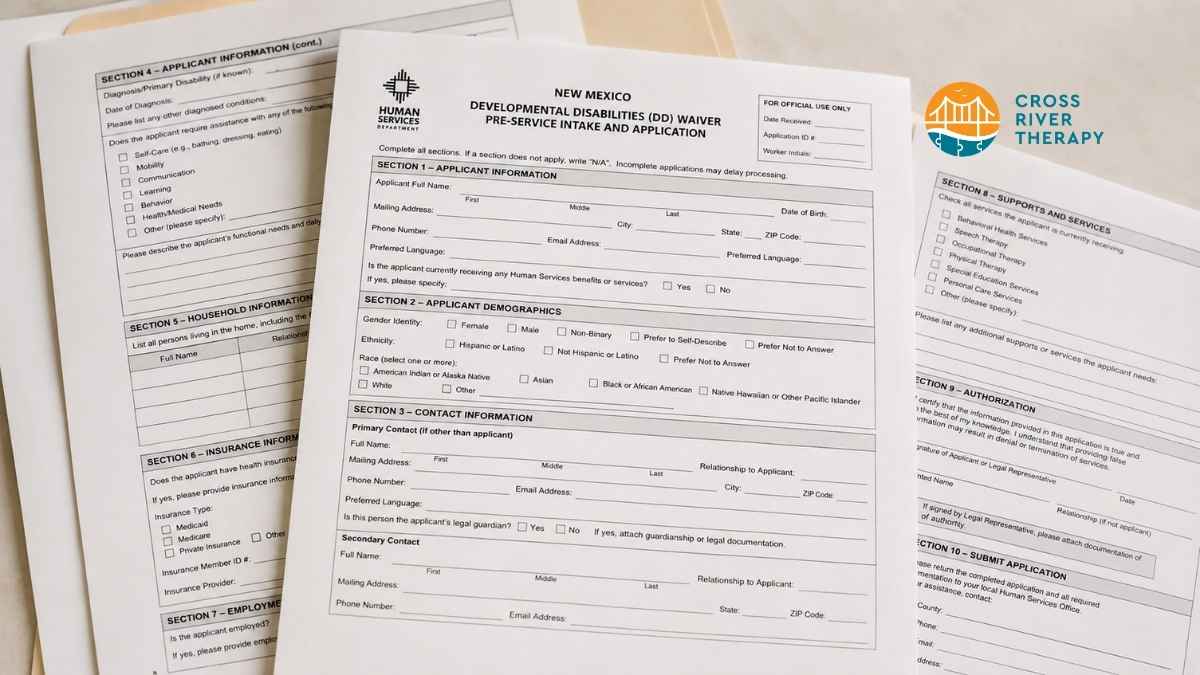
How to Apply for the New Mexico DD Waiver
Your NM DD waiver application starts with state intake. The steps cover records, submission, and enrollment.

Does Insurance Cover ABA Therapy in New Jersey?
ABA therapy insurance in New Jersey varies by plan. Learn what NJ FamilyCare covers and how to check costs.

How ABA Therapy Builds Communication for Nonverbal Children Without Forcing Speech
ABA therapy communication for nonverbal children starts with AAC, signs, and daily routines. See how kids ask, refuse, choose, and get help.

How to Start ABA Therapy in New Jersey With a Checklist
Your guide explains how to start ABA therapy in New Jersey. A first-call checklist covers records and next steps.

How to Get an Autism Evaluation in Arkansas Before Starting ABA Therapy
How to get an autism evaluation in Arkansas starts with a referral, provider choice, and key records. Use this parent checklist before ABA intake.