








How renewable energy helps autism households
Harnessing Clean Energy for Better Living in Autism Households

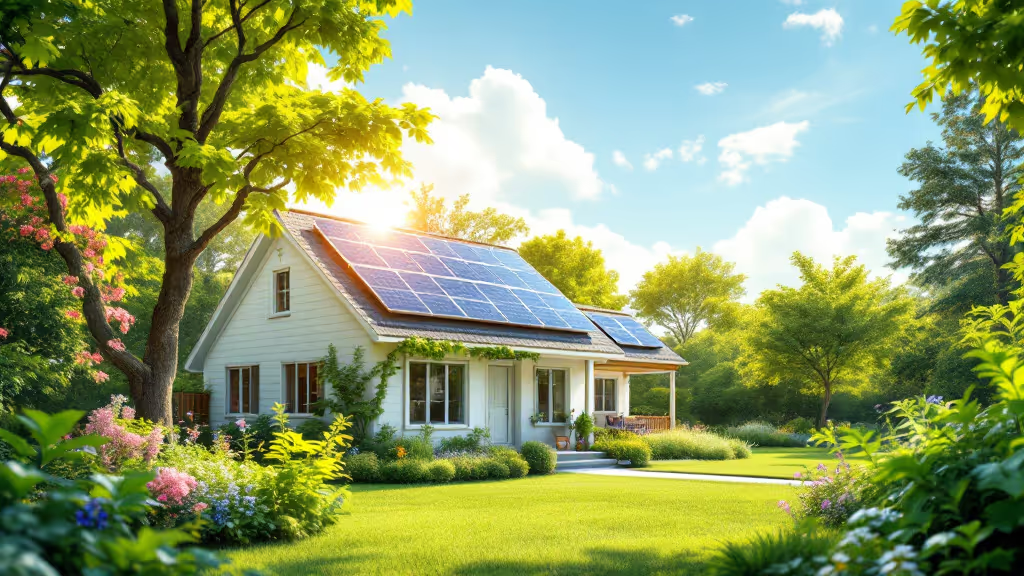
Exploring the Intersection of Renewable Energy and Autism Support
The integration of renewable energy into homes presents a unique opportunity to improve the quality of life for families with autistic members. Not only does it provide environmental benefits, but it also addresses specific needs related to sensory sensitivities and financial stress. This narrative explores how clean energy solutions can play a pivotal role in creating supportive, efficient, and healthy living spaces for autism households.
Understanding Renewable Energy and Its Role in Sustainability
What is renewable energy?
Renewable energy refers to energy generated from resources that are naturally replenished, such as wind, water, and sunlight. Often called "clean energy" or "green power," it is environmentally friendly because it does not produce air or water pollution.
How does intermittency affect renewable sources?
The intermittent nature of sources like wind and solar energy presents challenges, as they cannot always provide a constant energy supply. Innovations such as energy storage solutions like giant batteries are being implemented to help balance supply and demand. For example, a wind turbine can power up to 1,500 homes for a year, illustrating the efficiency of wind energy despite its variability.
Why is renewable energy important for sustainability?
Renewable energy not only encompasses solar and hydro power but plays a crucial role in global sustainability efforts. By reducing carbon emissions and improving air quality, it contributes to healthier communities. Moreover, transitioning to renewable sources can stimulate economic growth by creating jobs in the green energy sector. This is particularly beneficial for families with autism, who often face heightened sensitivities to environmental factors.
Summary of Topics
Adopting renewable energy can significantly impact financial management, allowing families to redirect funds toward essential resources like therapy and education, enhancing overall community well-being.
Clean Energy's Impact on Health and Well-being in Autism Households
Reducing Sensory Overload
Transitioning to renewable energy sources such as solar and wind can have a profound impact on the living conditions for families with members on the autism spectrum. These clean energy solutions contribute to quieter environments, which are crucial for individuals sensitive to sound. Noise reduction not only enhances comfort but also lowers the likelihood of sensory overload.
Moreover, renewable energy installations can incorporate smart technologies, allowing families to customize lighting and temperature levels. Such adjustments can significantly enhance the comfort of living spaces, minimizing disruptions caused by fluctuations in environmental conditions.
Health Benefits from Improved Air Quality
The health benefits associated with renewable energy extend beyond just comfort; they also address significant health challenges. Cleaner air generated from renewable sources can markedly improve respiratory health for all family members, particularly those with autism, who may be more vulnerable to environmental pollution. Improved air quality can lead to a range of positive outcomes, promoting better cognitive function and general well-being for individuals on the autism spectrum.
In essence, the transition to clean energy helps mitigate the emotional and physical stressors associated with living in energy-inefficient homes. The combination of financial savings and enhanced health outcomes underscores the importance of sustainable energy solutions in fostering supportive environments for autism households.
Common Renewable Energy Sources for Households
Which renewable energy sources are commonly used by households?
Households commonly utilize several renewable energy sources to meet their energy needs.
- Solar Energy:
- Solar energy is a predominant choice, providing electricity through photovoltaic panels.
- It can also heat water and spaces via solar thermal systems, making it highly versatile.
- Wind Energy:
- In areas with suitable wind conditions, individuals can harness wind energy through small wind turbines.
- This source is particularly effective for homes located in open and breezy landscapes.
- Geothermal Energy:
- Geothermal systems utilize stable underground temperatures for heating and cooling purposes.
- They significantly enhance energy efficiency in homes by regulating indoor climates.
- Bioenergy:
- This energy is derived from organic materials.
- It can be used for heating and converted into biogas for cooking or electricity generation, providing a sustainable option for households.
Each of these renewable energy sources offers unique benefits, contributing to lower utility bills and a smaller carbon footprint, thus enhancing the comfort and sustainability of homes while supporting families, especially those managing caregiving for individuals with autism.
Renewable Energy Options for Homeowners
What renewable energy options do homeowners have?
Homeowners looking to adopt renewable energy have various options to explore. Key alternatives include:
- Solar Photovoltaic (PV) Systems: These systems utilize solar panels to convert sunlight directly into electricity, potentially satisfying all or part of a home's energy needs.
- Solar Water Heaters: These systems harness solar energy to heat water, often paired with a backup system for cloudy days, ensuring hot water availability year-round.
- Small Wind Energy Systems: Wind turbines can generate electricity from wind, suitable for areas with sufficient wind resources.
- Geothermal Heat Pumps: These systems leverage the stable temperatures underground for heating and cooling, often achieving efficiencies two to three times greater than conventional air-source heat pumps.
Additionally, homeowners can implement energy-efficient improvements to further reduce their utility bills before the installation of renewable systems. Many states provide the opportunity to sell excess energy back to the grid through net metering, enhancing cost savings.
Economic incentives for transitioning to renewable energy
Various economic incentives can make transitioning to renewable energy more manageable:
- Federal Solar Tax Credits: Substantially reduce the upfront costs of installing solar panels, making clean energy more accessible.
- State Incentives: Many states offer localized rebates or incentives for renewable technology installation, helping to offset costs.
- Programs for Energy Efficiency Improvements: Initiatives like the ECO4 and Boiler Upgrade schemes assist families in enhancing home energy efficiency, thereby lowering energy consumption and utility bills.
By examining these options and taking advantage of available incentives, homeowners can significantly enhance their financial wellbeing while contributing to a more sustainable future.
Creating Sensory-Friendly Environments with Clean Energy
What are some practical strategies for creating energy-efficient and sensory-friendly environments for individuals with autism?
Creating energy-efficient and sensory-friendly environments for individuals with autism involves several practical strategies.
- Smart Home Technologies: Smart thermostats enable customizable temperature control, crucial for sensitivity to temperature fluctuations. Automated lighting systems can help in managing brightness levels, accommodating individual preferences for visual comfort.
- LED Lighting: Switching to LED light fixtures reduces energy consumption by approximately 75% and offers options for adjustable brightness and color. This flexibility allows families to create softer lighting atmospheres conducive to comfort.
- Quiet Appliances: Selecting sound-minimizing appliances helps maintain a peaceful setting, essential for individuals with sensory sensitivities. Look for energy-efficient models that are specifically designed to operate quietly.
- Sound-Absorbing Materials: Incorporating materials like acoustic panels or rugs can significantly dampen disruptive sounds, enhancing overall tranquility.
- Comfortable and Calming Spaces: Designate areas with comfortable seating, calming colors, and engaging activities to support emotional regulation and comfort. Including sensory play items can provide additional engagement for individuals needing stimulation.
By implementing these strategies, families can create environments that not only promote energy efficiency but also enhance quality of life for individuals on the autism spectrum.
Financial Assistance and Cost-Saving Efforts for Autism Families
What are the possibilities for financial assistance and energy cost savings for families with autism?
Families with autism can take advantage of various financial assistance options that significantly ease their financial burdens. Key programs include:
- Government Programs:
- Supplemental Security Income (SSI): Provides targeted income support for families.
- Medicaid: Covers medical expenses, ensuring necessary healthcare access.
- Nonprofit Resources:
- Organizations like Autism Speaks and the Autism Society offer financial aid, helping families meet therapy, educational, and medical costs.
In addition to healthcare support, energy cost savings can be achieved through several initiatives:
- Low-Income Home Energy Assistance Program (LIHEAP): Helps eligible families pay for heating and cooling expenditures.
- Weatherization Assistance Program (WAP): Provides upgrades to homes, improving energy efficiency and lowering utility costs.
Families can also benefit from federal tax credits for renewable energy efforts, reducing the cost of solar panels and energy-efficient appliances. By leveraging these resources and financial programs, families can see a considerable reduction in the financial stress associated with caring for an individual with autism, potentially saving hundreds or even thousands of dollars annually.
Innovative Technologies Supporting Neurodiverse Communities
The role of technology in autism support
Innovative technologies play a vital role in improving the quality of life for individuals with autism. Smart home systems incorporate energy-efficient features, such as adjustable LED lighting and smart thermostats. These technologies enable families to customize their living environments, reducing sensory overload through controlled brightness and stable temperatures. Moreover, assistive apps enhance communication capabilities, offering visual schedules and routine planning that promote independence.
Community development and job opportunities
Adopting renewable energy sources not only benefits families but also drives community growth. Job creation in the green energy sector equips individuals with essential skills for entering a workforce that prioritizes sustainability. Community colleges are pivotal, providing training programs that focus on renewable technologies, thereby enabling neurodiverse individuals to contribute meaningfully. Promoting clean energy initiatives aligns community needs with the aspirations of families affected by autism, fostering supportive spaces where both the economy and the environment can thrive.
Case Studies: Successful Energy Integration in Autism Homes
Real-world examples and outcomes
Numerous families with autistic members have transitioned to renewable energy sources like solar and wind power, experiencing significant benefits. One noteworthy example is a family who adopted solar panels, leading to a decrease in their monthly utility bills by approximately $150. This financial relief allowed them to redirect funds towards essential autism therapies, thus improving their child’s quality of life.
Similarly, Hackensack University Medical Center implemented an energy conservation initiative expected to save about $1.06 million annually through a combination of solar installations and energy-efficient upgrades. This transformation not only supports their operational costs but also sets a precedent for cleaner environments benefiting neurodiverse individuals.
Lessons from successful implementations
These cases highlight crucial lessons, including the importance of financial assistance programs that help families cover installation costs. Government incentives, such as federal solar tax credits and local energy efficiency programs, have proven instrumental in facilitating the transition.
Furthermore, involving community organizations to educate families about energy-saving practices has emerged as a key element of success. Awareness campaigns have shown that increasing knowledge of renewable energy can lead to higher adoption rates, ultimately creating more sustainable and inclusive living environments for families dealing with autism.
Navigating Government Support and Resources
Government initiatives supporting clean energy in autism homes
Families managing the challenges of autism can benefit significantly from various government initiatives designed to support clean energy adoption. Programs like ECO4, Great British Insulation, and the Boiler Upgrade Scheme provide financial incentives for families looking to implement renewable energy solutions such as solar panels and heat pumps.
In addition to these specific programs, many states offer federal solar tax credits alongside state incentives that can considerably lower the upfront costs of renewable energy installations. For households facing increased living costs due to autism-related care, these initiatives can be a game-changer.
Moreover, families have the option to join the Priority Services Register with energy suppliers. This ensures that they receive additional support during power outages and are prioritized for assistance—an added layer of stability for those with children on the autism spectrum who may experience anxiety related to unpredictable energy situations.
Overall, by harnessing these resources, families can not only alleviate financial stress from rising energy bills but also create safer, more comfortable living environments that cater to the specific needs of their autistic children.
Enhancing Community Support and Awareness
Community Programs and Educational Resources
Community programs and online resources play a vital role in guiding autism families through the complexities of integrating energy-efficient solutions into their homes. These initiatives not only offer support but also facilitate access to information on financial assistance, sustainability practices, and energy-saving technologies. For example, local councils often have welfare assistance schemes that provide financial aid to families facing increased living costs due to disabilities such as autism.
Furthermore, community colleges are instrumental in promoting clean energy initiatives. They offer training programs focused on renewable energy, empowering individuals—including those from neurodiverse backgrounds—with skills to enter the growing green energy sector. These educational avenues also create awareness of energy-efficient practices crucial for financial stability in households with autistic children.
Empowering Families With Knowledge
Empowerment through education is essential for reducing the emotional and financial stress that often accompanies autism care. Families can benefit from understanding their options and rights, such as applying for government-backed schemes like ECO4, which supports energy efficiency upgrades.
Moreover, improving awareness of renewable energy, represented in community outreach efforts, can lead to significant economic and health benefits. By informing families about the connection between clean energy and their well-being, communities foster a supportive environment that not only addresses immediate needs but also promotes long-term sustainability and independence.
The Path Forward: Embracing Clean Energy for Autism Support
Transitioning to renewable energy is not just about sustainability—it's about crafting environments that cater to the unique needs of autistic individuals. From improving sensory experiences to easing financial burdens, clean energy solutions offer profound benefits to autism households. By leveraging modern technologies, accessing available support programs, and engaging with community initiatives, families can significantly enhance their living conditions. As more households make this transition, the collective impact on both individual lives and the environment can be substantial, heralding a new era of inclusivity and well-being through sustainable energy practices.
References
- Clean Energy Solutions for Autism Families - My Team ABA
- Clean Energy Benefits for Neurodiverse Communities - My Team ABA
- Energy-Efficient Homes: A Guide for Autism Families
- Heating Support for People with Autism - Energy Advice Helpline
- Parental Burden and its Correlates in Families of Children with ...
Recent News
Related articles

6 Arkansas Medicaid ABA Therapy Rules Families Need to Know
Arkansas Medicaid ABA therapy has age, diagnosis and approval rules. Families can check six requirements before care.

Arizona Autism Laws for ABA Coverage and School Rights
Arizona autism laws for ABA coverage vary by plan. Families can check insurance, appeal options, and school rights.

ABA Therapist Salary in Arkansas for RBTs and BCBAs
Compare ABA therapist salary in Arkansas by role. See how paid hours and benefits affect earnings before applying.

5 Autism Support Groups and Family Resources in New Mexico
Autism support groups in New Mexico connect families. Local resources offer events, parent support, and school help.

Where to Get an Autism Evaluation in New Mexico
Autism evaluation options in New Mexico include UNM and NMSU. Age and referral details help parents prepare.

7 North Carolina Autism Resources to Contact Before ABA Therapy Starts
Autism resources North Carolina families can call for diagnosis, early intervention, rights, and parent support. Start ABA intake with Cross River.

Does Indiana Medicaid Cover ABA Therapy? A Parent Checklist
Indiana Medicaid ABA therapy may cover care for eligible children. The checklist covers coaching and renewals.

How to Apply for the New Mexico DD Waiver
Your NM DD waiver application starts with state intake. The steps cover records, submission, and enrollment.

Does Insurance Cover ABA Therapy in New Jersey?
ABA therapy insurance in New Jersey varies by plan. Learn what NJ FamilyCare covers and how to check costs.

How ABA Therapy Builds Communication for Nonverbal Children Without Forcing Speech
ABA therapy communication for nonverbal children starts with AAC, signs, and daily routines. See how kids ask, refuse, choose, and get help.

How to Start ABA Therapy in New Jersey With a Checklist
Your guide explains how to start ABA therapy in New Jersey. A first-call checklist covers records and next steps.

How to Get an Autism Evaluation in Arkansas Before Starting ABA Therapy
How to get an autism evaluation in Arkansas starts with a referral, provider choice, and key records. Use this parent checklist before ABA intake.