








How to Build Stronger Relationships with Your Child Through ABA Therapy
Enhancing Family Bonds Using ABA Therapy


Introduction
Building a strong relationship with your child, particularly if they have autism, involves understanding and patience. Applied Behavior Analysis (ABA) therapy is a powerful tool that can help parents foster better communication, trust, and emotional connections with their children. By focusing on techniques designed to support individualized development, ABA therapy not only enhances the child's social skills and learning capabilities but also contributes significantly to a cohesive and supportive family dynamic.
Understanding the Goals and Principles of ABA Therapy
What is the goal of ABA therapy?
The goal of ABA therapy is to enhance social, communication, and learning skills through positive reinforcement and various strategic interventions. By focusing on increasing helpful behaviors and decreasing harmful ones, ABA therapy aims to improve academic performance and daily living skills for autistic individuals.
ABA treatment plans are uniquely customized by qualified behavior analysts (BCBAs) based on each individual's needs and assessments. This tailored approach ensures that therapy aligns with the specific strengths and challenges of each child.
The therapy adopts the A-B-Cs of behavior analysis, where:
- Antecedent (A) refers to the triggers that precede a behavior.
- Behavior (B) represents the specific action or response from the individual.
- Consequence (C) denotes the results that follow the behavior, reinforcing or discouraging its occurrence in the future.
Through this understanding, ABA strives to help individuals, especially those on the autism spectrum, lead meaningful and independent lives. Developing essential skills for social interaction and daily routines fosters greater independence and enhances the overall quality of life.
Incorporating Parents in the ABA Process
Benefits of Parental Involvement
Parental involvement in Applied Behavior Analysis (ABA) therapy plays a crucial role in the child’s progress. Parents have unique insights into their child's behavior and can offer valuable input that therapists might not see during sessions. With active participation, parents can ensure that therapeutic strategies are consistently applied at home, providing continuity that helps reinforce learning.
Involvement also fosters teamwork between parents and therapists, enhancing communication around progress and challenges. This collaboration not only allows parents to celebrate small victories but also promotes a stronger family dynamic as everyone works towards common goals.
Ways for Parents to Engage in ABA Therapy
- Actively Participate in Treatment Planning: Parents should work closely with therapists to develop individualized treatment plans that address their child's unique needs.
- Attend Therapy Sessions: Being present during therapy sessions allows parents to see the strategies in action. This knowledge can then be directly applied at home.
- Educate Themselves About ABA Principles: Participating in workshops and training can empower parents, so they feel more confident in implementing techniques and reinforcing behaviors between sessions.
- Communicate Openly with Therapists: Regular check-ins with therapists can facilitate discussions on their child's progress and any adjustments needed in the approach.
- Advocate for Autism Awareness: By creating a broader understanding in their community, parents help foster an environment that is supportive of their child's needs.
- Join Support Groups: Connecting with other parents in similar situations can provide emotional support, reduce feelings of isolation, and share valuable experiences that enhance parental engagement.
By adopting these strategies, parents not only enhance their child’s therapy experience but also nurture their relationship, creating a conducive atmosphere for growth.
Techniques for Improving Communication and Managing Behavior

What techniques are used in ABA therapy for improving communication and managing aggressive behavior?
ABA therapy incorporates various techniques to enhance communication and manage aggressive behavior in children. One primary strategy is positive reinforcement, which actively encourages desired behaviors by rewarding them. This method effectively promotes positive interactions and reduces aggression by reinforcing constructive actions.
To specifically address aggressive behaviors, ABA practitioners perform functional assessments. These assessments help identify the specific triggers behind aggressive actions, allowing therapists to devise tailored interventions. Once these triggers are recognized, strategies can be implemented to prevent outbursts and manage their occurrences.
Communication training plays a pivotal role in ABA, with two critical focuses:
- Teaching coping mechanisms: Children learn skills to manage their emotions and reactions, which can significantly lower instances of aggressive behavior.
- Enhancing social skills: Tools are provided to improve interactions, aiding children in navigating social environments more successfully.
Additionally, techniques like Verbal Behavior Therapy (VBT) facilitate communication by breaking language down into manageable functional categories. This method supports children in expressing their needs and emotions more clearly, leading to overall improved behavior.
Together, these techniques lead to enhanced quality of life, better interpersonal relationships, and effective management of challenging behaviors.
Building Rapport Between Therapists and Children
Importance of rapport in therapy
Building rapport in ABA therapy is crucial for effective learning and support. A strong therapeutic relationship fosters trust, reduces anxiety, and encourages cooperation from the child, making therapy more enjoyable and effective. When therapists establish a connection, children are more likely to engage in activities and learn new skills in a comforting environment.
Techniques for building rapport
Therapists can utilize several techniques to build rapport with children during ABA therapy:
- Positive Pairing: Start by associating therapy sessions with enjoyable experiences. Incorporating games, fun activities, or preferred items creates a pleasant environment.
- Connect with Interests: Engage in activities that reflect the child's unique interests. Whether it's playing a favorite game or discussing topics the child loves, tailoring interactions enhances comfort.
- Minimize Demands: During initial sessions, it's vital to reduce instructions and avoid overwhelming the child with tasks. This approach allows children to explore their interests freely.
- Understanding Reinforcers: Discuss with parents to identify what motivates the child. Using these insights helps therapists effectively engage the child and promote cooperation.
By implementing these strategies, therapists can nurture a positive relationship, laying the groundwork for successful therapy.
Significance of Family Engagement in ABA Therapy
What is the significance of family engagement in ABA therapy?
Family engagement in Applied Behavior Analysis (ABA) therapy plays a crucial role in the success of interventions for children with autism. One main aspect is that it ensures consistency and reinforcement of skills taught during therapy sessions. This consistency helps children generalize learned skills across various environments, from home to school and beyond.
Moreover, collaboration between therapists and parents creates a unified approach to treatment. Together, they can set joint goals and develop customized therapy plans that cater to each child's unique needs. Empowering parents through training enables them to apply ABA techniques effectively at home, which enhances the child's quality of life and promotes greater independence.
Engaging families goes beyond just skill reinforcement; it significantly improves family communication and dynamics. This open dialogue helps reduce stress and builds a robust support network within the family unit. Children thrive in environments where they feel supported and understood, which means less behavioral stress for everyone involved.
Active involvement from parents often leads to quicker progress in children's learning. When parents understand and actively participate in the process, behavioral changes become more sustainable. With a strong family engagement model, children with autism have a better chance of achieving their developmental goals, ultimately transforming challenges into opportunities for growth.
Integrating ABA Techniques at Home

Implementing ABA strategies at home
Involving all family members in the application of Applied Behavior Analysis (ABA) techniques can significantly enhance the effectiveness of therapy for autistic children. Parents can initiate this by closely observing their child's behaviors and needs, which allows them to implement reinforcement strategies tailored to their child's preferences.
Here are some practical strategies:
- Positive Reinforcement: Encourage desired behaviors by rewarding them immediately. The rewards can be verbal praise, stickers, or small treats, depending on what motivates the child.
- Consistent Routines: Establish predictable daily routines that mirror therapy sessions. Familiarity helps children understand expectations and reduces anxiety.
- Visual Supports: Utilize charts or picture schedules to clarify tasks and routines, which can aid comprehension and organization.
Ensuring consistency with therapeutic objectives
Consistency across environments is crucial for reinforcing learned skills. By monitoring progress and documenting behavioral changes, parents can provide essential feedback to therapists.
- Collaboration: Open communication with therapists about observed behaviors and challenges can help tailor interventions.
- Family Involvement: Encourage siblings to participate in therapy activities, promoting shared understanding and empathy.
Creating an inclusive home environment where ABA strategies are regularly applied fosters an atmosphere of support and growth.
Fostering Sibling Relationships through ABA
Importance of Sibling Relationships
Sibling relationships are vital in any family. In autism families, these dynamics can be complex due to the unique needs of the autistic child. Open communication about autism fosters empathy and dispels misunderstandings, creating a nurturing atmosphere. When neurotypical siblings are educated about autism, they can learn to embrace and accept their sibling's behaviors, promoting a supportive family environment.
Strategies to Support Siblings in Autism Families
To strengthen sibling bonds, consider these strategies:
- Open Discussions: Regularly talk about the autistic sibling's needs and challenges to build understanding.
- Educational Resources: Use books and support groups to enhance siblings' knowledge about autism.
- Shared Activities: Engage in hobbies or dedicated 'sibling time' to promote bonding through enjoyable experiences.
- Emotional Support: Seek ABA Family Therapy to help siblings express their feelings and learn coping mechanisms, fostering empathy and teamwork.
These steps can significantly enhance family cohesion and ensure all children feel valued and supported.
Conclusion
Fostering a stronger relationship with your child, particularly for those on the autism spectrum, is a journey that benefits immensely from ABA therapy. Through active parental involvement, understanding the principles of ABA, and integrating strategies at home, families can build supportive, trust-filled environments. ABA therapy, combined with a cohesive family approach, not only aids children in gaining essential skills but also strengthens familial bonds, ensuring that each member of the family is heard, understood, and valued.
References
- ABA Family Therapy: Nurturing Positive Relationships in Autism ...
- Parental Involvement in ABA Therapy: How You Can Support Your ...
- Pairing and Relationship Building in ABA Therapy
- Strong and Effective Relationships with Parents and Therapists
- The Role of Family in ABA Therapy: Tips for Parents
- Success with Pairing in ABA Therapy | Childwise
- 4 Ways ABA Can Help Children with Autism
Recent News
Related articles

6 Arkansas Medicaid ABA Therapy Rules Families Need to Know
Arkansas Medicaid ABA therapy has age, diagnosis and approval rules. Families can check six requirements before care.

Arizona Autism Laws Every Parent Should Know Before Starting ABA Therapy
Autism laws Arizona parents should know cover ABA insurance, AHCCCS appeals, IEPs, and Section 504 rights. Check ABA coverage with Cross River.

ABA Therapist Salary in Arkansas: What BCBAs and RBTs Actually Earn in 2026
ABA therapist salary Arkansas figures compare RBT and BCBA rates, benefits, guaranteed hours, and contract terms. Explore careers at Cross River.

5 Autism Support Groups and Family Resources in New Mexico Alongside ABA Therapy
Autism support groups New Mexico families can use offer peer support, local events, and school help. Cross River can explain ABA therapy options.

Where to Get an Autism Evaluation in New Mexico Before Starting ABA Therapy
Autism evaluation New Mexico options include UNM, NMSU, FIT, and private providers. Compare providers, records, and ABA steps with Cross River.

7 North Carolina Autism Resources to Contact Before ABA Therapy Starts
Autism resources North Carolina families can call for diagnosis, early intervention, rights, and parent support. Start ABA intake with Cross River.
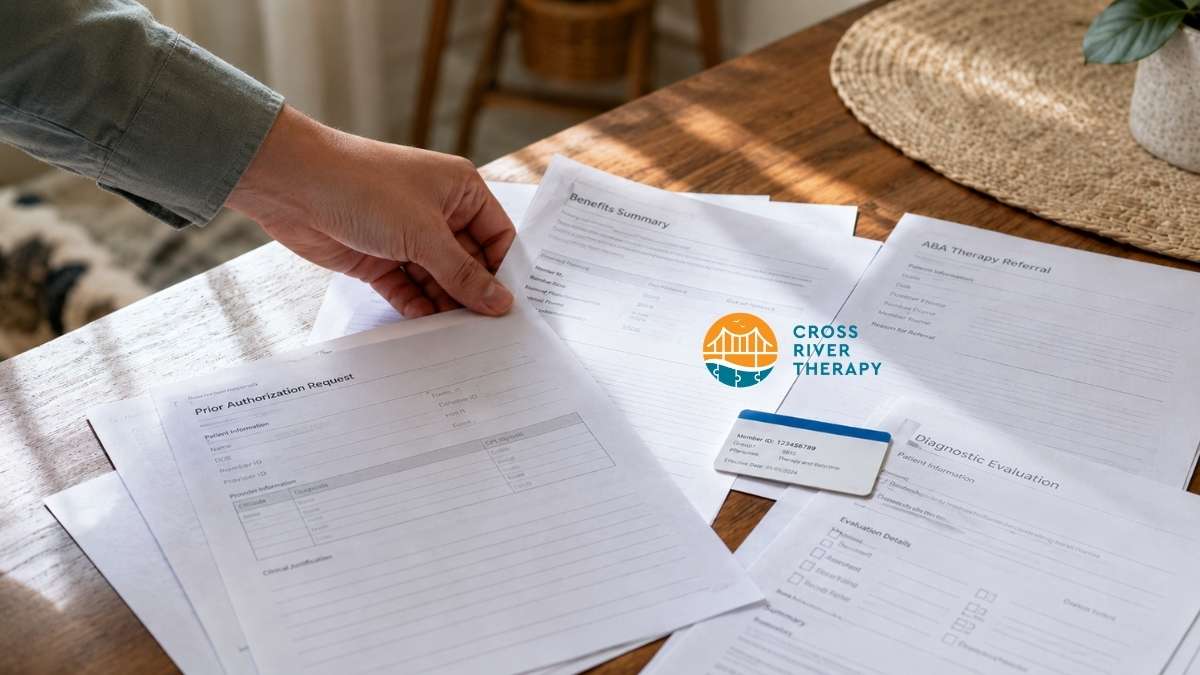
Does Indiana Medicaid Cover ABA Therapy? A Step-by-Step Eligibility Checklist for Parents
Medicaid ABA therapy Indiana covers eligible children under 21 with prior authorization. Your five-step coverage review can start with Cross River.
How to Apply for New Mexico’s DD Waiver While Starting ABA Therapy
Autism waiver New Mexico applications need DD Waiver records and proof of daily support needs. Your next step is to start ABA intake with Cross River.

Is ABA Therapy Covered by Insurance in New Jersey? What Every Parent Should Know
ABA therapy insurance New Jersey may cover medically necessary care based on plan type, network, and authorization. Verify benefits with Cross River.

How ABA Therapy Builds Communication for Nonverbal Children Without Forcing Speech
ABA therapy communication for nonverbal children starts with AAC, signs, and daily routines. See how kids ask, refuse, choose, and get help.

How to Start ABA Therapy in New Jersey With a First-Call Checklist
How to start ABA therapy in New Jersey begins with records, insurance details, and intake questions. Use this first-call checklist before you call.

How to Get an Autism Evaluation in Arkansas Before Starting ABA Therapy
How to get an autism evaluation in Arkansas starts with a referral, provider choice, and key records. Use this parent checklist before ABA intake.