








How to Prepare for Your Child’s First ABA Therapy Session
A Comprehensive Guide to Your Child's First ABA Session


Introduction
Starting ABA therapy for your child can be a daunting yet crucial step. ABA, or Applied Behavior Analysis, is a scientifically-backed approach focused on improving communication, social, and life skills in children with autism through positive reinforcement. This article offers a step-by-step guide to help you and your child prepare effectively for the first session, ensuring a smoother and more productive experience for everyone involved.
Preparing Your Child for ABA Therapy
How can parents prepare their child for their first ABA therapy session?
Preparing for your child's first ABA therapy session can make a big difference in how they experience it. Start by explaining ABA therapy in simple terms. Tell your child that it's a fun way to learn new skills while making friends. Using examples of enjoyable activities that may be a part of the sessions can help make the concept relatable.
Next, consider visiting the therapy location ahead of time. This allows your child to become familiar with the setting, reducing anxiety about the unknown. Explain what they might see and hear, which helps establish comfort and acceptance before they begin.
Don't forget to discuss your child's special interests with the therapist. Bringing favorite toys, books, or comfort items, like a blanket, can make the environment feel welcoming. Additionally, doing so aids therapists in creating a more personalized therapy plan that resonates with your child's interests.
Finally, practice routines at home before the session. Whether it's waking up at the same time each day or reviewing a social story, these steps provide a sense of stability and predictability, preparing your child for the unique experiences during their ABA therapy. Keeping communication open with your child about their feelings will also support a more positive transition into therapy.
Understanding the Core of ABA Therapy

What does ABA therapy entail for parents and children?
ABA therapy, or Applied Behavior Analysis, is a methodical framework that helps children with autism enhance various essential skills. This therapy focuses on improving communication, social interaction, and daily living skills through structured one-on-one sessions with a trained therapist. The approach is individualized, meaning that it is tailored to the unique needs and strengths of each child, making it particularly effective when started early.
Parents play a pivotal role in this process. They are encouraged to reinforce the strategies learned during therapy at home, which often requires a commitment to consistent practice and communication. Typical therapy sessions may last from 25 to 40 hours per week. Evidence suggests that engaging in ABA can lead to notable advancements in language skills and daily functioning for children.
How are ABA sessions structured?
Sessions are designed to be engaging and dynamic. A typical itinerary may include:
Time Block Activity Purpose First 10 minutes Warm-up activities with the therapist Build rapport and ease the child in 20 minutes Targeted skill practice (communication, social) Focus on specific developmental goals Last 10 minutes Cool down with fun activities Reinforce learning through positive interaction
This structure ensures that the child remains engaged, while the therapist collects vital baseline data to inform ongoing support.
How can parents engage with ABA therapy?
Parental involvement is crucial for maximizing the benefits of ABA therapy. Here are essential ways parents can engage:
- Communicate Needs: Share your child's specific triggers and motivators with the therapist.
- Participate Actively: Join in sessions when possible and ask questions to understand the process better.
- Prepare the Environment: Create a comfortable, distraction-free space at home to practice ABA skills.
- Encourage Routine: Establish a regular schedule for therapy sessions to instill predictability and comfort for your child.
By engaging directly with the therapists and nurturing their child's progress at home, parents can significantly impact their child's development and comfort with the ABA process.
Creating a Comforting Therapy Environment
How can a supportive and comfortable environment be created for ABA therapy?
Creating a supportive and comfortable environment for ABA therapy begins with setting up a dedicated therapy space at home. This area should be organized, safe, and free from distractions, allowing the child to focus fully on the session. Start by creating a calm and inviting space, using soft lighting and minimizing noise.
Incorporating familiar and comforting items is crucial. Encourage your child to bring along a favorite blanket or stuffed animal to ease anxiety. These items provide security and can help the child feel more at home during sessions.
Involving family members
Involvement from family members can significantly enhance the therapy experience. Siblings can participate by engaging in fun activities during sessions, fostering a supportive atmosphere. This inclusion not only shows the child they are not alone but also allows family members to learn effective strategies they can apply in daily routines to reinforce learned behaviors.
Ensuring safety
Safety measures are another critical aspect. Childproof the therapy space by securing any hazards and having an emergency plan in place. Parents should communicate specific needs and triggers to their therapist, ensuring that tailored strategies are in place that suit the child’s individual requirements.
Recap of important considerations for the therapy environment:
AspectTipsBenefitsTherapy Space Setup Safe, organized, free from distractions Enhanced focus Comfort Items Bring familiar toys or blankets Reduces anxiety Family Involvement Engage siblings and caregivers during sessions Creates a supportive atmosphere Safety Measures Childproofing and emergency planning Ensures a secure environment
By implementing these strategies, you can create a comforting environment that prepares your child for successful ABA therapy sessions.
Reducing Anxiety Before Therapy
How can parents ease a child's anxiety before starting therapy sessions?
Beginning ABA therapy can be overwhelming, but there are several strategies parents can employ to ease their child's anxiety. One effective method is role-playing. By simulating the therapy experience at home, children can familiarize themselves with what to expect. Act out scenarios where the therapist engages in fun activities, helping to demystify the process.
Another essential aspect is the use of comfort items. Encourage your child to bring along their favorite toy, blanket, or stuffed animal. These familiar objects can provide a sense of security and comfort, especially in a new environment.
Additionally, establishing routines before therapy can significantly help. Developing a consistent schedule leading up to the first session can instill a sense of predictability. Activities like waking up at the same time each day and reviewing a social story about ABA therapy can help children adjust positively. This approach not only prepares them mentally but also reinforces their understanding and comfort with the upcoming changes.
Strategy Description Benefits Role-Playing Simulate therapy experiences at home for familiarity. Reduces fear of the unknown. Comfort Items Allow children to bring toys or blankets to sessions. Provides security and comfort. Establishing Routines Create a consistent pre-therapy schedule for the child. Enhances predictability and comfort.
Using these approaches can make a significant difference in your child's readiness for their first ABA therapy session.
What to Expect in the First ABA Session

What should parents expect during the initial ABA therapy session?
During the first ABA therapy session, parents can anticipate a warm and inviting atmosphere aimed at easing their child's nerves. The therapist will prioritize establishing a trusting relationship with the child. This often involves engaging in playful activities, which helps to build comfort and rapport.
The therapist will observe the child’s behavior and skills closely, noting responses to different prompts and interactions. This initial assessment is crucial as it informs the development of a personalized intervention strategy tailored to the child's specific needs.
How does parental involvement play a role?
Parents are integral to this process. They will be encouraged to share insights about their child's strengths, challenges, and preferences. Open communication regarding their child's specific needs is encouraged, allowing the therapist to create more tailored strategies that fit the child’s unique profile.
What foundational steps are undertaken?
The session will also involve data collection to establish a baseline for the child’s behaviors and responses. By taking these preliminary observations, the therapist can identify effective methods to motivate and engage the child in future sessions. This careful groundwork is essential for crafting a customized therapy plan that aligns with the child’s goals.
In summary, the first ABA session is largely about interaction, observation, and establishing a relationship that will be built upon in subsequent sessions.
Conclusion
Embarking on the ABA therapy journey is a pivotal step in supporting your child's development. By preparing thoroughly, creating a welcoming environment, and understanding what to expect, parents can significantly ease the transition and contribute to a positive and productive therapeutic experience for their child. Remember, your involvement and support are crucial components of successful therapy.
References
- How to Prepare Your Child for Their First ABA Therapy Session
- How to Prepare Your Child for ABA Therapy - Opya
- Preparing for ABA Therapy: What to Expect in Your Child's First ...
- What to Expect on the First Day of ABA Therapy: Preparations and Tips
- How to Prepare your Child for ABA Therapy | Child Autism
- How to Prepare Your Home for In-Home ABA Therapy | All Star
- Applied Behavior Analysis: What Is It and How Does It Work? - WebMD
- Autism Therapies: ABA, RDI, and Sensory Therapies - WebMD
- What Is Incidental Teaching? - WebMD
Recent News
Related articles

6 Arkansas Medicaid ABA Therapy Rules Families Need to Know
Arkansas Medicaid ABA therapy has age, diagnosis and approval rules. Families can check six requirements before care.

Arizona Autism Laws Every Parent Should Know Before Starting ABA Therapy
Autism laws Arizona parents should know cover ABA insurance, AHCCCS appeals, IEPs, and Section 504 rights. Check ABA coverage with Cross River.

ABA Therapist Salary in Arkansas: What BCBAs and RBTs Actually Earn in 2026
ABA therapist salary Arkansas figures compare RBT and BCBA rates, benefits, guaranteed hours, and contract terms. Explore careers at Cross River.

5 Autism Support Groups and Family Resources in New Mexico Alongside ABA Therapy
Autism support groups New Mexico families can use offer peer support, local events, and school help. Cross River can explain ABA therapy options.

Where to Get an Autism Evaluation in New Mexico Before Starting ABA Therapy
Autism evaluation New Mexico options include UNM, NMSU, FIT, and private providers. Compare providers, records, and ABA steps with Cross River.

7 North Carolina Autism Resources to Contact Before ABA Therapy Starts
Autism resources North Carolina families can call for diagnosis, early intervention, rights, and parent support. Start ABA intake with Cross River.
Does Indiana Medicaid Cover ABA Therapy? A Step-by-Step Eligibility Checklist for Parents
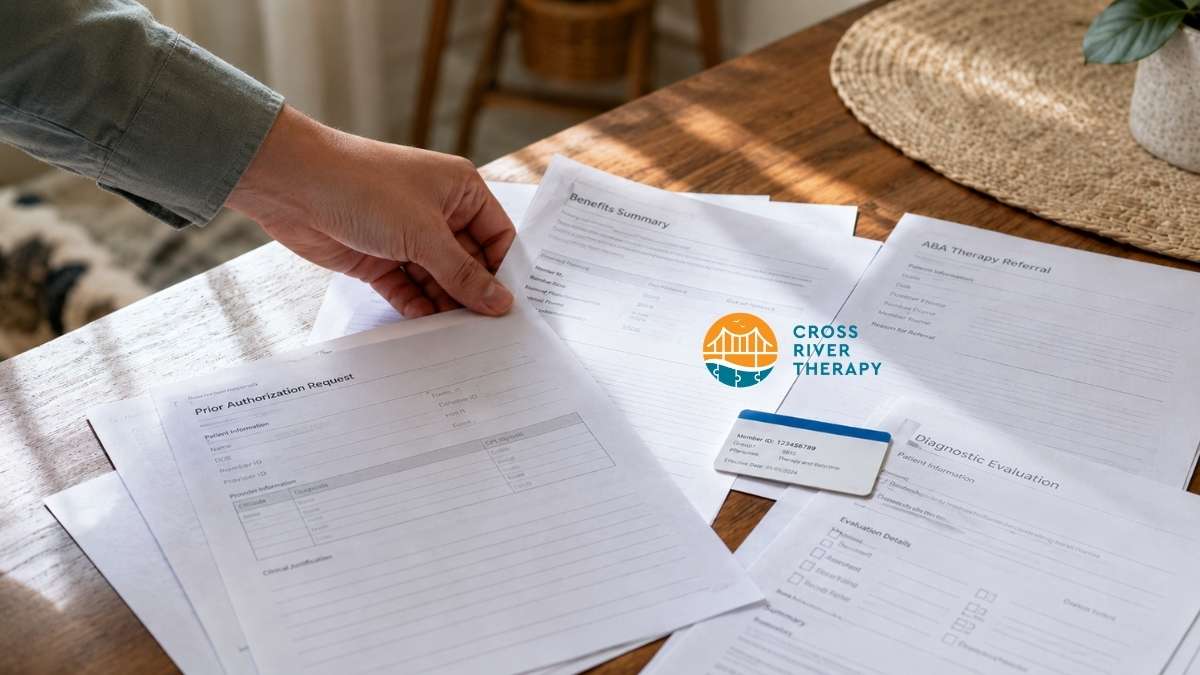
Medicaid ABA therapy Indiana covers eligible children under 21 with prior authorization. Your five-step coverage review can start with Cross River.
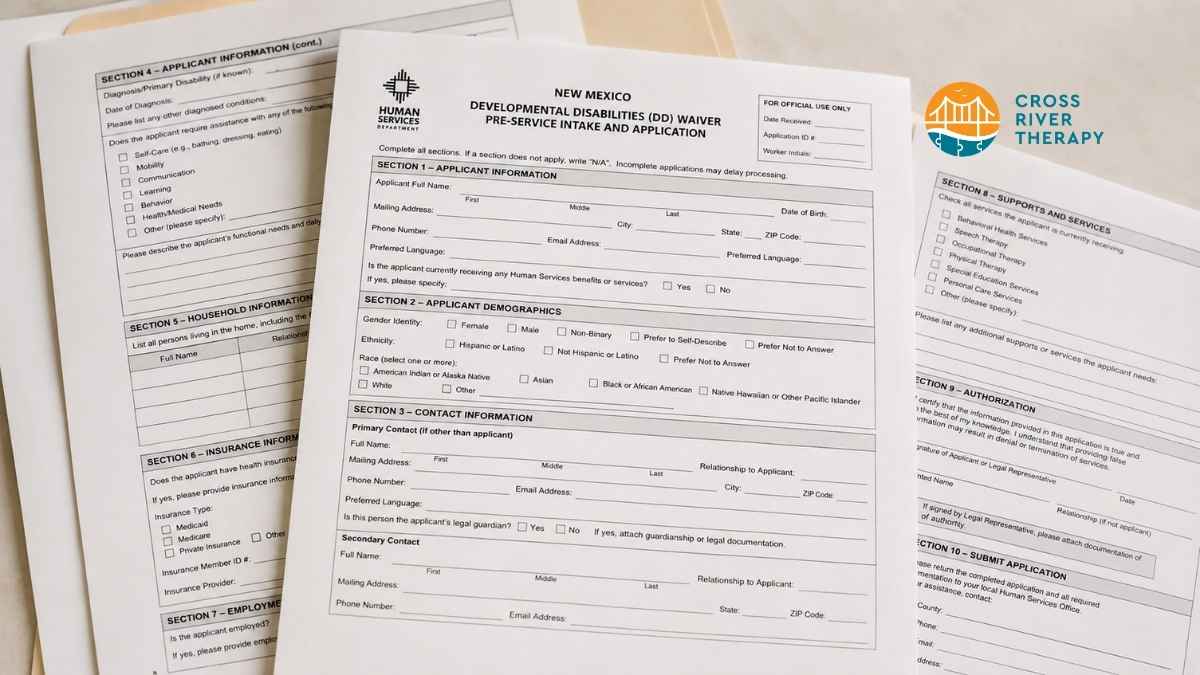
How to Apply for New Mexico’s DD Waiver While Starting ABA Therapy
Autism waiver New Mexico applications need DD Waiver records and proof of daily support needs. Your next step is to start ABA intake with Cross River.

Is ABA Therapy Covered by Insurance in New Jersey? What Every Parent Should Know
ABA therapy insurance New Jersey may cover medically necessary care based on plan type, network, and authorization. Verify benefits with Cross River.

How ABA Therapy Builds Communication for Nonverbal Children Without Forcing Speech
ABA therapy communication for nonverbal children starts with AAC, signs, and daily routines. See how kids ask, refuse, choose, and get help.

How to Start ABA Therapy in New Jersey With a First-Call Checklist
How to start ABA therapy in New Jersey begins with records, insurance details, and intake questions. Use this first-call checklist before you call.

How to Get an Autism Evaluation in Arkansas Before Starting ABA Therapy
How to get an autism evaluation in Arkansas starts with a referral, provider choice, and key records. Use this parent checklist before ABA intake.