








How to prepare your home environment for ABA therapy sessions
Creating the Ideal Home Setting for Effective ABA Therapy


Understanding ABA Therapy and Its Home-Based Potential
Applied Behavior Analysis (ABA) therapy is a scientifically established method designed to help individuals with autism spectrum disorder develop essential life skills and reduce challenging behaviors. When delivered in the home environment, ABA therapy can be particularly impactful due to its naturalistic setting and daily integration. Preparing your home to support these therapy sessions enhances their effectiveness, making the process smoother and more engaging for both the child and the family. This article explores how to best prepare your home environment to maximize the benefits of in-home ABA therapy.
What is ABA Therapy and Who Provides It?

What is applied behavior analysis (ABA) therapy?
Applied Behavior Analysis (ABA) therapy is a scientifically-supported method used to help individuals, particularly children with autism spectrum disorder (ASD), develop essential skills. ABA focuses on analyzing behaviors and the environmental factors influencing them to promote positive behaviors and reduce challenging ones. By using strategies such as positive reinforcement, therapists tailor interventions to each child’s unique needs, enabling improvements in communication, social interaction, and daily living skills. ABA programs often involve play-based and naturalistic techniques to encourage independence and real-world participation.
Who typically provides ABA therapy services?
ABA therapy is delivered by trained professionals with expertise in behavioral analysis and autism. Board Certified Behavior Analysts (BCBAs) lead and design individualized programs, ensuring interventions are data-driven and effective. Behavior Technicians and other qualified therapists support the day-to-day implementation. Providers can range from clinics and organizations—many with BHCOE accreditation guaranteeing quality care—to in-home or telehealth settings. Families should seek providers with proper credentials and a collaborative approach for the best outcomes.
Where is ABA therapy delivered?
ABA therapy can be conducted in multiple environments suited to the child’s needs. Common settings include the child’s home, schools, clinics, and community environments. In-home therapy allows a natural, familiar space for learning and generalization of skills, while clinics may offer structured, resource-rich environments. Telehealth delivery is also becoming popular for accessibility and convenience. The choice depends on the child’s requirements and family circumstances, always prioritizing a supportive and effective setting.
The Expertise Behind ABA: Understanding Professional Training

What kind of training do professionals need to deliver ABA therapy?
Professionals delivering Applied Behavior Analysis (ABA) therapy undergo comprehensive training to ensure effective intervention. Typically, this journey starts with an undergraduate degree in psychology, education, or a related behavioral science. Following this, many pursue a master's degree in applied behavior analysis or a comparable discipline to deepen their expertise.
Certification is a crucial step, involving completion of substantial supervised field experience — generally between 1,500 to 2,000 hours — followed by passing a rigorous exam. Certifications like Board Certified Behavior Analyst (BCBA) or Board Certified Assistant Behavior Analyst (BCaBA) validate practitioners' skills and knowledge. While licensing requirements differ across states, BCBA certification often meets these standards.
Beyond formal education and certification, successful ABA professionals demonstrate essential skills such as keen observation, thorough assessment capabilities, and clear communication. Empathy and adaptability are vital for tailoring interventions to each child's unique needs.
Continuing education is mandatory to maintain certification and licensure, ensuring practitioners stay current with advances in behavior analysis strategies and ethical practices. This ongoing learning equips professionals to deliver the highest standard of care in ABA therapy.
Techniques and Strategies in ABA Therapy Sessions

What are common techniques used in ABA therapy?
ABA therapy employs a variety of techniques tailored to meet each child's unique needs. One widely used method is positive reinforcement, which involves rewarding desirable behaviors to encourage their repetition. Caregivers and therapists use praise, rewards, or visual aids before and after sessions to promote positive attitudes and cooperation.
Prompting and fading are essential strategies to guide children through new skills gradually, starting with more assistance and slowly reducing support. This helps build independence over time.
Behavior chaining breaks complex tasks into smaller, manageable steps taught sequentially. This is especially helpful for developing multi-step routines.
Discrete Trial Training (DTT) uses structured, one-on-one teaching sessions with clear instructions, opportunities for a response, and immediate feedback. This method allows focused teaching of specific skills.
By contrast, Natural Environment Teaching (NET) integrates learning opportunities into everyday activities, making therapy more relevant and engaging. Modeling is another technique where therapists demonstrate behaviors for the child to imitate, enhancing skill acquisition.
In addition, approaches like extinction aim to reduce challenging behaviors by withholding reinforcement, while functional communication training (FCT) replaces problem behaviors with effective communication. Differential reinforcement encourages positive alternatives to inappropriate behaviors.
Together, these techniques combine structure and flexibility, helping increase helpful behaviors while decreasing those that hinder progress. Using visual aids like picture schedules, timers, and clear language further supports understanding and engagement during sessions.
Benefits of ABA Therapy for Individuals with Autism
Skill Development Areas Targeted by ABA
ABA therapy focuses on several critical skill areas for individuals with autism, including communication, social interaction, daily living skills, and emotional regulation. By using structured and evidence-based approaches, ABA targets behaviors that support independence, such as requesting needs, responding to social cues, and completing everyday tasks.
Improvement Mechanisms Through ABA
ABA therapy uses reinforcement techniques, such as positive rewards and visual aids, to encourage desired behaviors and reduce challenging ones. Naturalistic training and play-based activities help children engage and make learning enjoyable. Visual supports like picture schedules contribute to understanding routines, thus lowering anxiety and enhancing engagement.
Importance of Early and Individualized Intervention
Early application of ABA with individualized plans based on comprehensive assessments ensures that therapy goals align with the unique needs of each child. Tailoring the therapy approach facilitates better outcomes by promoting gradual skill acquisition. Early intervention can significantly improve social, communication, and adaptive skills, fostering greater independence.
Research shows that consistent ABA therapy, especially when integrated into a child's daily routine and home environment, results in meaningful progress. This approach supports children in developing skills that lead to a more fulfilling and autonomous life.
Creating a Calm, Safe, and Organized Therapy Space

Choosing a quiet, low-traffic area
Select a dedicated corner or room in the home that is away from busy household areas. A low-traffic space reduces interruptions and helps the child associate the area with focused learning and therapy time.
Childproofing and safety measures
Ensure the therapy space is safe by securing furniture, using gates if needed, and removing any hazardous objects. Being mindful of allergies and sensory sensitivities is important for maintaining a safe environment conducive to therapy.
Minimizing distractions and clutter
Reduce noise by turning off gadgets, TVs, and controlling household sounds. Avoid visual clutter by keeping the area tidy and using simple sensory-friendly decor. Soft lighting can calm sensory-sensitive children and create a welcoming atmosphere.
Organizing therapy materials accessibly
Use storage solutions like labeled bins and shelves to keep toys and therapy tools organized and within easy reach. Regularly update materials to maintain interest and support ongoing engagement during sessions.
By carefully selecting and preparing a calm, safe, and organized therapy space, caregivers can enhance their child's focus and participation, making in-home ABA therapy more effective and enjoyable.
Optimizing Sensory Settings and Visual Supports
Using Soft Lighting and Sensory-Friendly Decor
Creating a sensory-friendly environment starts with soft lighting and decorations designed to reduce sensory overload. Gentle, warm lighting helps soothe children with sensory sensitivities, making the therapy space feel calm and inviting. Sensory-friendly decor that avoids bright colors or busy patterns further contributes to a comforting atmosphere that supports better engagement.
Managing Noise and Visual Clutter
Controlling noise is another crucial aspect. Minimizing household sounds, turning off gadgets and TVs, and using soundproofing techniques when possible helps keep distractions at bay. Alongside this, reducing visual clutter by organizing therapy materials and maintaining a tidy space prevents overwhelming stimuli, allowing the child to focus more effectively during sessions.
Incorporating Visual Schedules, Cues, and Timers to Reduce Anxiety
Visual supports like picture schedules, cues, and timers provide children with clear expectations of their daily routine and therapy activities. These tools help reduce confusion and anxiety by making transitions predictable and understandable. For example, visual timers signal when an activity will start or end, easing worries about what comes next and improving cooperation.
Together, these sensory adjustments and visual supports create a welcoming, structured environment. By thoughtfully managing lighting, noise, and visual information, caregivers can significantly enhance the effectiveness of in-home ABA therapy sessions.
Establishing Consistent Routines and Incorporating Therapy into Daily Life
Developing predictable daily schedules
Creating a consistent daily routine is essential in supporting children with autism during in-home ABA therapy. Predictable schedules reduce anxiety by setting clear expectations, making children feel safe and more willing to engage. Consistency in timing and activities helps foster cooperation and creates a structured environment conducive to learning.
Using visual schedules and reminders
Visual aids such as picture schedules, timers, and visual cues play a vital role in helping children understand and anticipate daily activities. These tools minimize confusion and reduce anxiety by making routines clear. Placing these visual supports in accessible spots within the home reinforces the predictability of the day.
Integrating therapy sessions seamlessly into everyday activities
Embedding therapy sessions into the flow of daily life promotes consistent skill development and independence. Rather than isolating therapy, turning ordinary tasks into learning opportunities—like practicing communication during meal preparation or social skills during family time—helps children generalize what they learn in therapy to natural settings.
Promoting skill generalization through routine tasks
Transforming routine situations into teaching moments supports the transfer of skills beyond formal therapy sessions. Consistent practice within everyday contexts strengthens the practicality of newly learned behaviors and enhances real-world applicability, ensuring that therapy gains translate into daily success for the child.
Enhancing Communication and Engagement During Sessions
Using Clear, Simple Language and Visual Supports
Effective communication is essential during in-home ABA therapy sessions. Caregivers and therapists should use clear, simple language that is easy for the child to understand. Visual supports, such as picture schedules and visual cues, help reinforce spoken instructions and reduce confusion, improving the child's comprehension and participation.
Employing Reinforcement Techniques and Rewards
Reinforcement plays a significant role in encouraging positive behaviors and cooperation during therapy. Utilizing rewards like praise, tokens, or preferred activities before and after sessions motivates children and fosters a positive attitude toward therapy. Visual aids that signify achievements or progress can also reinforce engagement.
Creating Comfortable Seating Arrangements for Interaction and Eye Contact
Setting up a seating arrangement that promotes close interaction and eye contact enhances communication effectiveness. Comfortable and accessible seating invites the child to engage more actively, encouraging social interaction and attention.
Utilizing Toys and Play-Based Activities Effectively
Incorporating toys and play-based activities specifically selected for therapy sessions helps maintain the child's interest and supports skill acquisition. Organized and accessible materials encourage exploration and participation while aligning activities with therapeutic goals. Regularly updating these materials can sustain motivation and involvement.
Collaborating with Therapists and Family Involvement
Maintaining Open Communication with ABA Professionals
Open and ongoing communication between families and ABA therapists is essential for the success of in-home therapy sessions. Parents and caregivers should regularly discuss observations, progress, and any challenges they notice, ensuring that therapists can tailor interventions effectively. This dialogue helps create a cohesive approach that supports the child's needs both during therapy and in everyday life.
Sharing Observations, Progress, and Challenges
Families are often the first to observe subtle changes in behavior or skill acquisition. By sharing these insights with therapists, interventions can be adjusted proactively to maintain effectiveness. Regular updates facilitate data-driven decisions, making therapy more responsive and personalized.
Supporting Therapy Goals Through Consistent Family Involvement
Family members play a vital role in reinforcing therapy goals outside of scheduled sessions. Consistency in using learned strategies at home and incorporating therapies into daily routines enhances generalization of skills. Involving caregivers in practicing and encouraging targeted behaviors promotes independence and quicker progress.
Involving Family in Understanding and Reinforcing Therapy Plans
Educating family members about the child's individualized therapy plan increases understanding and engagement. When everyone involved recognizes the objectives and techniques being used, it fosters a unified support system. This shared knowledge bridges therapy sessions with home life, ensuring that the child’s development is consistently nurtured.
Together, these collaborative efforts between therapists and families create a supportive network that optimizes the benefits of ABA therapy, promotes meaningful progress, and ultimately improves the child’s quality of life.
Monitoring Progress and Adjusting the Therapy Environment
How is data collected and assessed regularly during ABA therapy?
Regular data collection and assessments are integral for tracking a child’s progress during ABA therapy. Caregivers and therapists gather information on behavioral responses, skill acquisition, and engagement levels through observation and standardized tools. This data informs ongoing evaluations, helping identify what strategies are most effective and if therapy goals are being met.
How can the therapy environment and tools be adapted based on progress?
As a child progresses, adapting the therapy environment and materials keeps sessions dynamic and effective. This includes updating toys and play-based activities to challenge new skills and rearranging the therapy space to maintain the child's interest. Organizing therapy tools with clear labels and accessible storage encourages independence and ease during sessions.
Why are breaks and leisure activities important in therapy schedules?
Scheduling regular breaks and leisure activities prevents fatigue and sustains motivation during therapy. Short, planned pauses allow children to recharge, which helps maintain attention and cooperation when sessions resume. These moments also reinforce positive attitudes toward therapy, making learning enjoyable rather than overwhelming.
How does refreshing therapy materials and space help motivation?
Introducing new and diverse materials, as well as periodically rearranging furniture and décor, keeps the therapy space inviting and stimulating. This approach combats boredom and supports ongoing engagement, which is essential for skill acquisition and retention. A fresh environment signals to the child that learning remains active and rewarding.
| Aspect | Strategy | Benefit |
|---|---|---|
| Data Collection | Regular assessments and observation | Guides treatment adjustments |
| Environment Adaptation | Updating toys and rearranging space | Maintains interest and challenges skills |
| Scheduling Breaks | Incorporating leisure and rest periods | Prevents fatigue and supports sustained motivation |
| Refreshing Materials & Space | Adding new resources and changing layout | Enhances engagement and positive learning outlook |
Maximizing ABA Therapy Success Through Thoughtful Home Preparation
The effectiveness of ABA therapy is significantly enhanced when the home environment is thoughtfully prepared to support the unique needs of children with autism. From establishing a safe, calm, and well-organized therapy space to integrating sensory-friendly adjustments and consistent routines, every element contributes to the child's ability to focus and engage. Clear communication, family involvement, and ongoing collaboration with therapists further ensure that therapy goals are met and sustained. By nurturing a positive and structured home setting that complements ABA principles, families play a crucial role in fostering meaningful progress and independence for their children.
References
- Optimal ABA Therapy Home Setup Strategies
- 5 Simple Ways to Get Your Kids Ready for ABA therapy ...
- Preparing Your Home for In-Home ABA Therapy
- How to Prepare Your Home for In-Home ABA Therapy
- ABA Therapy Providers Directory
- Applied Behavior Analysis (ABA)
- How to Become an ABA Therapist - School of Education
Recent News
Related articles

6 Arkansas Medicaid ABA Therapy Rules Families Need to Know
Arkansas Medicaid ABA therapy has age, diagnosis and approval rules. Families can check six requirements before care.

Arizona Autism Laws for ABA Coverage and School Rights
Arizona autism laws for ABA coverage vary by plan. Families can check insurance, appeal options, and school rights.

ABA Therapist Salary in Arkansas for RBTs and BCBAs
Compare ABA therapist salary in Arkansas by role. See how paid hours and benefits affect earnings before applying.

5 Autism Support Groups and Family Resources in New Mexico
Autism support groups in New Mexico connect families. Local resources offer events, parent support, and school help.

Where to Get an Autism Evaluation in New Mexico
Autism evaluation options in New Mexico include UNM and NMSU. Age and referral details help parents prepare.

7 North Carolina Autism Resources to Contact Before ABA Therapy Starts
Autism resources North Carolina families can call for diagnosis, early intervention, rights, and parent support. Start ABA intake with Cross River.
Does Indiana Medicaid Cover ABA Therapy? A Parent Checklist
Indiana Medicaid ABA therapy may cover care for eligible children. The checklist covers coaching and renewals.
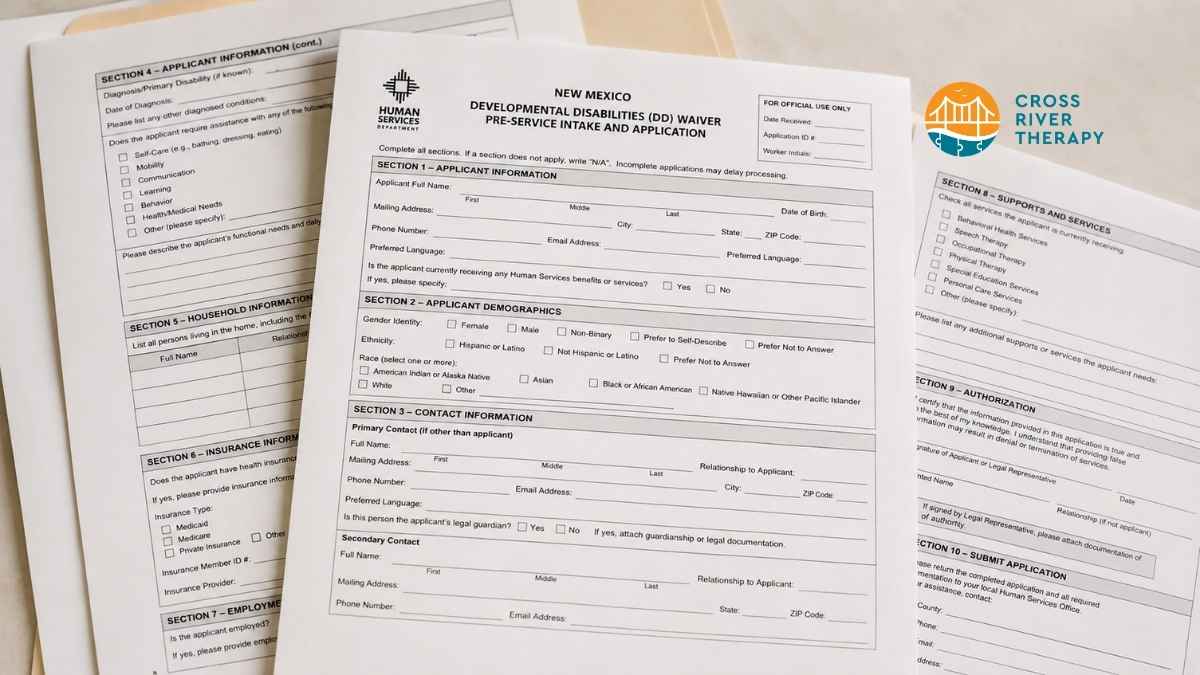
How to Apply for the New Mexico DD Waiver
Your NM DD waiver application starts with state intake. The steps cover records, submission, and enrollment.

Does Insurance Cover ABA Therapy in New Jersey?
ABA therapy insurance in New Jersey varies by plan. Learn what NJ FamilyCare covers and how to check costs.

How ABA Therapy Builds Communication for Nonverbal Children Without Forcing Speech
ABA therapy communication for nonverbal children starts with AAC, signs, and daily routines. See how kids ask, refuse, choose, and get help.

How to Start ABA Therapy in New Jersey With a Checklist
Your guide explains how to start ABA therapy in New Jersey. A first-call checklist covers records and next steps.

How to Get an Autism Evaluation in Arkansas Before Starting ABA Therapy
How to get an autism evaluation in Arkansas starts with a referral, provider choice, and key records. Use this parent checklist before ABA intake.