





5 Best Interventions For Autism
In this article, we will explore some of the most effective interventions for autism. Read on to learn which interventions can be beneficial for people with autism.


What Are The Best Autism Interventions?
- Applied Behavior Analysis (ABA)
- Speech Therapy
- Occupational Therapy
- Sensory Integration Therapy
- Social Skills Training
Autism Spectrum Disorder (ASD) is a developmental disorder that affects an individual's communication, social interaction, and behavior. It is a complex disorder that can vary significantly from one individual to another.
There is no known cure for autism, but there are different interventions that can help individuals with autism to improve their social and communication skills, as well as manage their behavior.
1. Applied Behavior Analysis (ABA)
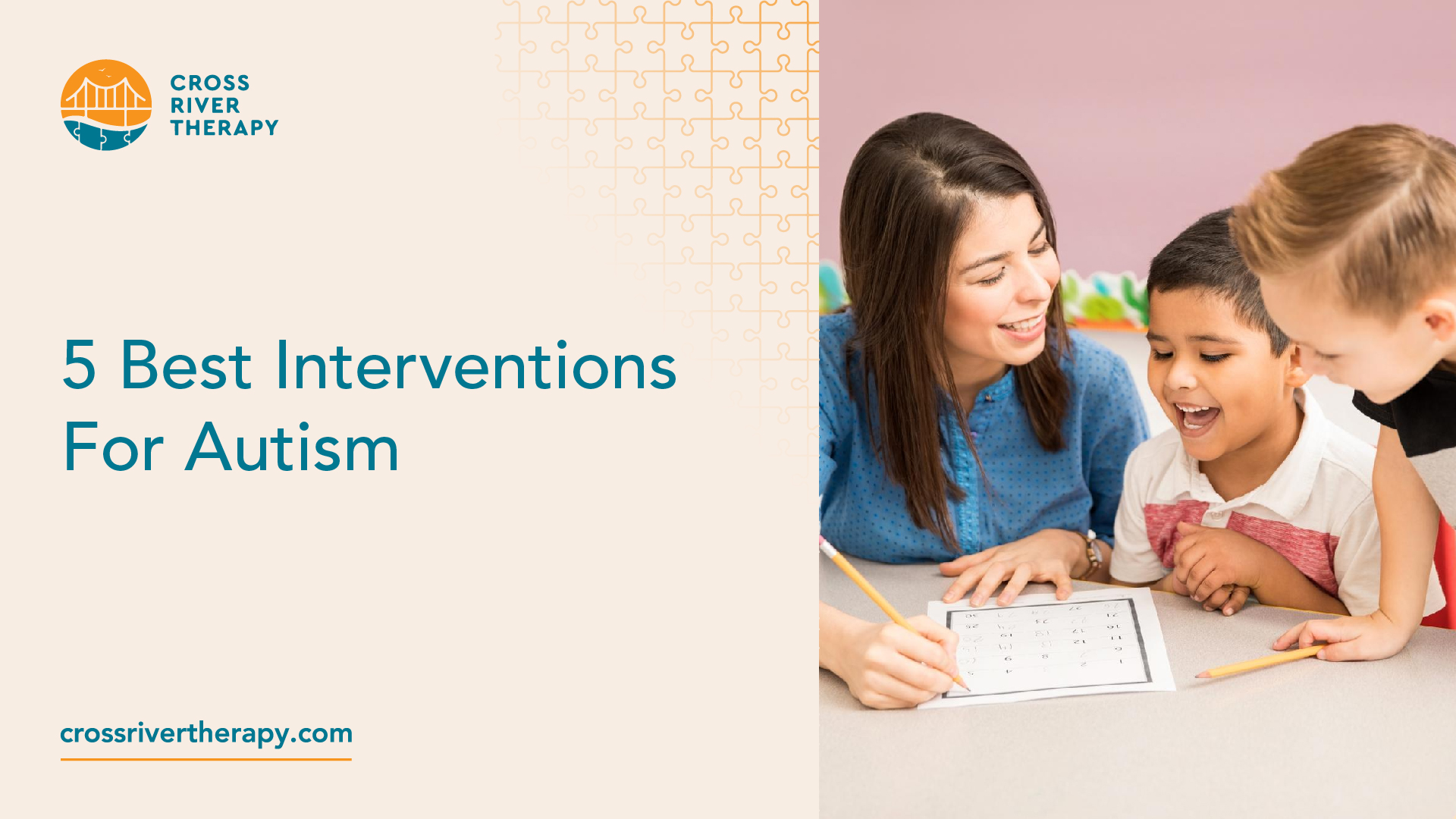
Applied Behavior Analysis (ABA) is a widely used intervention for autism. It is a behavior-based therapy that focuses on increasing desirable behaviors and reducing unwanted behaviors.
ABA targets specific behaviors and uses positive reinforcement to encourage desired behaviors. ABA therapy can be delivered in a one-on-one setting or in a group setting.
It has been found to be effective in improving communication, social skills, and behavior in individuals with autism.
2. Speech Therapy
Speech therapy is a common intervention used for individuals with autism who have communication difficulties. Speech therapists work with individuals with autism to improve their communication skills, including language, articulation, and social communication.
Speech therapy can be delivered in a one-on-one setting or in a group setting. It has been found to be effective in improving communication skills in individuals with autism.
3. Occupational Therapy
Occupational therapy is a intervention that focuses on developing skills needed for everyday activities, including self-care, play, and social interaction.
Occupational therapists work with individuals with autism to develop skills that will help them to be more independent and successful in their daily lives.
Occupational therapy can be delivered in a one-on-one setting or in a group setting. It has been found to be effective in improving social interaction, play skills, and self-care skills in individuals with autism.
4. Sensory Integration Therapy
Sensory integration therapy is a intervention that focuses on developing skills needed to process sensory information, including touch, sound, and movement. Sensory integration therapy is often used for individuals with autism who have sensory processing difficulties.
It can help individuals with autism to develop coping strategies for sensory overload and to improve their sensory processing skills.
Sensory integration therapy can be delivered in a one-on-one setting or in a group setting. It has been found to be effective in improving sensory processing skills in individuals with autism.
5. Social Skills Training
Social skills training is a intervention that focuses on developing social skills, including communication, social interaction, and play. Social skills training is often used for individuals with autism who have difficulty with social interaction.
It can help individuals with autism to develop social skills that will enable them to interact more successfully with others.
Social skills training can be delivered in a one-on-one setting or in a group setting. It has been found to be effective in improving social interaction skills in individuals with autism.
What is the most effective intervention for autism?
Research has shown that early intervention with ABA therapy is beneficial for children with autism. The earlier a child with autism receives intervention, the greater their chances of improving their communication, social interaction, and behavior.
What works for one child with autism may not necessarily work for another. Therefore, it's essential to consider the individual's unique needs and preferences when selecting a intervention.
A comprehensive evaluation by a team of professionals can help identify the most appropriate interventions for an individual with autism.
It's also worth noting that some individuals with autism may benefit from a combination of interventions rather than just one. A multidisciplinary approach involving different interventions can provide a more holistic and effective treatment plan for individuals with autism.
Summary
In conclusion, autism is a complex disorder that can vary significantly from one individual to another. There is no known cure for autism, but there are different interventions that can help individuals with autism to improve their social and communication skills, as well as manage their behavior.
Applied Behavior Analysis (ABA), speech therapy, occupational therapy, sensory integration therapy, and social skills training are some of the most effective interventions for autism.
It's important to know that each individual with autism is unique and may benefit from different interventions. Therefore, it is essential to work with a trained professional to determine the best intervention for each individual with autism.
Recent News
Related articles
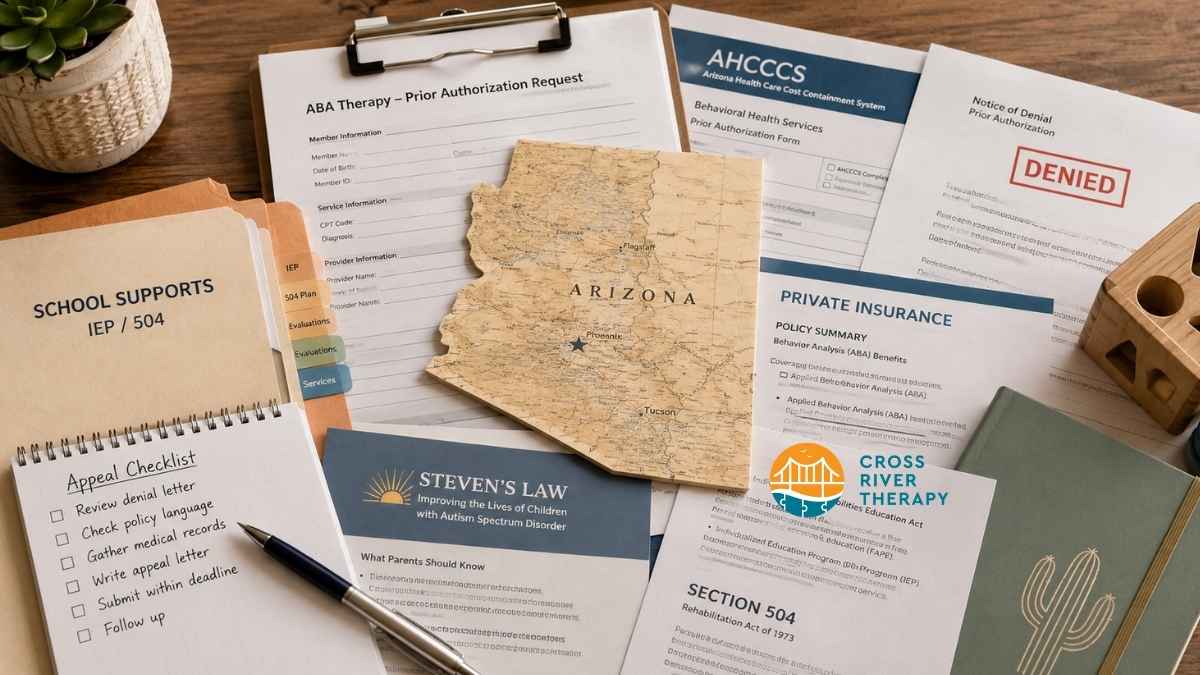
Arizona Autism Laws Every Parent Should Know Before Starting ABA Therapy
Autism laws Arizona parents should know cover ABA insurance, AHCCCS appeals, IEPs, and Section 504 rights. Check ABA coverage with Cross River.

ABA Therapist Salary in Arkansas: What BCBAs and RBTs Actually Earn in 2026
ABA therapist salary Arkansas figures compare RBT and BCBA rates, benefits, guaranteed hours, and contract terms. Explore careers at Cross River.

5 Autism Support Groups and Family Resources in New Mexico Alongside ABA Therapy
Autism support groups New Mexico families can use offer peer support, local events, and school help. Cross River can explain ABA therapy options.

Where to Get an Autism Evaluation in New Mexico Before Starting ABA Therapy
Autism evaluation New Mexico options include UNM, NMSU, FIT, and private providers. Compare providers, records, and ABA steps with Cross River.

7 North Carolina Autism Resources to Contact Before ABA Therapy Starts
Autism resources North Carolina families can call for diagnosis, early intervention, rights, and parent support. Start ABA intake with Cross River.

Does Indiana Medicaid Cover ABA Therapy? A Step-by-Step Eligibility Checklist for Parents
Medicaid ABA therapy Indiana covers eligible children under 21 with prior authorization. Your five-step coverage review can start with Cross River.
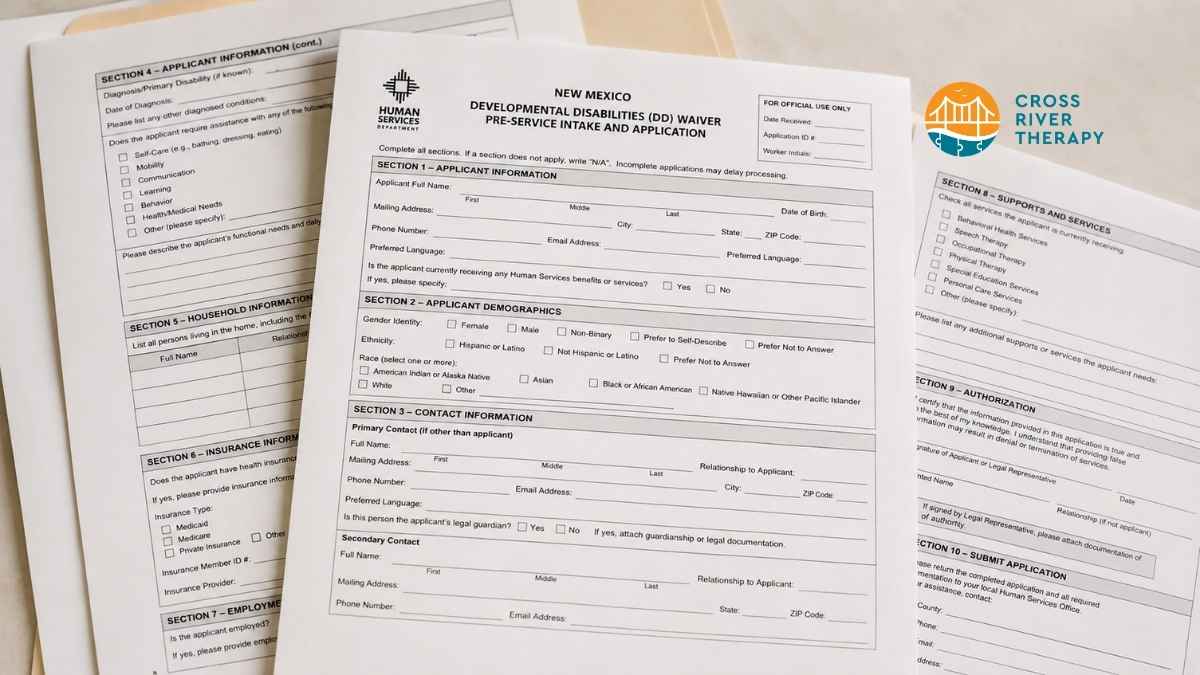
How to Apply for New Mexico’s DD Waiver While Starting ABA Therapy
Autism waiver New Mexico applications need DD Waiver records and proof of daily support needs. Your next step is to start ABA intake with Cross River.

Is ABA Therapy Covered by Insurance in New Jersey? What Every Parent Should Know
ABA therapy insurance New Jersey may cover medically necessary care based on plan type, network, and authorization. Verify benefits with Cross River.

How ABA Therapy Builds Communication for Nonverbal Children Without Forcing Speech
ABA therapy communication for nonverbal children starts with AAC, signs, and daily routines. See how kids ask, refuse, choose, and get help.

How to Start ABA Therapy in New Jersey With a First-Call Checklist
How to start ABA therapy in New Jersey begins with records, insurance details, and intake questions. Use this first-call checklist before you call.

How to Get an Autism Evaluation in Arkansas Before Starting ABA Therapy
How to get an autism evaluation in Arkansas starts with a referral, provider choice, and key records. Use this parent checklist before ABA intake.

Center-Based vs In-Home vs School-Based ABA Therapy and How to Choose the Right Fit
Center-based, in-home, and school-based ABA therapy each fit different goals, routines, and settings. Compare options before your intake call.