








Managing Autism Behavior at School
Strategies for Supporting Autism in Educational Settings


Introduction
Understanding and managing autism behavior in school is crucial for creating an inclusive educational environment. Teachers and caregivers play essential roles in supporting students with autism, who often communicate their needs through behaviors like fidgeting and stimming. This guide explores evidence-based intervention strategies and classroom modifications that benefit autistic students, enhancing both their learning experiences and their ability to integrate into typical school activities.
Individualized Education Programs (IEPs) and Behavior Plans
How do schools handle autistic students?
Schools manage autistic students through individualized education programs (IEPs) tailored to each child's unique needs. These plans are essential for addressing challenging behaviors and ensuring appropriate learning experiences.
A Functional Behavioral Analysis (FBA) plays a critical role in this process. By identifying the root causes of disruptive behaviors, educators can develop a Behavior Intervention Plan (BIP) designed to modify these behaviors while promoting positive alternatives. For instance, if a student exhibits aggression due to sensory overload, the BIP may include adjustments to the classroom environment, such as reducing noise levels or providing sensory breaks with tools like noise-canceling headphones.
Furthermore, educators actively incorporate evidence-based practices aimed at improving engagement. This includes using visual aids, simplifying instructions, and establishing consistent classroom routines. Such strategies not only support academic success but also reduce anxiety, preparing students for transitions throughout their school day.
Collaboration is key; parents and specialists work alongside educators to enhance support, creating a nurturing learning environment conducive to the development of social, emotional, and behavioral skills. A well-implemented IEP and BIP ensure that autistic students can thrive in an inclusive classroom setting, ultimately setting a solid foundation for their future educational endeavors.
Research-Based Teaching Strategies
What are research-based strategies for teaching students with autism?
Research-based strategies for teaching students with autism prioritize creating a supportive and understanding learning environment. Here are some key approaches:
- Calm and Positive Classroom Atmosphere: It's essential to foster a welcoming environment. This can be achieved through respect, positive engagement, and modeling desired behaviors to encourage students to interact positively.
- Individualized Learning Tools: Utilizing ‘About Me’ information sheets helps educators tailor support to meet individual needs. This practice allows teachers to understand and respect each student’s unique challenges and interests.
- Structured Routines: Establishing clear and predictable routines can significantly reduce anxiety. Visual schedules are particularly beneficial, as they help students know what to expect, minimizing confusion during transitions.
- Evidence-Based Practices (EBPs): Incorporating strategies such as Applied Behavior Analysis (ABA) aids in reinforcing positive behaviors, thus enhancing overall classroom behavior and academic success.
- Communication Supports: Clear, concise instructions, along with the use of visual aids, cater to the communication difficulties often experienced by students with autism.
- Social Skills Development: Encourage positive peer relationships and foster self-advocacy skills to improve social interactions and emotional regulation within the classroom.
- Continuous Professional Development: Educators should engage in ongoing training to effectively adopt and implement these strategies in inclusive classrooms, ensuring they can adapt to the varying needs of autistic students.
Managing Behavior in the Classroom
How can autistic behavior be managed in the classroom?
To effectively manage autistic behavior in the classroom, it’s crucial to create a tailored Behavior Intervention Plan (BIP) for each child. This plan should be informed by a Functional Behavioral Analysis (FBA) that identifies the root causes of behaviors. By understanding the triggers, educators can develop strategies that address individual needs rather than resorting to punitive measures.
Incorporating each child's interests and strengths into the curriculum is another essential strategy. By doing so, teachers can boost student engagement, which in turn, helps lower instances of disruptive behavior. For example, integrating subjects that align with a child's passions can make learning more enjoyable and fulfilling.
Predictable routines make a difference.
Structured and predictable routines are vital for students with autism. These routines help establish a sense of order and security, greatly reducing anxiety. Visual aids and clear explanations of what is expected during activities are also beneficial, especially during transitions. Using tools like timers or visual countdowns can prepare students for upcoming changes, fostering smoother transitions and minimizing frustration.
Support sensory needs to prevent disruptions.
Addressing sensory sensitivities is integral to managing behavior. Providing quiet spaces and sensory tools allows autistic students to decompress when feeling overwhelmed. Recognizing early signs of distress can prevent escalation into more challenging behaviors. Continuous collaboration with special education professionals and proactive communication with parents will ensure that supports remain effective, creating a cohesive strategy for positive outcomes in the classroom.
Effective Disciplinary Approaches
What disciplinary approaches work for autistic children in school?
Effective disciplinary approaches for autistic children in school prioritize clear boundaries and expectations instead of punitive measures. By establishing structured and consistent discipline, educators provide a sense of security, which can help reduce anxiety and promote confidence in making choices.
Visual cues and role-playing are tools that can enhance understanding of behavioral expectations. For instance, using picture schedules aids communication and sets clear routines, allowing children to anticipate upcoming activities. Positive reinforcement, exemplified by descriptive praise, is crucial; rewarding desired behaviors encourages students to repeat those actions.
It's also vital to empathize with the nature of some behaviors. Self-stimulatory actions, often seen as problematic, can function as coping mechanisms for emotional regulation rather than necessitating discipline. By recognizing this, educators can create a more supportive classroom environment.
In addition, proactive strategies are beneficial in preventing behavioral challenges. These include preparing children for transitions, removing distractions from the learning environment, and providing frequent breaks to manage sensory overload, all of which contribute to a smoother educational experience.
Preventing Challenging Behaviors
How to Prevent Challenging Behaviors in Autistic Children?
To effectively prevent challenging behaviors in children with autism, understanding the triggers behind their actions is paramount. Keeping a behavior diary can unveil patterns and specific stressors that may lead to distress. This proactive approach allows caregivers to address issues before they escalate, making it crucial to watch for any medical concerns that could impact behavior.
Identifying Triggers
Recognizing environmental triggers—such as sensory overload from bright lights or loud noises—can be instrumental. Adjusting the classroom environment to include quieter spaces, reducing stark lighting, and employing calming sensory tools can significantly enhance comfort and focus for children.
Environmental Adjustments
Establishing structured routines helps minimize unpredictability, a common stressor for children with autism. Techniques like visual schedules or countdown timers prepare them for transitions between activities, lessening anxiety and the potential for outbursts. Additionally, clear expectations and consistent rules guide children toward acceptable behaviors, fostering a sense of security in their environment.
Proactive Measures
Incorporating positive reinforcement is essential. Acknowledging and rewarding desired behaviors encourages children to repeat those actions. Integrating coping strategies—like deep breathing techniques—empowers children to manage their emotions effectively. For more specialized guidance, collaborating with professionals such as behavior analysts can develop tailored strategies that suit individual needs.
By combining these strategies, educators and caregivers can create a supportive and predictable atmosphere, significantly reducing the likelihood of challenging behaviors in autistic children.
Educational Interventions and Technologies
What are some educational interventions for students with autism?
Educational interventions for students with autism involve a variety of strategies aimed at enhancing learning outcomes. Key methods include:
- Discrete Trial Teaching (DTT): A highly structured approach that breaks down skills into small, teachable components, allowing for focused adult-led sessions to drive skill acquisition.
- Naturalistic Developmental Behavioral Interventions (NDBI): This method combines structured teaching with opportunities for child-led interactions in natural settings, facilitating easier application of skills learned.
- Social Skills Training: Essential for developing peer relationships, this training can be delivered individually or in groups, helping students improve social interactions and empathy.
- Applied Behavior Analysis (ABA): A widely recognized intervention that uses behavior modification techniques and positive reinforcement to teach new skills and manage challenging behaviors.
- Functional Communication Training (FCT): This strategy focuses on teaching alternative communication methods to replace problematic behaviors with effective communication strategies.
Additionally, visual supports such as schedules and diagrams play a crucial role in helping students understand expectations, while task analysis provides step-by-step instructions to tackle complex tasks.
Using assistive technology can also significantly enhance learning for students with autism. Technologies like communication apps and interactive software foster independence and engagement, making learning more accessible and effective.
Resources for Behavior Management
Which resources provide autism behavior management strategies?
Several resources provide effective behavior management strategies for individuals with autism. One key approach is Positive Behavior Support (PBS), which emphasizes understanding and addressing challenging behaviors through proactive measures. PBS might include modifying the environment and teaching new skills to help children manage behaviors.
Implementing Functional Behavior Assessments
Functional Behavior Assessments (FBAs) are essential tools in identifying the triggers of challenging behaviors. By pinpointing environmental and social factors that contribute to these behaviors, educators can tailor interventions to meet individual needs. Strategies such as social stories and self-monitoring systems can also be implemented to aid children's understanding and coping skills.
Utilizing Visual Supports
Visual aids play a significant role in autism behavior management. Structured classroom strategies, like clear rules displayed visually and consistent reinforcement systems, can greatly enhance the learning experiences for students with autism. Additionally, providing visual schedules allows children to anticipate daily activities, reducing anxiety and improving focus.
Collaboration with Specialists
Engaging with specialists, such as behavior analysts or special education consultants, can provide further insights into effective behavior management techniques. These professionals can collaborate with educators, parents, and other caregivers to consistently apply strategies across various settings, ensuring a cohesive support system for the child.
By incorporating these resources and strategies, educators can create a supportive environment that effectively manages behaviors and fosters learning for children with autism.
Creating Inclusive Classrooms
How can educators create an inclusive learning environment for autistic students?
Educators can foster a supportive atmosphere that promotes inclusivity for autistic students by embracing calmness and positivity. Modeling respect and engagement in the classroom sets a tone that encourages acceptance amongst peers. Furthermore, understanding the distinctive characteristics of autism is crucial for tailoring support effectively. Tools like 'About Me' sheets, which detail individual students' preferences and challenges, provide valuable insights for educators.
Promoting social interactions is essential to prevent feelings of isolation among autistic students. This can be accomplished through structured group activities that build empathy among peers. Structured routines play a pivotal role in reducing anxiety, allowing children to feel secure in their environment. Visual aids and clear communication enhance comprehension of classroom expectations.
Interventions that accommodate sensory sensitivities also contribute to an inclusive environment. Dimming lights or providing quiet spaces for breaks can help mitigate discomfort, while giving students choices in learning tasks fosters a sense of control and increases engagement. By combining these strategies, educators can create a more inclusive educational experience for all students.
Conclusion
In managing autism behavior at school, it is important to utilize a combination of tailored educational strategies, environmental adjustments, and supportive collaborations. These practices not only address the individual challenges faced by students with autism but also promote a positive and inclusive learning environment for all. By understanding the root causes of behaviors and implementing structured, consistent approaches tailored to each child's needs, educators and caregivers can enhance educational outcomes and foster a supportive school community where every child can thrive.
References
- Autism In The Classroom: How To Handle Behavior Challenges
- Autism in the classroom: Strategies for success
- 7 Essential Autism Behavior Management Strategies
- Managing Autism Behavior Problems in the Classroom
- 15 Behavior Strategies for Children on the Autism Spectrum - IBCCES
- 8 Effective Behavior Management Strategies for Children with Autism
- Autism In The Classroom: How To Handle Behavior Challenges
- [PDF] Positive Behavior Supports in an Autism Classroom
- Challenging behaviour: autistic children and teenagers
- Tackling Problem Behaviors | Marcus Autism Center
Recent News
Related articles

6 Arkansas Medicaid ABA Therapy Rules Families Need to Know
Arkansas Medicaid ABA therapy has age, diagnosis and approval rules. Families can check six requirements before care.

Arizona Autism Laws Every Parent Should Know Before Starting ABA Therapy
Autism laws Arizona parents should know cover ABA insurance, AHCCCS appeals, IEPs, and Section 504 rights. Check ABA coverage with Cross River.

ABA Therapist Salary in Arkansas: What BCBAs and RBTs Actually Earn in 2026
ABA therapist salary Arkansas figures compare RBT and BCBA rates, benefits, guaranteed hours, and contract terms. Explore careers at Cross River.

5 Autism Support Groups and Family Resources in New Mexico Alongside ABA Therapy
Autism support groups New Mexico families can use offer peer support, local events, and school help. Cross River can explain ABA therapy options.

Where to Get an Autism Evaluation in New Mexico Before Starting ABA Therapy
Autism evaluation New Mexico options include UNM, NMSU, FIT, and private providers. Compare providers, records, and ABA steps with Cross River.

7 North Carolina Autism Resources to Contact Before ABA Therapy Starts
Autism resources North Carolina families can call for diagnosis, early intervention, rights, and parent support. Start ABA intake with Cross River.

Does Indiana Medicaid Cover ABA Therapy? A Step-by-Step Eligibility Checklist for Parents
Medicaid ABA therapy Indiana covers eligible children under 21 with prior authorization. Your five-step coverage review can start with Cross River.
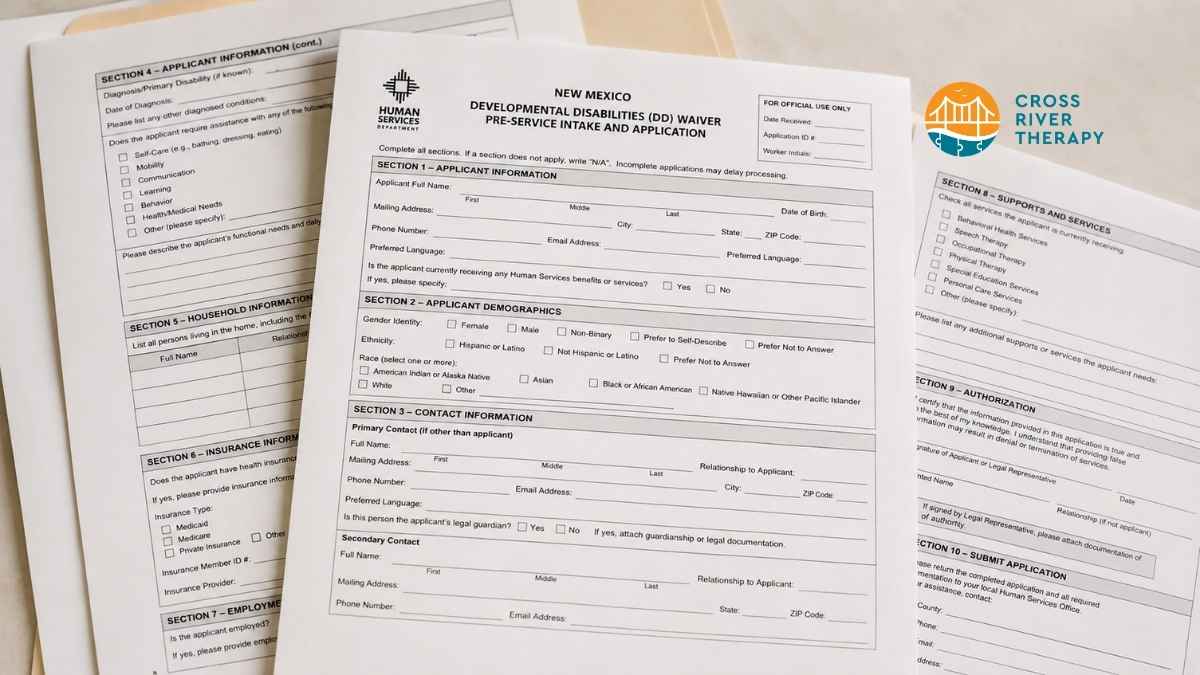
How to Apply for New Mexico’s DD Waiver While Starting ABA Therapy
Autism waiver New Mexico applications need DD Waiver records and proof of daily support needs. Your next step is to start ABA intake with Cross River.

Is ABA Therapy Covered by Insurance in New Jersey? What Every Parent Should Know
ABA therapy insurance New Jersey may cover medically necessary care based on plan type, network, and authorization. Verify benefits with Cross River.

How ABA Therapy Builds Communication for Nonverbal Children Without Forcing Speech
ABA therapy communication for nonverbal children starts with AAC, signs, and daily routines. See how kids ask, refuse, choose, and get help.

How to Start ABA Therapy in New Jersey With a First-Call Checklist
How to start ABA therapy in New Jersey begins with records, insurance details, and intake questions. Use this first-call checklist before you call.

How to Get an Autism Evaluation in Arkansas Before Starting ABA Therapy
How to get an autism evaluation in Arkansas starts with a referral, provider choice, and key records. Use this parent checklist before ABA intake.