








Rejection Sensitive Dysphoria In Autism
Discover signs, coping strategies, and support for your child's emotional well-being.


Understanding Rejection Sensitive Dysphoria
Rejection Sensitive Dysphoria (RSD) is a phenomenon characterized by intense emotional reactions and distress in response to perceived rejection or criticism. It is often linked to Attention Deficit Hyperactivity Disorder (ADHD), although it is not officially listed in the diagnostic criteria. RSD is also observed in individuals with autism, further complicating the emotional landscape for those affected.
Definition and Characteristics
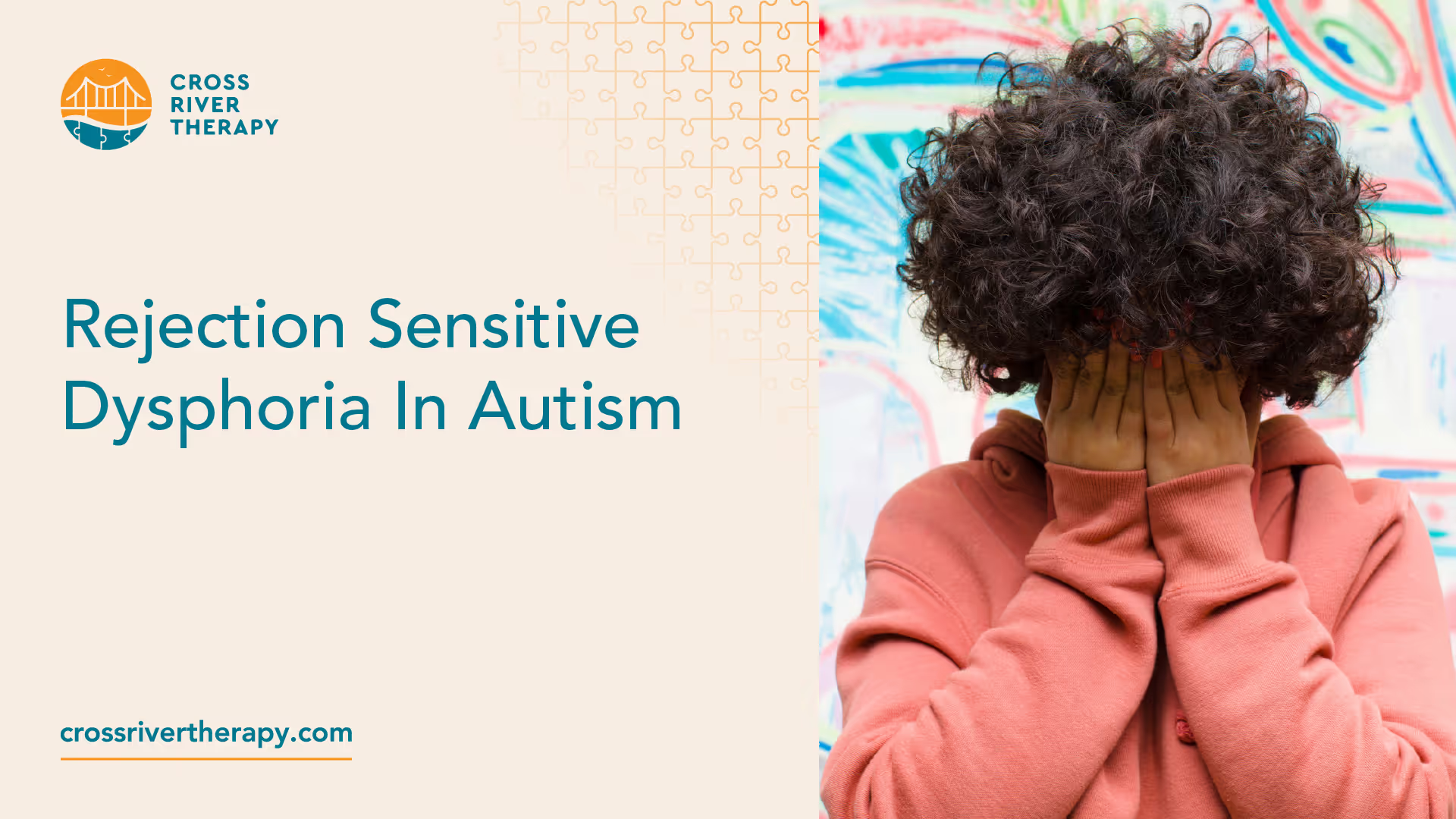
RSD is defined by significantly heightened and intense negative feelings, as well as severe emotional pain in response to rejection or criticism. The emotional impact of RSD can be overwhelming and may interfere with daily functioning and social interactions. Individuals with RSD may experience feelings of shame, embarrassment, and self-doubt, even in response to perceived or imagined rejection or criticism.
Research has found a strong association between RSD and ADHD, with studies showing that individuals are more likely to have RSD if they have ADHD. This connection is suspected to occur due to differences in brain structure, leading to intense emotional pain related to rejection [1]. It is essential to note that RSD is not limited to individuals with ADHD and can also occur in individuals with autism.
Link to ADHD and Autism
The link between RSD and ADHD is significant, as individuals with ADHD may find rejection more distressing and painful. Social rejection triggers brain activity similar to physical pain, contributing to the intensity of RSD [2]. While RSD is not a diagnostic criterion for autism, it is frequently observed in individuals on the autism spectrum.
Autistic individuals may experience increased rejection due to having to function in a world not designed for them, which can contribute to the development of RSD [3]. The combination of autism and RSD can lead to unique challenges in social interactions and emotional regulation, making it crucial for parents and caregivers to understand and support individuals with RSD.
By recognizing and understanding the characteristics of RSD and its connection to ADHD and autism, parents can provide the necessary support and create a supportive environment for their children. In the following sections, we will delve deeper into the impact of RSD on autistic individuals, signs and symptoms to look out for in children, coping strategies for parents, and the importance of seeking professional help when needed.
Impact on Autistic Individuals
Autistic individuals may experience unique challenges when it comes to social interactions and emotional regulation. These challenges can be further complicated by the presence of Rejection Sensitive Dysphoria (RSD), a condition commonly found in individuals with autism.
Challenges in Social Interactions
Autistic individuals often face difficulties in understanding social norms, nonverbal communication, and navigating social interactions. These challenges can contribute to the adoption of RSD qualities, such as people-pleasing, as a way to fit in and avoid rejection [2]. The struggle to interpret and respond appropriately to social cues can lead to miscommunication, misunderstandings, and potential rejection from others.
Autistic individuals may also experience increased rejection and punishment for not meeting neurotypical standards, which can contribute to the development of RSD. Additionally, those with strong emotional sensitivity may experience social and interpersonal rejection more intensely than non-autistic individuals, further increasing rejection sensitivity.
Emotional Regulation Difficulties
Emotional regulation can be particularly challenging for individuals with autism, exacerbating the experience of RSD. Autistic individuals may struggle with accurately identifying and differentiating emotions, such as feeling sad and disappointed versus feeling rejected in response to social situations. This difficulty in understanding and managing emotions can make the emotional impact of external rejections or criticisms more intense.
The presence of RSD in autism can significantly impact coping mechanisms. Autistic individuals with RSD may develop a highly critical inner voice that constantly criticizes their actions and behavior, intensifying the emotional impact of external rejections or criticisms [1]. This heightened self-criticism and emotional sensitivity can lead to increased levels of anxiety, depression, and even the development of eating disorders.
Understanding the challenges faced by autistic individuals in social interactions and emotional regulation is crucial for providing appropriate support and intervention. By recognizing the impact of RSD, parents, caregivers, and professionals can work together to develop strategies and techniques to help autistic individuals navigate social situations and foster emotional well-being.
Recognizing Rejection Sensitive Dysphoria in Children
Recognizing and understanding Rejection Sensitive Dysphoria (RSD) in children with autism is crucial for providing appropriate support and intervention. RSD can significantly impact their emotional well-being and social interactions. In this section, we will explore the signs and symptoms of RSD in children and their reactions to rejection.
Signs and Symptoms
Identifying the signs and symptoms of RSD in children can help parents and caregivers better understand their experiences and provide the necessary support. While the manifestation of RSD can vary from child to child, there are common indicators to look out for, including:
- Intense Emotional Response: Children with RSD may exhibit intense emotional reactions to rejection, criticism, or perceived failure. They may become overwhelmed by negative emotions, such as sadness, anger, or frustration, which can be disproportionate to the situation.
- Low Self-Esteem: RSD can contribute to low self-esteem and feelings of worthlessness in children. They may internalize rejection, leading to self-critical thoughts and a negative self-image.
- Social Withdrawal: Children with RSD may avoid social interactions or isolate themselves to protect themselves from potential rejection. They may struggle to form and maintain lasting relationships with peers, friends, and family members.
- Heightened Sensitivity: RSD can amplify sensitivity to social cues, making children more prone to misinterpretation. They may perceive neutral comments or actions as criticism or rejection, leading to feelings of hurt or being misunderstood.
- Masking Behaviors: To cope with the fear of rejection, children with RSD may engage in masking behaviors. They might try to suppress their true emotions, mimic social behaviors, or conform to societal norms to avoid criticism or rejection.
It's important to note that these signs and symptoms can vary based on factors such as the child's age, social skills, and the nature of the relationships they have with others [4].
Reactions to Rejection
Children with RSD may react differently to rejection compared to their neurotypical peers. Rejection, whether real or perceived, can trigger intense emotional responses and internal turmoil. Their reactions may include:
- Emotional Distress: Rejection can elicit intense emotional distress in children with RSD. They may experience overwhelming sadness, anger, or frustration. These emotions can be difficult to regulate and may persist for an extended period.
- Self-Doubt and Self-Criticism: Rejection can lead children with RSD to doubt their worth and abilities. They may engage in self-critical thoughts, believing that they are inherently flawed or unworthy of acceptance.
- Avoidance and Social Withdrawal: To protect themselves from potential rejection, children with RSD may withdraw from social situations. They may avoid participating in activities or engaging with others to minimize the risk of facing rejection or criticism.
- Negative Coping Mechanisms: Some children with RSD may develop negative coping mechanisms in response to rejection. They may engage in self-destructive behaviors, such as self-harm or substance abuse, as a way to cope with the emotional pain.
Understanding these reactions can help parents and caregivers provide effective support and create a safe and nurturing environment for children with RSD. It's essential to validate their emotions, teach healthy coping strategies, and encourage open communication about their experiences. Seeking professional help and guidance can also be beneficial in managing RSD in children [2].
Coping Strategies for Parents
As a parent of a child with autism who experiences rejection sensitive dysphoria (RSD), it's important to provide support and help your child build resilience and self-esteem. By implementing coping strategies, you can assist your child in navigating the challenges associated with RSD.
Supporting Children with RSD
Supporting your child with RSD involves creating a safe and understanding environment where they feel accepted and valued. Here are some strategies to consider:
- Open Communication: Encourage your child to express their feelings and emotions openly. Create a safe space for them to share their experiences without judgment.
- Validation and Empathy: Validate your child's emotions and experiences. Show empathy by acknowledging their feelings and offering understanding and support.
- Education and Awareness: Educate yourself and others about RSD and its impact on autistic individuals. This knowledge can help you better understand your child's experiences and provide informed support.
- Advocacy: Advocate for your child's needs and ensure they receive appropriate accommodations and support in various settings, such as school or social activities.
Building Resilience and Self-Esteem
Building resilience and self-esteem in children with RSD can help them navigate rejection and criticism more effectively. Consider the following strategies:
- Strength-based Approach: Focus on your child's strengths and celebrate their achievements. Encourage them to pursue activities that bring them joy and build their confidence.
- Encouragement: Provide positive reinforcement and encouragement. Recognize their efforts and celebrate their progress, no matter how small.
- Teach Coping Skills: Help your child develop coping skills to manage their emotions and handle rejection. This can include deep breathing exercises, mindfulness techniques, or engaging in activities they find calming and enjoyable.
- Social Support: Encourage your child to cultivate social connections with understanding peers and individuals who appreciate them for who they are. Supportive friendships can provide a sense of belonging and reduce the impact of rejection.
Remember, seeking professional help, such as therapy and counseling, can be beneficial in supporting your child with RSD. A therapist who specializes in working with autistic individuals can help your child develop effective coping strategies, manage anxiety, and improve overall well-being.
In addition to the coping strategies mentioned above, it is important for parents to practice self-care. Taking care of your own well-being and seeking support for yourself can help you navigate the challenges of supporting a child with RSD. Remember, you are not alone, and there are resources and support groups available to assist you and your family. Connect with support groups and organizations that specialize in autism to gain valuable insights and share experiences. Together, you can create a supportive network that fosters understanding, acceptance, and resilience.
Seeking Professional Help
When it comes to managing rejection sensitive dysphoria in individuals with autism, seeking professional help can be instrumental in providing support and guidance. Therapeutic interventions and counseling options can help individuals with autism and their families better understand and cope with the challenges associated with rejection sensitive dysphoria.
Therapy and Counseling Options
There are various therapy and counseling options available for individuals experiencing rejection sensitive dysphoria in the context of autism. These interventions aim to address the emotional and social difficulties associated with RSD, promoting better emotional regulation and overall well-being.
- Cognitive-Behavioral Therapy (CBT): CBT is a commonly used therapeutic approach that helps individuals identify and challenge negative thought patterns and develop healthier coping strategies. CBT can be particularly effective in helping individuals with autism and rejection sensitive dysphoria reframe their thoughts and manage emotional responses to perceived rejection or criticism.
- Dialectical Behavior Therapy (DBT): DBT is another therapeutic approach that combines elements of CBT with mindfulness techniques. It focuses on emotional regulation, distress tolerance, and interpersonal effectiveness. DBT can help individuals with autism and rejection sensitive dysphoria develop skills to manage intense emotions and improve communication and relationships.
- Social Skills Training: Social skills training can be beneficial for individuals with autism who struggle with social interactions and may experience difficulties related to rejection sensitive dysphoria. These programs aim to enhance social understanding, communication, and relationship-building skills, providing individuals with tools to navigate social situations with greater confidence and resilience.
Importance of Early Intervention
Early intervention is crucial when it comes to addressing rejection sensitive dysphoria in individuals with autism. The earlier the intervention, the better equipped individuals and their families can be in managing the emotional challenges associated with RSD.
Early intervention programs can provide a range of support services, including therapy, counseling, and skill-building activities. These programs often take a holistic approach, considering the unique needs of the individual and tailoring interventions to address specific challenges related to rejection sensitive dysphoria.
By seeking professional help and engaging in therapy or counseling, individuals with autism and rejection sensitive dysphoria can develop effective coping strategies, emotional regulation skills, and self-esteem. Early intervention can make a significant difference in improving the overall well-being and quality of life for individuals with autism and their families.
It's important to remember that seeking professional help is not a sign of weakness, but rather a proactive step towards understanding and managing rejection sensitive dysphoria. With the right support, individuals with autism can develop the necessary skills to navigate social interactions and emotions, leading to improved overall functioning and a better quality of life.
Community Support and Resources
Navigating rejection sensitive dysphoria (RSD) in the context of autism can be challenging, but finding support and resources can make a significant difference in the well-being of individuals and their families. In this section, we will explore two essential aspects of community support: connecting with support groups and educating and raising awareness.
Connecting with Support Groups
One of the most valuable resources for individuals and families affected by rejection sensitive dysphoria (RSD) in autism is support groups. These groups provide a safe space for individuals to share their experiences, seek advice, and connect with others who can relate to their challenges. Being part of a support group can offer a sense of belonging and understanding, reducing feelings of isolation and providing an opportunity for mutual support.
There are various ways to find support groups for autism and RSD, both online and in-person. Online platforms, such as forums and social media groups, can connect individuals from different geographical locations, allowing for a diverse range of experiences and perspectives. Local autism organizations and community centers may also host support groups, providing opportunities for in-person connections and discussions.
When seeking out support groups, it's beneficial to find those specifically tailored to autism and RSD. These groups often have moderators or facilitators who can ensure a respectful and inclusive environment. Engaging with a supportive community can provide emotional validation, practical strategies, and a network of individuals who understand the unique challenges associated with RSD.
Educating and Raising Awareness
Another crucial aspect of community support is education and raising awareness about rejection sensitive dysphoria (RSD) in autism. By increasing understanding and knowledge about RSD, we can foster empathy, reduce stigma, and create a more inclusive society.
Parents, caregivers, and individuals themselves can play an active role in educating others about RSD. Sharing personal experiences, resources, and information can help dispel misconceptions and promote acceptance. Social media platforms, blogs, and local community events can serve as powerful tools for raising awareness.
Collaborating with local schools, healthcare providers, and organizations that focus on autism can also contribute to increased awareness. By advocating for RSD awareness and inclusion within these institutions, we can create more supportive environments for autistic individuals experiencing RSD.
Additionally, it is important to recognize that rejection sensitivity intersects with systemic issues such as racism, sexism, homophobia, and oppression. Autistic individuals who belong to BIPOC communities and non-men may experience RSD more commonly and intensely due to these intersecting factors. Addressing and dismantling these systems on an individual and societal level is crucial in creating a more equitable and supportive environment for all individuals.
By connecting with support groups and actively participating in raising awareness, individuals and families affected by RSD in autism can find solidarity, share knowledge, and contribute to a more inclusive society. Remember, you are not alone on this journey, and together we can create positive change and support for all individuals impacted by rejection sensitive dysphoria.
References
[1]: https://www.abtaba.com/blog/rejection-sensitive-dysphoria-and-autism
[2]: https://www.goldstarrehab.com/parent-resources/rejection-sensitive-dysphoria-and-autism
[3]: https://www.verywellmind.com/what-to-know-about-autism-and-rejection-sensitive-dysphoria-7097539
[4]: https://www.autismparentingmagazine.com/autism-dysphoria-link/
Recent News
Related articles

6 Arkansas Medicaid ABA Therapy Rules Families Need to Know
Arkansas Medicaid ABA therapy has age, diagnosis and approval rules. Families can check six requirements before care.

Arizona Autism Laws for ABA Coverage and School Rights
Arizona autism laws for ABA coverage vary by plan. Families can check insurance, appeal options, and school rights.

ABA Therapist Salary in Arkansas for RBTs and BCBAs
Compare ABA therapist salary in Arkansas by role. See how paid hours and benefits affect earnings before applying.

5 Autism Support Groups and Family Resources in New Mexico
Autism support groups in New Mexico connect families. Local resources offer events, parent support, and school help.

Where to Get an Autism Evaluation in New Mexico
Autism evaluation options in New Mexico include UNM and NMSU. Age and referral details help parents prepare.

7 North Carolina Autism Resources to Contact Before ABA Therapy Starts
Autism resources North Carolina families can call for diagnosis, early intervention, rights, and parent support. Start ABA intake with Cross River.

Does Indiana Medicaid Cover ABA Therapy? A Parent Checklist
Indiana Medicaid ABA therapy may cover care for eligible children. The checklist covers coaching and renewals.

How to Apply for the New Mexico DD Waiver
Your NM DD waiver application starts with state intake. The steps cover records, submission, and enrollment.

Does Insurance Cover ABA Therapy in New Jersey?
ABA therapy insurance in New Jersey varies by plan. Learn what NJ FamilyCare covers and how to check costs.

How ABA Therapy Builds Communication for Nonverbal Children Without Forcing Speech
ABA therapy communication for nonverbal children starts with AAC, signs, and daily routines. See how kids ask, refuse, choose, and get help.

How to Start ABA Therapy in New Jersey With a Checklist
Your guide explains how to start ABA therapy in New Jersey. A first-call checklist covers records and next steps.

How to Get an Autism Evaluation in Arkansas Before Starting ABA Therapy
How to get an autism evaluation in Arkansas starts with a referral, provider choice, and key records. Use this parent checklist before ABA intake.