








Smart homes for autism comfort and energy savings
Enhancing Lives and Energy Efficiency with Smart Homes for Autism

Introduction to Smart Home Technologies for Autism Support
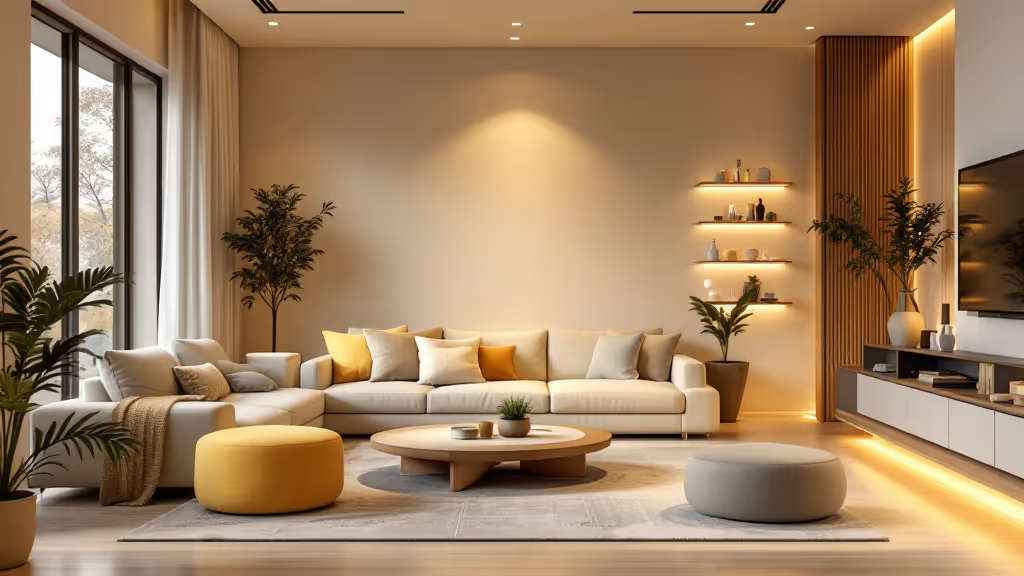
Smart homes are revolutionizing how we live by merging comfort, safety, and energy efficiency. For individuals with autism, smart home technologies are particularly valuable as they provide tailored support for unique sensory needs. This article delves into the integration of these technologies to improve daily living conditions, maximize comfort, and ensure energy savings for families.
Smart Technology: A Foundation for Comfort and Efficiency
How can smart home technology enhance comfort and energy efficiency for individuals with autism?
Smart home technology can significantly enhance comfort and energy efficiency for individuals with autism by allowing for personalized control of their environment. Automated systems can adjust lighting and temperature based on user preferences, which helps mitigate sensory overload and create a calmer atmosphere.
The integration of energy-efficient devices, such as smart thermostats and plugs, optimizes energy usage by automatically adjusting settings based on daily habits and turning off devices that are not in use. This can lead to impressive savings on utility bills—families may see a reduction of up to 30% in energy costs.
Smart lighting solutions offer adjustability in brightness and color, which is crucial since individuals with autism often have sensitivities to harsh lighting. The ability to customize these settings can result in a more soothing environment, reducing anxiety levels for those affected.
Additionally, smart leak sensors and energy monitoring systems help identify and eliminate wasteful practices, contributing to more resource-efficient homes. In essence, these technologies not only cater to the specific comfort needs of individuals with autism but also promote long-term energy savings and sustainability.
Summary Table of Key Features
Smart TechnologyBenefitsEnergy Efficiency Smart Thermostats Improved temperature control 10-15% energy savings Smart Lighting Customizable brightness and color Up to 70% savings Smart Plugs Energy management for devices 5-15% savings/device Smart Sensors Enhanced safety and monitoring N/A
Key Features of Smart Home Applications Supporting Autism

What features of smart home applications are specifically beneficial for individuals with autism?
Smart home applications are tailored to create environments that cater to the unique needs of individuals with autism, thereby enhancing their safety, independence, and comfort. Here are some critical aspects:
- Safety Monitoring: Advanced monitoring systems can detect unusual movements and prevent wandering, providing peace of mind for caregivers.
- Customizable Smart Lighting: The ability to adjust brightness and color temperature helps reduce sensory overload, creating calming atmospheres. Lighting can also be automated based on routines, leading to a more predictable environment.
- Noise-Canceling Devices: These devices help mitigate environmental sounds that may overwhelm individuals with autism, thus fostering a sense of tranquility.
- Automated Routines: Tailored scheduling features can guide individuals through daily tasks, reducing anxiety and enhancing their independence while easing the burden on caregivers.
- Temperature Control: Smart thermostats maintain comfortable indoor temperatures, vital for individuals sensitive to environmental changes.
- Energy Management: By tracking energy usage, families can save on utility bills, allowing more resources to be directed toward autism care needs.
Together, these features not only create safe and comfortable living conditions but also promote autonomy, significantly improving the quality of life for individuals with autism.
Creating Autism-Friendly Environments with Smart Innovations

What are some strategies for creating autism-friendly living environments using smart home innovations?
Creating a comfortable living environment for individuals with autism involves leveraging smart home technologies that cater specifically to their sensory needs. Here are some effective strategies:
- Adjustable Sensory-Friendly Lighting: Utilizing smart lighting systems allows caregivers to customize brightness and color temperature. For example, soft blue or green hues can be employed to create a calming atmosphere, reducing anxiety levels and minimizing overstimulation.
- Stability in Home Conditions: Smart thermostats can help maintain consistent indoor temperatures, adjusting automatically based on occupancy and preferences. This is vital as individuals with autism may be sensitive to temperature fluctuations, which can lead to discomfort.
- Noise Reduction: Implementing sound-absorbing materials and noise-canceling technology can help filter out disruptive sounds, creating a tranquil environment. This is crucial for those who experience heightened sensitivities to noise.
- Enhanced Safety Features: Smart sensors can monitor environmental conditions and detect unusual activities, which provides peace of mind for caregivers. These systems can alert them to potential hazards, ensuring a safer space for individuals with autism.
- Promoting Independence: Smart home devices enable individuals to control their environments with greater autonomy, fostering independence. Features such as voice-activated lighting and temperature adjustments allow them to customize their surroundings, aligning with their personal sensory preferences.
By integrating these smart home innovations, families can create an autism-friendly environment that supports comfort, safety, and independence.
Designing Energy-Efficient Homes for Autism Needs
How can energy-efficient home designs be tailored to meet the needs of individuals with autism?
Energy-efficient home designs for individuals with autism focus on creating environments that enhance comfort, ensure stability, and lower energy expenses. These designs begin with effective insulation, which is crucial for maintaining consistent indoor temperatures. This stability minimizes sensory disruptions, a common challenge for many individuals on the autism spectrum.
Key Features of Energy-Efficient Home Designs:
- LED Lighting: This technology reduces energy consumption by up to 75% and allows customization of brightness and color temperatures. Soft, calming lighting can alleviate anxiety and create a soothing atmosphere.
- Smart Thermostats: These devices are instrumental in optimizing heating and cooling based on occupancy and personal preferences. They can save families 10-15% on utility bills while ensuring comfort.
- Calming Color Schemes: Utilizing soothing colors in decor can significantly impact mood, promoting relaxation and emotional stability.
Another critical aspect is creating designated quiet spaces within the home. These areas can feature sound-absorbing materials to minimize environmental noise and help reduce overstimulation.
Incorporating renewable energy sources such as solar panels can enhance sustainability and lead to additional cost savings. Families can channel saved funds towards essential care services, further augmenting the quality of life for individuals with autism.
With various funding programs available, implementing these tailored designs becomes more achievable, allowing families to foster supportive environments.
Feature Benefits Potential Savings Effective insulation Reduces energy costs Up to 30% LED lighting Calming environment Significant utility reductions Smart thermostats Customized comfort 10-15% on heating/cooling Renewable energy Financial savings Redirect funds to autism care
Renewable Energy: A Catalyst for Comfort in Autism Households
In what ways can renewable energy solutions impact the comfort of autism households?
Renewable energy solutions can significantly enhance the comfort of households with individuals on the autism spectrum by providing a stable and predictable energy source, which is crucial for emotional well-being. The integration of technologies such as solar panels and wind turbines allows families to reduce their reliance on traditional energy, leading to consistent energy supply and savings on utility bills.
Benefits of Renewable Energy in Autism-Friendly Environments
- Enhanced Comfort: Utilizing energy-efficient solutions like smart lighting and HVAC systems aids in minimizing sensory overload. Customized lighting can be adjusted for brightness and color, creating a calmer environment that is essential for autistic individuals.
- Financial Savings: The reduced energy costs associated with renewable energy can be redirected toward essential therapies, educational resources, or other support services needed for individuals with autism. These financial benefits also alleviate the stress of managing household expenditures.
- Improved Air Quality: Cleaner air from renewable energy sources contributes to better respiratory health for all family members, particularly those with autism, who may be sensitive to pollution. Enhanced air quality promotes a healthier living environment, which supports emotional stability and reduces anxiety.
- Increased Independence: Engaging with eco-friendly technologies promotes autonomy. Smart home devices can facilitate communication and environmental management, empowering individuals with autism to personalize their living spaces.
Overall, the implementation of renewable energy solutions helps create healthier, more nurturing atmospheres that cater to the unique needs of autism households, ensuring comfort and well-being for all occupants.
Harnessing Smart Lighting for Emotional Stability
Smart lighting and sensory comfort
Smart lighting solutions are revolutionizing environments for individuals with autism, providing immense comfort by adapting to their unique sensory needs. Traditional light bulbs often contribute to sensory overload, but smart lighting can reduce anxiety and promote emotional stability through adjustable brightness and color options. The ability to customize light intensity and color can be crucial for individuals sensitive to environmental factors, creating a soothing atmosphere that mitigates sensory discomfort. Research indicates that smart lighting can yield energy savings of up to 70%, a significant benefit given the average household spends over $900 annually on energy costs.
Customizable lighting features
Custom lighting features enable families to tailor environments specifically for their loved ones. For instance, circadian lighting adjustments can align with natural sleep-wake cycles, promoting better focus and relaxation. Utilizing soft, calming colors like blue or green encourages tranquility, while programmable features allow for schedules and routines that enhance predictability—a vital aspect for individuals with autism. Investing in smart lighting not only fosters emotional comfort but also contributes to energy efficiency, ultimately benefiting both families and the environment.
Integrating Smart Sensors for Enhanced Safety
Safety Features of Smart Homes
Smart home technology significantly enhances the safety of individuals with autism through the integration of advanced monitoring systems. These systems include smart sensors that can detect motion, temperature fluctuations, and even hazardous gas levels, allowing caregivers to easily monitor the living environment. In addition, safety alerts can be sent directly to caregivers’ smartphones, offering immediate notifications about unusual activities. This means families can maintain a safe atmosphere while allowing their children some independence.
Monitoring Systems
Automated monitoring systems play a crucial role in supporting safety for individuals with autism. Cameras and sensors can track daily activities and behaviors, ensuring that routines are adhered to. This predictability is essential for many on the autism spectrum, as it can help reduce anxiety and improve emotional stability. Moreover, personal emergency response systems can be integrated into smart home environments, providing an additional layer of security. These features empower caregivers by offering peace of mind that their loved ones are secure and safe in their homes.
Autonomy through Smart Home Technologies
Empowering Individuals with Autism
Smart home technologies offer transformative benefits for individuals with autism, fostering independence and empowering them to manage their environments. By enabling customization of lighting, temperature, and sound levels through user-friendly interfaces, these devices allow individuals to make choices that suit their sensory needs. Voice-activated systems and intuitive apps enhance communication and empower users to express their preferences without requiring constant assistance from caregivers.
Independence Through Technology
Voice-controlled smart devices promote self-reliance, allowing users to modify their surroundings at any time. This autonomy reduces anxiety around unexpected sensory inputs, providing a sense of control over their environment. Automation of daily routines—like lighting schedules and temperature adjustments—creates predictability, essential for many individuals with autism. Furthermore, the use of smart sensors enhances safety by alerting caregivers to unusual activities, supporting independence for individuals while providing peace of mind for families.
Energy-Saving Strategies for Autism-Friendly Homes
Energy-efficient practices
Energy-efficient homes provide numerous benefits for families with individuals on the autism spectrum. For instance, implementing smart thermostats can lead to savings of 10-15% on heating and cooling costs, crucial for budgeting for autism-related expenses. Using energy-efficient appliances can also contribute to annual savings of over $100, directing funds towards necessary therapies and support.
In addition, smart lighting solutions, such as LED bulbs, can reduce energy consumption by approximately 75%. These lighting options not only save costs but also reduce sensory overload by providing customizable brightness and color settings that cater to individual sensitivities.
Sensory-friendly solutions
Creating a sensory-friendly environment necessitates a focus on both comfort and efficiency. Smart home technologies enable the customization of lighting and temperature, which is essential for those with sensory processing challenges. For example, automated systems can adjust the home environment based on time of day and occupancy, further enhancing well-being.
Moreover, investing in proper insulation contributes to maintaining consistent indoor temperatures, thus reducing sensory disruptions. Incorporating sound-absorbing materials and noise-reduction strategies, such as heavy curtains, can minimize noise pollution, offering a calm atmosphere crucial for individuals with autism.
Implementing these energy-saving strategies not only supports families financially but also cultivates nurturing environments tailored to the needs of those on the autism spectrum.
Financial and Sensory Benefits of Sustainable Designing
Cost savings and sustainability
Sustainable home designs significantly benefit families with autism by lowering energy costs and improving comfort. With the average American household spending over $900 annually on heating and cooling, implementing energy-efficient solutions can lead to substantial savings. For instance, families can achieve up to a 30% reduction in utility bills by investing in solar energy and energy-efficient appliances such as Energy Star-rated models. This financial relief allows families to channel resources into essential care services.
Smart home technologies play a pivotal role in enhancing energy efficiency. Smart thermostats can adjust temperatures based on occupancy and preferences, saving families about 10-15% on energy expenses. Similarly, smart lighting solutions using LED bulbs can cut energy consumption by approximately 75%.
Impact on sensory health
Beyond financial advantages, sustainable home designs prioritize sensory health profoundly. Features such as proper insulation maintain consistent indoor temperatures, crucial for preventing sensory overload among individuals with autism. Furthermore, using sound-absorbing materials and customizable lighting enhances comfort and minimizes anxiety triggered by harsh stimuli.
Tailored environments created by smart technologies, which allow control over lighting brightness and color temperatures, can soothe and relax individuals with autism, promoting emotional stability and well-being.
Conclusion: A Holistic Approach to Smart Home Living for Autism
Through intelligent design and technology, smart homes offer an array of benefits that vastly improve the quality of life for individuals with autism and their families. By investing in energy-efficient solutions, integrating renewable energy, and employing smart technologies, families can achieve a harmonious balance of comfort, safety, and economic efficiency. As we continue to innovate, the potential for creating nurturing, personalized home environments only grows, offering hope and support to those who need it most.
References
- Smart Homes Tailored for Autism Serenity - B Above Services
- Empowering Comfort: Smart Home Innovations for Autism and ...
- Smart Homes for Autism Comfort and Savings - At-Home ABA ...
- Energy-Efficient Homes for Autism Families | Discovery ABA
- Smart Energy Positive Influence on Autism Homes - B Above Services
- Energy-Saving Strategies For Autism-Friendly Homes
- Autism-Friendly Home Automation with Clean Energy | Discovery ABA
- Autism and Energy-Efficient Smart Lighting - Bridge Care ABA Therapy
- Eco-Friendly Aid: Energy-Efficient Solutions for Autism Support
Recent News
Related articles

6 Arkansas Medicaid ABA Therapy Rules Families Need to Know
Arkansas Medicaid ABA therapy has age, diagnosis and approval rules. Families can check six requirements before care.

Arizona Autism Laws for ABA Coverage and School Rights
Arizona autism laws for ABA coverage vary by plan. Families can check insurance, appeal options, and school rights.

ABA Therapist Salary in Arkansas for RBTs and BCBAs
Compare ABA therapist salary in Arkansas by role. See how paid hours and benefits affect earnings before applying.

5 Autism Support Groups and Family Resources in New Mexico
Autism support groups in New Mexico connect families. Local resources offer events, parent support, and school help.

Where to Get an Autism Evaluation in New Mexico
Autism evaluation options in New Mexico include UNM and NMSU. Age and referral details help parents prepare.

7 North Carolina Autism Resources to Contact Before ABA Therapy Starts
Autism resources North Carolina families can call for diagnosis, early intervention, rights, and parent support. Start ABA intake with Cross River.

Does Indiana Medicaid Cover ABA Therapy? A Parent Checklist
Indiana Medicaid ABA therapy may cover care for eligible children. The checklist covers coaching and renewals.

How to Apply for the New Mexico DD Waiver
Your NM DD waiver application starts with state intake. The steps cover records, submission, and enrollment.

Does Insurance Cover ABA Therapy in New Jersey?
ABA therapy insurance in New Jersey varies by plan. Learn what NJ FamilyCare covers and how to check costs.

How ABA Therapy Builds Communication for Nonverbal Children Without Forcing Speech
ABA therapy communication for nonverbal children starts with AAC, signs, and daily routines. See how kids ask, refuse, choose, and get help.

How to Start ABA Therapy in New Jersey With a Checklist
Your guide explains how to start ABA therapy in New Jersey. A first-call checklist covers records and next steps.

How to Get an Autism Evaluation in Arkansas Before Starting ABA Therapy
How to get an autism evaluation in Arkansas starts with a referral, provider choice, and key records. Use this parent checklist before ABA intake.