








Solar power for autism support networks
Harnessing Renewable Energy for Autism Care Enhancement

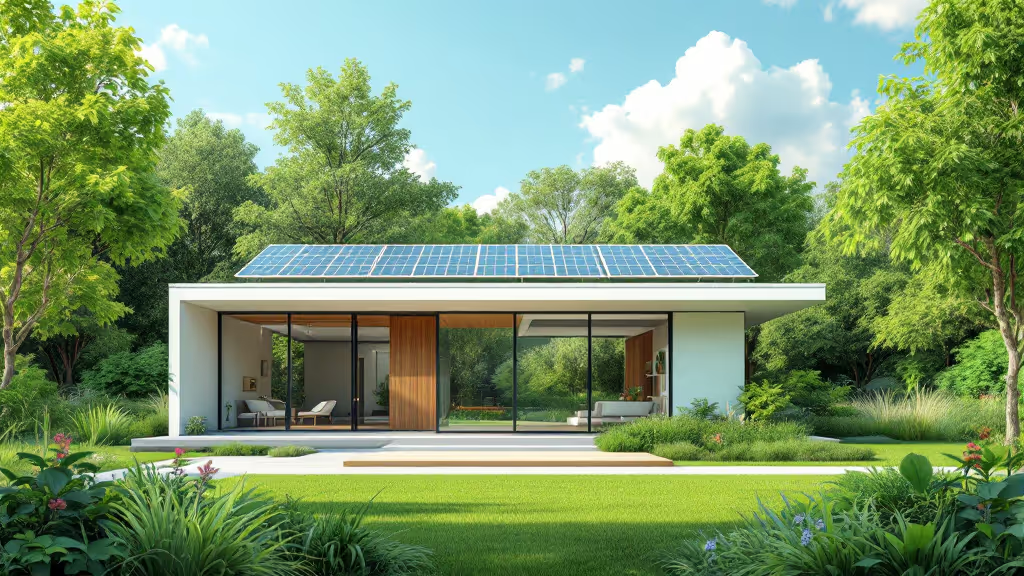
The Growing Interconnection Between Solar Energy and Autism Support
As the world shifts towards sustainable energy solutions, the application of solar power within autism support networks emerges as a transformative venture. It not only promises economic savings and enhanced service delivery but also improves the overall living environment for those with Autism Spectrum Disorder (ASD). This article delves into the intersection of solar energy and autism care, exploring its benefits, successful implementations, and challenges involved.
How Solar Energy Works
How does solar energy work?
Solar energy operates primarily through two distinct technologies: photovoltaic (PV) systems and solar thermal systems.
Photovoltaic Systems
PV devices, commonly known as solar cells, convert sunlight directly into electricity. These cells are made up of semiconductor materials, typically silicon, that generate an electric current when exposed to sunlight. This electricity can power anything from small devices to entire homes and even large utility-scale operations. The efficiency of solar cells has seen significant improvements, with modern modules reaching conversion efficiencies close to 20%. This makes them a viable option for harnessing solar power effectively.
Solar Thermal Systems
In contrast, solar thermal systems capture sunlight to generate heat. This heat can be utilized for various applications, such as heating water and indoor spaces, or it can be employed in solar thermal power plants. By converting sunlight into thermal energy, these systems provide an alternative method to harness solar energy for direct heating purposes.
Keeping in mind that solar energy is a sustainable and renewable resource, it plays a significant role in reducing our reliance on fossil fuels and contributes to a greener energy landscape. Its increasing adoption is evident, making it a crucial part of the energy conversation in the U.S. and beyond.
Introducing Solar Energy Systems in Autism Care

What is a solar energy system?
A solar energy system harnesses sunlight to generate electricity or heat through two primary technologies: photovoltaics (PV) and concentrating solar-thermal power (CSP).
Photovoltaics (PV) convert sunlight directly into electricity using semiconductor materials, primarily silicon.
Concentrating Solar-Thermal Power (CSP) utilizes mirrors to focus sunlight to produce heat, which is then harnessed to generate electricity.
Solar energy is abundant; in just an hour and a half, it provides enough energy to meet global energy needs for an entire year. With advancements in technology, there are numerous types of solar cells, including thin-film, perovskite, and multijunction cells, each offering unique characteristics and efficiencies. The adoption of solar energy doesn't just support environmental sustainability; it also creates economic opportunities and helps reduce energy expenses for families and organizations.
What are the benefits of solar energy systems?
- Cost Savings:
- Autism care facilities report energy bill reductions of up to 50%, allowing funds to be redirected toward essential therapies and services.
- Operational Efficiency:
- Solar-powered organizations operate more efficiently, ensuring essential devices remain powered, which enhances the support services available for individuals with autism.
- Enhanced Indoor Environments:
- Utilizing solar energy improves air quality, reduces noise and emissions, and supports stable temperatures, creating sensory-friendly surroundings beneficial for those with autism.
- Community Empowerment:
- Engaging with solar initiatives fosters community support and builds networks among families affected by autism, essential for overall well-being.
Implementing solar energy systems not only revolutionizes the operational landscape for autism support centers but also significantly enhances the quality of care provided to individuals on the autism spectrum.
A Pathway to Accessibility: Solar Energy for Autism Communities
Is solar energy accessible for different communities, including autism support networks?
Solar energy holds great promise for various communities, notably autism support networks, but accessibility remains a barrier for many. Despite solar power being one of the most cost-effective renewable energy sources, challenges persist—particularly for low-income families. High initial installation costs and strict credit requirements can hinder access to solar technologies, leaving many vulnerable populations without the benefits of clean energy.
Cities are rising to meet these challenges by developing innovative solutions like community solar programs and power purchase agreements. These initiatives allow individuals who cannot install solar panels at their homes to access solar energy by participating in shared solar projects. This setup benefits those in unsuitable housing conditions or those with financial constraints by providing an affordable means to tap into renewable energy.
Moreover, engaging marginalized communities, including families impacted by autism, is crucial in the transition to renewable energy. Solicitating feedback and involving them in decision-making ensures that their unique needs are met, further facilitating the accessibility of solar solutions. Together, these strategies can pave the way for a future where solar energy benefits everyone, including underserved communities.
Challenges and strategies for accessibility
To elevate solar energy accessibility, organizations can implement strategic outreach and education initiatives, focusing on informing families about available resources and financial incentives. Programs that educate families about tax credits, rebates, and government support can unveil new possibilities for integrating solar energy within their homes and communities.
Additionally, partnerships with local nonprofits can help drive community engagement, ensuring that families receive the support they need to navigate the complexities of transitioning to solar energy. By addressing these challenges head-on and employing innovative strategies, solar energy can become a viable and accessible resource for all communities, including those reliant on autism support.
Economic, Environmental, and Health Benefits of Solar Power in Autism Support

What are the economic, environmental, and health benefits of using solar energy in autism support facilities?
Using solar energy in autism support facilities presents a variety of advantages that extend beyond financial savings.
Economic Benefits
- Cost Savings: Solar power can lower operational costs significantly, with care facilities saving between 20% to 50% on monthly energy bills. This enables the redirection of funds toward essential services, like therapies and educational programs for individuals with autism.
- Funding Opportunities: Various federal incentives, such as tax credits and grants, can help remain economical. Programs like the U.S. Inflation Reduction Act provide financial assistance for solar energy installations.
- Job Creation: The implementation of solar technology can also foster local employment opportunities, stimulating economic growth within the community.
Environmental Impact
- Reduced Carbon Emissions: Facilities utilizing solar energy can achieve carbon reductions of up to 80%. This drastic cut contributes to a healthier environment, decreasing greenhouse gas emissions and improving air quality.
- Sustainability Practices: Solar integration supports sustainability initiatives, promoting cleaner energy practices crucial for long-term operational efficiencies in autism care centers.
Health Improvements
- Enhanced Indoor Air Quality: Transitioning to solar energy improves air quality by reducing emissions associated with traditional energy sources. This is particularly beneficial for individuals with autism, who may have heightened sensitivities to air pollutants.
- Better Cognitive and Emotional Well-Being: Cleaner air and stable indoor environments help reduce irritability and stress levels, contributing positively to the overall mental health of individuals within these facilities.
By incorporating solar energy, autism support facilities not only enhance their economic viability but also contribute to environmental sustainability and improved health outcomes.
Securing Funding for Solar Initiatives in Autism Support Networks
What are potential funding options and financial implications for adopting solar energy in autism support networks?
The path to integrating solar energy into autism support networks can be made easier through various funding options and financial incentives. One notable program is the U.S. Department of Energy's Solar for All, which allocates $7 billion in grants specifically aimed at extending solar solutions to low-income households. This program can significantly benefit autism support networks in these communities by reducing energy costs and enhancing operational sustainability.
Another valuable funding source is the Rural Energy for America Program (REAP), which provides grants covering up to 50% of project costs for renewable energy systems. This makes solar installations not just a dream but a financially viable option for many autism-support organizations.
Moreover, the Federal Solar Investment Tax Credit (ITC) offers a lucrative 30% tax credit for solar projects, making the financial commitment more manageable. Local networks can also tap into Community Development Block Grants (CDBG) and utilize crowdfunding platforms to support and fund local solar initiatives.
In addition, partnerships with nonprofits like GRID Alternatives can lead to no-cost solar installations for autism support organizations, significantly alleviating financial burdens while promoting clean energy adoption within these communities.
By leveraging these funding options, autism support networks can enhance their services and improve the quality of life for individuals on the autism spectrum.
Improving Service Delivery Through Solar Adoption
Resource allocation improvements
Integrating solar energy into autism support services significantly boosts resource allocation by reducing operational costs. Facilities utilizing solar power can slash their electricity bills by as much as 50%. This financial relief allows autism care centers to redirect funds towards essential services, such as therapies and educational resources, enhancing the overall support provided to individuals with autism.
Furthermore, the long-term savings generated from solar energy ensure that autism programs can maintain sustainable funding, allowing for effective resource management. By achieving energy independence, centers minimize their reliance on traditional energy sources, which can fluctuate in cost, ensuring stable operational budgets.
Therapeutic enhancements
The adoption of solar energy not only supports economic benefits but also creates therapeutic enhancements for individuals with autism. Facilities powered by solar energy can enjoy improved air quality and reduced emissions, fostering healthier environments conducive to learning and development. Better indoor air quality, supported by the elimination of conventional pollutants, can enhance cognitive function and emotional well-being for those with heightened sensitivities.
Moreover, solar systems can contribute to making environments more sensory-friendly. With customizable lighting and temperature controls, autism centers can adapt to the specific needs of residents, thereby reducing sensory overloads. The integration of renewable energy also opens up opportunities for educational projects about sustainability, further benefiting individuals with autism through engaging and meaningful learning experiences.
Case Studies: Successful Solar Integration in Autism Support Facilities
Examples of Solar Adoption
Several autism support facilities have effectively integrated solar energy initiatives, with notable examples showcasing significant benefits. For instance, the Pacific Autism Family Centre has implemented solar panels that not only enhance their operational efficiency but also reduce energy costs, achieving a payback period that reflects the community's support and financial backing. Another exemplary project is CSAAC, which recorded annual savings of over $85,624 through its solar implementation, contributing to a reduction of carbon emissions.
Community solar projects like SUNation Cares also stand out by providing solar options at no cost, granting families access to renewable energy solutions that they might not otherwise afford.
Benefits Realized
The shift to solar power in these facilities has led to 20-50% reductions in operational costs, enabling resources to be redirected towards vital programs and therapies for individuals with autism. This integration also promotes better air quality and sensory-friendly environments, which are crucial for meeting the needs of individuals with autism. Moreover, facilities report enhanced community engagement and support networks as families rally around these sustainability efforts, improving overall experiences for those affected by autism.
Overall, the solar initiatives not only enhance financial sustainability but also provide a healthier, more engaging atmosphere conducive to the therapeutic needs of individuals with autism.
Enhancing Community Involvement: Solar Projects for Autism Support
Community Solar Projects
Community solar projects play a vital role in enhancing the affordability and accessibility of solar energy for autism support centers. These initiatives allow individuals who may not have the ability to install solar panels on their property to benefit from renewable energy. By participating in a shared solar installation, families can save on energy costs, potentially reducing their electricity bills by 5-20%. This alleviation of financial burdens makes a significant impact on families dealing with the costs associated with autism care.
Engagement Strategies
Successful engagement strategies are essential for implementing solar projects in autism support networks. Creating awareness about the benefits of renewable energy can empower community members and foster their active participation. Strategies include:
- Workshops and Seminars: Educate families about sustainability and the importance of solar energy in enhancing their living conditions.
- Partnerships: Collaborate with local businesses and non-profits that focus on environmental sustainability, thereby generating stronger networks of support.
- Community Events: Host gatherings that feature solar demonstrations, allowing community members to see the technology in action and understand its benefits.
These strategies not only promote the integration of solar energy but also nurture a supportive community for individuals with autism, fostering connection and resilience among families.
Mitigating Sensory Sensitivities with Solar Energy
Indoor Air Quality Improvements
Integrating solar energy into autism support facilities greatly enhances indoor air quality. By reducing reliance on fossil fuels and minimizing emissions, solar power contributes to cleaner air, which is crucial for individuals with heightened sensitivities commonly associated with autism. Improved air quality not only supports respiratory health but also enhances cognitive functioning, creating a more conducive environment for learning and development.
Acoustic and Lighting Benefits
Solar energy solutions also address sensory sensitivities through better lighting and reduced acoustic disruptions. Facilities powered by solar energy can utilize smart technologies to customize lighting parameters, catering to the specific needs of individuals with autism. Additionally, the implementation of solar panels typically leads to quieter operational systems compared to traditional energy sources, thus lowering noise levels in therapeutic environments. These adjustments help create calmer spaces that reduce stress and anxiety, further enhancing the overall support experience for individuals on the spectrum.
Challenges and Future Directions for Solar Energy in Autism Care
What Are the Potential Drawbacks?
While the integration of solar energy in autism support facilities presents numerous advantages, there are challenges to consider. Initial installation costs can be high and may deter some organizations from making the switch. Furthermore, not all facilities have adequate space for solar panel installation, which can limit access to this sustainable option.
Another challenge is the variability of solar energy output, which can depend on geographic location and weather conditions. Backup systems may become necessary to ensure uninterrupted power, which could add to operational complexities and costs.
What Are the Sustainability Plans for the Future?
Despite these challenges, the future of solar energy in autism care looks promising. Sustainability plans can include community partnerships to share resources and knowledge, as well as seeking government grants and incentives to offset costs. Engaging families and stakeholders can also foster support and raise awareness about the benefits of solar energy.
Innovative financing options, such as power purchase agreements and community solar initiatives, provide avenues for organizations to adopt solar solutions with minimal upfront costs. As technology advances, it’s likely that more user-friendly and efficient solar solutions will emerge, making it easier for autism care facilities to implement renewable energy.
Overall, while challenges exist, proactive sustainability plans can pave the way for a brighter and more efficient future in autism support services.
A Sustainable Future for Autism Support Networks
The integration of solar power in autism support networks offers a promising path towards more sustainable, efficient, and effective care environments. As more facilities embrace this renewable energy source, they can unlock cost savings, improve air quality, and provide enhanced support services to individuals with autism. By overcoming challenges through strategic funding and community engagement, solar energy can become an integral component of comprehensive autism care, paving the way for a greener and more inclusive future.
References
Recent News
Related articles

6 Arkansas Medicaid ABA Therapy Rules Families Need to Know
Arkansas Medicaid ABA therapy has age, diagnosis and approval rules. Families can check six requirements before care.
Arizona Autism Laws for ABA Coverage and School Rights
Arizona autism laws for ABA coverage vary by plan. Families can check insurance, appeal options, and school rights.

ABA Therapist Salary in Arkansas for RBTs and BCBAs
Compare ABA therapist salary in Arkansas by role. See how paid hours and benefits affect earnings before applying.

5 Autism Support Groups and Family Resources in New Mexico
Autism support groups in New Mexico connect families. Local resources offer events, parent support, and school help.

Where to Get an Autism Evaluation in New Mexico
Autism evaluation options in New Mexico include UNM and NMSU. Age and referral details help parents prepare.

7 North Carolina Autism Resources to Contact Before ABA Therapy Starts
Autism resources North Carolina families can call for diagnosis, early intervention, rights, and parent support. Start ABA intake with Cross River.

Does Indiana Medicaid Cover ABA Therapy? A Parent Checklist
Indiana Medicaid ABA therapy may cover care for eligible children. The checklist covers coaching and renewals.

How to Apply for the New Mexico DD Waiver
Your NM DD waiver application starts with state intake. The steps cover records, submission, and enrollment.

Does Insurance Cover ABA Therapy in New Jersey?
ABA therapy insurance in New Jersey varies by plan. Learn what NJ FamilyCare covers and how to check costs.

How ABA Therapy Builds Communication for Nonverbal Children Without Forcing Speech
ABA therapy communication for nonverbal children starts with AAC, signs, and daily routines. See how kids ask, refuse, choose, and get help.

How to Start ABA Therapy in New Jersey With a Checklist
Your guide explains how to start ABA therapy in New Jersey. A first-call checklist covers records and next steps.

How to Get an Autism Evaluation in Arkansas Before Starting ABA Therapy
How to get an autism evaluation in Arkansas starts with a referral, provider choice, and key records. Use this parent checklist before ABA intake.