








The Benefits of Center-Based ABA Therapy for Children with Autism
Exploring the Structured Care of Center-Based ABA Therapy for Autism


Introduction
Center-based ABA (Applied Behavior Analysis) therapy offers a unique, structured environment designed to provide children with autism the tools they need to thrive. Unlike some other therapeutic settings, center-based programs focus on creating controlled environments that minimize distractions and promote focused learning. This article explores the methodologies, benefits, and impacts of center-based ABA therapy on children with autism, providing a comprehensive overview of how these centers enhance quality of life and skill development.
Comprehensive Benefits of Center-Based ABA Therapy

What are the benefits of center-based ABA therapy?
Center-based ABA therapy provides a unique environment that supports the learning and growth of children with autism through access to specialized equipment and activities. This setting allows for structured and tailored interventions that maximize a child’s potential.
Specialized Equipment and Activities
In a center-based environment, children can utilize specialized tools and resources that enhance their learning experience. These resources are designed to engage children, catering to their individual therapeutic needs and providing variety in their learning activities.
Evidence-Based Techniques Tailored to Individual Needs
At the heart of ABA therapy is its evidence-based approach, ensuring that techniques are customized for each child. Therapists implement strategies based on continuous assessments, guaranteeing that interventions are responsive to the child’s progress and changing needs. This individualized focus ensures targeted skill acquisition and fosters effective behavior modification.
Social Interaction and Skills Development
A significant advantage of center-based therapy is the myriad of opportunities for social engagement. Interactions with peers in structured group activities allow children to practice essential social skills, like sharing and turn-taking. This peer interaction is crucial for developing communication skills and enhancing emotional regulation.
Family Involvement in the Therapy Process
Family involvement is integral to the success of ABA therapy. In center-based settings, parents are encouraged to observe sessions, enabling them to learn and implement supportive strategies at home. This collaboration enhances the therapeutic process and fosters a supportive environment for the child.
Overall, center-based ABA therapy offers a comprehensive framework that significantly benefits children with autism and their families through specialized interventions and a rich, engaging learning environment.
Home vs. Center-Based ABA Therapy: A Comparative Overview

Benefits and Drawbacks of Home vs. Center-Based Settings
Home-based ABA therapy can create a familiar, comfortable environment for children, which may ease anxiety and allow for more natural behavior observation. It often promotes family involvement in the therapy process, enhancing overall cooperation and understanding of strategies being used. However, this setting may lack the structured environment necessary for minimizing distractions and maximizing focus.
Conversely, center-based ABA therapy offers a well-structured learning environment, reducing distractions and enabling children to engage more thoroughly with therapeutic activities. Access to specialized staff and peer interactions can lead to enhanced social skills and more rapid skill acquisition. The downside is that some children may find the unfamiliar setting intimidating.
Factors to Consider in Choosing a Therapy Setting
Several factors can influence the choice between home and center-based ABA therapy:
- Child's comfort level: Is your child more comfortable in a familiar space or open to new environments?
- Family involvement: Are you looking for a more hands-on approach within the home setting?
- Access to professionals: Does your child need extensive resources and specialized staff available in a center?
- Therapy goals: Identify specific skills you want your child to develop, such as language or social skills.
Impact on Communication and Social Skills Development
Research shows that center-based programs tend to yield faster learning rates, especially in communication and social skills. By engaging with peers in structured group settings, children learn vital social cues and build relationships, enhancing skills like sharing and turn-taking. Meanwhile, home settings may promote personalized learning at a child's pace, but could miss opportunities for social interaction that are crucial for social skill development.
Ultimately, whether to choose home or center-based ABA therapy depends on each child's unique needs and family circumstances while focusing on achieving the best possible therapeutic outcomes.
Skill Development in Center-Based Settings
What skills can children with autism develop in a center-based ABA setting?
Children with autism in a center-based ABA setting can develop a variety of crucial skills that promote their growth and independence. These skills include:
- Social Interactions: The structured environment encourages peer interactions, helping children practice important social cues. This interaction is vital for building friendships and learning effective communication strategies.
- Effective Communication: Techniques such as positive reinforcement are employed to enhance language and communication skills, enabling children to express themselves better and engage in conversations.
- Play Skills and Adaptive Behaviors: Children learn through modeled behaviors during group play sessions, fostering skills like turn-taking, sharing, and cooperation, which are essential for adaptive behaviors in both play and daily life.
- Daily Living Skills and Emotional Regulation: Center-based programs focus on practical skills such as personal hygiene alongside coping and emotional regulation techniques, which help children manage their emotions and reduce frustration in various situations.
- Peer Interactions and Teamwork: Engaging in group activities allows children to partake in teamwork, enhancing not only their social skills but also their ability to collaborate effectively with others. This is essential for learning how to navigate social settings outside the therapy environment.
Overall, center-based ABA therapy provides a comprehensive framework for skill development, supporting children on their journey toward greater autonomy and integration into society.
Impact of Structured Environments on Child Development
How does center-based ABA therapy impact a child’s development and learning?
Center-based ABA therapy positively impacts a child's development by providing structured learning opportunities that enhance cognitive, social, and behavioral skills, supported by evidence-based methods.
In a center-based setting, children enjoy a controlled environment that minimizes distractions. This allows for focused instruction, which is crucial for skill acquisition and retention.
Individualized plans are a cornerstone of this approach. Therapists assess each child's unique needs to create tailored interventions. This customization facilitates targeted skill development and ensures that children can progress at their own pace.
Social interactions are also key to the learning process. In group settings, children practice skills with peers and engage in structured activities that promote communication and socialization. These interactions help children build friendships and understand social cues, which are critical for their overall development.
Ultimately, center-based ABA therapy fosters independence, equipping children with essential skills needed to thrive in various social and educational environments.
Aspect Center-Based Therapy Home-Based Therapy Impact on Development Environment Controlled, structured Familiar, less structured Reduces distractions Individualized Plans Customized by therapists Varies in focus Targeted skill development Social Interaction Peer engagement Limited peer interactions Promotes social skills Professional Guidance Highly trained staff Less specialized Enhanced learning support
Evidence Supporting Center-Based ABA Therapy
What is the effectiveness and evidence supporting center-based ABA therapy for children with autism?
Center-based ABA therapy is recognized as an evidence-based treatment that significantly enhances skills in children with autism. This approach not only focuses on improving communication and social interaction but also fosters adaptive functioning, equipping children with vital life skills.
The therapy is uniquely tailored to each child’s strengths and challenges. Delivered by certified professionals like Board Certified Behavior Analysts (BCBAs) and Registered Behavior Technicians (RBTs), the therapy maintains high standards of intervention quality.
To ensure effectiveness, progress is carefully monitored through techniques such as systematic data collection. Regular assessments allow therapists to refine treatment plans, adapting strategies to better address specific developmental needs. This ongoing evaluation contributes to sustained progress over time, where interventions are adjusted based on each child’s developmental trajectory.
Moreover, ABA promotes positive behaviors through reinforcement while simultaneously addressing and reducing unsafe behaviors. By teaching children to recognize triggers and implement safer alternatives, the therapy enhances their overall quality of life. Ultimately, when center-based ABA therapy is executed systematically and consistently, it yields remarkable developmental outcomes for children with autism.
Aspect of Therapy Center-Based Therapy Benefits Environment Structured setting Reduces distractions, enhancing focus and engagement Therapy Frequency Intensive schedule 25 to 40 hours/week for optimal skill acquisition Professional Guidance Certified specialists Ensures quality interventions tailored to individual needs Progress Monitoring Continuous assessment Allows for timely adjustments and effective treatment
Structured Learning Environments and Specialized Care
Role of Board Certified Behavior Analysts and Registered Behavior Technicians
In center-based ABA therapy, children are supported by highly trained professionals, including Board Certified Behavior Analysts (BCBAs) and Registered Behavior Technicians (RBTs). These specialists provide focused attention and implement customized interventions designed to meet each child's unique developmental needs. This tailored approach not only enhances learning but also aids in the effective modification of behaviors through personalized strategies.
Exposure to Diverse Therapist Styles and Peer Modeling
Children in center-based settings benefit from exposure to various therapist styles. This diversity enriches the learning experience, allowing children to interact with different therapeutic methods and approaches. Moreover, peer modeling plays a crucial role; as children observe and imitate their peers during group activities, they learn essential social skills like sharing and turn-taking in a natural and supportive environment.
Generalization of Skills Across Different Settings
A significant advantage of center-based therapy is the structured environment that facilitates the generalization of skills. Children are encouraged to practice learned behaviors in more varied contexts, preparing them for real-world situations. Therapists guide this process, helping children apply their skills effectively across home, school, and community settings, which is vital for fostering independence and enhancing overall quality of life.
Conclusion
Center-based ABA therapy provides a comprehensive and structured approach that supports the growth and development of children with autism, enhancing their ability to communicate, socialize, and learn. By emphasizing the importance of a controlled learning environment, professional guidance, and evidence-based interventions, center-based programs offer an unparalleled therapeutic experience. With the potential for improved social skills, independence, and quality of life, these centers play a vital role in the lives of children with autism and their families, setting the stage for a brighter future.
References
- Applied Behavior Analysis (ABA) | Autism Speaks
- Center-Based vs. In-Home ABA Therapy - Lighthouse Autism Center
- What to Expect from Center-Based ABA Therapy for Autism
- Center-Based Benefits - Ally Behavior Centers
- 15 Benefits of Center-Based ABA Therapy for Individuals
- 6 Life-Changing Benefits of ABA Therapy for Children with Autism
- Center-Based ABA Therapy - Autism Learning Partners
- Home-Based vs. Center-Based ABA Therapy - ABATherapistJobs.com
- Home-Based vs. Center-Based ABA Therapy: Which is Right for ...
Recent News
Related articles

6 Arkansas Medicaid ABA Therapy Rules Families Need to Know
Arkansas Medicaid ABA therapy has age, diagnosis and approval rules. Families can check six requirements before care.
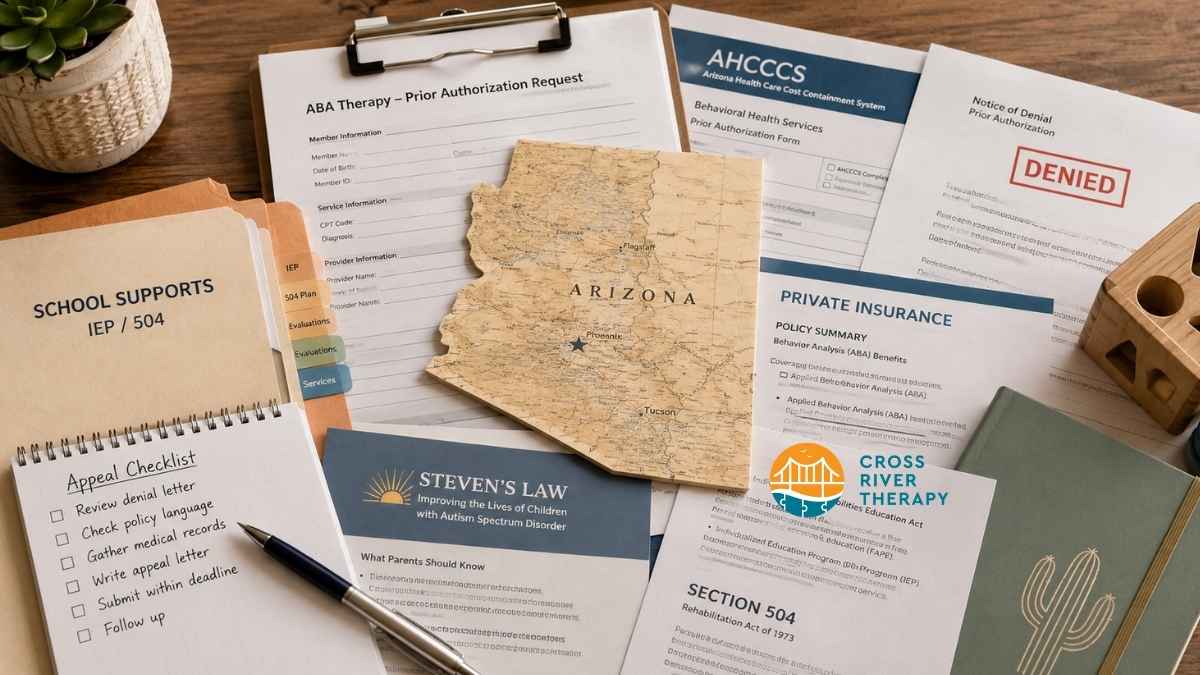
Arizona Autism Laws for ABA Coverage and School Rights
Arizona autism laws for ABA coverage vary by plan. Families can check insurance, appeal options, and school rights.

ABA Therapist Salary in Arkansas for RBTs and BCBAs
Compare ABA therapist salary in Arkansas by role. See how paid hours and benefits affect earnings before applying.

5 Autism Support Groups and Family Resources in New Mexico
Autism support groups in New Mexico connect families. Local resources offer events, parent support, and school help.

Where to Get an Autism Evaluation in New Mexico
Autism evaluation options in New Mexico include UNM and NMSU. Age and referral details help parents prepare.

7 North Carolina Autism Resources to Contact Before ABA Therapy Starts
Autism resources North Carolina families can call for diagnosis, early intervention, rights, and parent support. Start ABA intake with Cross River.

Does Indiana Medicaid Cover ABA Therapy? A Parent Checklist
Indiana Medicaid ABA therapy may cover care for eligible children. The checklist covers coaching and renewals.

How to Apply for the New Mexico DD Waiver
Your NM DD waiver application starts with state intake. The steps cover records, submission, and enrollment.

Does Insurance Cover ABA Therapy in New Jersey?
ABA therapy insurance in New Jersey varies by plan. Learn what NJ FamilyCare covers and how to check costs.

How ABA Therapy Builds Communication for Nonverbal Children Without Forcing Speech
ABA therapy communication for nonverbal children starts with AAC, signs, and daily routines. See how kids ask, refuse, choose, and get help.

How to Start ABA Therapy in New Jersey With a Checklist
Your guide explains how to start ABA therapy in New Jersey. A first-call checklist covers records and next steps.

How to Get an Autism Evaluation in Arkansas Before Starting ABA Therapy
How to get an autism evaluation in Arkansas starts with a referral, provider choice, and key records. Use this parent checklist before ABA intake.