








The Role of ABA Therapy in Shaping Positive Behavior in Children
Harnessing Science for Lasting Change: ABA’s Impact on Childhood Development


Understanding the Foundations of ABA Therapy
Applied Behavior Analysis (ABA) is a scientifically grounded approach that has transformed the landscape of behavioral intervention for children, especially those with autism spectrum disorder (ASD). Built on the principles of learning and behavior, ABA employs systematically designed techniques to foster meaningful improvement across various developmental domains. This article explores the core principles, effective strategies, personalization methods, and the profound benefits of ABA therapy in shaping positive behaviors, ultimately enhancing children's social, communicative, and adaptive skills.
Core Principles and Techniques of ABA Therapy

What are the principles and techniques used in ABA therapy?
ABA therapy is based on the scientific understanding of learning and behavior. This approach uses specific strategies to encourage positive changes and reduce problematic behaviors.
A central method involves positive reinforcement, where meaningful rewards are given to encourage desired behaviors, helping children learn new skills and improve their social interactions. Conversely, negative reinforcement may be used to remove unpleasant stimuli when necessary, further supporting behavioral improvement.
To teach new skills effectively, ABA employs prompting—such as cues or hints—and then systematically fades these prompts as independence grows. This gradual reduction helps children perform behaviors on their own.
Another important technique is behavior chaining, which involves breaking down complex activities into smaller, manageable steps. Each step is taught separately and linked together, facilitating mastery over challenging tasks.
Visual supports also play a vital role. Using pictures, videos, social scripts, and modeling can make learning more accessible, especially for children who prefer visual information. These tools provide clear, concrete prompts for behavior.
Data collection and ongoing assessment are integral to ABA. Professionals continually monitor progress, analyze behavior patterns, and adjust strategies to meet each child's evolving needs. This personalized, data-driven approach ensures that interventions are both effective and adaptable.
Together, these principles and techniques create a structured, evidence-based framework for helping children with autism and other developmental needs develop essential skills, improve communication, and achieve greater independence.
Benefits of ABA for Children with Autism and Developmental Disorders

How does ABA therapy benefit children with autism or developmental disorders?
Applied Behavior Analysis (ABA) provides numerous advantages for children with autism and other developmental challenges. It helps them develop essential skills in communication, social interactions, and daily living, which are crucial for gaining independence. Because ABA is based on scientific research, it employs proven techniques like positive reinforcement—rewarding desired behaviors to encourage their repetition—and understanding the triggers and consequences of actions.
ABA programs are tailored to each child's unique needs following thorough assessments by trained professionals. These individualized plans focus on specific goals such as improving language abilities, self-care routines, and social skills. As a result, many children experience significant strides in their ability to function comfortably in everyday settings and engage meaningfully with others.
One of the most significant benefits of early and intensive ABA intervention is the development of communication and social skills. Children often show improvements in language use, attention span, and problem-solving abilities. These developmental gains can lead to decreased dependence on support services and better integration into school and community activities.
Research consistently supports ABA's effectiveness as an evidence-based practice. Multiple studies have demonstrated that children undergoing ABA therapy tend to exhibit positive behavioral changes, including reduced harmful behaviors and improved adaptive skills. Over time, these improvements contribute to overall enhancements in quality of life, helping children navigate the world more confidently.
In summary, ABA therapy helps children with autism and developmental disorders make meaningful progress across various aspects of life. Its individualized, scientifically supported approach not only fosters skill development but also promotes lifelong benefits that support independence and well-being.
Practical Strategies in ABA Therapy to Encourage Positive Behaviors
What are some practical strategies used in ABA therapy to promote positive behavior?
ABA therapy employs a variety of practical methods designed to encourage adaptive and helpful behaviors in children, especially those with ASD. One fundamental approach is task analysis, which involves breaking complex skills into small, manageable steps. This makes learning less overwhelming and allows children to master each component sequentially, building confidence and competence.
Positive reinforcement remains a cornerstone of ABA. When a child exhibits a desired behavior, immediate rewards like praise, tokens, or other meaningful incentives are provided. This encourages the child to repeat the behavior, creating a pattern of positive actions. Reinforcement schedules vary, including continuous reinforcement for early learning stages and intermittent schedules to maintain behaviors over time.
Visual supports such as visual schedules, picture exchange communication systems (PECS), or matching games serve to enhance understanding and focus. These tools can simplify complex tasks and provide clear expectations, helping children respond more effectively.
Antecedent interventions are also vital. These strategies involve modifying the environment to set children up for success. For example, removing triggers for disruptive behavior or providing cues and prompts beforehand can prevent problematic behaviors.
Creating a language-rich environment is another effective tactic. Activities like singing, story reading, role-playing, and social stories promote communication and social awareness. These activities also help children generalize skills across different settings, increasing their functional independence.
Integrating these strategies within personalized and consistent routines ensures that children receive stable support tailored to their individual needs. When combined, these methods foster a nurturing environment where positive behaviors are learned and maintained, supporting long-term development and success.
Personalized Approaches within ABA Therapy
How is initial assessment and treatment planning personalized in ABA?
The foundation of effective ABA therapy lies in a thorough initial assessment conducted by a trained behavior analyst, such as a BCBA. This assessment evaluates the individual's strengths, weaknesses, interests, and specific needs. Based on this information, a customized treatment plan is created that targets specific developmental and behavioral goals. The plan considers the person's age, environment, and unique challenges, helping to tailor intervention techniques like positive reinforcement, shaping, and naturalistic teaching strategies to suit their particular situation.
How does ongoing monitoring influence ABA therapy?
ABA programs are dynamic and adapt as the individual progresses. Continuous data collection and analysis help therapists and caregivers track behavior changes over time. Regular monitoring allows for data-driven decisions, leading to modifications in the intervention plan. Adjustments might include reinforcing new behaviors or shifting teaching methods to better suit the child's evolving needs. This flexibility ensures that therapy remains relevant and effective, maximizing positive outcomes.
What are naturalistic and functional teaching methods?
Naturalistic teaching methods involve integrating learning into everyday settings like home, school, or community environments. This approach emphasizes real-life situations, making skills more applicable and easier to generalize across different contexts. Functional teaching focuses on practical skills—such as communication, self-care, or play—that improve daily living. Techniques like modeling, prompts, and positive reinforcement are used to encourage participation in meaningful activities, thereby promoting independence and social integration.
How does flexibility and adaptation occur within ABA?
Flexibility is a core aspect of personalized ABA therapy. As individuals develop new skills or face challenges, therapists adjust strategies accordingly. This may include breaking complex tasks into smaller steps or changing reinforcement schedules to keep motivation high. Progress is rarely linear, so therapists use ongoing assessment data to fine-tune interventions. The treatment adapts to ensure continuous growth and to address current priorities, preferences, and situations.
What role do parents and caregivers play?
Parents and caregivers are integral to the success of ABA therapy. They receive training on intervention strategies, reinforcement techniques, and how to reinforce skills outside therapy sessions. This involvement helps facilitate skill generalization across settings, making learning more consistent. Regular communication and collaboration with therapists ensure that goals are aligned and progress is shared, fostering a supportive environment that encourages sustained development and positive behavior change.
Impact of ABA on Children’s Social, Communicative, and Adaptive Skills
Improvements in language and communication
ABA therapy plays a crucial role in enhancing language and communication skills in children. By using techniques such as modeling, prompts, and reinforcement, ABA helps children learn to express their needs, desires, and feelings more effectively. This therapy encourages verbal and non-verbal communication, making it easier for children to interact with others and participate in everyday activities.
Enhancement of social interaction skills
Children undergoing ABA often show improvements in social skills, such as making eye contact, sharing, and engaging with peers. ABA programs focus on understanding social cues and practicing appropriate responses, which boosts their ability to connect with family, friends, and teachers. These improvements foster better social relationships and reduce challenging behaviors caused by frustration or misunderstanding.
Development of daily living and independence skills
Beyond communication and social skills, ABA supports the development of daily living skills, including self-care routines like dressing, brushing teeth, and grooming. It also encourages independence in activities such as cooking, shopping, and using public transportation. Customizable ABA plans target these skills, helping children gain confidence and participate more fully in their communities.
Research support and clinical evidence
The effectiveness of ABA therapy is backed by over 20 studies confirming its positive outcomes, particularly when provided intensively over 1-3 years. Meta-analyses indicate that between 63% and 88% of children exhibit noticeable improvements in behavior, language, and social skills. Recognized by government agencies like the US Surgeon General and the American Psychological Association, ABA is considered an evidence-based best practice for children with ASD.
Long-term developmental outcomes
Research shows that early intervention with ABA can lead to lasting benefits. Children often experience gains in cognition, academic performance, and adaptive behaviors that support their long-term development. Studies also suggest that skill improvements can be maintained over time, especially when tailored programs involve ongoing assessment, parental involvement, and reinforcement strategies. Overall, ABA helps children reach their full potential, promoting better quality of life and smoother transitions into adulthood.
The Effectiveness of ABA and Supporting Research Evidence
Is ABA therapy effective in fostering positive behavioral changes?
Research indicates that ABA therapy can be effective in promoting positive behavioral changes, particularly in improving adaptive behaviors such as socialization, communication, and expressive language. Multiple meta-analyses and research studies support the notion that ABA interventions lead to small to moderate improvements in these areas.
Studies show that the benefits of ABA are often dose-dependent, with meaningful progress typically observed after 12 to 24 months of consistent therapy. This underscores the importance of intensive and sustained intervention, especially during early developmental stages.
While many studies report positive outcomes, the effects can vary widely between individuals. Some research highlights medium effects on cognitive abilities and adaptive skills, but found limited or no significant improvements in core ASD symptoms or language abilities, particularly when comparing ABA to other treatments. Additionally, parental stress levels and family dynamics do not always show marked changes post-intervention.
In real-world settings, high dropout rates can influence overall results, emphasizing the need for individualized, engaging, and supportive therapy plans. Importantly, despite some variability, ABA remains among the most thoroughly evidenced-based approaches for helping children with autism develop essential skills and decrease challenging behaviors.
Overall, the scientific evidence strongly supports ABA as a valuable intervention, though ongoing research—particularly larger-scale, long-term studies—is necessary to further refine and optimize its application.
ABA in the Broader Context of Behavioral Supports and Interventions
What is the relationship between ABA and positive behaviour support (PBS)?
Applied Behavior Analysis (ABA) is a science-driven therapy that applies systematic techniques, such as positive reinforcement, to understand and modify behavior. Its primary focus is on increasing helpful behaviors and decreasing harmful ones, especially in children with Autism Spectrum Disorder (ASD). ABA is backed by extensive research and has been proven effective in improving language, social skills, attention, and academic outcomes.
Positive Behaviour Support (PBS), on the other hand, is a person-centered approach that incorporates ABA principles but places a stronger emphasis on proactive, preventative strategies. PBS aims to foster positive behaviors through naturalistic interventions, environmental modifications, and inclusion. It is designed to support individuals in their everyday settings, reducing the likelihood of challenging behaviors occurring in the first place.
While both ABA and PBS share foundational behavioral science—such as the use of reinforcement and understanding antecedents, behaviors, and consequences—they differ in their overall approach. ABA tends to be more structured and skills-focused, often delivered through intensive programs. In contrast, PBS adopts a holistic perspective that values the individual’s preferences, environment, and social context, aiming for sustainable and inclusive behavior support.
Integration of ABA principles in holistic approaches
Integrating ABA principles into broader, holistic interventions allows for personalized and flexible strategies that address all aspects of a person’s development and well-being. For instance, structured ABA techniques like shaping, prompts, and reinforcement can be combined with naturalistic teaching during daily routines. This creates a more engaging and less stressful learning environment.
Holistic approaches also include the cooperation of families, educators, and community members. This team-based effort ensures that interventions are consistent across settings, reinforcing learned skills and positive behaviors. The goal is to promote independence and quality of life, aligning with the values of person-centered care.
Broader application in inclusive and community settings
ABA principles are increasingly applied beyond clinical settings to promote inclusion in homes, schools, and community environments. For example, teachers trained in ABA techniques can implement strategies to support students with diverse needs, facilitating participation in inclusive classrooms. Community programs might also use ABA-informed interventions to promote collaborative, supportive environments.
This widespread application helps children and adults develop functional skills that enable greater participation in social, recreational, and daily activities. It also supports creating environments that naturally encourage positive behaviors by adjusting routines, cues, and interactions.
Person-centered and proactive strategies
In modern applications, ABA emphasizes person-centered planning—tailoring goals and interventions to each individual’s unique preferences, strengths, and needs. This approach involves active collaboration with caregivers and clients to set meaningful, realistic goals.
Proactive strategies, such as environmental adjustments and teaching replacement behaviors before problematic behaviors occur, are also vital. These strategies reduce the need for reactive interventions and help create supportive routines, significantly improving overall outcomes.
Approach Focus Core Features Typical Settings ABA Behavior modification Systematic use of reinforcement, shaping, prompts Clinics, homes, schools PBS Quality of life, inclusion Person-centered, proactive, naturalistic Homes, community, educational environments
By integrating ABA’s evidence-based strategies with holistic, inclusive, and person-centered approaches, practitioners can deliver comprehensive support that respects individual dignity while fostering meaningful progress.
Age Range and Implementation Considerations
At what age can ABA therapy be beneficial?
ABA therapy is valuable for individuals across all age groups, from infants to adults. However, the most significant benefits are typically seen when therapy begins early in life. Starting between ages 2 and 6 is ideal, especially in preschool years, because the brain is highly adaptable during this stage.
Early intervention programs such as Early Start Denver Model (ESDM) and Early Intensive Behavioral Intervention (EIBI) are tailored for toddlers and preschoolers. These programs aim to promote language, social skills, and cognitive development, leveraging the brain's plasticity.
Though earlier intervention often leads to faster and more extensive progress, ABA can be effectively adapted for adolescents and adults as well. For all ages, the approach is individualized, with therapy goals aligned to each person's needs.
In summary, the timing of ABA therapy should consider developmental windows but is not limited to early childhood. The best outcomes are achieved when intervention begins as soon as possible, ensuring that developmental potential is maximized regardless of age.
Transformative Power of ABA in Child Development
ABA therapy’s scientifically grounded principles, individualized strategies, and proven effectiveness make it a cornerstone in supporting positive behavioral change. By fostering skill development across communication, socialization, and adaptive behaviors, ABA not only enhances immediate functioning but also sets the foundation for long-term success. Its flexible, person-centered approach ensures that children’s unique needs are met, empowering them to reach their full potential and improve their quality of life. The integration of ABA with broader behavioral support paradigms continues to evolve, promising even greater impact in fostering inclusive, supportive environments for children to thrive.
References
- Applied Behavior Analysis (ABA) | Autism Speaks
- Applied Behavior Analysis in Children and Youth with Autism ...
- How ABA Therapy Influences Positive Behavior Change
- Behavior Shaping & Gradual Steps Toward Positive Change
- Personalized ABA - Catalyst Behavior Solutions
- Applied Behavior Analysis (ABA) | Autism Speaks
- Benefits of Customized ABA Therapy: How It Differs from Traditional ...
- Applied Behavior Analysis (ABA) | Autism Speaks
- The Top 10 Reasons Children With Autism Deserve ABA - PMC
Recent News
Related articles

6 Arkansas Medicaid ABA Therapy Rules Families Need to Know
Arkansas Medicaid ABA therapy has age, diagnosis and approval rules. Families can check six requirements before care.
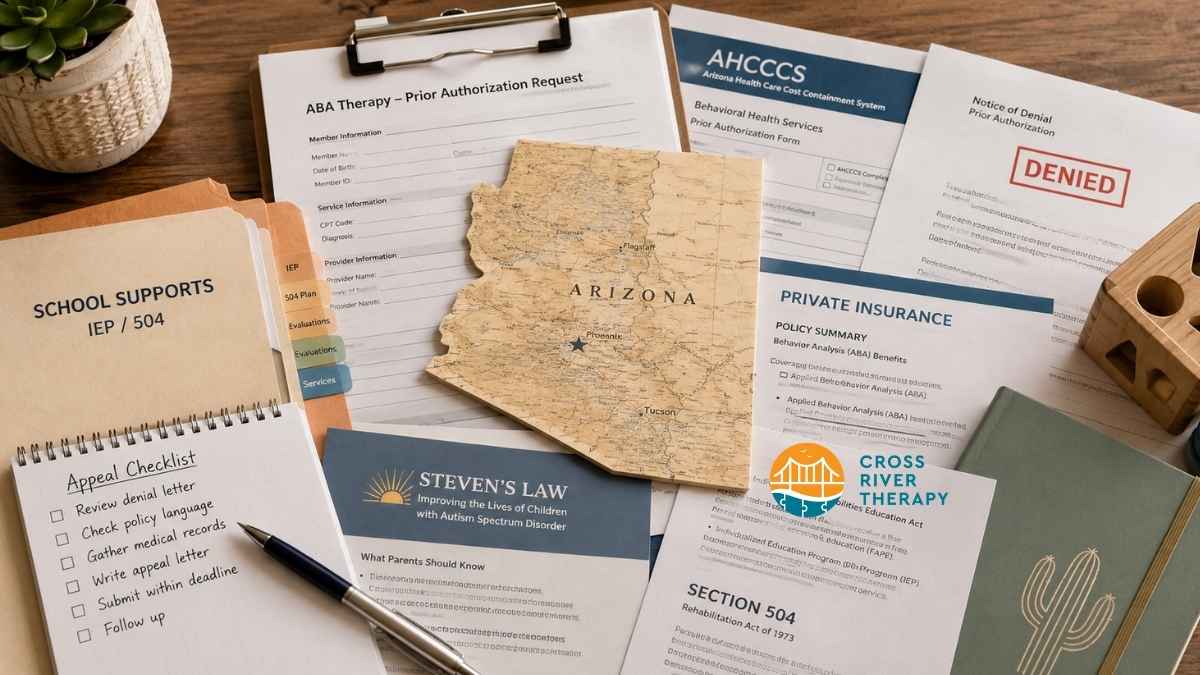
Arizona Autism Laws for ABA Coverage and School Rights
Arizona autism laws for ABA coverage vary by plan. Families can check insurance, appeal options, and school rights.

ABA Therapist Salary in Arkansas for RBTs and BCBAs
Compare ABA therapist salary in Arkansas by role. See how paid hours and benefits affect earnings before applying.

5 Autism Support Groups and Family Resources in New Mexico
Autism support groups in New Mexico connect families. Local resources offer events, parent support, and school help.

Where to Get an Autism Evaluation in New Mexico
Autism evaluation options in New Mexico include UNM and NMSU. Age and referral details help parents prepare.

7 North Carolina Autism Resources to Contact Before ABA Therapy Starts
Autism resources North Carolina families can call for diagnosis, early intervention, rights, and parent support. Start ABA intake with Cross River.

Does Indiana Medicaid Cover ABA Therapy? A Parent Checklist
Indiana Medicaid ABA therapy may cover care for eligible children. The checklist covers coaching and renewals.

How to Apply for the New Mexico DD Waiver
Your NM DD waiver application starts with state intake. The steps cover records, submission, and enrollment.

Does Insurance Cover ABA Therapy in New Jersey?
ABA therapy insurance in New Jersey varies by plan. Learn what NJ FamilyCare covers and how to check costs.

How ABA Therapy Builds Communication for Nonverbal Children Without Forcing Speech
ABA therapy communication for nonverbal children starts with AAC, signs, and daily routines. See how kids ask, refuse, choose, and get help.

How to Start ABA Therapy in New Jersey With a Checklist
Your guide explains how to start ABA therapy in New Jersey. A first-call checklist covers records and next steps.

How to Get an Autism Evaluation in Arkansas Before Starting ABA Therapy
How to get an autism evaluation in Arkansas starts with a referral, provider choice, and key records. Use this parent checklist before ABA intake.