








The Role of Social Skills Groups in ABA Therapy Programs
Unlocking Autism's Potential Through Social Skills Training


Understanding Social Skills Groups in ABA
Social skills groups are an integral part of Applied Behavior Analysis (ABA) therapy programs, particularly designed to assist individuals with Autism Spectrum Disorder (ASD) in developing essential social competencies. Through structured group activities, these programs aim to equip participants with the skills necessary to navigate social environments effectively, thus fostering meaningful interactions and enhancing overall well-being.
The Structure of Social Skills Programs in ABA
What is the social skills program in ABA?
The social skills program in ABA (Applied Behavior Analysis) aims to equip children, particularly those with autism, with vital social skills for success in diverse settings. This program goes beyond mere conformity to societal expectations. It focuses on establishing foundational abilities such as communication, following instructions, and managing transitions.
Behavioral Skills Training (BST)
A key method in ABA social skills programs is Behavioral Skills Training (BST). This approach involves a systematic process that includes:
- Explanation: Discussing the importance of specific social skills.
- Modeling: Demonstrating the skills in context.
- Practice: Engaging in role-play or real scenarios to utilize the skills.
- Feedback: Offering constructive comments to reinforce learning.
These steps not only teach the skills but also help children feel more at ease in social situations.
Individualized Programming
Individualized programming is essential in ABA therapy. Programs are designed based on the unique needs of each child, allowing them to progress from beginner to advanced social skills tailored specifically to their experiences and strengths. This can include anything from turn-taking and initiating conversations to understanding nonverbal cues. This tailored approach enhances engagement and ensures effective learning.
Assessment in ABA Programs
Assessment plays a crucial role in ABA social skills programs. Both pre- and post-assessments are employed to set measurable goals and track progress. By identifying individual social needs and monitoring development, practitioners can adjust the program to ensure that it meets each child's specific challenges and strengthens their capabilities. This structured assessment framework helps in promoting continual improvement and effective skill acquisition.
Benefits and Strategies in ABA Social Skills Training

What are the benefits of social skills training?
Social skills training in ABA therapy is designed to provide essential tools that enhance communication and social interactions for children with Autism Spectrum Disorder (ASD). The main benefits include:
- Enhanced Communication: Participants learn to express needs effectively, fostering better interactions.
- Improved Social Interactions: By mastering social skills, individuals can engage in meaningful relationships with peers.
- Life Skills Development: Skills such as conflict resolution and emotional understanding are critical for daily interactions and overall well-being.
- Boosted Confidence: Successful practice in a structured environment helps build self-esteem and encourages participation in various social settings.
What common strategies are used in ABA therapy for social skill development?
In ABA therapy, several strategies boost social skills training effectiveness:
- Behavioral Skills Training (BST): Involves explaining, modeling, practicing, and providing feedback on social skills.
- Role-Playing: Participants engage in simulated interactions to learn in a safe environment.
- Positive Reinforcement: Encouraging desired behaviors enhances motivation and engagement.
- Natural Environment Training (NET): Skills are practiced in real-life scenarios, helping generalization outside therapy sessions.
How does communication enhancement play a role in skill development?
Effective communication is central in ABA social skills programs. Therapists prioritize building:
- Reciprocal Conversations: Enhancing the ability to start and sustain conversations with peers.
- Nonverbal Communication: Teaching body language and facial expressions to support social understanding.
- Social Cues Recognition: Helping individuals identify and respond appropriately to others’ emotions and reactions.
ABA therapy not only focuses on immediate skill acquisition but also ensures long-term social engagement and interaction by employing individualized programs tailored to each child’s strengths and needs.
Goals and Objectives of Social Skills Groups

What are the goals of social skills groups in ABA therapy?
The primary goals of social skills groups within ABA therapy are to equip children, especially those with Autism Spectrum Disorder (ASD), with the necessary tools for effective social interaction. These goals are carefully tailored to address the unique needs of each child.
Key objectives may include:
- Improving eye contact – Essential for engaging conversations.
- Learning to take turns – Important for cooperative play.
- Understanding social cues – Helps in interpreting emotions and reactions.
- Enhancing problem-solving skills – Vital for navigating social dilemmas.
How are these goals achieved using role-playing techniques?
Role-playing is a widely used technique in social skills training. It encourages children to practice skills in a safe environment, where they can act out different scenarios. This not only helps them learn the skills but also boosts their confidence in applying them in real-life situations.
What are peer-mediated interventions?
Peer-mediated interventions involve using peers as role models, which fosters an inclusive and relatable learning environment. Children learn by observing their peers, which reinforces positive behaviors and social interactions. By participating in structured group activities, learners can generalize their skills more effectively, leading to improved social engagement both within and outside of therapy sessions.
By integrating these approaches, social skills groups in ABA therapy ensure that every child has the opportunity to thrive socially.
Key Skills Taught in Social Skills Groups
What specific skills are taught in social skills groups within ABA therapy?
Social skills groups in ABA therapy focus on teaching specific skills necessary for effective social interactions. Some of the essential skills include:
- Starting and maintaining conversations: Children learn how to initiate topics and keep the dialogue flowing.
- Greeting others: Simple skills like turning to a peer when greeted, waving, and saying "hi" are foundational.
- Sharing and taking turns: These skills are crucial in group settings and help in building relationships.
- Asking for help: Encouraging children to seek assistance when needed fosters independence and communication.
These groups typically consist of small numbers of children, allowing for tailored instruction and interaction. Emphasis is placed on understanding social cues, which are often challenging for children with autism. By facilitating structured activities and guided role-playing scenarios, children practice appropriate interactions in a supportive environment.
Moreover, skills like self-control, active listening, and respecting others' opinions are taught. These skills are essential for navigating group dynamics effectively. Special attention is given to children with learning differences, including ADHD or nonverbal learning disabilities, ensuring that every child is supported in developing these important social skills.
Practicing in these structured settings not only enhances children's social abilities but also boosts their confidence and reduces feelings of isolation, ultimately helping them form meaningful connections.
Function and Impact of Social Skills Groups in ABA

How do social skills groups function within ABA therapy programs?
Social skills groups are pivotal in ABA therapy, providing structured environments for children with autism and related challenges to practice vital social interactions. These groups are typically composed of two to eight children, ensuring personalized attention. The sessions are led by trained therapists who introduce and reinforce age-appropriate social skills through engaging activities, role-playing, and guided exercises.
Participants focus on a variety of essential skills, including:
- Greeting peers
- Initiating and maintaining conversations
- Taking turns and sharing
- Responding appropriately to social cues
These structured sessions allow children to confront social scenarios actively, enhancing their confidence and social competence. The emphasis on real-world applications helps prepare them for interactions typical in school and future work environments.
Moreover, children learn from observing their peers, harnessing the power of modeling in social learning. This dynamic promotes a sense of community and teamwork among participants, allowing them to navigate social complexities together.
In conclusion, social skills groups not only cultivate communication abilities but also instill confidence and resilience, essential for successful engagement in various social situations.
The Role of Assessment and Customization in Social Skills Training
Individualized Assessments
Individualized assessments in ABA therapy are fundamental for tailoring social skills programs to meet each child's unique needs. These assessments help identify specific social challenges and strengths, facilitating the creation of customized goals that enhance the learning experience. Such assessments might include pre-and post-evaluations, ensuring that the objectives set align with the child's development journey.
Tracking Progress
Establishing specific, measurable goals is crucial in tracking progress in social skills training. For instance, goals like "when greeted by a peer, the student will turn towards the peer, wave, and say hi" provide clear metrics for educators to observe advancement. Continuous monitoring helps ensure that skills taught are relevant and can be adapted as the learner develops.
Customization for Individual Needs
Customization of social skills training not only addresses the unique strengths of each child, but also emphasizes their interests, making learning engaging and effective. Programs can progress from beginner to advanced skills, ensuring that children receive appropriate challenges while working on essential social interactions, such as taking turns, initiating conversations, and understanding social cues.
Integrating Children's Interests in Social Skills Learning
Using Interests for Engagement
In ABA therapy for social skills development, incorporating children's interests is a powerful strategy. When activities align with what children enjoy, they are more engaged and motivated to participate. For instance, if a child loves dinosaurs, incorporating them into role-playing or conversation games can foster enthusiasm and open doors to learning essential social skills.
Pivotal Response Training (PRT)
Pivotal Response Training (PRT) plays a crucial role in using children's interests. PRT emphasizes motivation by linking social interactions to activities that resonate with the child's preferences. Through play-based strategies, kids are more likely to initiate interactions that are both functional and enjoyable, making the learning process more effective.
Motivation through Personalized Activities
Personalized activities that cater to a child's individual strengths and interests create a supportive environment for social skills learning. This tailored approach not only enhances engagement but also helps children build self-confidence. With effective communication and tailored activities, children can practice turn-taking, sharing, and handling disagreements in a setting that feels natural to them.
Strategies for Engagement Description Benefits Incorporating interests Using preferred activities or themes to teach skills Increased motivation and participation Pivotal Response Training (PRT) Techniques that leverage interests to encourage social interactions Enhanced initiation and engagement Personalized activities Crafting activities based on strengths and preferences to teach skills Builds confidence and applicability
Conclusion: Empowering Through Social Skills
The integration of social skills groups within ABA therapy programs plays a pivotal role in empowering individuals with Autism Spectrum Disorder to navigate social landscapes confidently. By focusing on the development of essential social competencies through structured, individualized, and engaging methods, these programs not only enhance communication and social adaptation but also pave the way for personal growth and greater societal inclusion. As research and practice continue to evolve, the potential to unlock each individual's social capabilities within ABA therapy becomes increasingly promising.
References
- Effectively Teaching Social Skills in ABA
- The Role of Social Skills Groups in ABA Therapy for Children
- A Comprehensive Guide to What Social Skills Groups Are
- Exploring the Role of ABA Therapy in Enhancing Social Skills for ...
- How ABA Therapy Helps With Social Skills
- Social Skills Groups for all Ages | LittleStar ABA Therapy
- How ABA Therapy Helps Improve Social Skills in Children
- Effectively Teaching Social Skills in ABA
Recent News
Related articles
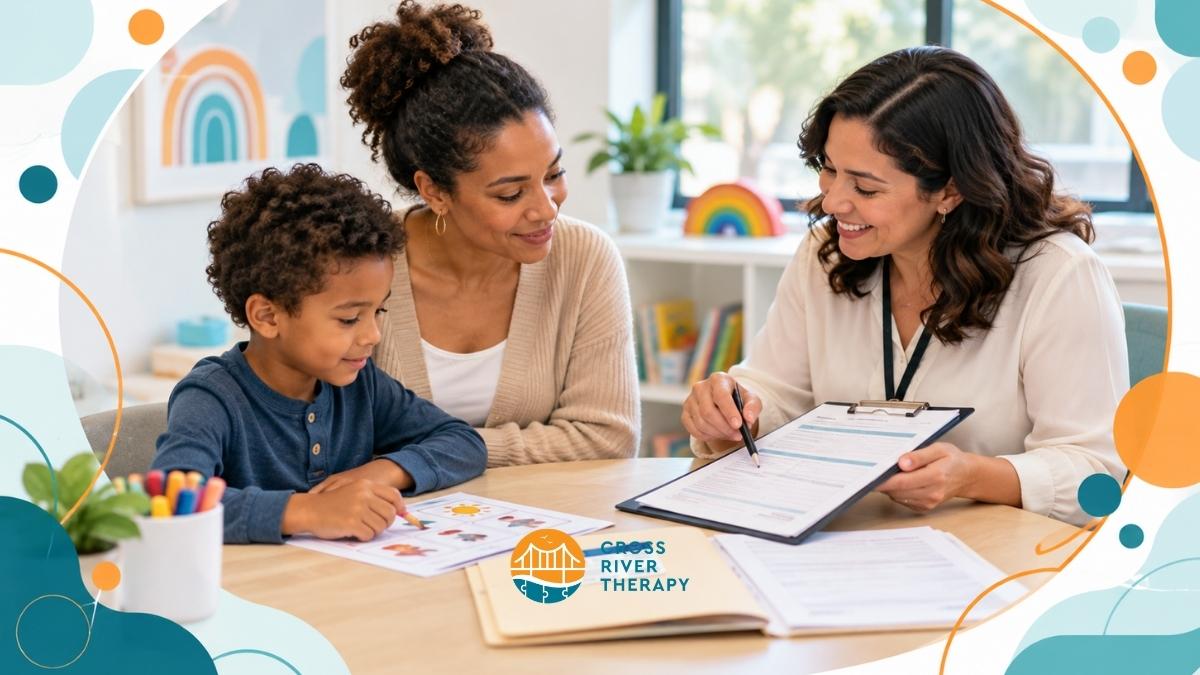
6 Arkansas Medicaid ABA Therapy Rules Families Need to Know
Arkansas Medicaid ABA therapy has age, diagnosis and approval rules. Families can check six requirements before care.
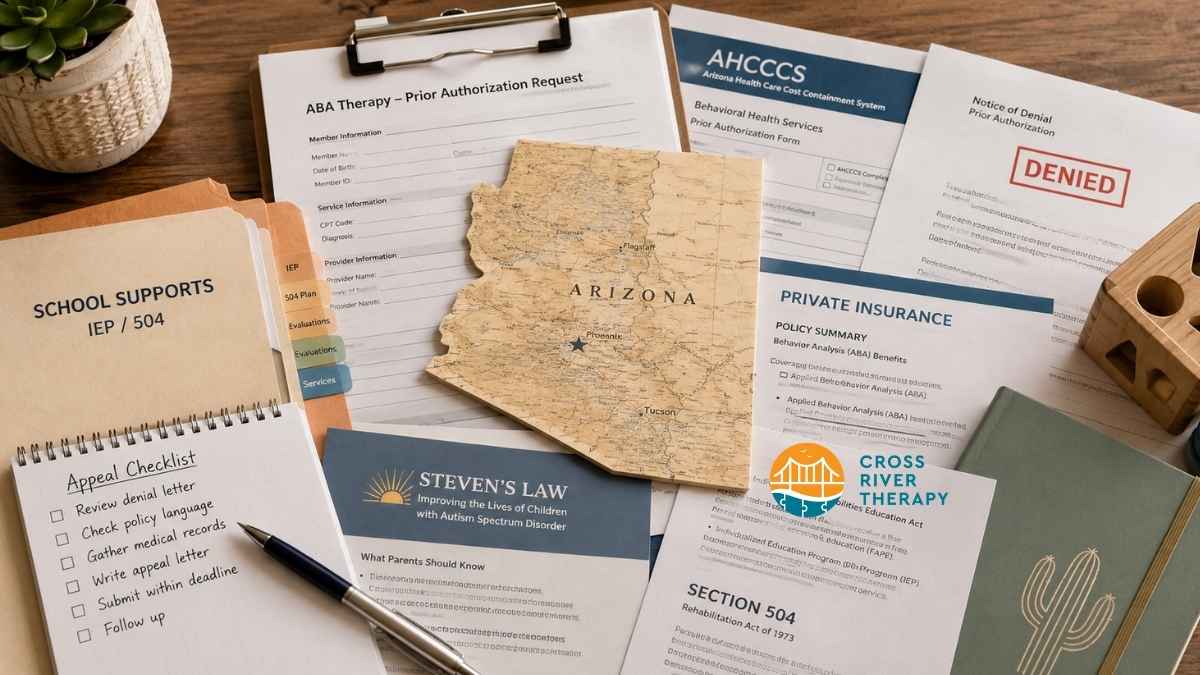
Arizona Autism Laws for ABA Coverage and School Rights
Arizona autism laws for ABA coverage vary by plan. Families can check insurance, appeal options, and school rights.

ABA Therapist Salary in Arkansas for RBTs and BCBAs
Compare ABA therapist salary in Arkansas by role. See how paid hours and benefits affect earnings before applying.

5 Autism Support Groups and Family Resources in New Mexico
Autism support groups in New Mexico connect families. Local resources offer events, parent support, and school help.
Where to Get an Autism Evaluation in New Mexico
Autism evaluation options in New Mexico include UNM and NMSU. Age and referral details help parents prepare.

7 North Carolina Autism Resources to Contact Before ABA Therapy Starts
Autism resources North Carolina families can call for diagnosis, early intervention, rights, and parent support. Start ABA intake with Cross River.
Does Indiana Medicaid Cover ABA Therapy? A Parent Checklist
Indiana Medicaid ABA therapy may cover care for eligible children. The checklist covers coaching and renewals.
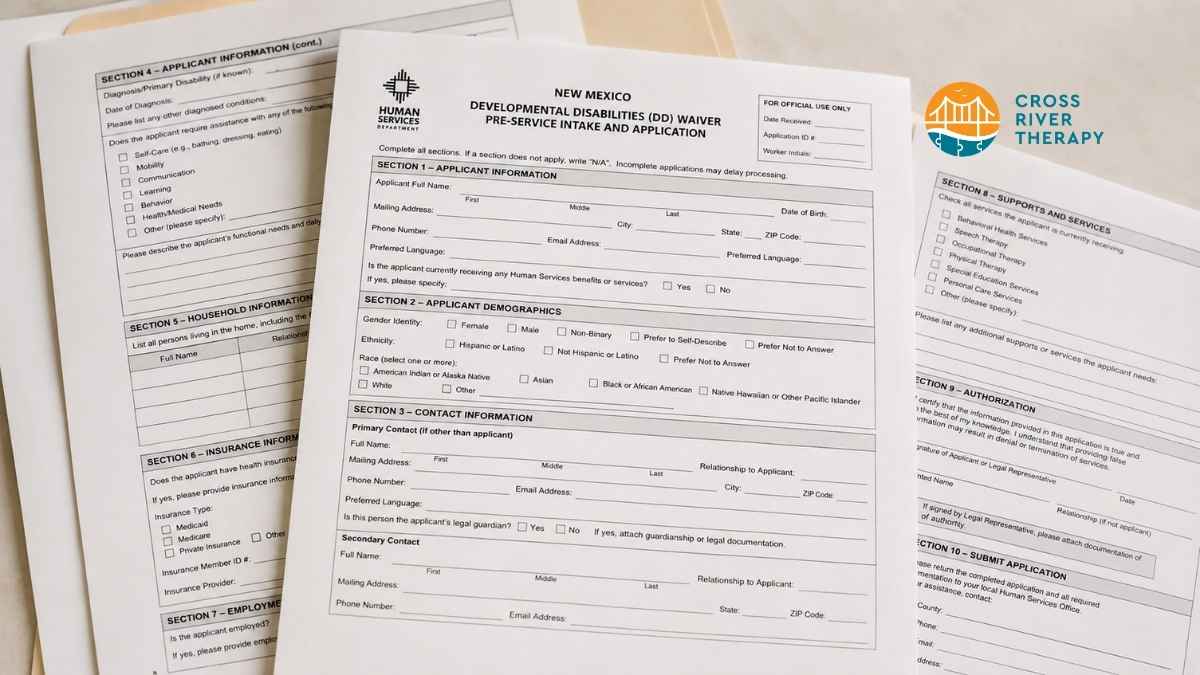
How to Apply for the New Mexico DD Waiver
Your NM DD waiver application starts with state intake. The steps cover records, submission, and enrollment.

Does Insurance Cover ABA Therapy in New Jersey?
ABA therapy insurance in New Jersey varies by plan. Learn what NJ FamilyCare covers and how to check costs.

How ABA Therapy Builds Communication for Nonverbal Children Without Forcing Speech
ABA therapy communication for nonverbal children starts with AAC, signs, and daily routines. See how kids ask, refuse, choose, and get help.

How to Start ABA Therapy in New Jersey With a Checklist
Your guide explains how to start ABA therapy in New Jersey. A first-call checklist covers records and next steps.

How to Get an Autism Evaluation in Arkansas Before Starting ABA Therapy
How to get an autism evaluation in Arkansas starts with a referral, provider choice, and key records. Use this parent checklist before ABA intake.