








Tips for Making the Most of School-Based ABA Therapy
Maximizing the Potential of ABA Therapy in Schools


Exploring ABA in Educational Settings
Applied Behavior Analysis (ABA) therapy is a key intervention for students with autism and other developmental challenges in schools. By applying scientific principles to understand and modify behavior, ABA supports children in enhancing communication, improving social skills, and reducing disruptive behaviors. This article offers insights and practical tips for parents, caregivers, and educators to effectively utilize ABA therapy in educational settings, aiming to foster a positive and productive learning environment.
Introducing Applied Behavior Analysis (ABA)
What is an introduction to ABA?
Applied Behavior Analysis (ABA) is a scientific approach focused on understanding and improving socially significant human behaviors. It utilizes principles derived from the science of behavior, targeting interventions that increase desirable behaviors and decrease harmful ones. ABA is particularly effective in educational settings, aiming to enhance learning outcomes and social skills for students, especially those with Autism Spectrum Disorder (ASD).
Key components of ABA
Two fundamental components of ABA are reinforcement and punishment. Reinforcement strengthens desired behaviors by providing a rewarding outcome, while punishment aims to reduce undesirable behaviors. Additionally, the Antecedent-Behavior-Consequence (ABC) model is integral. This model helps in understanding the context of a behavior by analyzing what occurs before (antecedent), the behavior itself, and what happens afterward (consequence). By dissecting these elements, educators can better tailor interventions to meet students' needs.
Applications of ABA in various settings, especially schools
ABA is widely utilized in schools, where therapists and teachers implement individualized behavioral interventions tailored to each student's unique circumstances. This approach helps address various challenges, including communication deficits, social skills hurdles, and academic difficulties. Strategies such as Discrete Trial Teaching (DTT), Naturalistic Teaching, and Token Economy enhance student engagement and participation.
School-based ABA therapy not only benefits students with autism but also addresses issues faced by those with ADHD and other neurodevelopmental conditions. The consistent application of ABA techniques fosters an environment that supports positive behavior and effective learning.
Core ABA Techniques Enhanced for School Use

What are some ABA techniques used in schools?
ABA techniques used in schools create structured environments where students can thrive. Key methods include:
- Discrete Trial Teaching (DTT): Involves breaking down skills into manageable parts, which helps in enhancing communication by providing consistent practice and reinforcement.
- Naturalistic Teaching: Engages students in their everyday settings, which promotes practical language usage and social skills.
- Pivotal Response Training (PRT): Boosts engagement and motivation by allowing students to choose their activities, increasing their intrinsic motivation to learn.
- Visual Supports: Including task analyses and schedules, these help clarify expectations, reducing anxiety and improving task comprehension.
- Social Skills Training: Techniques like modeling and role-playing encourage appropriate peer interactions, facilitating social skill development.
Benefits of each technique for skill development
Each ABA technique has distinct advantages for fostering skill growth among students:
Technique Benefit for Skill Development Discrete Trial Teaching (DTT) Improves focus and retention of individualized skills Naturalistic Teaching Enhances real-life application of learned skills Pivotal Response Training (PRT) Increases enthusiasm for learning and develops autonomy Visual Supports Increases clarity and confidence in task completion Social Skills Training Builds competencies in social interactions and emotional regulation
Tips on implementing these techniques effectively
To maximize the effectiveness of these ABA techniques, consider the following tips:
- Consistency is Key: Ensure that all educators and support staff apply the techniques uniformly to establish a reliable learning atmosphere.
- Observation and Data Collection: Regularly observe student behaviors and collect data to assess the impact of the techniques, making necessary adjustments based on findings.
- Tailor to Individual Needs: Customize the implementation of techniques to suit the unique strengths and challenges of each student, accommodating various learning styles.
- Engage Families: Foster collaboration with families to reinforce skills at home, enhancing generalization of learned behaviors.
- Train Staff: Provide ongoing training for educators on these ABA techniques, ensuring they remain well-equipped to support diverse student needs in the classroom.
The Seven Dimensions of ABA and Their Role in Education

What do the seven rules of ABA entail?
The seven dimensions of Applied Behavior Analysis (ABA) were articulated by Baer, Wolf, and Risley in 1968 to provide a comprehensive framework for effective behavioral interventions in educational settings. Each dimension serves a unique purpose:
- Applied: Focuses on socially significant behaviors that enhance the quality of life based on individual needs.
- Behavioral: Targets observable and measurable behaviors, steering clear of subjective judgments.
- Analytic: Ensures data-driven interventions that rely on scientific evidence.
- Technological: Requires clear definitions of procedures for transparency and reproducibility.
- Conceptually Systematic: Aligns practices with established research principles, ensuring a solid theoretical foundation.
- Effective: Demonstrates tangible improvements in behaviors targeted for change.
- Generality: Encourages skills learned to transfer across different contexts and persist over time.
Importance of each dimension for effective intervention
These dimensions work cohesively to ensure that ABA therapy is comprehensive and effective. By addressing real-world issues and enhancing student engagement, each dimension plays a crucial role:
- Applied ensures that interventions relate to meaningful life changes.
- Behavioral focuses on measurable outcomes, facilitating data collection and analysis for progress tracking.
- Analytic establishes a scientific backbone for instructional choices.
- Technological promotes consistency in application across different educators and settings, which is vital in school environments.
- Conceptually Systematic integrates well-established behavioral principles, reinforcing the reliability of interventions.
- Effective confirms that students see genuine progress, boosting their motivation.
- Generality facilitates the transfer of learned skills into real-life situations, ultimately preparing students for success beyond the classroom.
Examples of how these dimensions are applied in schools
In practice, schools utilize these dimensions for various interventions:
- Applied: Creating individualized education plans (IEPs) that focus on student-specific goals.
- Behavioral: Measuring student engagement during lessons to identify areas needing improvement.
- Analytic: Using data logs to evaluate the effectiveness of teaching strategies.
- Technological: Developing clear teaching protocols for behavioral interventions, like token economy systems.
- Conceptually Systematic: Aligning interventions with established behavioral theories, such as positive reinforcement.
- Effective: Regularly assessing progress reports to ensure students are improving.
- Generality: Encouraging group work to apply learned social skills in various contexts.
These dimensions create a structured and supportive environment that not only fosters academic skills but also enhances communication and social interactions, illustrating the comprehensive effectiveness of ABA in education.
ABA in Action: Supporting Students in School

What does ABA therapy look like in a school setting?
ABA therapy in schools focuses on enhancing academic performance and social skills for children, particularly those with autism spectrum disorder (ASD). It is a collaborative effort involving ABA therapists, educators, parents, and guidance counselors, all aimed at creating a tailored support system for each student’s unique needs.
Therapists utilize methods like:
- Positive Reinforcement: Encouraging desired behaviors by rewarding students.
- Discrete Trial Training (DTT): Breaking tasks into smaller, manageable parts to facilitate learning.
- Natural Environment Teaching (NET): Applying skills in real-world situations.
Individualized treatment plans are crafted under the guidance of Board Certified Behavior Analysts (BCBA), ensuring personalized and effective interventions. This structured approach helps students better navigate daily routines and interactions with peers.
Collaboration with educators for optimized intervention
Effective ABA therapy relies heavily on collaboration among teachers and ABA therapists. By working together, they can:
- Implement behavior intervention plans (BIPs) that address specific challenges faced by students.
- Use data collection to monitor progress and adjust interventions as required.
- Develop strategies to reduce negative behaviors and enhance positive ones, enabling a conducive learning atmosphere.
Incorporating ABA techniques fosters a better understanding of behavioral motivations and allows classroom environments to be adjusted in ways that support positive behaviors.
Parental involvement to reinforce ABA gains
Parental engagement is essential in reinforcing the skills that children learn through ABA therapy. By actively participating in their child’s education, parents can:
- Support the implementation of behavior plans at home, ensuring consistency.
- Provide feedback to therapists about behavioral changes they observe.
- Extend learning opportunities beyond the classroom by reinforcing strategies learned with professionals.
In summary, a partnership among therapists, educators, and parents enriches the impact of ABA therapy, cultivating a supportive network tailored to enhance each student’s academic and social journey.
Essential Skills for ABA Practitioners in Education
What skills are essential to be a better ABA therapist?
To be a successful ABA therapist in educational settings, there are several essential skills that practitioners should develop. First, strong organizational skills are critical for managing therapy sessions, tracking student progress, and ensuring the consistent application of behavior intervention plans (BIPs).
Another vital skill is excellent communication, which facilitates interaction with students, families, and educational staff. By maintaining clear dialogue, therapists can effectively share insights, progress, and strategies that enhance the therapy experience.
Attention to detail is equally important, as it enables practitioners to identify subtle changes in a student’s behavior and adapt their strategies accordingly. This adaptability is crucial in applying various ABA techniques, such as Discrete Trial Training (DTT) and Natural Environment Teaching (NET).
Lastly, empathy is essential in creating a supportive environment. This understanding allows ABA therapists to respond sensitively to the needs and emotions of their students, promoting trust and cooperation in the therapeutic relationship.
How do communication, empathy, and strategy adaptation enhance effectiveness?
Effective communication and empathy directly influence the outcomes of ABA therapy. When therapists demonstrate** active listening** and validate students' feelings, it fosters a sense of safety and cooperation. This environment encourages students to engage fully in learning and behavioral interventions.
Additionally, the ability to adapt strategies based on student progress enhances the overall effectiveness of ABA therapy. Practitioners must understand that each student has unique needs and may respond differently to various techniques.
Why is continuous learning and adaptation important for diverse needs?
Lastly, continuous learning is essential because it equips ABA practitioners with up-to-date knowledge of new research and techniques, enabling them to address a wider range of needs beyond autism. This adaptability is critical, especially in diverse classroom settings where students may have varying challenges, such as ADHD or social skills deficits.
Through ongoing education and collaboration with teachers and families, ABA therapists can ensure their interventions remain effective and responsive to each student's evolving needs. This commitment to growth not only enhances the impact of ABA therapy but also supports a positive, productive learning environment.
Implementing Personalized Systems of Instruction
What personalized systems of instruction are used in ABA?
Personalized systems of instruction (PSI) in Applied Behavior Analysis (ABA) leverage a mastery-based framework. This approach ensures that students progress at their own pace, concentrating on their unique learning needs. Learners must demonstrate mastery over small units of material before moving to subsequent topics. A common benchmark for progression includes achieving a high score on readiness assessments.
In this system, proctors play a significant role. They provide tailored feedback and assessment, which is essential in boosting student understanding and engagement. PSI emphasizes written communication and clear learning objectives, while lectures serve more as motivational tools than as primary instructional methods. Research showcases that PSI can notably enhance knowledge acquisition in certain training contexts, highlighting its effectiveness in improving cognitive abilities within ABA training frameworks.
Benefits of tailored learning approaches
Implementing a personalized system fosters several advantages, particularly in educational settings:
- Individualized Progression: Students move through materials based on their grasp of the content, reducing frustration and promoting retention.
- Enhanced Engagement: With proctors providing support tailored to personal needs, students often feel more involved in their learning process.
- Mastery Focus: PSI allows learners to achieve a deep understanding before advancing, leading to better overall educational outcomes.
Steps to apply PSI in school environments
To successfully implement PSI in schools, consider the following steps:
- Assessment of Individual Needs: Identify the unique strengths and challenges of each student to tailor approaches effectively.
- Development of Clear Objectives: Establish clear learning goals that define what mastery looks like for each small unit of material.
- Frequent Feedback Mechanisms: Ensure proctors provide ongoing, specific feedback to guide students through their learning journey.
- Flexible Pacing: Allow students to progress based on their readiness and mastery, adapting teaching strategies as necessary.
- Incorporate Reinforcement: Utilize positive reinforcement strategies to motivate students and reward progress, ensuring a supportive learning atmosphere.
By following these steps, educators can create a personalized learning environment that effectively utilizes the principles of ABA to support diverse student needs.
Best ABA Teaching Strategies for Success
What are some ABA teaching strategies?
Some effective ABA teaching strategies include:
- Discrete Trial Instruction (DTI): This strategy breaks tasks into smaller components and uses repetition for mastery. It involves clear instructions, prompting, and reinforcement.
- Natural Environment Teaching (NET): Integrates learning into daily routines, promoting generalization of skills across various contexts, enhancing real-life application.
- Pivotal Response Training (PRT): Focuses on enhancing pivotal behaviors that improve broader skills, like communication and social interaction.
- Token Economy: A system that rewards positive behaviors with tokens, which students can later exchange for items or privileges, promoting motivation.
- Errorless Learning: Minimizes the chances of mistakes, thus increasing successful learning responses, making it easier for students to grasp new concepts.
Importance of consistent application and reinforcement
Consistency is crucial in applying ABA strategies. Regular use of reinforcement plans fosters positive behavior and helps students understand expectations. Educators should ensure that reinforcement techniques, like the token economy, are in place continuously. This not only prevents negative behaviors from emerging but also creates a structured environment where students feel secure.
Adapting strategies to meet diverse learning needs
Effective ABA implementation requires adaptability. Each student may respond differently to various techniques, so tailoring interventions can significantly impact success. For instance, breaking tasks into smaller steps helps students, especially those with ASD, manage tasks better. Incorporating visual supports and schedules can also assist in clarifying expectations and reducing anxiety, ultimately leading to improved learning outcomes.
Creating Positive Classroom Environments with ABA
How can ABA support behavior management and create positive classroom environments?
ABA (Applied Behavior Analysis) supports behavior management by emphasizing proactive strategies that establish a positive classroom environment. A comprehensive behavior management plan should include clearly defined expectations, rules, procedures, and consequences. This approach helps to prevent disruptive behaviors and fosters a safe learning atmosphere.
By teaching social-emotional skills through ABA methods, students can learn self-control and emotional management, which further reduces disruptions. Consistent application of positive reinforcement encourages good behavior and increases student motivation and accountability. This not only enhances overall behavior in the classroom but also promotes engagement.
Strategies to enhance student motivation and participation
- Positive Reinforcement: Reward students for positive behaviors to increase motivation. This can involve verbal praise, stickers, or a token economy where students earn rewards.
- Visual Supports: Use visual schedules and aids to clarify expectations for students, particularly those with autism, helping to reduce anxiety and promote participation.
- Breaking Tasks Down: Divide assignments into manageable steps. This strategy helps students achieve goals, boosting their motivation and sense of accomplishment.
- Role-Playing and Social Stories: Employ these methods to enhance social skills, facilitating better understanding and interactions among peers.
Building a collaborative framework with educators
Creating a successful ABA-based framework requires collaboration among teachers, therapists, and families. Regular communication is vital to promoting consistency in interventions. This collaborative approach ensures that everyone is aligned on individual student goals and supports leveraging resources effectively.
By working together, educators can share insights and best practices, maintain consistency in applying ABA strategies, and ultimately cultivate a supportive learning environment that addresses the diverse needs of students. Ensuring that all stakeholders are involved in developing behavior plans can lead to better outcomes in classrooms.
Enhancing Educational Outcomes with ABA
Applied Behavior Analysis (ABA) therapy offers transformative benefits in school settings, providing structured and effective methods to support student growth and development. Through collaboration among educators, therapists, and families, and the application of personalized and evidence-based techniques, ABA not only enhances academic performance and social skills but also creates positive learning environments. By integrating these methods and regularly reviewing progress, schools can ensure that each student achieves their potential, paving the way for lifelong success.
References
- Using ABA Therapy in School Settings - Sunbelt Staffing
- How to Use ABA in the Classroom
- School-Based ABA Therapy: Boosting Learning and Behavior
- How to Use ABA to Manage Challenging Behaviour in the Classroom
- Using Applied Behavior Analysis in the Classroom to Improve ...
- What are the 7 Dimensions of Applied Behavior Analysis (ABA)
- School-Based ABA Therapy - Surpass Behavioral Health
- Our Autism & ABA Therapy Services - Surpass Behavioral Health
- What to Look for When Choosing an ABA Therapy Program
- [PDF] ABA 101 Handouts The Autism Helper
Recent News
Related articles

6 Arkansas Medicaid ABA Therapy Rules Families Need to Know
Arkansas Medicaid ABA therapy has age, diagnosis and approval rules. Families can check six requirements before care.
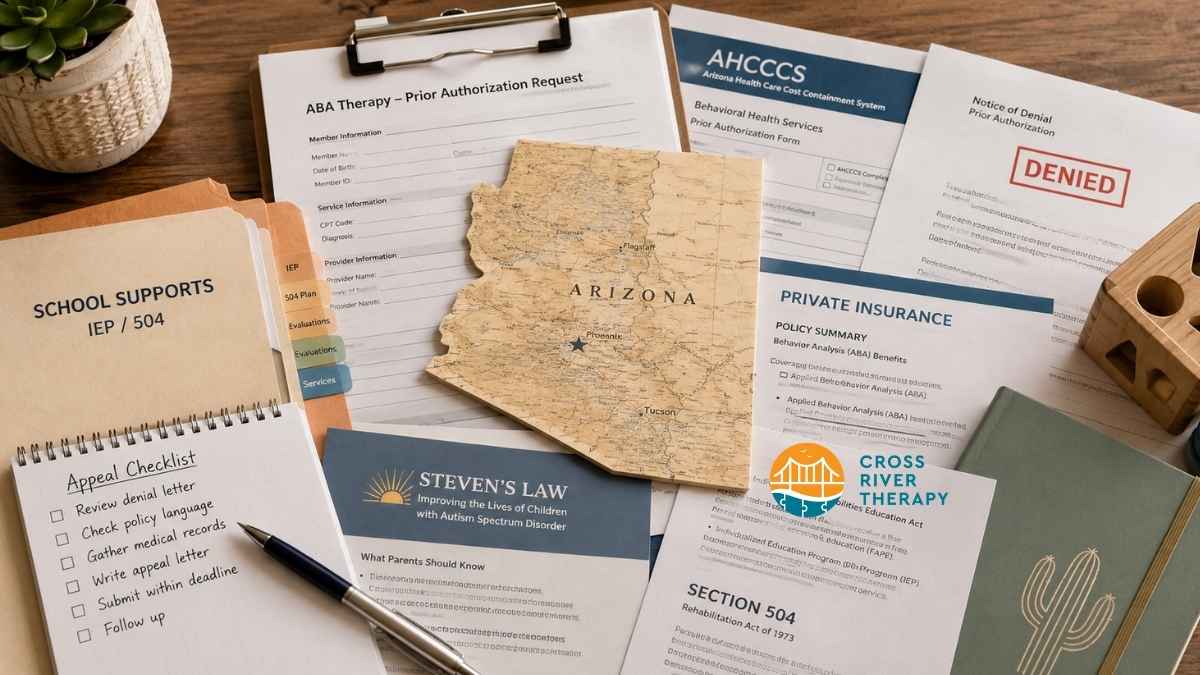
Arizona Autism Laws for ABA Coverage and School Rights
Arizona autism laws for ABA coverage vary by plan. Families can check insurance, appeal options, and school rights.

ABA Therapist Salary in Arkansas for RBTs and BCBAs
Compare ABA therapist salary in Arkansas by role. See how paid hours and benefits affect earnings before applying.

5 Autism Support Groups and Family Resources in New Mexico
Autism support groups in New Mexico connect families. Local resources offer events, parent support, and school help.

Where to Get an Autism Evaluation in New Mexico
Autism evaluation options in New Mexico include UNM and NMSU. Age and referral details help parents prepare.

7 North Carolina Autism Resources to Contact Before ABA Therapy Starts
Autism resources North Carolina families can call for diagnosis, early intervention, rights, and parent support. Start ABA intake with Cross River.

Does Indiana Medicaid Cover ABA Therapy? A Parent Checklist
Indiana Medicaid ABA therapy may cover care for eligible children. The checklist covers coaching and renewals.
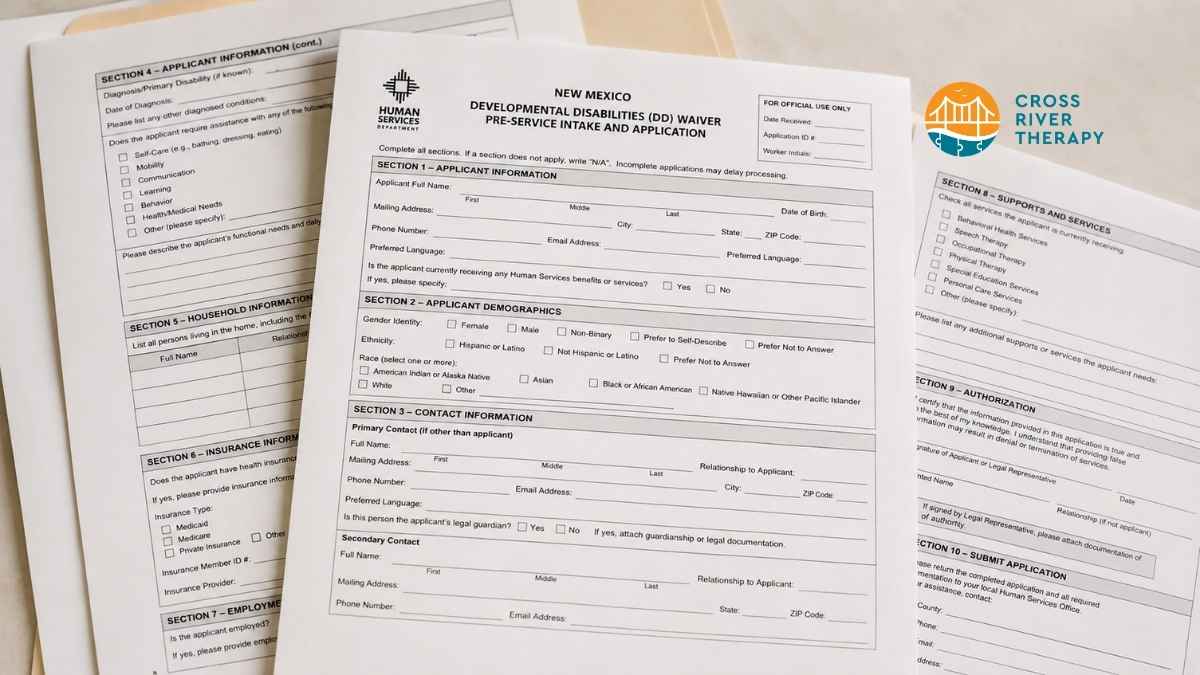
How to Apply for the New Mexico DD Waiver
Your NM DD waiver application starts with state intake. The steps cover records, submission, and enrollment.

Does Insurance Cover ABA Therapy in New Jersey?
ABA therapy insurance in New Jersey varies by plan. Learn what NJ FamilyCare covers and how to check costs.

How ABA Therapy Builds Communication for Nonverbal Children Without Forcing Speech
ABA therapy communication for nonverbal children starts with AAC, signs, and daily routines. See how kids ask, refuse, choose, and get help.

How to Start ABA Therapy in New Jersey With a Checklist
Your guide explains how to start ABA therapy in New Jersey. A first-call checklist covers records and next steps.

How to Get an Autism Evaluation in Arkansas Before Starting ABA Therapy
How to get an autism evaluation in Arkansas starts with a referral, provider choice, and key records. Use this parent checklist before ABA intake.