








Top Skills Taught in ABA Therapy
Essential Skills and Techniques in ABA Therapy


Introduction: Understanding ABA Therapy
Applied Behavior Analysis (ABA) therapy is a highly regarded, evidence-based approach aimed at increasing desirable behaviors and reducing undesirable ones, particularly for children with autism spectrum disorder. This form of therapy focuses on teaching pivotal skills that significantly enhance a child's ability to interact with their environment and community. In this article, we delve into the key skills taught in ABA therapy, exploring the techniques and methodologies that underpin effective intervention and learning.
Core Skills Taught in ABA Therapy
What are examples of core skills taught in ABA therapy for children with autism?
ABA therapy focuses on teaching several essential skills to enhance the development of children with autism. Here’s a closer look at the core areas:
- Communication Skills:
Children learn both expressive and receptive language skills, using methods like the Verbal Behavior approach and systems like PECS (Picture Exchange Communication System) to facilitate functional communication. - Social Skills:
Strategies include modeling and imitation which help children practice appropriate social interactions, recognizing social cues, turn-taking, and responding to peers in a variety of social situations. - Daily Living Skills:
These skills cover personal hygiene, dressing, and meal preparation. The goal is to promote self-sufficiency and independence, preparing children for adult living. - Pre-Academic Skills:
Children are taught foundational skills such as waiting, following instructions, paying attention in class, and transitioning between activities, setting the groundwork for academic success. - Family Involvement:
The success of ABA therapy is greatly enhanced by involving family members in the therapeutic process. Training is provided for caregivers to learn strategies that support skills development in everyday contexts.
By focusing on these core areas, ABA therapy not only aims to improve functionality but also empowers children with autism to navigate their world more effectively.
Techniques and Methodologies in ABA Therapy
What are some common techniques and methodologies used in ABA therapy?
Applied Behavior Analysis (ABA) therapy employs a range of techniques to help individuals develop essential skills. One primary methodology is Positive Reinforcement. This involves providing rewards or praise immediately after a desired behavior, effectively encouraging its recurrence. By understanding what motivates each individual, therapists can tailor reinforcement strategies to enhance engagement and skill acquisition.
Another important method is Discrete Trial Training (DTT). This structured approach breaks down complex skills into small, manageable parts. Each skill is taught in isolation, ensuring focused learning and reinforcing correct responses along the way.
The A-B-C model (Antecedent-Behavior-Consequence) is fundamental in ABA. It analyzes behaviors by examining what happened before, the behavior itself, and the consequences that follow. This insight helps identify triggers and formulate effective interventions.
Functional Communication Training (FCT) is crucial in teaching individuals to substitute problematic behaviors with appropriate communication methods, promoting better interaction in social contexts.
Lastly, Modeling and Video Modeling are powerful tools used to illustrate desired behaviors for individuals to imitate. This method supports learning social skills effectively by providing clear examples of appropriate interactions. Through these evidence-based techniques, ABA therapy fosters positive behavior changes tailored to individual needs.
The Role of Communication and Social Skills in ABA
How important are communication and social skills in ABA therapy?
Communication and social skills are crucial components of ABA therapy, particularly for children on the autism spectrum who often struggle in these areas. Social skills training is integrated into ABA programs to help children improve both verbal and nonverbal communication, allowing for better interaction with peers and adults.
Verbal and Nonverbal Communication
Effective communication is vital for developing relationships and facilitating social interactions. Programs may utilize techniques like the Picture Exchange Communication System (PECS) to enhance expressive language and encourage children to communicate their needs. This not only eases frustration but also promotes independence.
Social Skills Training
Social skills training within ABA focuses on teaching essential skills such as turn-taking, sharing, and understanding social cues. These lessons are structured to be engaging and practical, allowing children to practice these skills in real-world settings.
Role-playing
Role-playing is another effective method used to teach social interactions. It provides a safe space for children to practice responses and navigate various social situations without real-world consequences. This method helps reinforce social norms and improves confidence in social interactions.
Positive Reinforcement
Positive reinforcement plays a significant role in encouraging desirable behaviors. When children successfully use their communication skills or demonstrate positive social interactions, immediate rewards help reinforce these behaviors. This not only builds self-esteem but also motivates them to continue practicing these essential skills.
Roles and Qualifications in ABA Therapy

What qualifications and skills are necessary for an ABA therapist?
To excel as an ABA therapist or Board Certified Behavior Analyst (BCBA), specific qualifications and a diverse skill set are vital. BCBAs must hold a master’s degree in behavior analysis or a related field, ensuring a solid foundation in the principles of applied behavior analysis.
Essential Skills for Effective ABA Therapists
Effective communication skills are crucial, enabling therapists to convey behavioral strategies clearly to clients and their families. They must also possess patience and empathy, which foster trust and a safe space during sessions. Cultural sensitivity is essential for recognizing and respecting diverse backgrounds, enhancing rapport with clients.
Development of Personalized Plans
A skillful ABA therapist is adept at crafting customized treatment plans based on comprehensive data interpretation. This assessment guides them in creating effective strategies tailored to each individual’s needs, ensuring that therapy is relevant and impactful.
Collaboration and Ongoing Learning
Collaboration is key, as ABA therapy often involves multidisciplinary teamwork to provide holistic care. Continuous learning is equally important, with therapists encouraged to stay current with the latest research, enhancing their therapeutic techniques and approaches.
Training and Development for ABA Practitioners
What are some guidelines for training and professional development for practitioners in ABA therapy?
Professional development is crucial for ABA practitioners to enhance their skills, knowledge, and ultimately improve client outcomes. Effective training options include:
- Certification Courses: Programs aligned with the Behavior Analyst Certification Board (BACB) guidelines ensure practitioners meet professional standards.
- Continuing Education: Ongoing education keeps therapists updated with advancements in techniques and theories, essential for delivering effective interventions.
- Practicum and Fieldwork: Supervised experiences allow practitioners to apply their knowledge practically, which is vital for skill development.
- Workshops and Online Courses: Flexible learning options that focus on specialized topics can be beneficial, allowing for personalized growth.
Organizations like the Association for Behavior Analysis International (ABAI) provide additional resources through conferences, webinars, and a wealth of literature, supporting ongoing professional development for ABA therapists.
Evaluating the Effectiveness of ABA Therapy
How is the effectiveness of ABA therapy evaluated?
The effectiveness of Applied Behavior Analysis (ABA) therapy is evaluated using various methods, prominently focusing on tracking patient outcomes over specified periods. Studies often assess progress at intervals like 12 and 24 months of treatment, analyzing the improvements in adaptive behaviors, communication skills, and intellectual abilities.
Tracking Patient Outcomes
Research indicates that children with lower baseline adaptive levels tend to achieve significant gains in adaptive behavior after 24 months of ABA therapy. Regular assessments provide insights into individual progress, helping therapists tailor their approaches to better suit each child's unique needs.
Meta-Analyses
Meta-analyses compiling data from numerous studies reveal that ABA interventions result in moderate to high improvements in intellectual abilities and expressive language. This evidence underscores the effectiveness of ABA therapy in enhancing critical skills for many children with Autism Spectrum Disorder (ASD).
Research Findings
Despite the positive outcomes noted in communication and behavior, it's essential to recognize areas where ABA may fall short. Findings suggest that ABA therapy might have limited effectiveness in improving general symptoms of ASD or fostering daily living skills. This calls for ongoing research to optimize intervention strategies.
Areas for Improvement
Continuous evaluation and adaptation of ABA methods based on rigorous research are necessary to fully understand its impacts. With ongoing advancements and insights, ABA can become increasingly effective in catering to the diverse needs of individuals with ASD.
Conclusion: The Value of ABA in Skill Development
ABA therapy continues to stand as a cornerstone in behavioral interventions for children with autism, offering a structured approach that not only focuses on reducing challenging behaviors but also emphasizes skill acquisition essential for independence and quality of life. By employing diverse techniques and drawing on the expertise of highly qualified professionals, ABA therapy ensures the development of critical communication, social, and daily living skills. As research and technology advance, the ongoing development and evaluation of ABA methodologies will undoubtedly enhance its efficacy, providing sustained benefits for individuals across various behavioral landscapes.
References
- What Skills Can Your Child Learn in ABA Therapy?
- Applied Behavior Analysis (ABA) | Autism Speaks
- ABA Therapist Skills: 8 Requirements for Treatment Success
- Skills, Abilities & Personality Traits of a Good Behavior Therapist | NU
- ABA Skills Training - Super Kids ABA Center
- 13 ABA Therapy Techniques - Hidden Talents ABA
- How ABA Therapy Helps Build Daily Living Skills
Recent News
Related articles

6 Arkansas Medicaid ABA Therapy Rules Families Need to Know
Arkansas Medicaid ABA therapy has age, diagnosis and approval rules. Families can check six requirements before care.
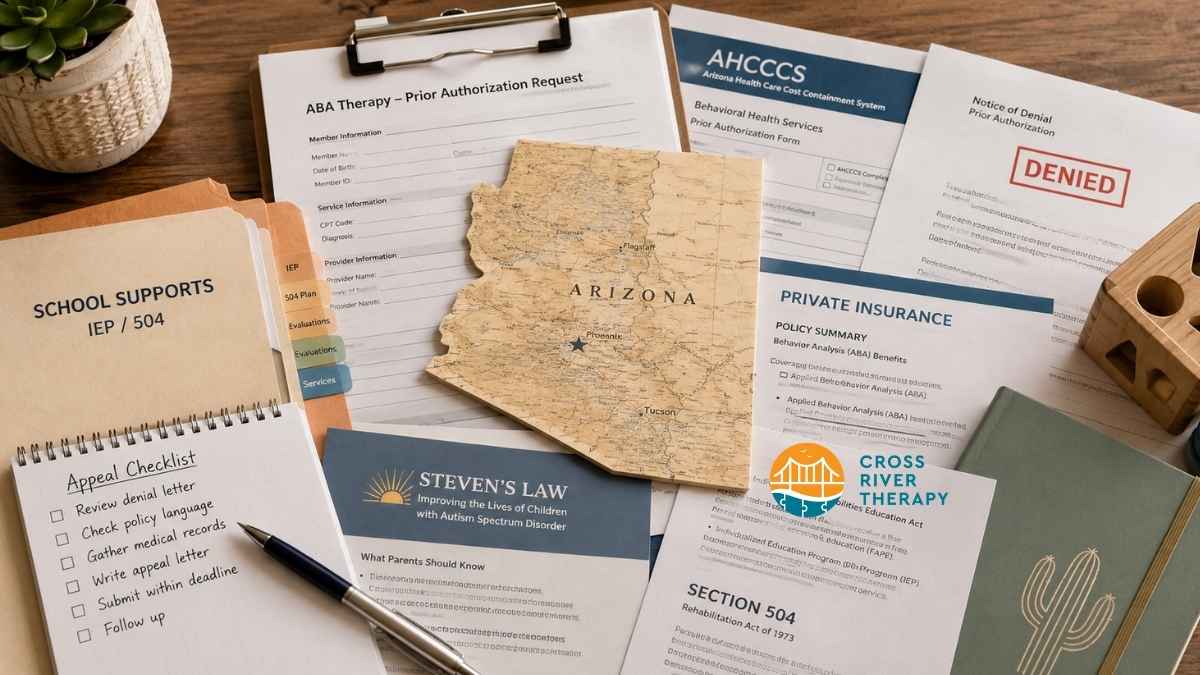
Arizona Autism Laws Every Parent Should Know Before Starting ABA Therapy
Autism laws Arizona parents should know cover ABA insurance, AHCCCS appeals, IEPs, and Section 504 rights. Check ABA coverage with Cross River.

ABA Therapist Salary in Arkansas: What BCBAs and RBTs Actually Earn in 2026
ABA therapist salary Arkansas figures compare RBT and BCBA rates, benefits, guaranteed hours, and contract terms. Explore careers at Cross River.

5 Autism Support Groups and Family Resources in New Mexico Alongside ABA Therapy
Autism support groups New Mexico families can use offer peer support, local events, and school help. Cross River can explain ABA therapy options.

Where to Get an Autism Evaluation in New Mexico Before Starting ABA Therapy
Autism evaluation New Mexico options include UNM, NMSU, FIT, and private providers. Compare providers, records, and ABA steps with Cross River.

7 North Carolina Autism Resources to Contact Before ABA Therapy Starts
Autism resources North Carolina families can call for diagnosis, early intervention, rights, and parent support. Start ABA intake with Cross River.

Does Indiana Medicaid Cover ABA Therapy? A Step-by-Step Eligibility Checklist for Parents
Medicaid ABA therapy Indiana covers eligible children under 21 with prior authorization. Your five-step coverage review can start with Cross River.

How to Apply for New Mexico’s DD Waiver While Starting ABA Therapy
Autism waiver New Mexico applications need DD Waiver records and proof of daily support needs. Your next step is to start ABA intake with Cross River.

Is ABA Therapy Covered by Insurance in New Jersey? What Every Parent Should Know
ABA therapy insurance New Jersey may cover medically necessary care based on plan type, network, and authorization. Verify benefits with Cross River.

How ABA Therapy Builds Communication for Nonverbal Children Without Forcing Speech
ABA therapy communication for nonverbal children starts with AAC, signs, and daily routines. See how kids ask, refuse, choose, and get help.

How to Start ABA Therapy in New Jersey With a First-Call Checklist
How to start ABA therapy in New Jersey begins with records, insurance details, and intake questions. Use this first-call checklist before you call.

How to Get an Autism Evaluation in Arkansas Before Starting ABA Therapy
How to get an autism evaluation in Arkansas starts with a referral, provider choice, and key records. Use this parent checklist before ABA intake.