








Understanding positive behavior support in ABA
Promoting Positive Outcomes through Evidence-Based Strategies


A Comprehensive Overview of PBS in Applied Behavior Analysis
Positive Behavior Support (PBS) has emerged as a vital approach within applied behavior analysis (ABA), emphasizing environmental modifications and proactive strategies to enhance quality of life for individuals with developmental disabilities and behavioral challenges. Rooted in scientific research, PBS seeks to shift focus from reactive punishment to positive reinforcement, systematic support, and respect for human rights. This article explores the principles, methods, applications, and critiques of PBS, providing a detailed understanding of its role within ABA settings and beyond.
Origin and Philosophy of Positive Behavior Support
What is positive behavior support in ABA?
Positive Behavior Support (PBS) within Applied Behavior Analysis (ABA) is a comprehensive, research-driven approach that aims to enhance an individual's quality of life. It focuses on teaching new, functional skills and transforming environments to foster positive social, communicative, and behavioral outcomes.
This approach involves analyzing the complex interactions between behavior and environmental factors through tools like Functional Behavioral Assessments. By understanding what triggers specific behaviors and the purpose they serve, practitioners develop proactive, multi-level strategies that are tailored to individuals' needs. These strategies are implemented collaboratively across homes, schools, and community settings.
PBS emphasizes the importance of prevention by establishing supportive routines, teaching appropriate alternatives to challenging behaviors, and reinforcing positive actions consistently. It integrates principles from behavioral science, biomedical insights, and social sciences to create validated interventions that promote inclusion, dignity, and human rights.
Ultimately, PBS strives to support individuals' independence and participation, ensuring their rights are respected and their well-being is prioritized. It is grounded in a person-centered philosophy, aiming to create supportive environments that prevent problems and foster positive social interactions.
Fostering Inclusive and Respectful Environments
Understanding PBS within ABA reveals a shift towards more humanistic, ethical, and effective practices in behavior management. By focusing on prevention, teaching, and environmental adjustments, PBS promotes dignity and individual rights, aligning with the broader goals of social inclusion and human rights advocacy. Continued research, ethical considerations, and comprehensive training are essential to maximize its benefits and address critiques.
References
- Positive Behavior Support and Applied Behavior Analysis - PMC
- What is Positive Behavior Support - CIEES APBS
- Positive Behavior Support Plans - VCU Autism Center for Education
- Center on PBIS | What is PBIS?
- Positive Behavior Support Examples in the Classroom
- Positive Behavior Support for Individuals with Behavior Challenges
- Positive behavior support: 6 steps to success | Autism Resources
- Applied Behavior Analysis (ABA) | Autism Speaks
- Autism Q & A: Positive Behavior Support - VCU RRTC
- Positive Behavior Support (PBS) - Therapist Neurodiversity Collective
Recent News
Related articles

5 Autism Support Groups and Family Resources in New Mexico Alongside ABA Therapy
Autism support groups New Mexico families can use offer peer support, local events, and school help. Cross River can explain ABA therapy options.

Where to Get an Autism Evaluation in New Mexico Before Starting ABA Therapy
Autism evaluation New Mexico options include UNM, NMSU, FIT, and private providers. Compare providers, records, and ABA steps with Cross River.

7 North Carolina Autism Resources to Contact Before ABA Therapy Starts
Autism resources North Carolina families can call for diagnosis, early intervention, rights, and parent support. Start ABA intake with Cross River.
Does Indiana Medicaid Cover ABA Therapy? A Step-by-Step Eligibility Checklist for Parents
Medicaid ABA therapy Indiana covers eligible children under 21 with prior authorization. Your five-step coverage review can start with Cross River.
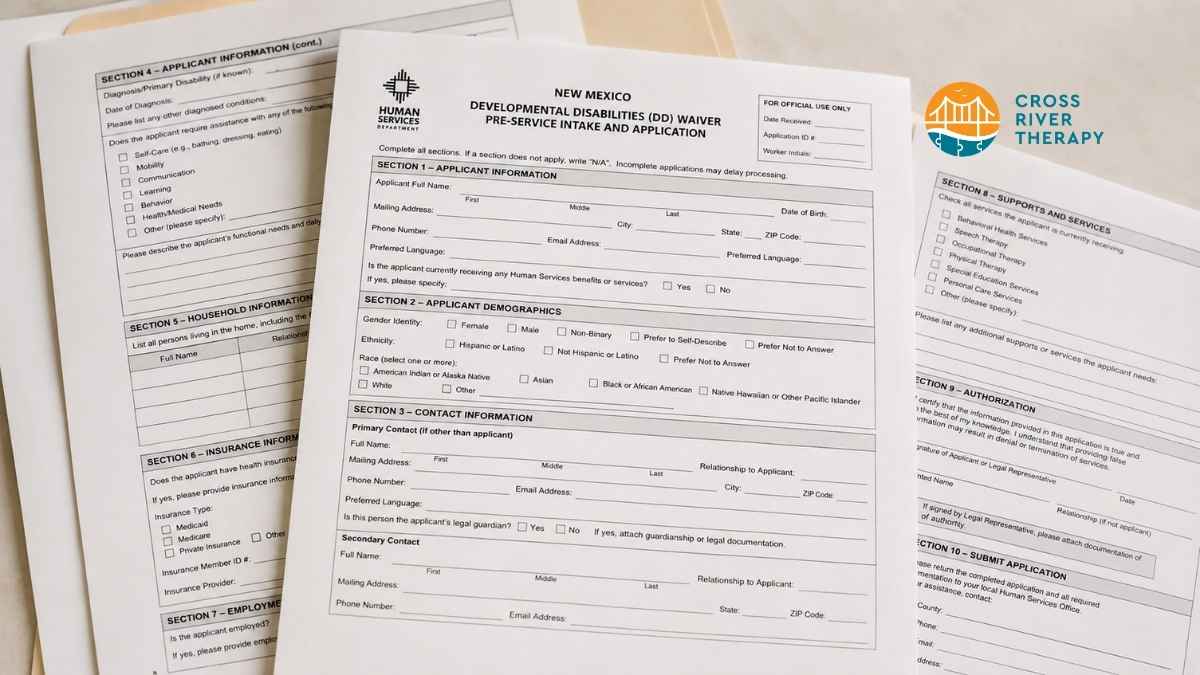
How to Apply for New Mexico’s DD Waiver While Starting ABA Therapy
Autism waiver New Mexico applications need DD Waiver records and proof of daily support needs. Your next step is to start ABA intake with Cross River.

Is ABA Therapy Covered by Insurance in New Jersey? What Every Parent Should Know
ABA therapy insurance New Jersey may cover medically necessary care based on plan type, network, and authorization. Verify benefits with Cross River.

How ABA Therapy Builds Communication for Nonverbal Children Without Forcing Speech
ABA therapy communication for nonverbal children starts with AAC, signs, and daily routines. See how kids ask, refuse, choose, and get help.

How to Start ABA Therapy in New Jersey With a First-Call Checklist
How to start ABA therapy in New Jersey begins with records, insurance details, and intake questions. Use this first-call checklist before you call.

How to Get an Autism Evaluation in Arkansas Before Starting ABA Therapy
How to get an autism evaluation in Arkansas starts with a referral, provider choice, and key records. Use this parent checklist before ABA intake.

Center-Based vs In-Home vs School-Based ABA Therapy and How to Choose the Right Fit
Center-based, in-home, and school-based ABA therapy each fit different goals, routines, and settings. Compare options before your intake call.

Early Signs of Autism: A Guide for North Carolina Parents
Early signs of autism North Carolina parents notice can include speech, play, sensory, or skill loss patterns. See what to track before screening.

Early Intervention ABA Therapy in Albuquerque, NM: Why Starting Early Matters
Early intervention ABA therapy in Albuquerque, NM helps toddlers practice communication, play, and routines. Spot signs and care options sooner.