








What is the Autism Spectrum?
Autism Spectrum Disorder (ASD) is a developmental disorder that affects communication, behavior, and social interaction. It is called a ‘spectrum’ disorder because it affects people in different ways and to varying degrees.

.jpeg)
Understanding Autism Spectrum
Autism Spectrum refers to a range of neurodevelopmental disorders that affect communication, social interaction, and behavior. It encompasses a wide spectrum of conditions, which is why it is referred to as the Autism Spectrum. Understanding this spectrum is essential in gaining insights into the diverse experiences and needs of individuals with autism.
What is Autism Spectrum?
Autism Spectrum is a term used to describe a range of conditions that fall under the umbrella of Autism Spectrum Disorder (ASD). It is characterized by challenges in social interaction, communication, and restricted or repetitive behaviors. The term "spectrum" emphasizes the variability and individual differences in the presentation and severity of these challenges.

Autism Spectrum is not a single disorder with a clear-cut definition. Instead, it is a complex spectrum that encompasses different types of autism-related conditions. These conditions can manifest in various ways, with individuals exhibiting a wide range of strengths, difficulties, and unique traits.
Key Characteristics of Autism Spectrum
The Autism Spectrum is characterized by several key characteristics that are commonly observed in individuals with autism. These characteristics may manifest differently in each person, highlighting the diverse nature of the spectrum. Here are some key features typically associated with the Autism Spectrum:
- Social Interaction Challenges: Difficulties in social interaction and communication are common in individuals with autism. They may struggle with understanding social cues, maintaining eye contact, and engaging in reciprocal conversations.
- Communication Differences: Individuals on the Autism Spectrum may have challenges with verbal and nonverbal communication. This can include delayed speech development, repetitive language patterns, difficulties understanding figurative language, or a preference for nonverbal forms of communication.
- Restricted Interests and Repetitive Behaviors: Many individuals with autism exhibit restricted and repetitive behaviors. They may have intense interests in specific topics or objects and engage in repetitive movements or behaviors, such as hand-flapping or lining up objects.
- Sensory Sensitivities: Sensory sensitivities are common in individuals with autism. They may be hypersensitive or hyposensitive to certain sensory stimuli, such as light, sound, touch, or taste. These sensitivities can impact their daily experiences and may lead to sensory overload or avoidance.
- Strengths and Abilities: It's important to recognize that individuals on the Autism Spectrum also possess unique strengths and abilities. These can include exceptional attention to detail, strong memory skills, heightened visual or auditory perception, and specialized interests.
Understanding the key characteristics of the Autism Spectrum can help parents and caregivers better support individuals with autism and create an inclusive environment that accommodates their specific needs.
The Spectrum of Autism
Autism is a spectrum disorder, which means that it encompasses a wide range of characteristics and presentations. Understanding the different levels and presentations within the autism spectrum is crucial for gaining a comprehensive view of this complex condition.
Levels of Autism Spectrum
The autism spectrum is often categorized into three levels, based on the level of support an individual requires to navigate daily life. These levels are determined through the evaluation of social communication skills, restricted and repetitive behaviors, and the level of support needed for independence.
It's important to note that the levels of the autism spectrum are not meant to define an individual's worth or potential. Instead, they serve as a guideline to understand the level of support required to enhance their quality of life.
Different Presentations of Autism Spectrum
Within the autism spectrum, individuals may present with a wide range of characteristics and behaviors. Some common presentations within the autism spectrum include:
- High-Functioning Autism: Individuals with high-functioning autism often have average or above-average intelligence and language abilities. They may excel in specific areas of interest and demonstrate advanced skills in certain domains. However, they may also experience challenges in social interactions and may require support to navigate social nuances.
- Nonverbal Autism: Nonverbal individuals with autism have limited or no speech. They may rely on alternative forms of communication such as gestures, sign language, or assistive communication devices. These individuals may have unique strengths and abilities, and it's essential to provide them with appropriate support to express themselves effectively.
- Atypical Autism: Atypical autism refers to individuals who exhibit some, but not all, of the typical characteristics associated with autism. They may have a mix of social, communication, and behavioral challenges that don't fit neatly into specific diagnostic criteria. Each individual's experience is unique, and tailored support is necessary to address their specific needs.
Understanding the different presentations within the autism spectrum helps to acknowledge the diversity and individuality of each person with autism. By recognizing and embracing these differences, we can provide the appropriate support and resources to help individuals with autism thrive.
Autism Spectrum Disorder (ASD)
Autism Spectrum Disorder (ASD) is a neurodevelopmental disorder that affects individuals in various ways. Understanding the diagnostic criteria for ASD and the common challenges faced by individuals with ASD is essential for gaining insight into this complex disorder.
Diagnostic Criteria for ASD
The diagnosis of Autism Spectrum Disorder is based on specific criteria outlined in the Diagnostic and Statistical Manual of Mental Disorders (DSM-5). To receive a diagnosis of ASD, an individual must exhibit persistent deficits in two main areas: social communication and social interaction, as well as restricted, repetitive patterns of behavior, interests, or activities.
The diagnostic criteria for ASD include:
- Persistent deficits in social communication and social interaction: This may manifest as difficulties in social-emotional reciprocity, such as back-and-forth conversation, sharing of emotions, and understanding nonverbal cues. Individuals with ASD may also struggle with developing and maintaining relationships appropriate to their developmental level.
- Restricted, repetitive patterns of behavior, interests, or activities: This includes repetitive movements, adherence to routines, highly restricted interests, and sensory sensitivities. Individuals with ASD may display inflexible thinking patterns and have difficulties adapting to changes in their environment.
To receive a diagnosis of ASD, these symptoms must be present in early childhood, although they may not become fully apparent until later in life. It's crucial to consult with a qualified healthcare professional or specialist who can assess and diagnose ASD based on the specific criteria outlined in the DSM-5.
Common Challenges Faced by Individuals with ASD
Individuals with Autism Spectrum Disorder often face a range of challenges that can impact their daily lives and interactions. These challenges may vary depending on the severity of the disorder and the individual's unique strengths and weaknesses. Some common challenges experienced by individuals with ASD include:
- Social difficulties: Individuals with ASD may struggle with understanding and interpreting social cues, making it challenging to engage in reciprocal social interactions. They may have difficulty forming and maintaining friendships and struggle with understanding social norms and expectations.
- Communication challenges: Many individuals with ASD experience difficulties with spoken language, nonverbal communication, and understanding abstract concepts. This can make it challenging for them to express their needs and emotions effectively.
- Sensory sensitivities: Individuals with ASD may have heightened sensitivities to sensory stimuli, such as sound, light, touch, or taste. These sensitivities can lead to sensory overload and cause distress or discomfort.
- Repetitive behaviors: Repetitive behaviors, such as hand-flapping, rocking, or repeating words or phrases, are common among individuals with ASD. These behaviors can serve as self-soothing mechanisms or ways to cope with sensory overload.
- Executive functioning difficulties: Many individuals with ASD may struggle with executive functioning skills, such as planning, organization, flexibility, and problem-solving. These challenges can impact their ability to navigate daily tasks and transitions.
Understanding the diagnostic criteria for ASD and the common challenges faced by individuals with ASD is crucial for providing appropriate support and interventions. Early intervention and therapy play a vital role in helping individuals with ASD develop essential skills and reach their full potential. Community and advocacy organizations can also provide valuable resources and support networks for individuals and families affected by ASD.
Autism Spectrum Myths vs. Facts
As with any complex topic, the autism spectrum is often surrounded by myths and misconceptions. It's important to separate fact from fiction in order to gain a better understanding of what autism spectrum really entails. Let's debunk some common misconceptions and explore the realities of the autism spectrum.
Debunking Common Misconceptions
There are several prevalent myths about the autism spectrum that can contribute to misunderstanding and stigma. By debunking these misconceptions, we can foster a more accurate and inclusive understanding of autism spectrum:
- Myth: Autism spectrum is caused by bad parenting or vaccines.
Fact: There is no evidence to support the notion that bad parenting or vaccines cause autism spectrum. Autism spectrum is a neurodevelopmental condition with a complex genetic and environmental etiology. - Myth: All individuals with autism spectrum are nonverbal or have intellectual disabilities.
Fact: Autism spectrum is a spectrum disorder, meaning it includes a wide range of abilities and challenges. While some individuals may be nonverbal or have intellectual disabilities, others may have average or above-average intelligence and excel in specific areas. - Myth: People with autism spectrum lack empathy or emotions.
Fact: Individuals with autism spectrum may experience emotions and empathy differently, but they are capable of feeling and expressing emotions. It's important to recognize and appreciate the unique ways in which individuals with autism spectrum understand and express their emotions. - Myth: Autism spectrum can be cured or outgrown.
Fact: Autism spectrum is a lifelong condition. While early intervention and therapies can help individuals with autism spectrum develop skills and manage challenges, there is no known cure and the core characteristics of autism spectrum persist throughout life.
Understanding the Realities of Autism Spectrum
Now that we have debunked some common myths, let's explore the realities of the autism spectrum:
- Unique strengths and abilities: Individuals with autism spectrum often possess unique strengths and abilities, such as exceptional attention to detail, heightened perception, and focused interests. These strengths should be recognized and celebrated.
- Communication differences: Many individuals with autism spectrum may experience challenges with social communication and interaction. This can manifest in difficulties with nonverbal communication, understanding social cues, or engaging in reciprocal conversations. However, with appropriate support and accommodations, individuals with autism spectrum can develop effective communication skills.
- Sensory sensitivities: Sensory sensitivities are common among individuals with autism spectrum. This means that they may be more sensitive or less sensitive to certain sensory stimuli, such as sounds, lights, textures, or smells. Providing a sensory-friendly environment and accommodations can help individuals with autism spectrum thrive.
- Diverse needs and experiences: Each person on the autism spectrum is unique, with their own strengths, challenges, and support needs. It's important to recognize and respect the diversity within the autism spectrum community and provide individualized support and accommodations.
By debunking misconceptions and understanding the realities of the autism spectrum, we can promote autism spectrum awareness and create a more inclusive and supportive environment for individuals with autism spectrum.
Support and Resources for Autism Spectrum
When it comes to supporting individuals on the autism spectrum, there are various resources and interventions available to help them thrive. These resources aim to provide assistance, guidance, and a supportive network for individuals with autism spectrum disorder (ASD) and their families. Here are some essential support systems and resources to consider:
Early Intervention and Therapy
Early intervention plays a crucial role in supporting individuals with autism spectrum disorder. The earlier the intervention, the better the chances of positive outcomes. Early intervention programs focus on providing specialized therapies and services tailored to the unique needs of children with ASD. These programs may include:
- Applied Behavior Analysis (ABA): ABA therapy focuses on improving social, communication, and behavioral skills through positive reinforcement and structured interventions.
- Speech Therapy: Speech therapists work with individuals to enhance their communication abilities, including language development, speech clarity, and social communication skills.
- Occupational Therapy: Occupational therapists assist individuals in developing essential life skills, such as self-care, fine motor skills, and sensory integration.
It's important to seek guidance from professionals who specialize in autism spectrum disorders to determine the most appropriate intervention strategies for your child.
Community and Advocacy Organizations
Community and advocacy organizations play a vital role in supporting individuals and families affected by autism spectrum disorder. These organizations provide information, resources, and a supportive community that understands the unique challenges and experiences associated with autism. They offer a range of services, such as:
- Support Groups: Support groups bring together individuals with autism spectrum disorder, parents, and caregivers to share experiences, knowledge, and emotional support.
- Educational Workshops: These workshops provide valuable information on various topics related to autism spectrum disorder, including understanding behaviors, improving communication, and navigating educational systems.
- Awareness Campaigns: Autism spectrum awareness campaigns raise public awareness, promote acceptance, and foster inclusivity for individuals with autism.
By connecting with community and advocacy organizations, you can access a wealth of information, resources, and support.
Building a Support Network
Building a strong support network is essential for individuals with autism spectrum disorder and their families. This network can consist of family members, friends, educators, therapists, and other professionals who play a key role in the individual's life. A supportive network can provide emotional support, guidance, and practical assistance.
It's important to foster open and ongoing communication within the support network to ensure everyone is on the same page and working towards the individual's well-being. Regular updates, sharing strategies, and seeking advice from trusted professionals can contribute to a collaborative and effective support system.
Remember, every individual with autism spectrum disorder is unique, and their support needs may vary. It's essential to tailor the resources and interventions to meet their specific requirements. By accessing early intervention programs, connecting with community organizations, and building a strong support network, individuals with autism spectrum disorder can receive the support they need to thrive.
FAQs
Is autism a mental illness?
No, autism is not a mental illness. It is a developmental disorder that affects communication, behavior, and social interaction.
Can individuals with autism live independently?
Yes, many individuals with autism can live independently with proper support and accommodations. However, some may require lifelong assistance and care.
Can adults be diagnosed with autism spectrum disorder?
Yes, adults can be diagnosed with ASD if they exhibit symptoms of the disorder. It's never too late to seek a diagnosis and receive appropriate interventions.
Is there a cure for autism spectrum disorder?
There is no known cure for ASD. However, early intervention and appropriate therapies can help individuals with ASD improve their communication skills, behavior, and social interaction.
Conclusion
In conclusion, Autism Spectrum Disorder is a developmental disorder that affects communication, behavior, and social interaction. It is a complex disorder that affects individuals differently and to varying degrees. Although there is no known cure for autism, early intervention can be helpful in improving outcomes and quality of life.
Sources
Recent News
Related articles

6 Arkansas Medicaid ABA Therapy Rules Families Need to Know
Arkansas Medicaid ABA therapy has age, diagnosis and approval rules. Families can check six requirements before care.

Arizona Autism Laws for ABA Coverage and School Rights
Arizona autism laws for ABA coverage vary by plan. Families can check insurance, appeal options, and school rights.

ABA Therapist Salary in Arkansas for RBTs and BCBAs
Compare ABA therapist salary in Arkansas by role. See how paid hours and benefits affect earnings before applying.

5 Autism Support Groups and Family Resources in New Mexico
Autism support groups in New Mexico connect families. Local resources offer events, parent support, and school help.

Where to Get an Autism Evaluation in New Mexico
Autism evaluation options in New Mexico include UNM and NMSU. Age and referral details help parents prepare.

7 North Carolina Autism Resources to Contact Before ABA Therapy Starts
Autism resources North Carolina families can call for diagnosis, early intervention, rights, and parent support. Start ABA intake with Cross River.

Does Indiana Medicaid Cover ABA Therapy? A Parent Checklist
Indiana Medicaid ABA therapy may cover care for eligible children. The checklist covers coaching and renewals.
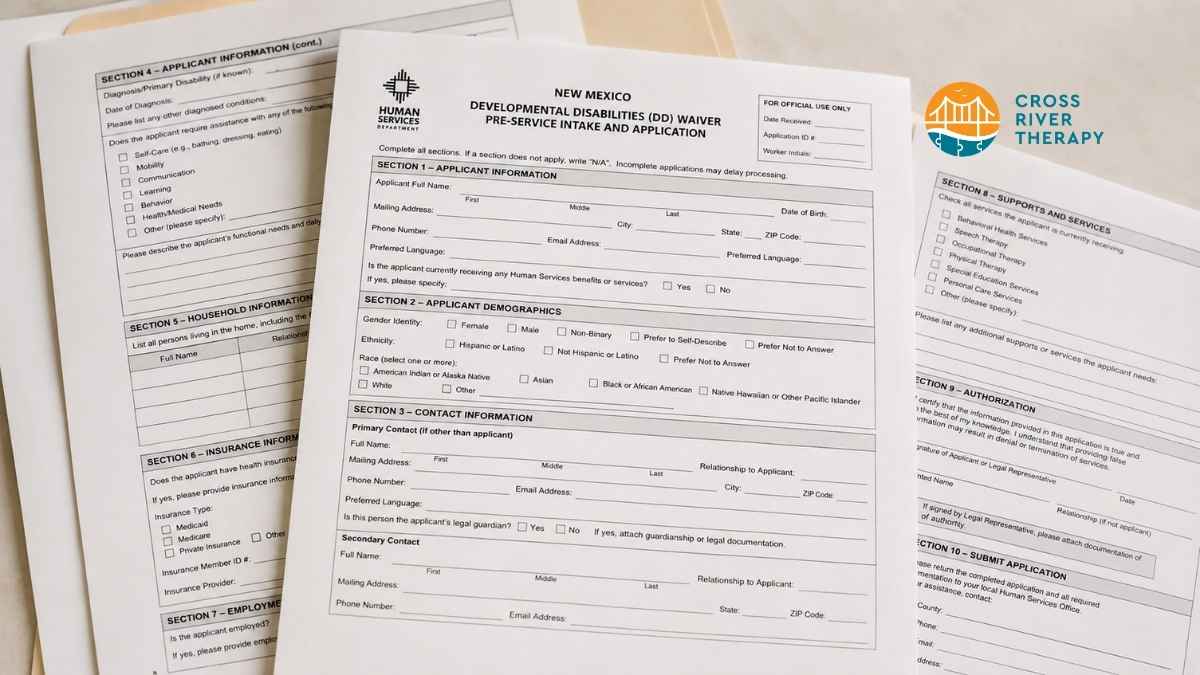
How to Apply for the New Mexico DD Waiver
Your NM DD waiver application starts with state intake. The steps cover records, submission, and enrollment.

Does Insurance Cover ABA Therapy in New Jersey?
ABA therapy insurance in New Jersey varies by plan. Learn what NJ FamilyCare covers and how to check costs.

How ABA Therapy Builds Communication for Nonverbal Children Without Forcing Speech
ABA therapy communication for nonverbal children starts with AAC, signs, and daily routines. See how kids ask, refuse, choose, and get help.

How to Start ABA Therapy in New Jersey With a Checklist
Your guide explains how to start ABA therapy in New Jersey. A first-call checklist covers records and next steps.

How to Get an Autism Evaluation in Arkansas Before Starting ABA Therapy
How to get an autism evaluation in Arkansas starts with a referral, provider choice, and key records. Use this parent checklist before ABA intake.