








What Parents Can Do to Support At-Home ABA Therapy Sessions
Empowering Families in Implementing Effective At-Home ABA Therapy


Introduction
Applied Behavior Analysis (ABA) therapy is a cornerstone in supporting children with Autism Spectrum Disorder (ASD) by developing essential life skills and promoting positive behaviors. Conducted in the familiar surroundings of home, ABA therapy requires strategic involvement and support from parents to maximize its efficacy. Understanding practical approaches to enhance these therapy sessions at home is crucial to fostering a supportive and productive environment for children.
Understanding In-Home ABA Therapy

What is in-home ABA therapy and what can parents expect?
In-home ABA therapy consists of a trained therapist coming to your home to implement a personalized treatment plan tailored to meet your child's unique needs. This approach is centered around cultivating practical skills relevant to daily life, including self-care routines and social interactions. The effectiveness of these sessions often hinges on creating a designated therapy space that is clean, organized, and free from distractions such as toys and electronics.
Parental expectations and involvement
Parents can play an essential role during therapy sessions. Their active participation ensures that skills learned are not just practiced during therapy but can also be reinforced at home. Simple strategies like using positive reinforcement, such as praise and rewards, can significantly motivate children to repeat desired behaviors in various contexts. Open lines of communication with the therapist allow parents to receive updates on their child's progress and discuss ongoing strategies to support skill generalization.
Creating a conducive therapy environment
To foster an effective therapy environment, setting up a clutter-free and distraction-free space is crucial. This focused setting helps minimize sensory overload and enhances a child's ability to concentrate. Additionally, establishing a consistent routine around therapy sessions aids children with ASD in understanding what to expect, contributing positively to their learning experience.
Aspect Description Importance Dedicated therapy space A clean and organized area free from distractions. Enhances focus and learning Active parental involvement Parents reinforcing skills learned during sessions. Promotes better outcomes and confidence Consistent routines Regular schedules for therapy sessions and practices. Provides predictability for the child
Role of Parents in Supporting Therapy

What role do parents play during in-home ABA therapy?
Parents play a crucial role during in-home ABA therapy by actively participating in sessions and helping reinforce strategies learned from therapists. This involvement is essential for several reasons.
- Reinforcement of Techniques: Parents can implement various ABA techniques such as prompting and task analysis. These strategies don't require extensive training and can be adapted to fit seamlessly into daily routines in a familiar environment.
- Skill Generalization: Active involvement enhances the child's ability to transfer skills learned in therapy to real-life situations. When parents practice these behaviors during everyday activities, it creates consistency that supports learning.
- Collaboration with Therapists: Parents work closely with therapists to set goals and track their child's progress. This partnership is crucial in establishing consistent routines, a vital aspect of effective ABA therapy, as it provides predictability that children with ASD thrive on.
- Open Communication: Regular communication with qualified professionals, like Board Certified Behavior Analysts (BCBAs), allows parents to maximize the benefits of therapy by offering insights about their child's preferences and strengths.
How can parents collaborate with therapists?
Collaboration with therapists ensures that therapy aligns with family priorities and helps in evaluating progress.
- Feedback Loop: Parents can share their observations regarding their child’s development, which informs the therapist's approach.
- Goal Adjustment: Families can revisit and adjust goals regularly, ensuring they remain relevant and achievable while considering the child’s evolving needs.
What techniques can parents learn to support their child?
Parents are encouraged to learn techniques during therapy sessions, which can be effective in everyday interactions.
- Positive Reinforcement: Using praise and rewards helps motivate children and supports desired behaviors.
- Creating a Structured Environment: Setting up a dedicated and distraction-free space for therapy enhances focus and minimizes sensory overload.
- Integrating Therapy into Daily Life: Parents can implement strategies observed during sessions throughout the day, further reinforcing learning.
Through these efforts, parents become integral to the success of in-home ABA therapy, fostering an environment that supports their child's development.
Integrating Therapy into Daily Life

How can ABA therapy be integrated into daily routines at home?
Integrating ABA therapy into daily routines at home proves invaluable for children with ASD. It begins with establishing a consistent schedule encompassing meals, playtime, and bedtime. A predictable environment helps children anticipate transitions, leading to decreased behavioral challenges.
Utilizing Visual Aids
Employing visual aids during these activities further reinforces expectations. For instance, using a visual schedule can help children grasp what comes next, enhancing their understanding and cooperation during daily tasks.
Thoughtful Response
Additionally, parents should respond thoughtfully to their child's behaviors. This means redirecting attention-seeking actions towards more constructive activities, thus fostering positive behavior changes.
Natural Environment Teaching
Incorporating principles from Natural Environment Teaching (NET) into everyday activities allows learning to occur in familiar settings. For example, engaging in play while simultaneously teaching social skills offers an enjoyable context for children to practice interacting with others.
Importance of Consistency
Consistency plays a critical role in effective in-home ABA therapy. Establishing routines provides predictability, supporting the development of essential skills that enhance a child's ability to communicate and engage effectively in various environments.
Positive Reinforcement
By consistently applying positive reinforcement strategies, such as verbal praise and rewards, parents can motivate their child, further encouraging desired behaviors.
Through this structured and supportive approach, parents can weave therapy seamlessly into their child's daily life, fostering an environment conducive to learning and growth.
Effectiveness of Home-Based ABA Therapy

Can ABA services be conducted at home effectively?
Yes, ABA therapy can be effectively conducted at home with the assistance of a board-certified behavior analyst (BCBA). This form of therapy takes place in a familiar setting, where children often feel more comfortable, reducing the stress associated with transitioning to a new environment.
In-home therapy also promotes family involvement. This active participation allows parents to better integrate therapeutic strategies into daily routines. For instance, skills learned during an ABA session can be practiced during mealtimes, bedtime routines, and other daily activities, enhancing their relevance to the child’s everyday life.
What are the benefits of in-home therapy?
In-home ABA therapy provides numerous advantages:
- Comfort and familiarity: Children are in an environment they know, which can reduce anxiety and improve engagement during sessions.
- Family integration: Parents can be involved in the sessions, observing techniques and receiving immediate feedback on how to implement strategies.
- Practical application: Skills can be practiced in real-life situations, helping children generalize their learning more effectively.
How does it compare to center-based therapy?
While center-based therapy also offers structured learning and social interactions, it may not provide the same personalized attention as in-home therapy. The flexibility of an in-home approach can cater specifically to the child's developmental needs and the family's practical situation, allowing for tailored strategies.
Personalization of therapy
The customization of therapy goals and activities is another significant advantage of in-home ABA. Families can collaborate closely with therapists to set and adjust goals, ensuring the therapy aligns with their priorities. Such collaboration enhances communication between parents and therapists, creating a supportive environment for the child’s development.
In summary, in-home ABA therapy is not only convenient but also provides a personalized approach that can lead to effective outcomes in children's learning and behavior.
Creating a Supportive Home Environment

How do parents create an effective environment for ABA therapy at home?
Establishing a supportive environment is crucial for successful in-home ABA therapy. Parents should create a dedicated therapy space that is clean, structured, and free from distractions, particularly noise and excess stimuli. This enhanced focus area should be engaging and conducive to learning, fostering a sense of safety and motivation for the child.
A few practical tips to create this environment include:
- Designate a specific area for therapy sessions to maintain consistency.
- Minimize visual and auditory distractions by using calming colors and soundproofing techniques if possible.
- Incorporate play into the therapy sessions where appropriate. Play can significantly improve social skills and problem-solving abilities, which are essential aspects of child development.
Additionally, positive reinforcement—like verbal praise or rewards—should be consistently used during therapy. This approach motivates children and encourages the desired behaviors being taught.
To further support the effort, parents can involve siblings by explaining the therapy's goals and how they can help. This collective understanding fosters a supportive atmosphere, crucial for effective learning and application of skills outside the structured setting.
Partnering with ABA Instructors
How can parents effectively collaborate with ABA therapists?
Effective collaboration between parents and ABA therapists is vital for customizing the therapy to a child's evolving needs. Open communication serves as the foundation for this partnership, enabling parents to understand therapeutic strategies and desired outcomes effectively.
Sharing Insights
Parents can provide valuable insights about their children's preferences, strengths, and challenges, which therapists can use to adapt the therapy accordingly. This information can lead to better engagement and more effective learning during sessions.
Setting Collaborative Goals
Working together on goal setting is essential. Parents and therapists should discuss and adjust goals as needed to align the therapy with family priorities, ensuring that it remains relevant to the child's development.
Action Item Purpose Outcome Schedule regular meetings To discuss progress and any concerns Adjust strategies effectively Share observations To provide context about child’s behavior at home Foster tailored approaches Set achievable goals To ensure therapy aligns with family priorities Greater motivation and success
Monitoring Progress Together
By jointly monitoring progress, parents and therapists can celebrate achievements and identify areas needing attention. This collaborative evaluation fosters a sense of teamwork, which is crucial for supporting the child's development both at home and in community settings.
In summary, proactive communication and active involvement in the therapy process help bridge the gap between therapy sessions and daily life, enhancing the overall effectiveness of ABA therapy.
Conclusion
Parents are integral to the success of at-home ABA therapy. By playing an active role and creating a supportive environment, they can significantly impact their child's progress. Understanding the dynamics of in-home therapy, integrating strategies into daily life, and maintaining open communication with therapists are foundational to enhancing the therapy's effectiveness. The collaborative effort between family and professionals not only reinforces learning but also equips children with lifelong skills, fostering their growth and autonomy.
References
- 7 Ways Families Can Reinforce ABA Therapy at Home
- In-Home ABA Therapy: How to Prepare Your Children - Opya
- 6 ways to assist your child's ABA instructor | Autism Speaks
- Home Based ABA Therapy: 10 Hacks for Parents to Accelerate ...
- 6 Home-Based Autism Therapy Options Parents Can Consider
- What Parents Do During In-Home ABA Therapy: Insights & Tips
- Center-Based vs In-Home ABA Therapy: Which is Right for Your ...
- 5 Ways to Prepare Your Home for In-Home ABA Therapy | Blog
- 5 Ways to Prepare Your Home for In-Home ABA Therapy
- ABA Therapy at Home: All You Need to Know
Recent News
Related articles

6 Arkansas Medicaid ABA Therapy Rules Families Need to Know
Arkansas Medicaid ABA therapy has age, diagnosis and approval rules. Families can check six requirements before care.

Arizona Autism Laws for ABA Coverage and School Rights
Arizona autism laws for ABA coverage vary by plan. Families can check insurance, appeal options, and school rights.

ABA Therapist Salary in Arkansas for RBTs and BCBAs
Compare ABA therapist salary in Arkansas by role. See how paid hours and benefits affect earnings before applying.

5 Autism Support Groups and Family Resources in New Mexico
Autism support groups in New Mexico connect families. Local resources offer events, parent support, and school help.

Where to Get an Autism Evaluation in New Mexico
Autism evaluation options in New Mexico include UNM and NMSU. Age and referral details help parents prepare.

7 North Carolina Autism Resources to Contact Before ABA Therapy Starts
Autism resources North Carolina families can call for diagnosis, early intervention, rights, and parent support. Start ABA intake with Cross River.
Does Indiana Medicaid Cover ABA Therapy? A Parent Checklist
Indiana Medicaid ABA therapy may cover care for eligible children. The checklist covers coaching and renewals.
How to Apply for the New Mexico DD Waiver
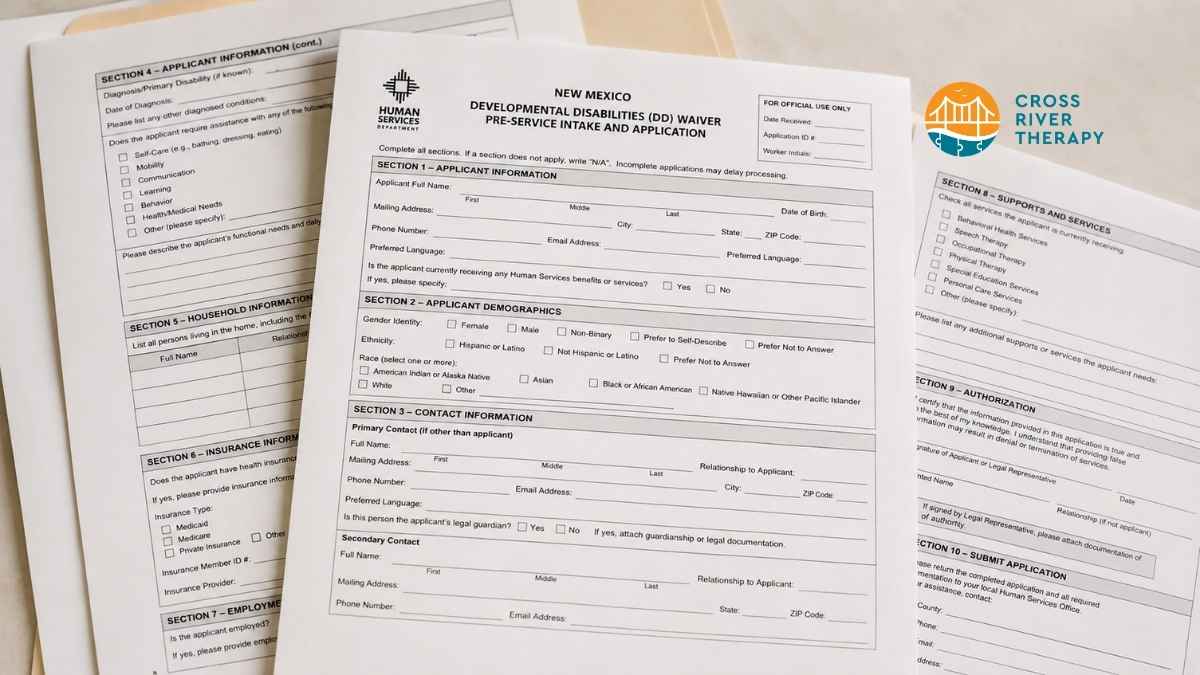
Your NM DD waiver application starts with state intake. The steps cover records, submission, and enrollment.

Does Insurance Cover ABA Therapy in New Jersey?
ABA therapy insurance in New Jersey varies by plan. Learn what NJ FamilyCare covers and how to check costs.

How ABA Therapy Builds Communication for Nonverbal Children Without Forcing Speech
ABA therapy communication for nonverbal children starts with AAC, signs, and daily routines. See how kids ask, refuse, choose, and get help.

How to Start ABA Therapy in New Jersey With a Checklist
Your guide explains how to start ABA therapy in New Jersey. A first-call checklist covers records and next steps.

How to Get an Autism Evaluation in Arkansas Before Starting ABA Therapy
How to get an autism evaluation in Arkansas starts with a referral, provider choice, and key records. Use this parent checklist before ABA intake.