








What to expect during your child’s first ABA therapy session
Navigating Your Child’s First Day in ABA Therapy: A Guide for Families


Understanding ABA Therapy and Its Role in Autism Support
Applied Behavior Analysis (ABA) therapy is a scientifically supported approach designed to assist children with autism spectrum disorder (ASD) by fostering meaningful skills and reducing barriers to learning and social participation. Before embarking on your child’s first session, understanding what ABA therapy entails and how it benefits your child can ease concerns and set the stage for a positive experience.
What is ABA Therapy and How Does It Help Your Child?
What is Applied Behavior Analysis (ABA) therapy?
Applied Behavior Analysis (ABA) therapy is a scientifically validated approach that uses learning and behavior principles to support children, especially those with autism spectrum disorder (ASD). It involves assessing a child's behaviors and environment, identifying what triggers and reinforces these behaviors, and applying strategies like positive reinforcement to encourage helpful actions and reduce challenging ones. Sessions are personalized, engaging, and often include play-based activities that respect the child's interests and strengths. ABA therapy is delivered by trained professionals, such as Board-Certified Behavior Analysts (BCBAs), aiming to promote independence and enhance everyday functioning.
How does ABA therapy benefit children with autism and developmental challenges?
ABA therapy offers significant benefits by improving communication, social interaction, and essential daily living skills. It works by reinforcing positive behaviors and systematically teaching skills tailored to each child’s needs and strengths. Early and consistent intervention with ABA can lead to substantial improvements in language use, social skills, emotional regulation, and adaptive behaviors. This approach helps children better engage with their environment and prepares them for various real-life situations.
What improvements can families expect through ABA?
With ABA therapy, children can develop skills such as effective communication, social play, self-care routines, and behavior management. Therapy often includes enhancing language use and reducing aggressive or disruptive behaviors through rewarding desired actions. Family involvement is vital, with parents trained to support and reinforce skills outside therapy sessions, ensuring progress is consistent and generalized across settings.
How is an ABA program designed?
Each ABA therapy plan is individualized based on thorough assessments conducted by the therapist, often including observations in natural settings like the home or school. Goals are collaboratively set with caregivers, focusing on realistic and meaningful outcomes. Sessions incorporate a mix of structured teaching (like Discrete Trial Training) and naturalistic learning (like play-based activities). Progress is carefully tracked, and interventions are adjusted to meet the child’s evolving needs, always emphasizing a compassionate, child-centered approach.
Your Child’s First ABA Therapy Session: What to Expect

What Happens During the Initial Assessment by a BCBA?
The first ABA therapy session typically begins with a thorough assessment conducted by a Board-Certified Behavior Analyst (BCBA). This step involves observing your child in their natural environment—whether that's at home or in a therapy center—to better understand their unique strengths, challenges, and interests. This assessment also includes gathering information from caregivers to set realistic and personalized goals for therapy.
How Does the Therapist Build Rapport?
Building a positive relationship is essential for a successful therapy journey. During the initial session, the therapist works to establish rapport by engaging your child in play, reading, or simply spending quiet time together. Activities are designed to make your child feel comfortable and safe, which helps reduce anxiety and encourages active participation.
What Role Do Parents and Caregivers Play?
Family involvement is a crucial part of ABA therapy from the very first session. Parents and caregivers are encouraged to observe and participate during sessions. The therapist discusses strategies to support your child's progress at home and provides guidance on how you can reinforce skills through everyday routines. Parent training may also begin during this session to ensure consistency across settings.
What Is the Structure and Duration of the Session?
Initial ABA sessions usually last between one and three hours, depending on your child's tolerance and engagement. These sessions include a combination of rapport-building, observation, and introductory activities. The therapist may gradually increase the length and intensity of sessions over time according to your child's response and comfort level.
Which ABA Techniques Are Introduced?
The first session often introduces foundational ABA techniques such as positive reinforcement—using praise, small rewards, or play to motivate your child—and prompting, which guides desired behaviors. The therapist may also start simple skill teaching, like responding to their name or following basic instructions, while simultaneously collecting data to tailor future interventions.
By blending careful observation, interactive play, family involvement, and evidence-based strategies, your child’s first ABA therapy session sets the stage for meaningful progress and lasting positive change.
How ABA Therapists Work with Families for Optimal Outcomes
Collaborative Goal-Setting with Caregivers
ABA therapy starts with an assessment by a Board-Certified Behavior Analyst (BCBA) who evaluates the child in natural settings like home or school. Therapists engage caregivers in identifying the child's strengths and struggles to establish personalized and realistic goals. These goals often target communication, social skills, behavior management, and daily living abilities, ensuring therapy supports meaningful progress.
Parent Training to Extend Therapy Beyond Sessions
Family involvement is paramount to the success of ABA therapy. Therapists provide parent training, empowering caregivers to reinforce new skills and manage behaviors in daily life outside formal sessions. This training helps maintain consistency and promotes generalization of skills across environments, including siblings and other household members.
Importance of Family Involvement
Caregivers actively participate during sessions by observing, giving feedback, and practicing strategies alongside the therapist. This collaboration fosters rapport, reduces anxiety for the child, and strengthens the home environment as a natural setting for learning and growth.
Communication and Feedback During Therapy
ABA therapists maintain open communication with families to address questions, discuss progress, and refine interventions. Data collected during sessions inform goal updates and adjustments, supporting transparency and shared decision-making.
Scheduling, Progress Tracking, and Expectations Management
Therapists discuss the frequency, duration, and location of upcoming sessions, tailoring the intensity—from one hour up to several hours weekly—according to the child's needs. Families learn that progress often requires patience and consistent effort, with measurable gains emerging over months through ongoing collaboration and support.
Who Provides ABA Therapy and What Qualifications Do They Need?
ABA therapy is delivered by professionals including BCBAs, licensed behavior analysts, and registered behavior technicians (RBTs). Providers typically hold advanced degrees in related fields and obtain certification through the Behavior Analyst Certification Board (BACB). Rigorous supervised fieldwork and mastery of assessment and intervention skills ensure high-quality, evidence-based care designed to improve developmental outcomes.
| Aspect | Description | Importance for Families |
|---|---|---|
| Goal-Setting | Collaborative process between therapists and caregivers to define therapy aims | Ensures goals are meaningful and achievable |
| Parent Training | Educating caregivers on techniques to apply ABA principles at home and in daily routines | Extends therapeutic effects beyond sessions |
| Family Involvement | Active participation and feedback from caregivers during therapy | Builds consistency and strengthens learning environments |
| Communication & Feedback | Ongoing dialogue about progress, challenges, and therapy plan adjustments | Maintains transparency and trust |
| Scheduling & Expectations | Planning session frequency, duration, and setting clear timelines for progress | Supports realistic understanding and sustained commitment |
Techniques and Activities Typical in Early ABA Sessions
What techniques are commonly used in ABA therapy?
ABA therapy employs a variety of highly effective techniques designed to promote learning and positive behavior changes. Central among these are Discrete Trial Training (DTT) and Natural Environment Training (NET). DTT involves structured, teacher-led sessions typically conducted in a controlled setting, focusing on specific skills through repeated trials. NET, by contrast, occurs in the child's natural surroundings, using play and everyday situations to teach skills in context.
Positive reinforcement is foundational in ABA, where desired behaviors are rewarded with praise, play, or small treats to encourage their recurrence. Alongside reinforcement, techniques such as prompting (giving cues or help), shaping (gradually guiding behaviors towards a goal), and thorough data collection ensure the therapy is tailored and responsive to the child's progress.
How does preference assessment and pairing motivate engagement?
Before sessions, therapists conduct preference assessments to identify motivating items or activities like favorite toys, foods, or music. These personalized reinforcers are integral to therapy, making learning fun and encouraging participation. Pairing connects the therapist positively with these motivators, fostering trust and engagement, which is crucial for effective teaching.
What are some common teaching activities in early ABA therapy?
Early sessions include a broad range of activities to build essential skills:
- Communication: Teaching responses to names, pointing to objects, or beginning conversations.
- Social skills: Encouraging interaction with family members or peers through play or group tasks.
- Daily living skills: Introducing potty training, feeding routines, or dressing.
Sessions blend structured tasks with play-based learning to keep children interested and engaged.
Why does ABA therapy avoid punitive approaches?
ABA emphasizes a compassionate, child-centered approach that avoids punishment. Instead, it focuses on positive reinforcement and strengthening meaningful skills to improve the child's independence and social connection. This nurturing environment minimizes anxiety and supports gradual, consistent progress.
The techniques and activities used in early ABA sessions work harmoniously to create an encouraging, motivating, and effective learning atmosphere for children with developmental challenges.
Supporting Your Child's Success Beyond the Therapy Room
Role of parents and caregivers during and after sessions
Parents and caregivers play an essential role in the ABA therapy process. They are encouraged to actively participate during sessions by observing interactions, providing feedback, and engaging in parent training conducted by therapists. This involvement helps caregivers understand therapy techniques and effectively reinforce newly acquired skills at home and in daily routines.
Strategies to reinforce progress at home
To extend the benefits of therapy, caregivers are taught to apply ABA strategies such as positive reinforcement and prompting throughout the child's everyday environment. Examples include praising desired behaviors, using preferred toys or activities as rewards, and practicing communication or social skills during play or routine tasks. Consistent practice with family members supports generalization of skills beyond therapy.
Importance of consistency and patience in therapy
Consistency in applying ABA techniques across settings and patience during the learning process are crucial for meaningful progress. Therapists emphasize that gains often appear as small steps within the first 0-6 months and develop further with ongoing commitment. Families are encouraged to maintain steady routines, reinforce goals, and collaborate closely with therapists to optimize outcomes.
How progress is tracked and communicated
Progress is monitored through data collection during therapy sessions, which informs goal adjustments and treatment planning. Therapists regularly communicate updates to families, sharing insights about skill development and behavioral changes. This transparency fosters a team approach and keeps caregivers informed, prepared to support the child effectively.
Tips for reducing anxiety on the first day
To ease the child's anxiety during initial ABA sessions, families can bring comfort items such as favorite toys or blankets. Visual schedules may help the child anticipate session activities, while therapist use of positive reinforcement creates a welcoming, fun atmosphere. Building rapport through gentle play and allowing parents to stay close also helps the child feel safe and engaged during therapy.
Looking Ahead: Embracing the ABA Therapy Journey
The first ABA therapy session is a foundational step toward supporting your child’s growth and development through a carefully designed, compassionate approach. Understanding what to expect—from initial assessments and rapport building to collaborative goal-setting and family involvement—prepares you to be an active partner in your child’s therapy. With patience, consistency, and open communication, ABA therapy can empower your child to acquire valuable skills that improve their quality of life and independence. Embrace the journey equipped with knowledge, confidence, and hope for meaningful progress ahead.
References
- What to Expect From an Autism Therapy Session
- What to Expect in Your First Applied Behavior Analysis ...
- What to Expect During Your Child's First ABA Therapy Session
- ABA Session : Teaching Methods and Components
- Inside Your Child's First ABA Session
- How to Become an Applied Behavior Analyst (ABA) Therapist
- How to Become an ABA Therapist - School of Education
Recent News
Related articles

6 Arkansas Medicaid ABA Therapy Rules Families Need to Know
Arkansas Medicaid ABA therapy has age, diagnosis and approval rules. Families can check six requirements before care.

Arizona Autism Laws for ABA Coverage and School Rights
Arizona autism laws for ABA coverage vary by plan. Families can check insurance, appeal options, and school rights.

ABA Therapist Salary in Arkansas for RBTs and BCBAs
Compare ABA therapist salary in Arkansas by role. See how paid hours and benefits affect earnings before applying.

5 Autism Support Groups and Family Resources in New Mexico
Autism support groups in New Mexico connect families. Local resources offer events, parent support, and school help.

Where to Get an Autism Evaluation in New Mexico
Autism evaluation options in New Mexico include UNM and NMSU. Age and referral details help parents prepare.

7 North Carolina Autism Resources to Contact Before ABA Therapy Starts
Autism resources North Carolina families can call for diagnosis, early intervention, rights, and parent support. Start ABA intake with Cross River.
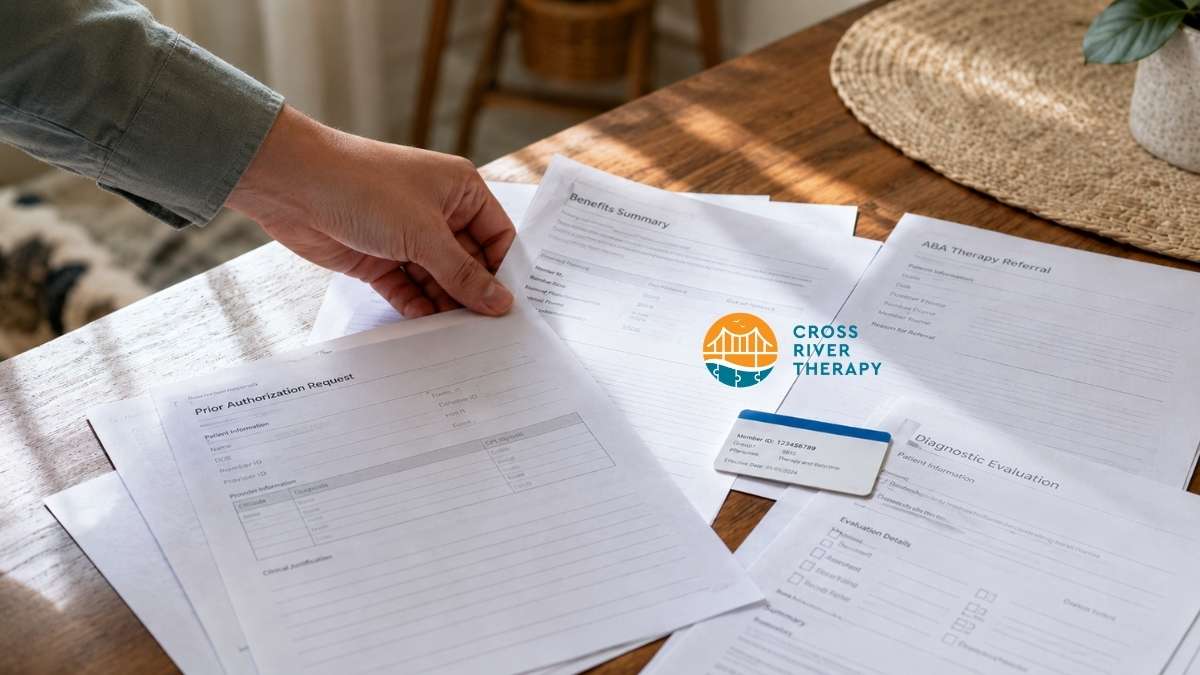
Does Indiana Medicaid Cover ABA Therapy? A Parent Checklist
Indiana Medicaid ABA therapy may cover care for eligible children. The checklist covers coaching and renewals.
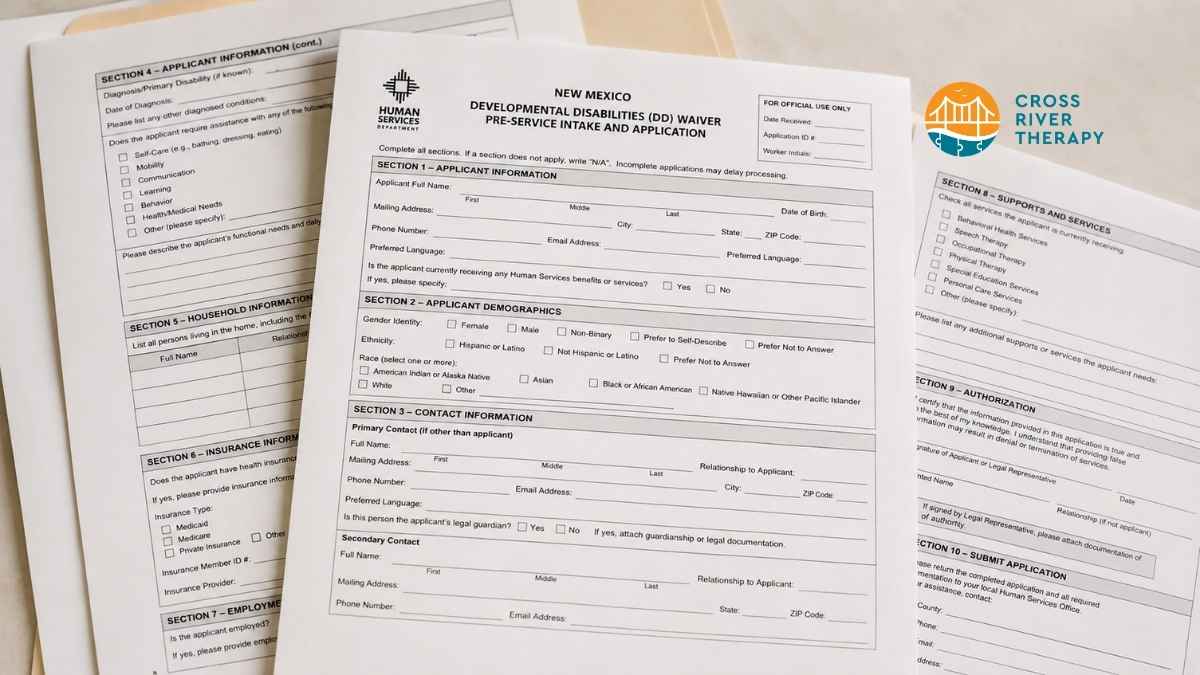
How to Apply for the New Mexico DD Waiver
Your NM DD waiver application starts with state intake. The steps cover records, submission, and enrollment.

Does Insurance Cover ABA Therapy in New Jersey?
ABA therapy insurance in New Jersey varies by plan. Learn what NJ FamilyCare covers and how to check costs.

How ABA Therapy Builds Communication for Nonverbal Children Without Forcing Speech
ABA therapy communication for nonverbal children starts with AAC, signs, and daily routines. See how kids ask, refuse, choose, and get help.

How to Start ABA Therapy in New Jersey With a Checklist
Your guide explains how to start ABA therapy in New Jersey. A first-call checklist covers records and next steps.

How to Get an Autism Evaluation in Arkansas Before Starting ABA Therapy
How to get an autism evaluation in Arkansas starts with a referral, provider choice, and key records. Use this parent checklist before ABA intake.