








Why ABA Therapy Should Be Part of a Child’s School Support Plan
Integrating ABA Therapy into Educational Frameworks for ASD Support


Understanding ABA Therapy in Educational Contexts
Applied Behavior Analysis (ABA) therapy offers a cornerstone of support for children with Autism Spectrum Disorder (ASD), enhancing their capabilities in academic settings. By focusing on behavioral reinforcement and skill acquisition, ABA therapy plays a crucial role in improving learning outcomes and fostering independence. This narrative explores how ABA therapy can be effectively integrated into school support plans, ensuring that children with ASD receive comprehensive and tailored educational support.
Exploring ABA Therapy in School Settings

What does ABA therapy look like in a school setting?
ABA therapy in schools involves a structured approach to behavior management. The focus is on teaching students positive behaviors through techniques such as reinforcement, while simultaneously reducing undesirable behaviors that can disrupt the classroom.
- Behavioral Reinforcement Techniques:
- Positive Reinforcement: Rewarding students when they demonstrate desired behaviors to encourage repetition.
- Visual Supports: Using charts, images, or schedules to aid understanding and anticipation of daily routines.
- Breaking Tasks into Steps: Dividing complex assignments into manageable parts to avoid overwhelm and promote success.
- Consistent Monitoring: Tracking progress to adjust tactics and maintain motivation among students.
Through these methods, ABA therapy not only teaches essential academic skills but also supports the emotional and social development of children with ASD, ultimately enhancing their overall school experience.
Creation of a conducive learning atmosphere
Creating a positive environment conducive to learning is paramount for all students, especially those with autism. By integrating ABA strategies, classrooms can see reductions in disruptive behaviors.
This environment features:
- Staff Training: Ensuring teachers are trained in ABA principles to effectively implement techniques.
- Clear Curriculum: Developing a structured program that aligns with ABA methodologies.
- Collaboration: Ongoing discussions between ABA professionals, educators, and families to support each child's unique educational journey.
These collaborative efforts lead to improved educational outcomes and foster a more inclusive atmosphere where all students can thrive.
The Synergy between ABA Therapy and Educational Programs
How does ABA therapy complement traditional schooling and Individualized Education Programs (IEPs)?
ABA therapy and traditional schooling work hand in hand to foster an enriched learning environment for children with autism spectrum disorder (ASD). The therapy focuses on developing essential skills that align closely with educational goals, enhancing a child’s ability to navigate school effectively.
ABA techniques, such as Discrete Trial Training (DTT) and Natural Language Acquisition (NLA), are specifically designed to target behaviors and skills that matter in school. This targeted approach not only helps in improving communication but also supports social interactions, which are crucial for building friendships and participating in group tasks.
Additionally, the incorporation of play-based activities in ABA allows learning to be fun and relevant. Engaging children in real-life scenarios aids in the generalization of skills, making it easier for them to apply what they learn in a variety of contexts, especially in the classroom.
Integration with Individualized Education Programs (IEPs)
The alignment of ABA therapy with IEPs is critical in establishing individualized support for children. ABA providers work collaboratively with educators to set meaningful goals that reflect the child's unique needs. They focus on essential areas such as communication, social skills, and academic engagement, ensuring that both therapy and schooling contribute to overall development.
Regular progress monitoring is a significant part of this integration. Communication between ABA therapists and school staff allows for real-time adjustments to strategies based on a child's development. This collaborative approach ensures that behavioral strategies are effective and tailored to the educational environment.
Development of executive functioning skills
ABA therapy also plays a vital role in enhancing executive functioning skills, which are crucial for academic success. Skills such as following instructions, managing emotions, and self-regulation are prioritized within therapy.
For instance, breaking down complex tasks into smaller, manageable parts helps children learn how to stay focused and organized. As they develop these skills, they gain confidence in managing their academic responsibilities, ultimately leading to improved learning outcomes.
The synergy between ABA therapy and educational programs leads to a supportive structure that boosts children's independence and academic performance, creating a pathway for success in both therapy and school environments.
Parents' Role in Balancing ABA Therapy and Education
How can parents assess their child’s needs and balance ABA therapy with educational requirements?
Parents can effectively assess their child's needs through comprehensive evaluations that focus on both academic achievements and behavioral growth. Regularly monitoring school performance and behavior can reveal areas where additional support is necessary.
Balancing ABA therapy with educational requirements requires careful planning. Parents should schedule therapy sessions around school hours to minimize disruptions and ensure consistent attendance. This approach helps prioritize the child's schooling while allowing therapy to target specific skills essential for academic success.
Engaging in parent coaching within ABA therapy is crucial. This training equips parents with techniques to reinforce the skills learned during therapy at home and in school, reducing stress and fostering a supportive environment. As children develop or transition to new educational settings, regular reassessment of their progress is essential to adapt their therapy and educational strategies accordingly.
Communication and collaboration are key
Open lines of communication with educators play a vital role in creating a cohesive support system. Parents should actively participate in discussions regarding their child's IEP goals, ensuring that both ABA strategies and school objectives align seamlessly. This integrated approach can enhance learning experiences, leading to improved outcomes for the child.
Working collaboratively with both ABA providers and school staff enables parents to structure a well-rounded educational experience that addresses their child's unique developmental needs. Consistent feedback between these groups allows for timely adjustments in both therapy and educational strategies, fostering continuous improvement and success in the school environment.
Ultimately, a thoughtful balance between school and therapy can be achieved, ensuring that children can benefit from the strengths of both settings without overloading their schedules. Regularly revisiting this balance ensures it remains effective and supportive as their needs evolve.
Enhancing School Readiness through ABA Therapy
How does ABA therapy enhance essential skills for school readiness?
ABA therapy significantly boosts school readiness by addressing various essential skills tailored for the classroom environment. One key focus is enhancing communication skills. Children receiving ABA learn both expressive and receptive language skills, which are crucial for following instructions, participating in discussions, and engaging in group activities. By mastering these communication techniques, children are better equipped to navigate classroom interactions.
In addition to communication, ABA therapy emphasizes social interaction skills. Structured training helps children learn to share, take turns, and understand social cues. This training promotes the development of friendships and positive peer relationships, essential for a harmonious classroom experience.
Another core area is the cultivation of self-regulation skills. Children in ABA therapy are taught strategies to manage their emotions, recognize triggers, and handle frustrations, which is vital for maintaining focus and participating appropriately in lessons. As they develop confidence in these areas, children become more prepared to engage in the school routine.
Lastly, academic readiness sees noticeable improvements. ABA methods break down complex tasks into smaller, manageable steps, allowing children to grasp critical concepts more effectively. This tailored support enhances their ability to succeed academically, setting a solid foundation for future learning.
By integrating communication, social interaction, self-regulation, and targeted academic readiness, ABA therapy aligns closely with the needs of school-aged children, enhancing their overall potential for success in both academic and social environments.
Improving School Outcomes Through ABA Therapy
How can ABA therapy improve behavioral and learning outcomes in school environments?
ABA therapy, or Applied Behavior Analysis, serves as a powerful tool in enhancing behavioral and academic achievements in school settings. By systematically applying behavioral principles, it effectively teaches new skills while reducing disruptive behaviors that often hinder learning.
One of the core methods employed in ABA therapy is positive reinforcement, which encourages desirable behaviors through rewards. This approach motivates students to engage more positively in their learning environment, leading to better classroom dynamics. Moreover, ABA interventions are highly individualized. Each program is tailored to meet the unique needs of the child, focusing on key areas such as academic performance, social interactions, and communication skills.
Behavioral Improvements in School
ABA therapy plays a crucial role in preventing children from being labeled as disruptive by equipping them with skills to manage problematic behaviors. This is essential as it helps create a more positive school environment, not just for the child receiving therapy, but for their peers as well. By teaching emotional regulation, understanding social cues, and appropriate responses to triggers, children with autism can enhance their interactions, making group activities more successful.
Individualized Learning and Behavioral Strategies
Incorporating ABA strategies into Individualized Education Programs (IEPs) ensures that educational goals align with therapy objectives. ABA providers assist in developing actionable goals, monitoring progress, and communicating effectively with school staff. Such collaboration and alignment facilitate the delivery of targeted interventions that directly address specific behavioral support needs in educational settings.
Techniques Used in ABA
Techniques utilized within ABA therapy include:
- Visual Supports: These help children understand concepts and expectations clearly.
- Structured Routines: Establishing consistent setups aids in behavior expectation and can reduce anxiety in students.
- Task Simplification: Breaking down assignments into manageable steps supports comprehension and completion.
- Modeling and Reinforcement: Teaching social skills through demonstration and encouraging appropriate interactions.
In conclusion, the integration of ABA therapy into school systems significantly fosters an environment conducive to learning, enhancing both behavioral outcomes and academic success for children with autism spectrum disorder.
Challenges in Integrating ABA into School Support Plans
What are the challenges of integrating ABA therapy within school support plans?
Integrating Applied Behavior Analysis (ABA) therapy within school support plans presents several notable challenges. A primary issue is the lack of training many educators receive regarding evidence-based practices such as ABA. Insufficient preparation can hinder their ability to implement effective strategies in the classroom, which compromises the potential benefits of ABA support for students with Autism Spectrum Disorder (ASD).
Training and Financial Barriers
Most educators are focused on managing a diverse classroom environment with limited resources. Financial constraints in public school systems can limit the availability of specialized training for staff. Without ongoing professional development in behavioral techniques, teachers may struggle to support students adequately using ABA strategies.
Interagency Collaboration
Additionally, interagency collaboration is crucial for successful integration of ABA therapy into educational settings. Unfortunately, this collaboration between schools and ABA service providers is often lacking. The absence of effective communication and coordination makes it challenging to create cohesive support plans tailored to the unique needs of students with ASD.
Policy and Funding Limitations
Policies governing special education and mental health support capacity can further complicate the incorporation of ABA therapy. Many schools face significant obstacles due to restrictive funding limitations which may restrict hiring additional ABA personnel or providing necessary resources. The growing mental health needs of students add another layer of complexity, as schools must tackle stigma and enhance access to essential services.
In summary, successful integration of ABA therapy into school support plans is impeded by training deficits, financial barriers, insufficient interagency collaboration, and rigid policy frameworks. Addressing these challenges is vital to ensure that students with ASD receive the comprehensive support they need to thrive academically and socially.
Regulatory and Legislative Considerations
Legal Mandates for Supporting Special Needs
The Individuals with Disabilities Education Act (IDEA) plays a pivotal role in ensuring that public schools provide appropriate educational services to children with special needs, including those requiring Applied Behavior Analysis (ABA) support. Under this federal law, schools are required to create Individualized Education Programs (IEPs) that address the unique needs of these students, integrating necessary therapies like ABA to achieve educational goals and improve outcomes.
Burden on Public School Systems
Despite these legal mandates, many public school systems face challenges in accommodating ABA personnel. Schools often grapple with limited resources and staff, which can hinder their ability to effectively implement ABA programs. This situation places a significant burden on educators, who must balance diverse student needs while adhering to state standards and regulations.
Hesitancy Around Accommodating ABA Personnel
This hesitancy to accommodate ABA practitioners may stem from misunderstandings about the therapy itself or the perceived additional costs of integrating specialized support staff into their educational framework. Regular collaboration and clear communication between ABA providers and educational institutions are essential to overcoming these hesitations and ensuring that students receive comprehensive support in bridging both therapeutic and academic environments.
Strategic Collaborations to Optimize ABA Implementation
Communication between ABA providers and schools
Effective communication is pivotal for seamless transitions between ABA therapy and traditional school environments. Ongoing dialogues between ABA therapists and school staff ensure that each child's educational plan is consistently followed, fostering better skill development and behavioral improvements. This collaboration helps align therapy strategies with classroom management techniques, creating a unified approach to support the child’s educational journey.
Developing effective behavior support plans
Behavior support plans tailored from ABA therapy may not always be directly replicable in schools due to different staffing patterns and environmental dynamics. Thus, it is essential that these plans are collaboratively developed, considering both safety and practicality for all students. Engaging school personnel early in the planning process ensures that support methods are adapted to fit within the school's framework.
Addressing unique student needs through collaboration
Each child brings unique challenges and strengths to the learning environment, which necessitates collaboration to effectively address these differences. ABA providers work with educators to establish meaningful goals in Individualized Education Programs (IEPs), focusing on improved communication, social skills, and academic success. This collaborative effort helps manage challenging behaviors while fostering an inclusive educational setting.
Overcoming Restrictions in School Settings
Why might ABA therapy not be allowed in some school settings?
ABA therapy can face limitations in school settings for various reasons. One significant concern is related to safety, security, and privacy. Educators may fear that some ABA techniques could compromise the safe and inclusive environment they strive to maintain. There is an apprehension that using intensive one-on-one strategies could disrupt classroom dynamics, leading to potential negative interactions among students.
Are there legal or policy restrictions affecting ABA therapy?
Legal or policy restrictions also play a role. Public schools are bound by the regulations set forth in the Individuals with Disabilities Education Act (IDEA), which mandates the provision of appropriate services for students with disabilities, including autism. However, sometimes schools hesitate to accommodate specific therapy approaches like ABA, often due to a lack of understanding or provisions in existing policies. Additionally, some districts may not differentiate between ABA's applied methods, causing further reluctance to implement such programs.
How can challenges regarding stigma and integration be addressed?
Addressing stigma and integration challenges is crucial for the success of ABA therapy in schools. Educators can foster a positive culture around inclusion by educating staff and students about autism and the benefits of ABA. Regular collaboration between ABA therapists and educational staff can alleviate misunderstandings and create tailored support strategies that respect both the therapeutic needs of the child and the collective goals of the classroom. By emphasizing the improvement in communication, social skills, and academic performance that ABA brings, schools may encourage acceptance and better integration of these supportive practices.
ABA Therapy: A Vital Component in Educational Success
Incorporating ABA therapy into school support plans is essential for optimizing educational outcomes for children with Autism Spectrum Disorder. By improving communication, social skills, and behavioral management, ABA therapy enhances the learning experience, making school a more positive environment for all students. The potential found in collaborative sharing of strategies between ABA providers and educational institutions underscores the importance of this approach. Overcoming challenges such as limited resources, policy constraints, and educator training can lead to a more inclusive education system that respects and accommodates the diverse needs of every student.
References
- ABA Therapy and School: Support Not a Replacement
- Child Development - Choosing Between ABA therapy and School
- 7 Surprising Benefits of ABA Therapy for Kids You Need to Know
- ABA Therapy vs School: Making the Right Choice For Your Child
- Understanding Your ABA Provider's Partnership with Schools
- Transitioning from ABA Programs to School Programs
- Using Applied Behavior Analysis in the Classroom to Improve ...
- Applied Behavior Analysis (ABA) | Autism Speaks
Recent News
Related articles

6 Arkansas Medicaid ABA Therapy Rules Families Need to Know
Arkansas Medicaid ABA therapy has age, diagnosis and approval rules. Families can check six requirements before care.
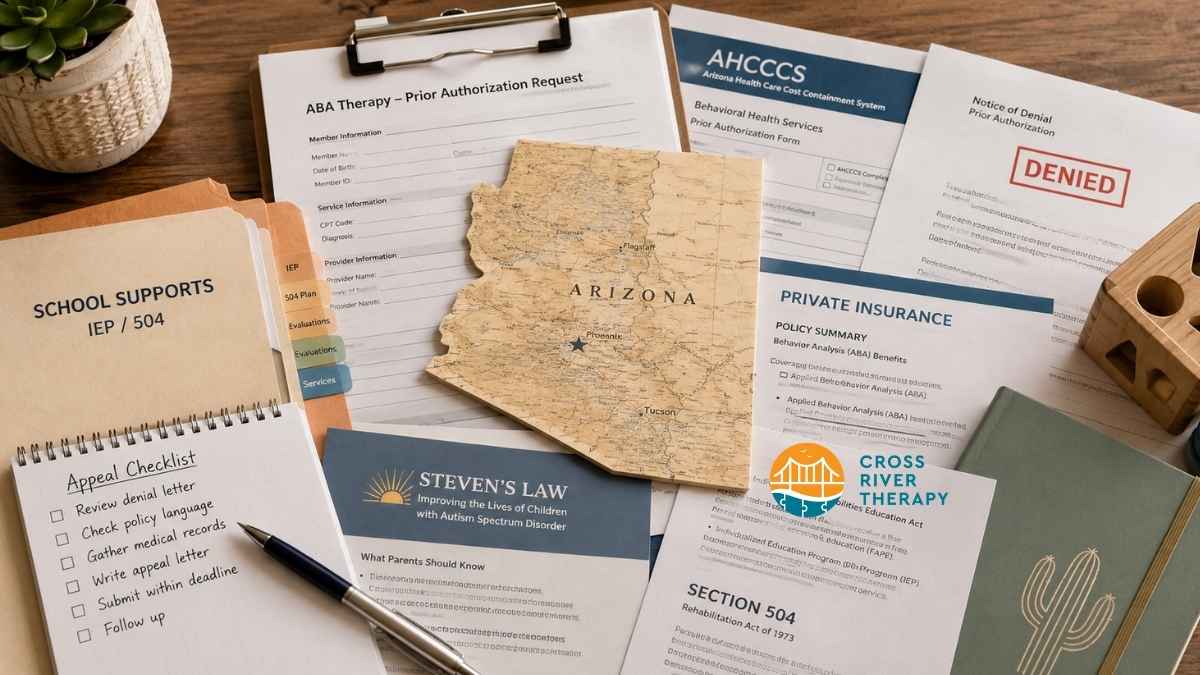
Arizona Autism Laws Every Parent Should Know Before Starting ABA Therapy
Autism laws Arizona parents should know cover ABA insurance, AHCCCS appeals, IEPs, and Section 504 rights. Check ABA coverage with Cross River.

ABA Therapist Salary in Arkansas: What BCBAs and RBTs Actually Earn in 2026
ABA therapist salary Arkansas figures compare RBT and BCBA rates, benefits, guaranteed hours, and contract terms. Explore careers at Cross River.

5 Autism Support Groups and Family Resources in New Mexico Alongside ABA Therapy
Autism support groups New Mexico families can use offer peer support, local events, and school help. Cross River can explain ABA therapy options.

Where to Get an Autism Evaluation in New Mexico Before Starting ABA Therapy
Autism evaluation New Mexico options include UNM, NMSU, FIT, and private providers. Compare providers, records, and ABA steps with Cross River.

7 North Carolina Autism Resources to Contact Before ABA Therapy Starts
Autism resources North Carolina families can call for diagnosis, early intervention, rights, and parent support. Start ABA intake with Cross River.

Does Indiana Medicaid Cover ABA Therapy? A Step-by-Step Eligibility Checklist for Parents
Medicaid ABA therapy Indiana covers eligible children under 21 with prior authorization. Your five-step coverage review can start with Cross River.
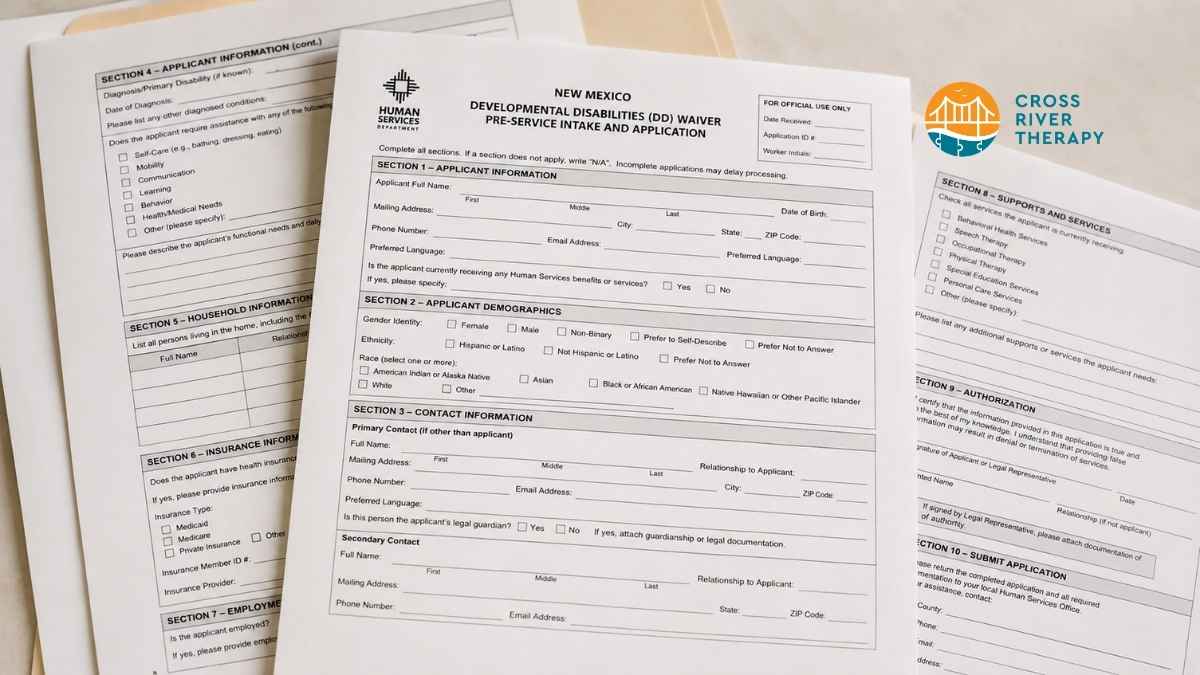
How to Apply for New Mexico’s DD Waiver While Starting ABA Therapy
Autism waiver New Mexico applications need DD Waiver records and proof of daily support needs. Your next step is to start ABA intake with Cross River.

Is ABA Therapy Covered by Insurance in New Jersey? What Every Parent Should Know
ABA therapy insurance New Jersey may cover medically necessary care based on plan type, network, and authorization. Verify benefits with Cross River.

How ABA Therapy Builds Communication for Nonverbal Children Without Forcing Speech
ABA therapy communication for nonverbal children starts with AAC, signs, and daily routines. See how kids ask, refuse, choose, and get help.

How to Start ABA Therapy in New Jersey With a First-Call Checklist
How to start ABA therapy in New Jersey begins with records, insurance details, and intake questions. Use this first-call checklist before you call.

How to Get an Autism Evaluation in Arkansas Before Starting ABA Therapy
How to get an autism evaluation in Arkansas starts with a referral, provider choice, and key records. Use this parent checklist before ABA intake.